
Democratic Texas lawmaker spent night on state House floor after refusing GOP demand for law enforcement escort
Entities mentioned:
- Nicole Collier: Righteousness, Determination, Self-respect
- Dustin Burrows: Control, Power, Duty
- Texas House Democrats: Resistance, Justice, Unity
- Texas Republicans: Power, Control, Ambition
- Beto O'Rourke: Moral outrage, Righteousness, Loyalty
- Greg Abbott: Power, Ambition, Loyalty
- Donald Trump: Influence, Power, Control
- Gavin Newsom: Competitive spirit, Justice, Power
Article Assessment:
Credibility Score: 75/100
Bias Rating: 55/100 (Center)
Sentiment Score: 35/100
Authoritarianism Risk: 65/100 (Authoritarian Tendencies)
Bias Analysis:
The article presents both Republican and Democratic perspectives, but gives slightly more space to Democratic viewpoints and actions. The framing of Republicans' actions as 'demands' and Democrats as 'protesting' suggests a slight lean towards sympathizing with the Democrats.
Key metric: Electoral Integrity
As a social scientist, I analyze that this article highlights a significant conflict over redistricting in Texas, which has broader implications for national electoral integrity. The Republican-led effort to redraw congressional maps mid-decade is an unusual move that could significantly alter the balance of power in the U.S. House of Representatives. This situation demonstrates the intensifying partisan struggle over electoral maps, with both parties engaging in tactical maneuvers to gain advantage. The Democrats' initial flight from the state and subsequent return under restrictive conditions illustrates the lengths to which political actors will go to influence the redistricting process. Rep. Collier's protest against the imposed restrictions symbolizes broader resistance to what Democrats perceive as an abuse of power. This conflict over redistricting could erode public trust in the electoral system and potentially lead to more extreme gerrymandering practices across the country, ultimately impacting the fairness and representativeness of elections.
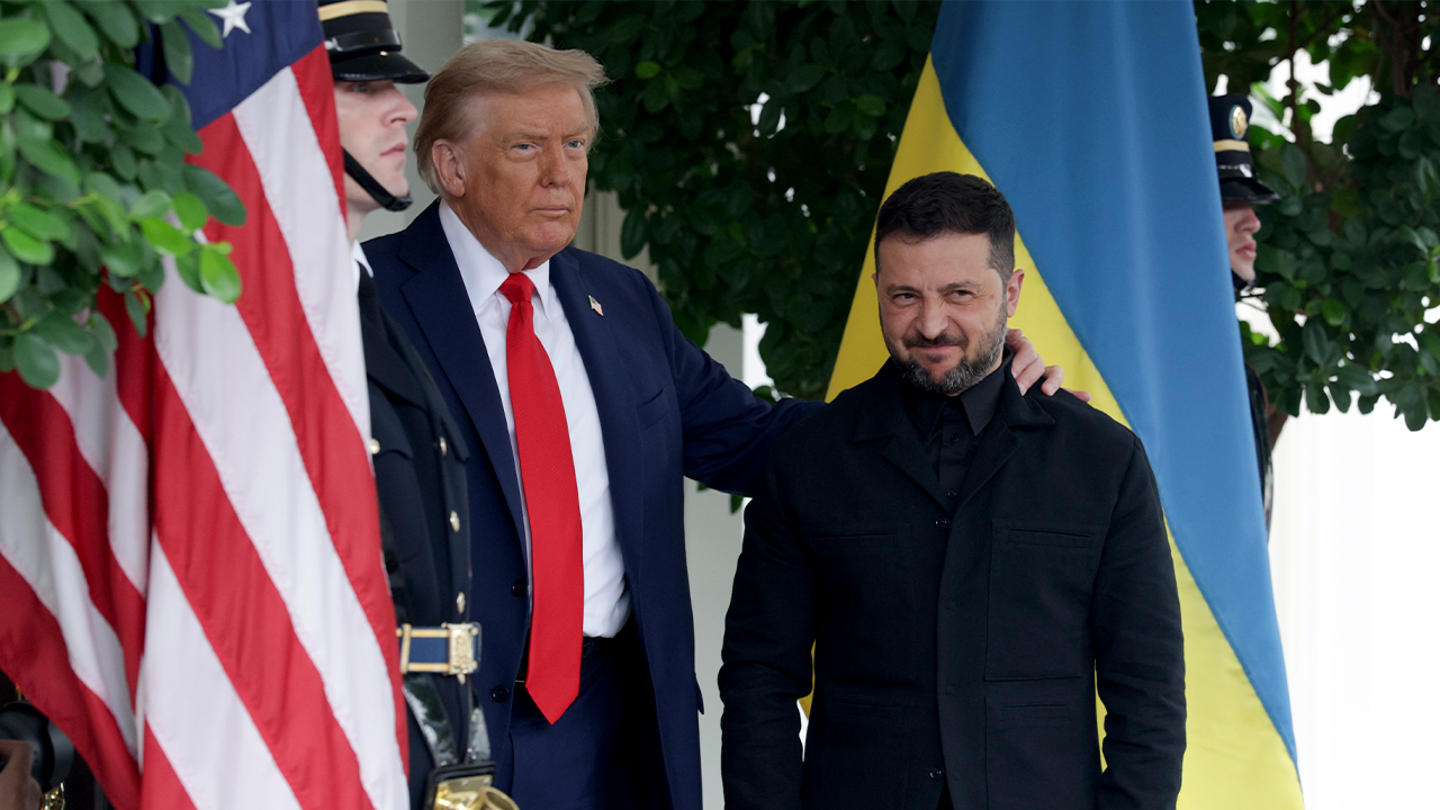
Senate signals readiness to hit Russia with hard sanctions if peace deal fails
Entities mentioned:
- President Donald Trump: Power, Influence, Legacy
- Ukrainian President Volodymyr Zelenskyy: Self-preservation, Duty, Unity
- Russian President Vladimir Putin: Power, Control, Influence
- Senate Republicans: Loyalty, Determination, Security
- Senate Democrats: Moral outrage, Justice, Wariness
- Congress: Control, Influence, Duty
Article Assessment:
Credibility Score: 70/100
Bias Rating: 55/100 (Center)
Sentiment Score: 45/100
Authoritarianism Risk: 35/100 (Generally Democratic)
Bias Analysis:
The article presents views from both Republican and Democratic senators, providing a relatively balanced perspective. However, there's a slight emphasis on Republican viewpoints, with more detailed quotes and positive framing of Trump's actions.
Key metric: International Relations and Diplomacy
As a social scientist, I analyze that this article highlights the complex interplay between domestic politics and international diplomacy in the context of the Russia-Ukraine conflict. The Senate's readiness to impose sanctions on Russia reflects a bipartisan consensus on the need for a strong U.S. response, should diplomatic efforts fail. This stance potentially strengthens the U.S. negotiating position but also risks escalating tensions. The divergent views between Republicans and Democrats on Trump's approach underscore the polarized nature of U.S. politics, even in foreign policy matters. This internal division could potentially weaken the U.S.'s ability to present a unified front in international negotiations. The article also reveals the delicate balance between pursuing diplomatic solutions and maintaining a credible threat of economic penalties, showcasing the multifaceted nature of modern international relations.