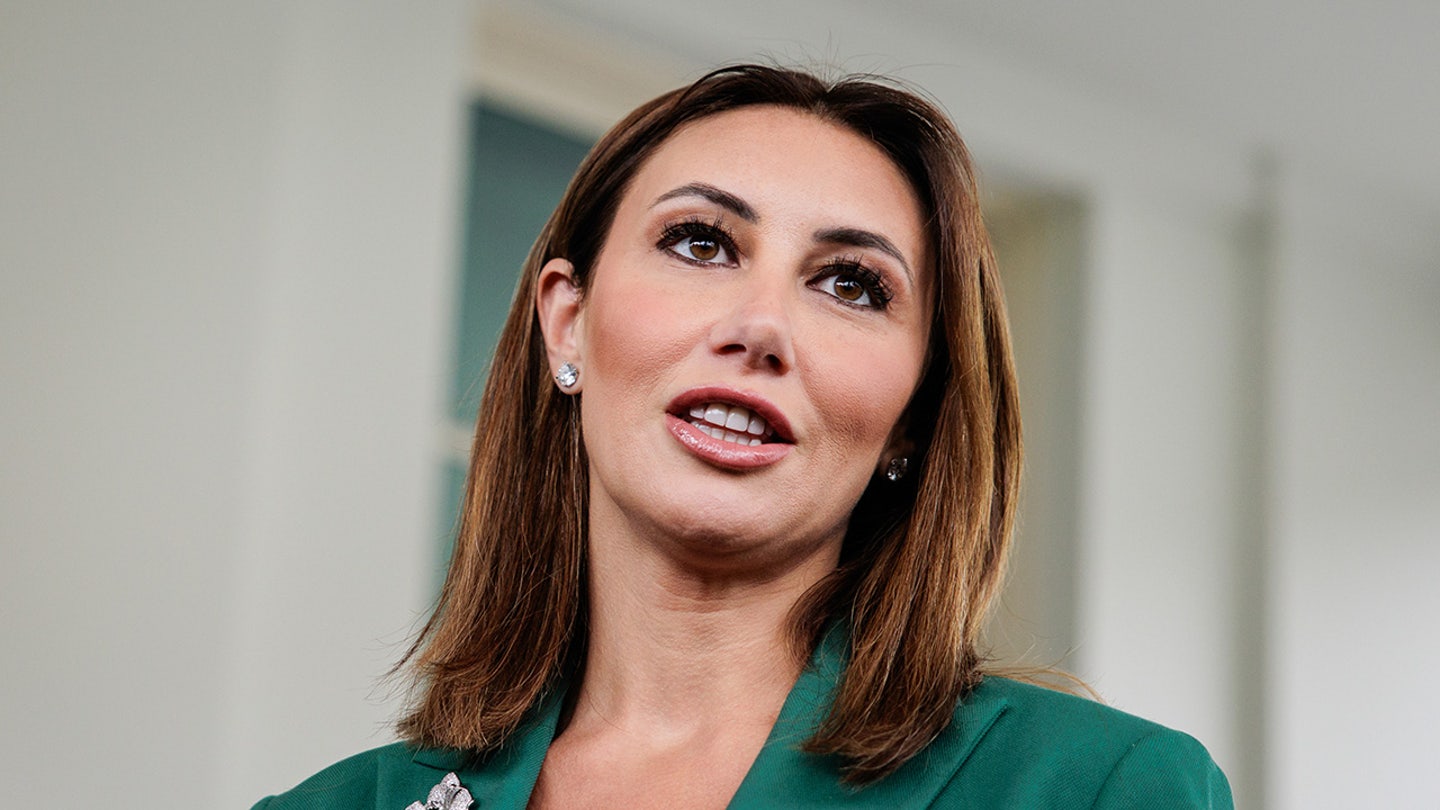
Judge to decide Trump appointee Alina Habba's fate as US attorney
Entities mentioned:
- Alina Habba: Ambition, Power, Control
- Donald Trump: Power, Control, Loyalty
- Judge Matthew Brann: Duty, Justice, Righteousness
- Julien Giraud Jr.: Self-preservation, Justice, Freedom
- Desiree Grace: Professional pride, Duty, Justice
- Pam Bondi: Loyalty, Power, Control
Article Assessment:
Credibility Score: 75/100
Bias Rating: 45/100 (Center)
Sentiment Score: 35/100
Authoritarianism Risk: 65/100 (Authoritarian Tendencies)
Bias Analysis:
The article presents multiple viewpoints, including those of the Trump administration, the defendant, and legal experts. While it highlights concerns about the appointment process, it also includes the DOJ's defense of its actions, maintaining a relatively balanced perspective.
Key metric: Rule of Law Index
As a social scientist, I analyze that this case highlights a significant challenge to the traditional process of appointing U.S. attorneys, potentially impacting the Rule of Law Index. The unprecedented maneuvers by the Trump administration to keep Habba in power, despite lack of Senate confirmation, raise concerns about the separation of powers and the integrity of the justice system. This situation could weaken public trust in legal institutions and potentially set a precedent for future administrations to bypass established appointment procedures. The case also demonstrates the tension between executive authority and legislative oversight, which is crucial for maintaining checks and balances in a democratic system. The outcome of this decision could have far-reaching implications for the interpretation of federal vacancy laws and the limits of presidential power in appointing key law enforcement officials.
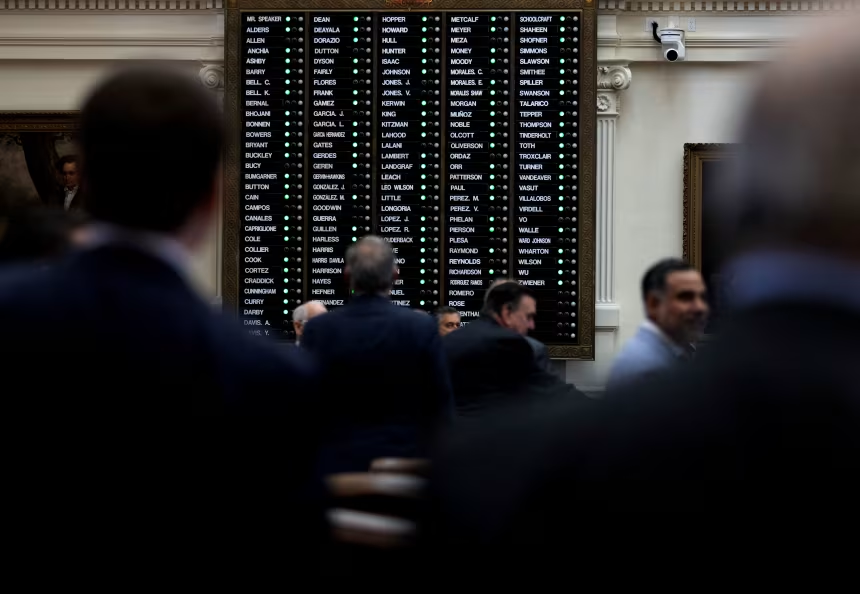
Texas GOP now faces clear path to redraw congressional maps in Trump-backed push
Entities mentioned:
- Texas Republicans: Power, Control, Competitive spirit
- Texas Democrats: Justice, Determination, Self-preservation
- California Democrats: Power, Competitive spirit, Justice
- California Republicans: Justice, Moral outrage, Self-preservation
- Greg Abbott: Power, Control, Determination
- Donald Trump: Influence, Power, Legacy
- Dustin Burrows: Control, Power, Duty
Article Assessment:
Credibility Score: 75/100
Bias Rating: 55/100 (Center)
Sentiment Score: 35/100
Authoritarianism Risk: 65/100 (Authoritarian Tendencies)
Bias Analysis:
The article presents actions from both Republican and Democratic sides, offering a relatively balanced view of the redistricting struggle. However, slightly more space is given to Democratic perspectives and justifications, particularly in the California section.
Key metric: Electoral Competitiveness
As a social scientist, I analyze that this article highlights the intensifying partisan struggle over redistricting in two major states, Texas and California. The actions taken by both parties demonstrate a clear attempt to manipulate electoral maps for political advantage, potentially reducing electoral competitiveness. Texas Republicans are pushing for maps that create more Republican-leaning districts, while California Democrats are countering with their own redistricting efforts to gain more seats. This tit-for-tat approach risks further polarizing the political landscape and reducing the number of competitive districts, which could lead to decreased voter engagement and representation. The use of special sessions, constitutional amendments, and even physical confinement of legislators showcases the lengths to which parties are willing to go to secure electoral advantages, raising concerns about the health of democratic processes and the balance of power.