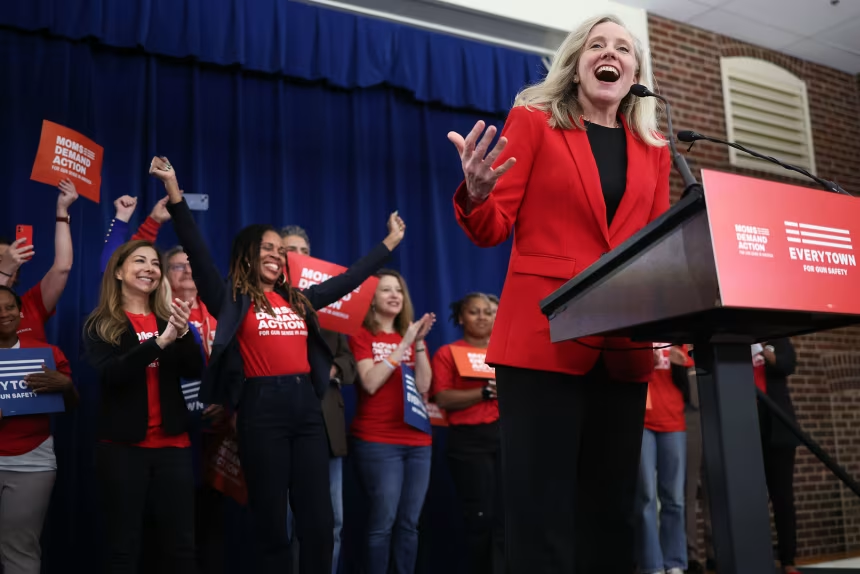
Progressive veterans group seeks to boost Spanberger in Virginia governor’s race with $500,000 ad campaign
Entities mentioned:
- VoteVets: Influence, Unity, Professional pride
- Abigail Spanberger: Ambition, Duty, Influence
- Winsome Earle-Sears: Ambition, Loyalty, Competitive spirit
- Donald Trump: Power, Influence, Legacy
- Democratic Party: Power, Control, Influence
- Republican Party: Power, Control, Competitive spirit
Article Assessment:
Credibility Score: 75/100
Bias Rating: 45/100 (Center)
Sentiment Score: 55/100
Authoritarianism Risk: 20/100 (Strongly Democratic)
Bias Analysis:
The article presents information from both Democratic and Republican perspectives, though slightly more space is given to Democratic strategies and viewpoints. The language used is generally neutral, with factual reporting of campaign activities and financial data.
Key metric: Political Party Power Balance
As a social scientist, I analyze that this article highlights the significance of the Virginia gubernatorial race as a bellwether for national political sentiment. The involvement of VoteVets, a progressive veterans' organization, demonstrates the increasing importance of candidates with military backgrounds in shaping party image and voter appeal. The focus on cost-of-living issues and the criticism of GOP policies indicate that economic concerns are likely to be central to the campaign. The article also reveals the strategies employed by both parties, with Democrats emphasizing affordability and Republicans focusing on cultural issues and alignment with national party figures. The financial disparity between the candidates and the advertising investments suggest that Democrats are currently in a stronger position, but the race remains competitive given recent Republican successes in the state.
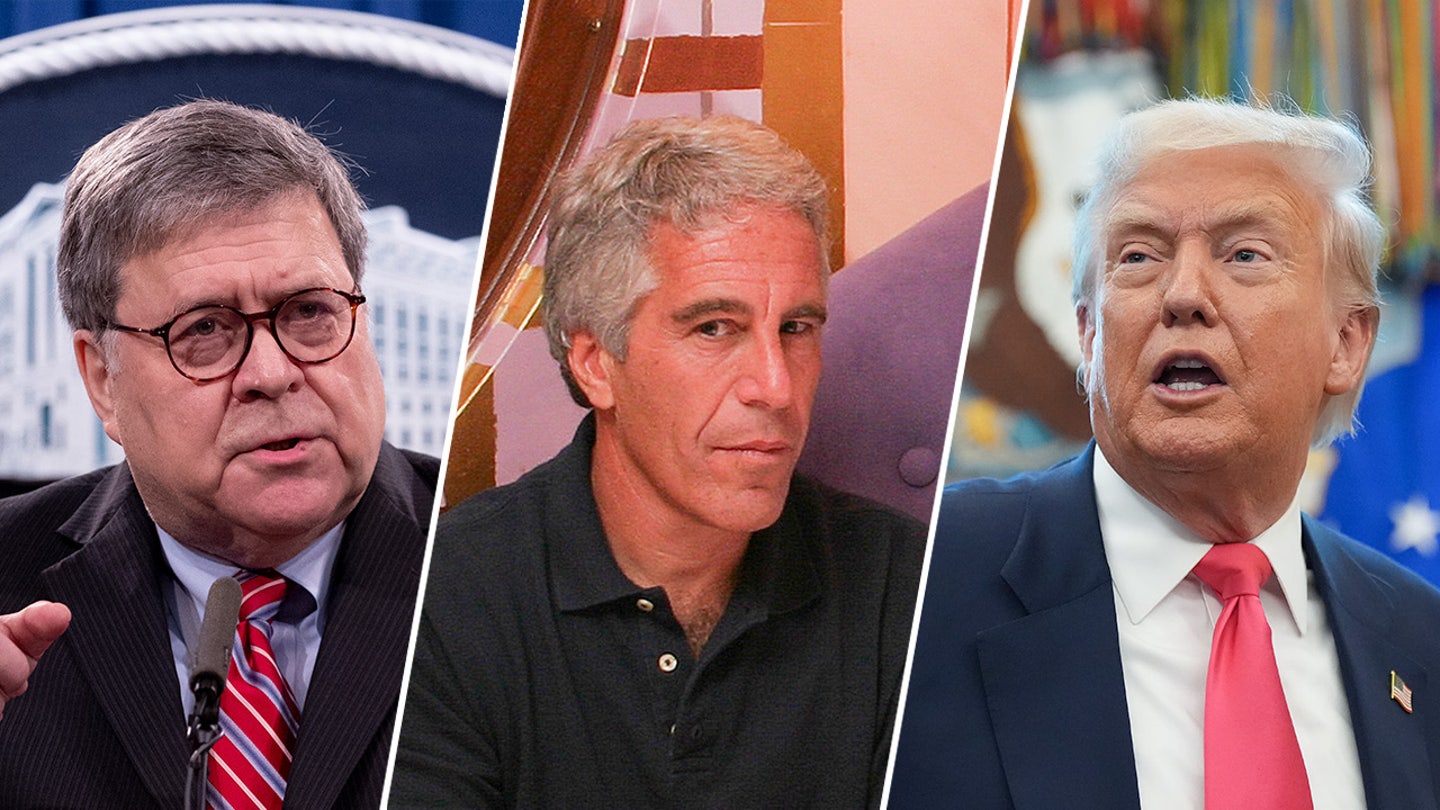
Bill Barr testifies he didn't see info that would 'implicate' Trump in Epstein case, Comer says
Entities mentioned:
- Bill Barr: Duty, Professional pride, Loyalty
- Donald Trump: Self-preservation, Power, Influence
- James Comer: Ambition, Justice, Control
- Jeffrey Epstein: Power, Greed, Self-preservation
- Biden administration: Power, Control, Influence
- House Oversight Committee: Justice, Control, Duty
- Democrats: Competitive spirit, Justice, Control
- Republicans: Loyalty, Power, Control
- Suhas Subramanyam: Justice, Ambition, Duty
Article Assessment:
Credibility Score: 65/100
Bias Rating: 55/100 (Center)
Sentiment Score: 45/100
Authoritarianism Risk: 35/100 (Generally Democratic)
Bias Analysis:
The article presents multiple perspectives, including both Republican and Democratic viewpoints. However, it gives more detailed coverage to Republican statements, particularly from Chairman Comer, which slightly tilts the balance.
Key metric: Government Accountability and Transparency
As a social scientist, I analyze that this article highlights the ongoing investigation into the handling of Jeffrey Epstein's case, focusing on former Attorney General Bill Barr's testimony. The investigation appears to be part of a broader effort to assess government accountability in high-profile cases. Barr's testimony, suggesting no implication of former President Trump in the Epstein case, raises questions about the thoroughness of the investigation and potential political motivations. The partisan divide in the committee's approach to questioning Barr indicates a politicization of the process, which may impact public trust in government institutions and their ability to handle sensitive cases impartially. This investigation could influence public perception of government transparency and the justice system's effectiveness in dealing with powerful individuals.