
Trump wants DC to charge 14-year-olds as adults. Here’s where the district’s laws stand
Entities mentioned:
- Donald Trump: Power, Control, Righteousness
- Jeanine Pirro: Justice, Control, Righteousness
- DC Attorney General's Office: Justice, Duty, Professional pride
- Eduardo Ferrer: Justice, Professional pride, Duty
- Christina Henderson: Justice, Duty, Self-respect
Article Assessment:
Credibility Score: 75/100
Bias Rating: 55/100 (Center)
Sentiment Score: 35/100
Authoritarianism Risk: 55/100 (Mixed/Neutral)
Bias Analysis:
The article presents multiple viewpoints, including those of Trump/Pirro and local officials/experts. While it gives slightly more space to critiques of the tough-on-crime approach, it still presents the arguments for stricter measures, maintaining a relatively balanced perspective.
Key metric: Violent Crime Rate
As a social scientist, I analyze that this article highlights a significant debate over juvenile justice policies in Washington D.C., with potential implications for the city's violent crime rate. The push by Trump and Pirro for harsher treatment of juvenile offenders reflects a tough-on-crime approach, contrasting with the more rehabilitation-focused current policies. This conflict underscores tensions between federal and local control over D.C.'s justice system. The debate also touches on broader questions of effective crime prevention, the balance between punishment and rehabilitation for young offenders, and the long-term societal impacts of different approaches to juvenile justice. The article suggests that changes to D.C.'s juvenile justice laws could potentially impact violent crime rates, though the effectiveness of such changes is disputed by some experts and local officials.
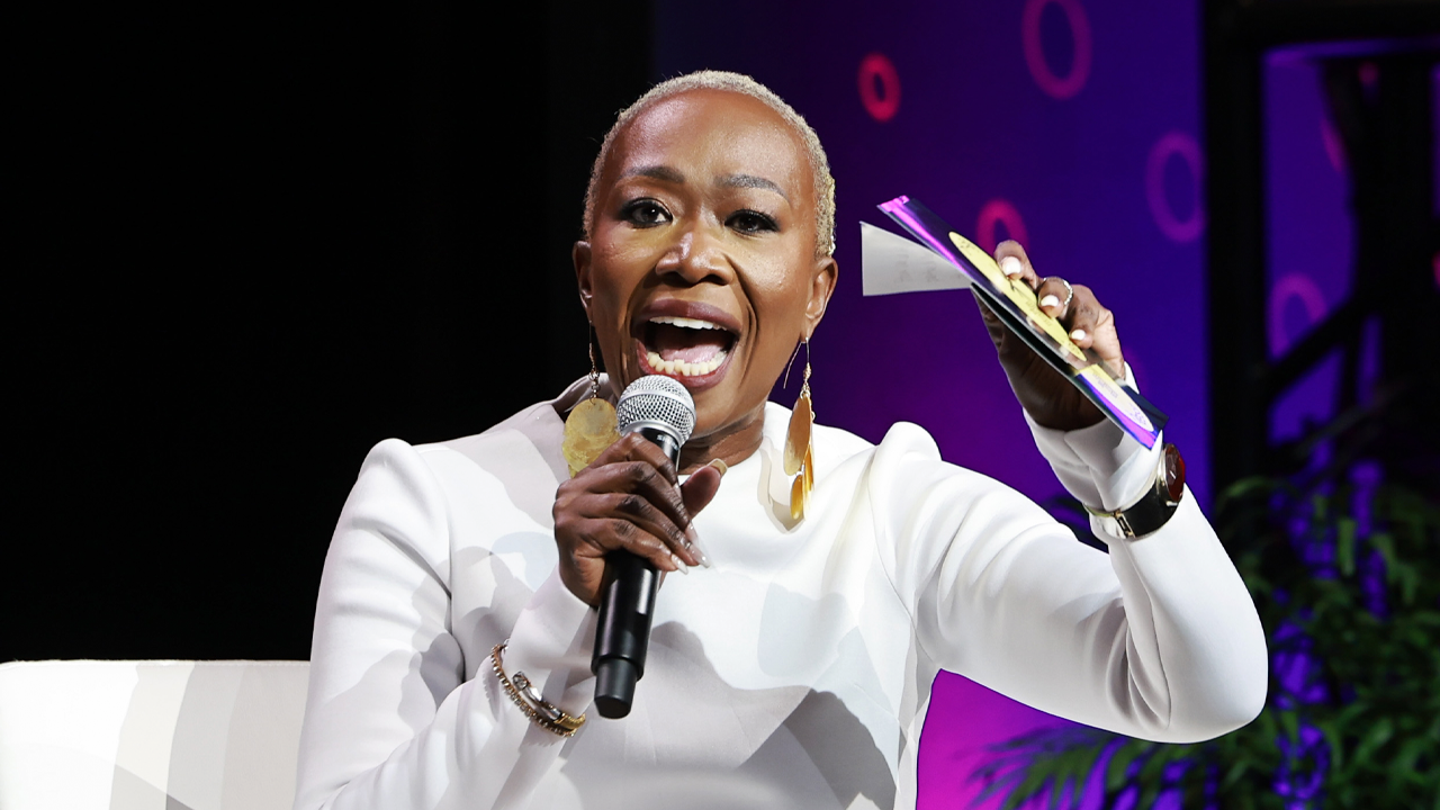
Joy Reid claims 'mediocre White men' like Trump, Elvis can't 'invent anything,' steal culture from other races
Entities mentioned:
- Joy Reid: Moral outrage, Righteousness, Indignation
- Donald Trump: Power, Control, Legacy
- Elvis Presley: Recognition, Influence, Legacy
- Wajahat Ali: Righteousness, Moral outrage, Recognition
- Kennedy Center: Legacy, Influence, Recognition
- Smithsonian: Legacy, Influence, Duty
- PragerU: Influence, Righteousness, Legacy
- Harrison Fields: Loyalty, Indignation, Professional pride
Article Assessment:
Credibility Score: 65/100
Bias Rating: 70/100 (Lean Right)
Sentiment Score: 25/100
Authoritarianism Risk: 45/100 (Mixed/Neutral)
Bias Analysis:
The article leans right, presenting critical views of left-leaning figures and their statements. While it includes quotes from both sides, it gives more space to counter-arguments and criticism of Reid's comments.
Key metric: Social Cohesion
As a social scientist, I analyze that this article highlights deep racial tensions and cultural divisions in American society. The rhetoric used by Joy Reid and Wajahat Ali suggests a strong resentment towards what they perceive as the appropriation of minority cultures by white Americans. Their claims about the inability of 'mediocre White men' to create culture or innovate independently are likely to exacerbate racial tensions and decrease social cohesion. The article's framing of Trump's actions regarding the Kennedy Center and Smithsonian as a 'hostile takeover' further emphasizes the polarization in cultural and historical narratives. This discourse, if amplified, could lead to increased societal fragmentation and decreased trust between different racial and cultural groups, negatively impacting overall social cohesion in the United States.