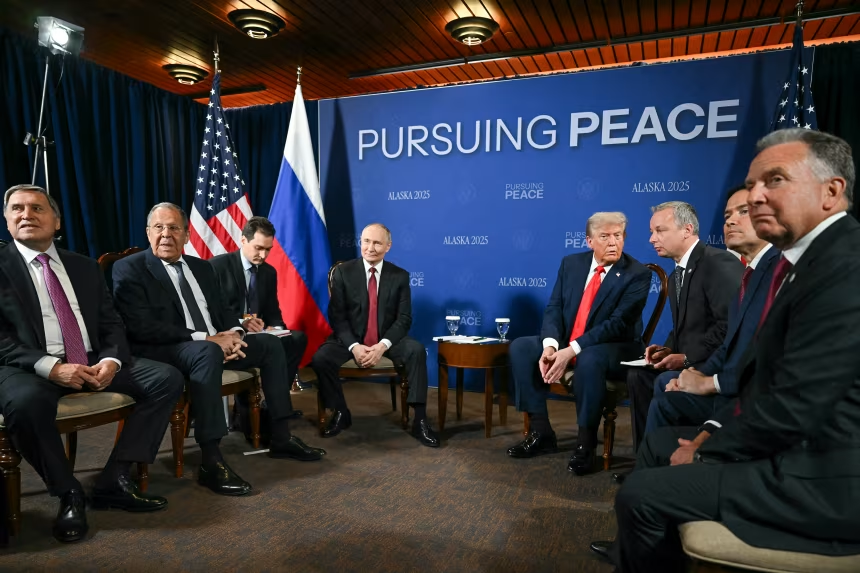
White House signals strong momentum toward peace in Ukraine but many questions linger
Entities mentioned:
- Donald Trump: Power, Influence, Legacy
- Steve Witkoff: Duty, Influence, Professional pride
- Vladimir Putin: Power, Control, Self-preservation
- Volodymyr Zelensky: Self-preservation, Unity, Security
- Marco Rubio: Professional pride, Duty, Wariness
- Russia: Power, Control, Self-preservation
- Ukraine: Self-preservation, Security, Freedom
- United States: Influence, Power, Security
- European leaders: Security, Unity, Influence
- NATO: Security, Unity, Deterrence
Article Assessment:
Credibility Score: 65/100
Bias Rating: 55/100 (Center)
Sentiment Score: 55/100
Authoritarianism Risk: 35/100 (Generally Democratic)
Bias Analysis:
The article presents multiple perspectives and quotes from various sources, indicating an attempt at balanced reporting. However, there's a slight emphasis on Trump's role and statements, which could suggest a minor center-right lean.
Key metric: International Conflict Resolution Index
As a social scientist, I analyze that this article highlights a complex diplomatic situation involving multiple stakeholders with competing interests. The potential for a peace agreement in Ukraine appears to be gaining momentum, but significant challenges remain. The US, under Trump's leadership, is attempting to broker a deal between Russia and Ukraine, with European allies involved. The article suggests progress in security guarantees and potential land concessions, but also reveals tensions between immediate ceasefire goals and broader peace agreement ambitions. The credibility of Russian commitments and the willingness of Ukraine to accept certain conditions are key factors that could impact the success of these negotiations. This situation could significantly affect global stability and the International Conflict Resolution Index, as a successful resolution could set a precedent for diplomatic solutions to similar conflicts, while failure could exacerbate tensions and potentially lead to further military escalation.
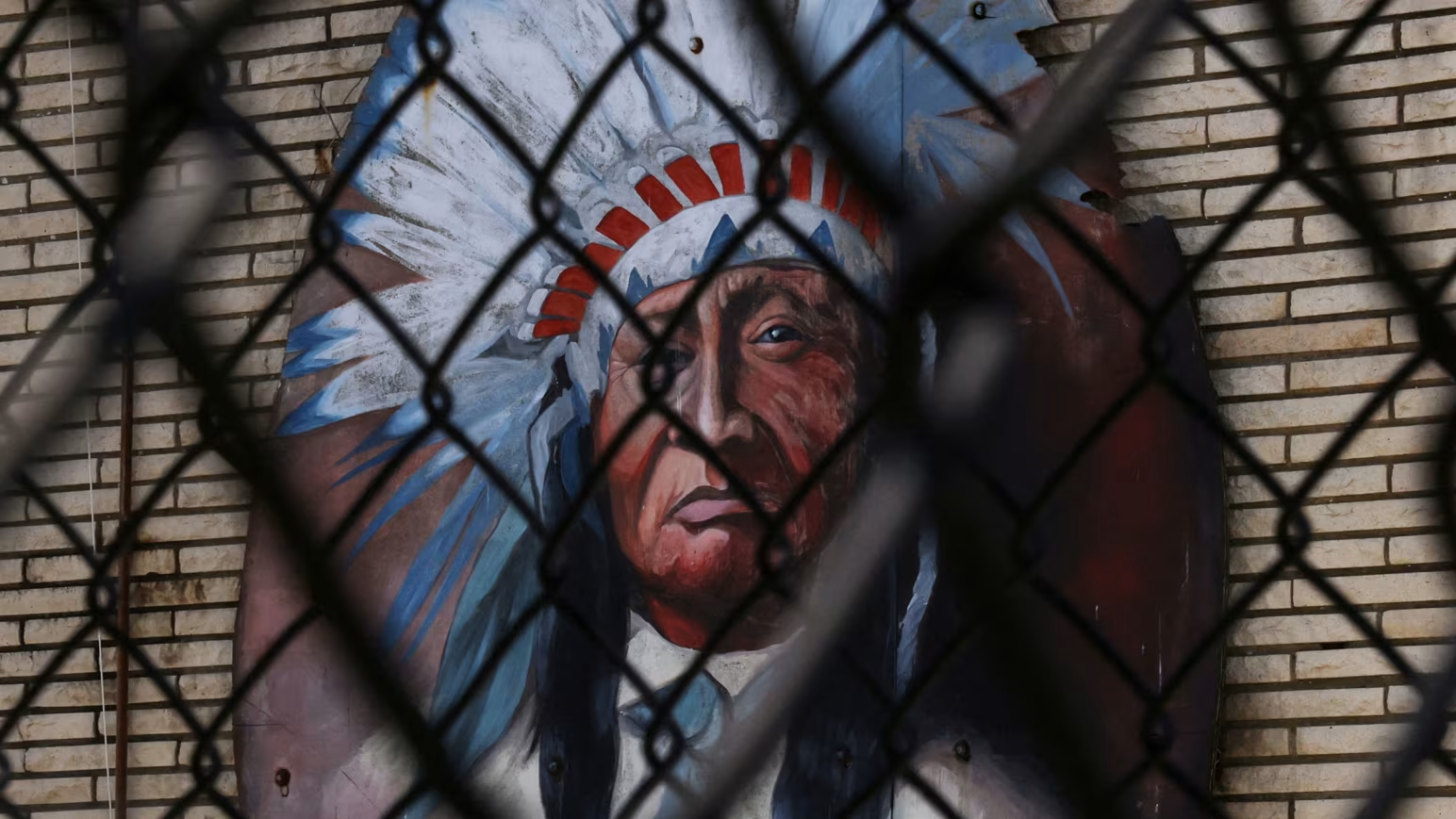
How one Long Island school district became the epicenter of Trump’s fight to preserve Native American sports mascots
Entities mentioned:
- Donald Trump: Power, Influence, Loyalty
- Massapequa School District: Pride, Loyalty, Self-preservation
- New York State Education Department: Justice, Duty, Unity
- U.S. Department of Education: Control, Influence, Righteousness
- Native American Guardians Association (NAGA): Pride, Self-preservation, Recognition
- Indigenous tribes and activists: Justice, Recognition, Self-respect
Article Assessment:
Credibility Score: 75/100
Bias Rating: 45/100 (Center)
Sentiment Score: 35/100
Authoritarianism Risk: 40/100 (Generally Democratic)
Bias Analysis:
The article presents multiple viewpoints and includes diverse sources, maintaining a generally balanced approach. However, there's a slight lean towards critiquing the pro-mascot stance, evident in the framing of some arguments and source selection.
Key metric: Civil Rights Enforcement
As a social scientist, I analyze that this article highlights a significant shift in the interpretation and application of civil rights laws, particularly Title VI. The Trump administration's intervention in the Massapequa case represents a departure from previous interpretations, potentially setting a precedent for how anti-discrimination laws are applied. This could have far-reaching implications for civil rights enforcement, educational policies, and cultural representation in public institutions. The conflict between state-level mandates and federal intervention also raises questions about federalism and the balance of power in education policy. The debate over Native American mascots touches on broader issues of cultural appropriation, historical representation, and the rights of minority groups in public spaces. The varying perspectives from different Native American groups further complicate the issue, highlighting the complexity of identity politics and representation.