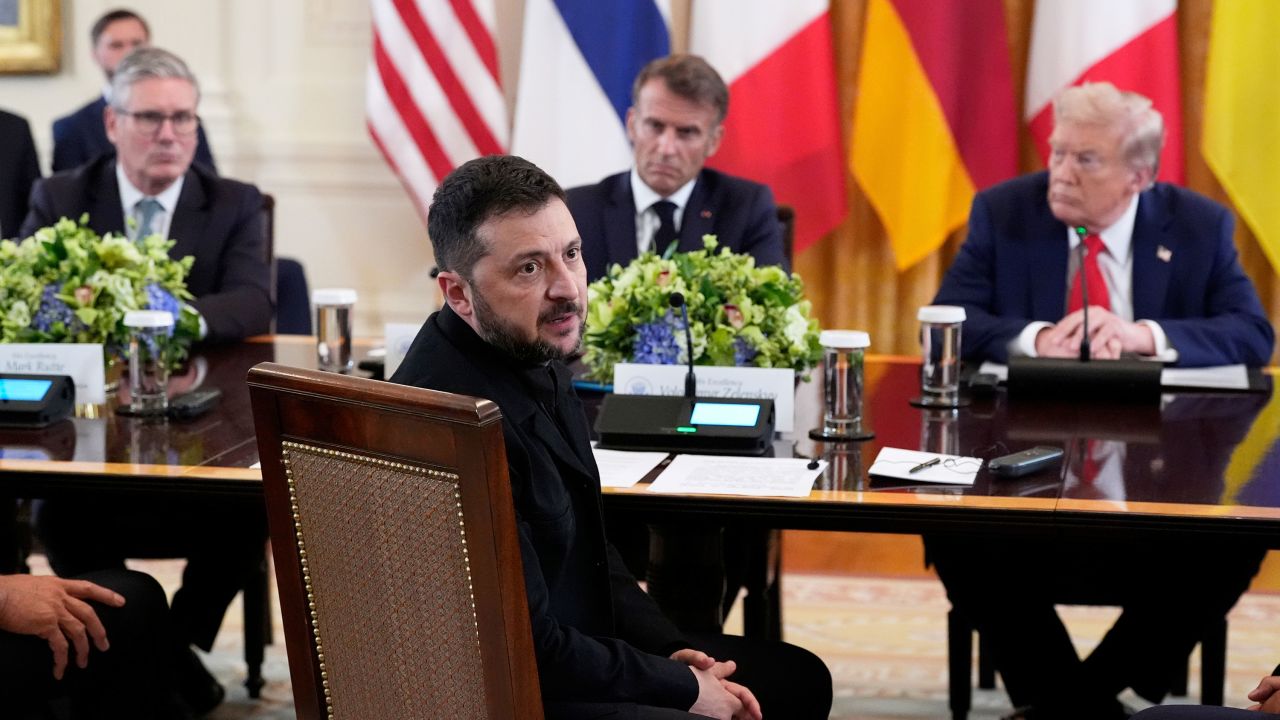
Trump changes his tone in latest meeting with Zelensky
Entities mentioned:
- Donald Trump: Power, Recognition, Control
- Volodymyr Zelensky: Duty, Unity, Self-preservation
- White House: Influence, Power, Control
Article Assessment:
Credibility Score: 65/100
Bias Rating: 50/100 (Center)
Sentiment Score: 60/100
Authoritarianism Risk: 35/100 (Generally Democratic)
Bias Analysis:
The article presents a neutral stance, focusing on the change in tone without explicit political leaning. The lack of detailed context or commentary maintains a centrist position, avoiding partisan framing.
Key metric: International Relations and Diplomacy
As a social scientist, I analyze that this meeting between Trump and Zelensky represents a shift in diplomatic tone, potentially signaling an attempt to improve US-Ukraine relations. The change from a 'contentious' February meeting to a more positive interaction suggests a strategic realignment, possibly influenced by domestic or international pressures. This shift could impact US foreign policy, particularly concerning Eastern Europe and Russia. The article's brevity limits comprehensive analysis, but the emphasis on tone change implies potential policy or strategic adjustments in the US-Ukraine relationship.
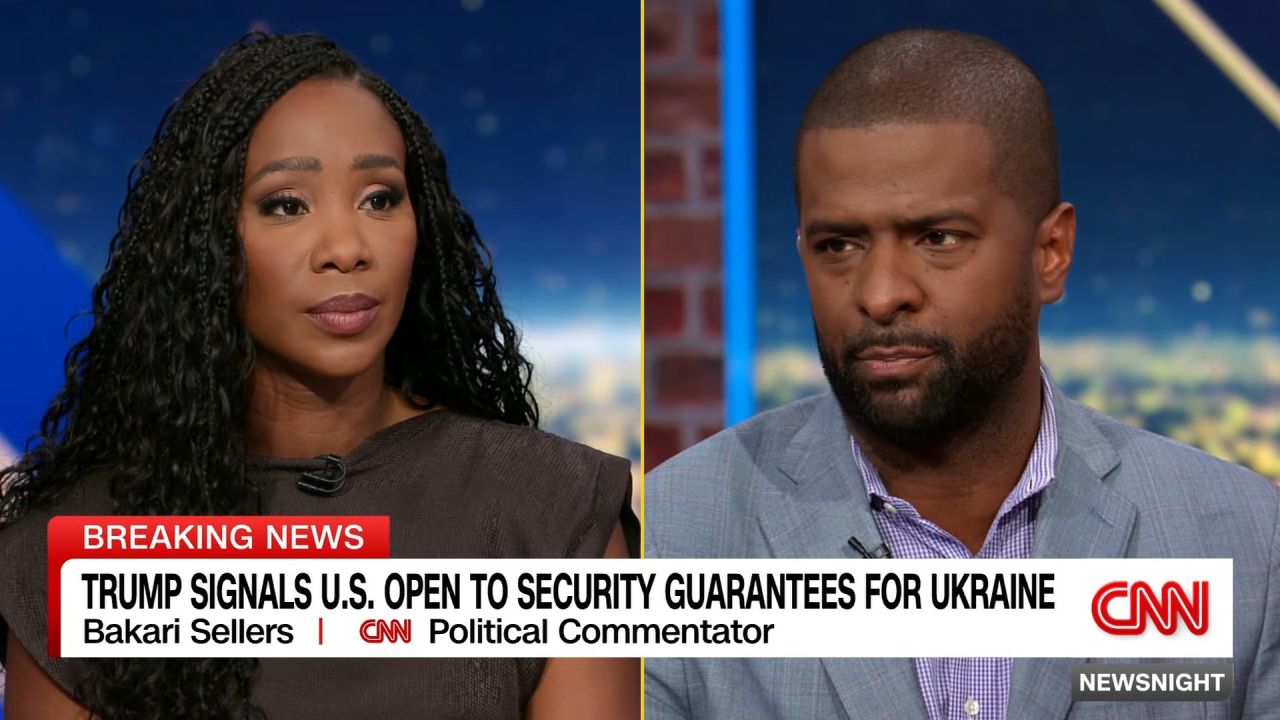
Bakari Sellers to Republican: Name one threat Trump’s followed through on against Putin
Entities mentioned:
- Donald Trump: Power, Influence, Legacy
- Volodymyr Zelensky: Security, Duty, Unity
- Bakari Sellers: Moral outrage, Justice, Indignation
- MAGA supporters: Loyalty, Pride, Fear
Article Assessment:
Credibility Score: 65/100
Bias Rating: 35/100 (Lean Left)
Sentiment Score: 45/100
Authoritarianism Risk: 30/100 (Generally Democratic)
Bias Analysis:
The article leans slightly left, evidenced by its focus on criticism of Trump and MAGA supporters from a CNN commentator. However, it does present factual information about Trump's meeting with Zelensky, balancing the bias somewhat.
Key metric: US Foreign Policy Effectiveness
As a social scientist, I analyze that this article highlights the shifting dynamics in US foreign policy towards Ukraine and Russia. Trump's apparent openness to using US troops for Ukraine's security marks a potential departure from his previous stance, which could impact US-Russia relations and America's role in Eastern European conflicts. The criticism from Bakari Sellers points to perceived inconsistencies in the MAGA base's foreign policy views, suggesting potential political polarization on international intervention issues. This shift could affect the US's global standing and its ability to form consistent, long-term foreign policy strategies.