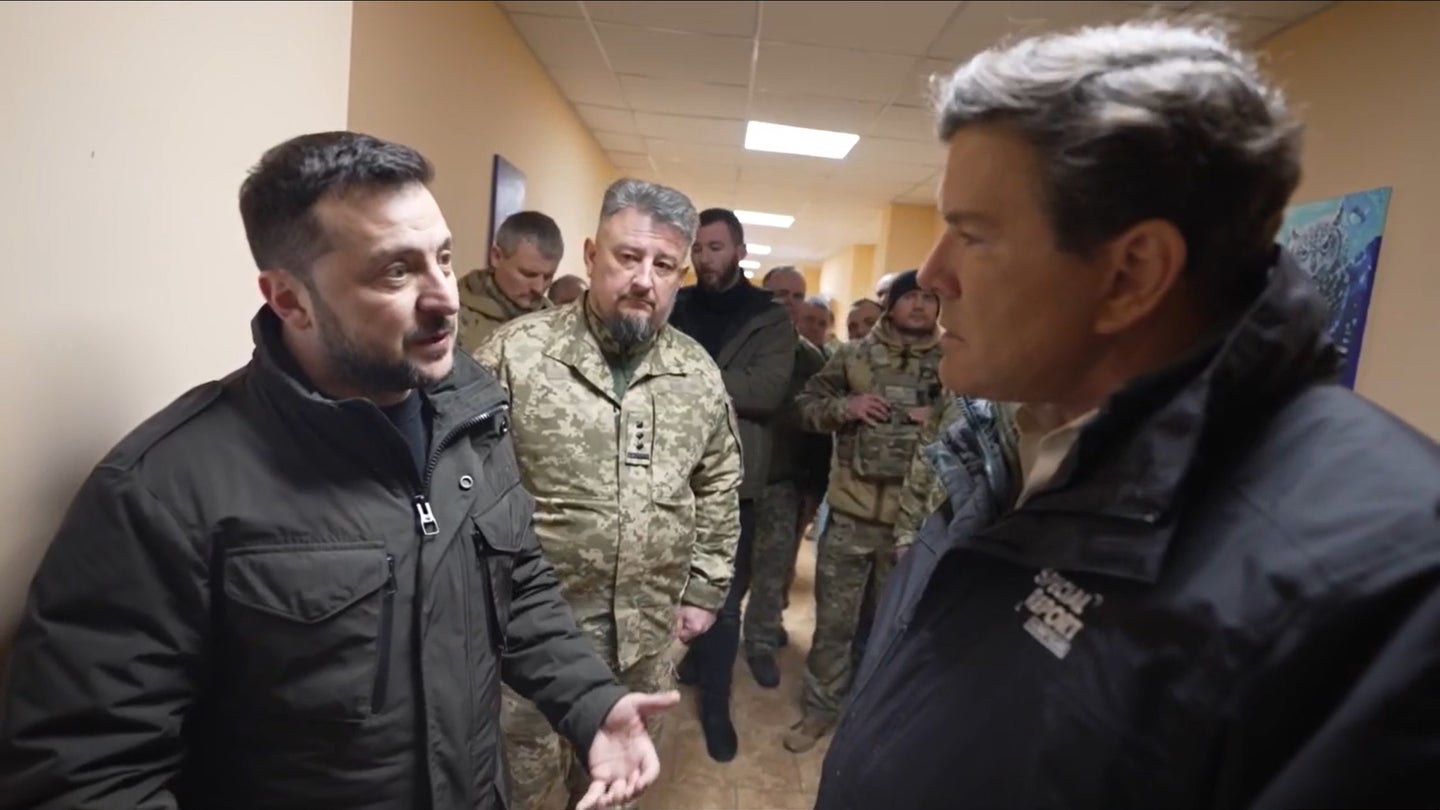
Zelenskyy agrees to Trump-Putin meeting without cease-fire, but will Kremlin dictator go along?
Entities mentioned:
- Donald Trump: Ambition, Power, Recognition
- Vladimir Putin: Power, Control, Self-preservation
- Volodymyr Zelenskyy: Determination, Duty, Self-preservation
- Hillary Clinton: Recognition, Influence
- Gen. Wesley Clark: Professional pride, Duty
- Steve Witkoff: Duty, Loyalty
- Friedrich Merz: Duty, Influence
- Peter Doocy: Curiosity, Professional pride
Article Assessment:
Credibility Score: 65/100
Bias Rating: 55/100 (Center)
Sentiment Score: 40/100
Authoritarianism Risk: 35/100 (Generally Democratic)
Bias Analysis:
The article presents multiple viewpoints but shows slight skepticism towards Trump's approach. While critical of Putin, it also questions Zelenskyy's decision-making, maintaining a relatively balanced perspective.
Key metric: International Diplomacy Effectiveness
As a social scientist, I analyze that this article highlights the complexities of international diplomacy in the context of the Russia-Ukraine conflict. Trump's shift in stance towards Putin and willingness to meet without a ceasefire demonstrates the fluid nature of diplomatic negotiations. Zelenskyy's unexpected agreement to a trilateral meeting suggests a desperate attempt to end the conflict, even at the risk of legitimizing Putin's actions. The article underscores the challenges in balancing national interests, international pressure, and the realities of ongoing warfare. The effectiveness of US diplomacy is called into question, as Trump's approach appears to prioritize personal relationships over established diplomatic norms and previous commitments to Ukraine's sovereignty.
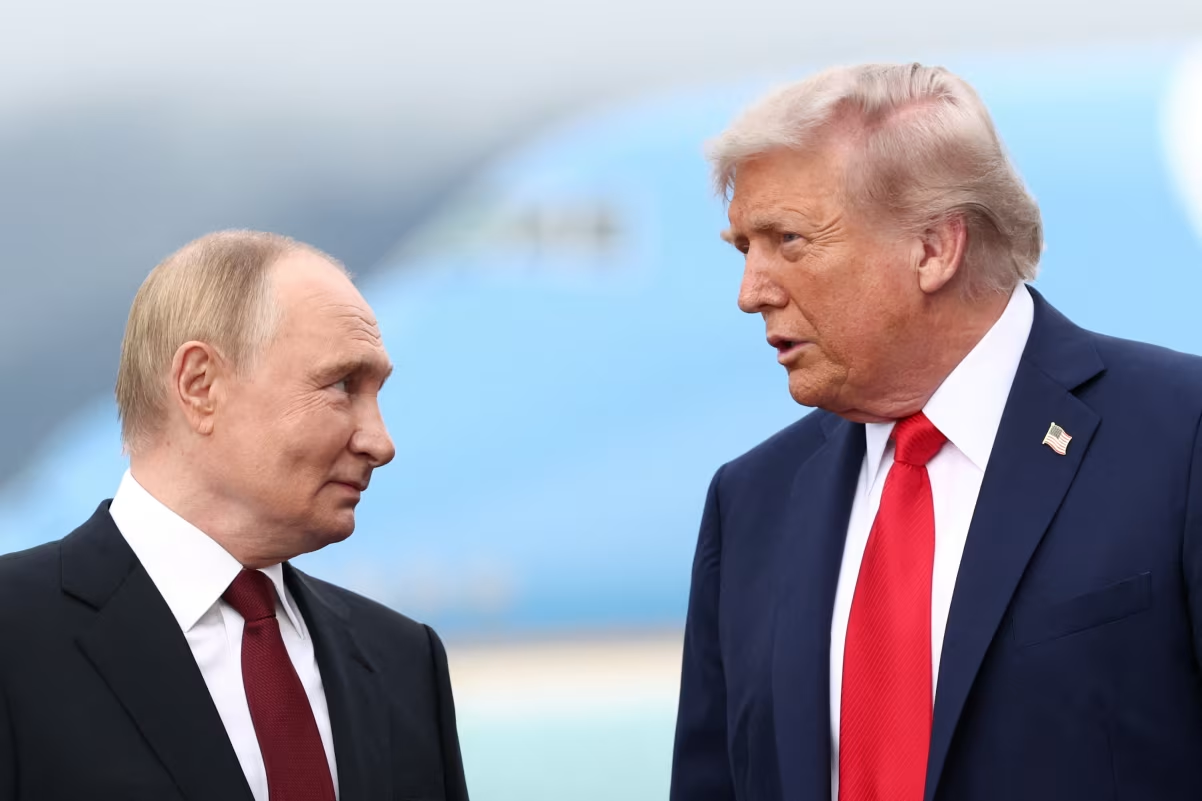
Putin’s wins leave Trump with hard choices
Entities mentioned:
- Vladimir Putin: Power, Control, Influence
- Donald Trump: Recognition, Legacy, Ambition
- Ukraine: Self-preservation, Freedom, Security
- Russia: Power, Control, Influence
- Volodymyr Zelensky: Duty, Self-preservation, Unity
- European leaders: Security, Unity, Wariness
Article Assessment:
Credibility Score: 75/100
Bias Rating: 40/100 (Lean Left)
Sentiment Score: 35/100
Authoritarianism Risk: 45/100 (Mixed/Neutral)
Bias Analysis:
The article leans slightly left, evident in its critical tone towards Trump's actions and motivations. However, it attempts to provide balanced reporting by including multiple perspectives and acknowledging some positive aspects of Trump's diplomacy efforts.
Key metric: US Global Leadership Index
As a social scientist, I analyze that this article highlights a significant shift in US foreign policy approach towards the Russia-Ukraine conflict. Trump's meeting with Putin in Alaska appears to have yielded more benefits for Russia than for the US or Ukraine. The article suggests that Trump's desire for a quick, high-profile diplomatic win may have led him to make concessions without securing tangible gains. This approach could potentially weaken the US position in global affairs and its ability to influence outcomes in major international conflicts. The article also raises concerns about Trump's susceptibility to flattery from authoritarian leaders, which could impact US strategic interests and relationships with allies. The potential implications for Ukraine's security and territorial integrity are significant, as are the possible effects on US credibility among its NATO allies and other partners.
- Read more about Putin’s wins leave Trump with hard choices
- Log in to post comments