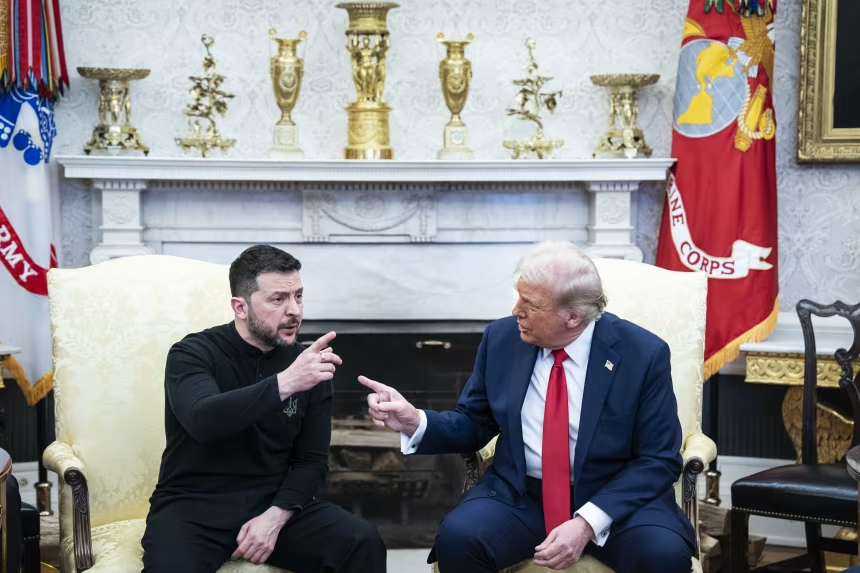
How Trump and Zelensky’s relationship has evolved since remarkable Oval Office shouting match in February
Entities mentioned:
- Donald Trump: Power, Control, Legacy
- Volodymyr Zelensky: Self-preservation, Determination, Unity
- Vladimir Putin: Power, Control, Influence
- European Leaders: Unity, Security, Influence
- JD Vance: Loyalty, Righteousness, Recognition
Article Assessment:
Credibility Score: 75/100
Bias Rating: 45/100 (Center)
Sentiment Score: 35/100
Authoritarianism Risk: 55/100 (Mixed/Neutral)
Bias Analysis:
The article presents multiple perspectives and includes details from various sources, maintaining a relatively balanced view. However, there's a slight lean towards framing Trump's actions as potentially problematic for US-Europe relations.
Key metric: US International Diplomatic Influence
As a social scientist, I analyze that this article highlights a significant shift in US-Ukraine relations and the broader geopolitical landscape. Trump's evolving approach to the Ukraine conflict, from confrontational to seemingly more conciliatory, suggests a potential realignment of US foreign policy priorities. The contrast between Trump's treatment of Putin and Zelensky indicates a complex balancing act that could impact US credibility among allies. The involvement of multiple European leaders in the upcoming talks underscores the international community's concern and desire to influence the outcome. This situation could significantly affect US diplomatic influence, potentially weakening traditional alliances while opening new avenues for negotiation with adversaries.

How the Supreme Court could wind up scrapping high-profile precedents in coming months
Entities mentioned:
- Supreme Court: Power, Legacy, Justice
- Donald Trump: Power, Control, Ambition
- John Roberts: Legacy, Justice, Professional pride
- Elena Kagan: Justice, Duty, Professional pride
- Kim Davis: Righteousness, Moral outrage, Self-respect
- Clarence Thomas: Justice, Legacy, Determination
Article Assessment:
Credibility Score: 75/100
Bias Rating: 45/100 (Center)
Sentiment Score: 35/100
Authoritarianism Risk: 55/100 (Mixed/Neutral)
Bias Analysis:
The article presents a balanced view of potential changes in Supreme Court decisions, citing both conservative and liberal perspectives. While it highlights concerns about overturning precedents, it also provides context for why some argue these changes are necessary.
Key metric: Judicial Independence and Stability
As a social scientist, I analyze that this article highlights a potential shift in the Supreme Court's approach to precedent, which could significantly impact judicial independence and stability in the US legal system. The Court's willingness to reconsider long-standing precedents on issues ranging from executive power to voting rights and religious freedom suggests a more activist approach that could reshape fundamental aspects of American law and governance. This trend may lead to increased uncertainty in legal interpretations and potentially undermine public trust in the judiciary's consistency and impartiality.