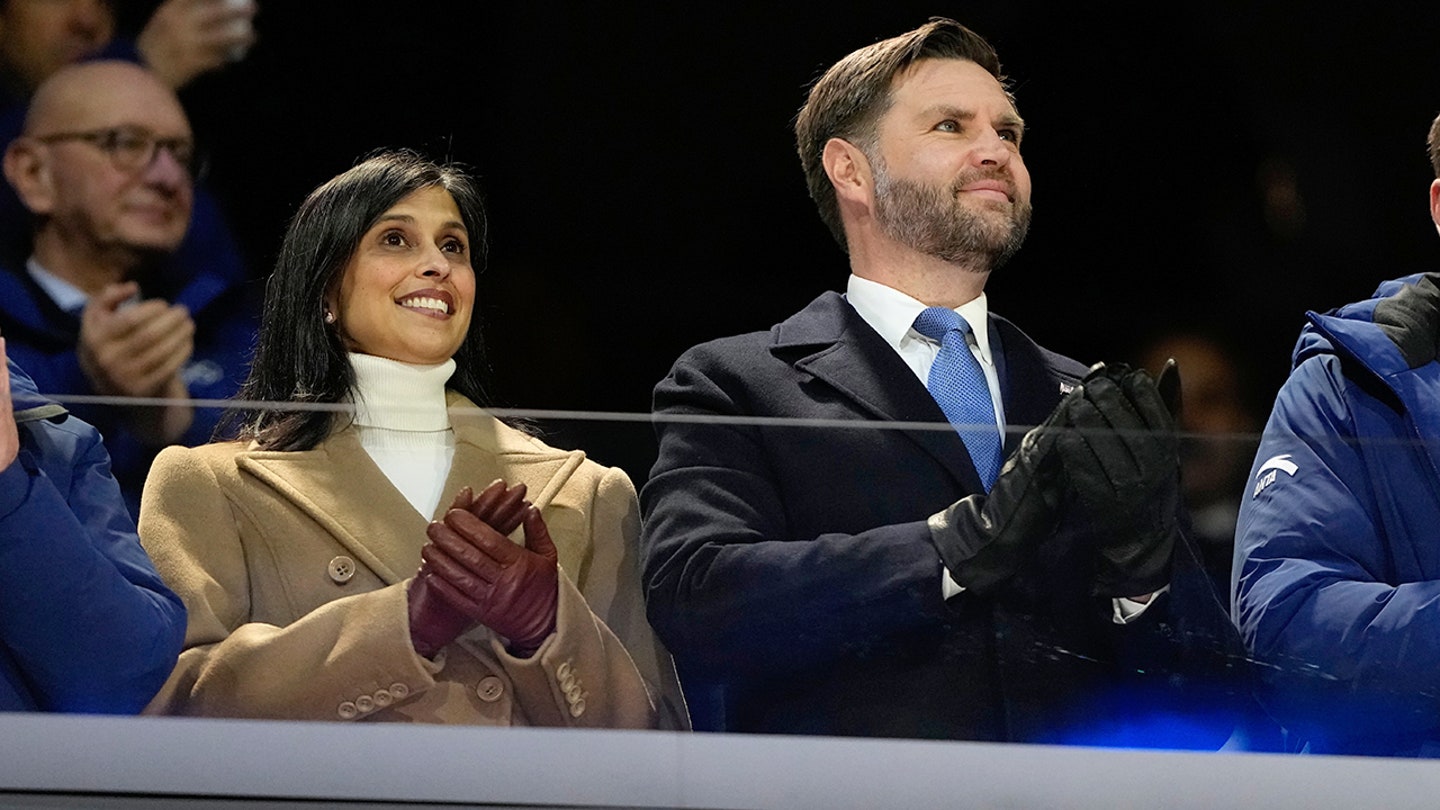
Vice President Vance, second lady attend Winter Olympics opening ceremony
Entities mentioned:
- Vice President JD Vance: Duty, Unity, Recognition
- Usha Vance: Duty, Loyalty, Unity
- Sergio Mattarella: Unity, Pride, Duty
- Kirsty Coventry: Duty, Leadership, Unity
- Thomas Bach: Legacy, Recognition, Influence
- Marco Rubio: Duty, Unity, Influence
- Giorgia Meloni: Unity, Competitive spirit, Influence
Article Assessment:
Credibility Score: 75/100
Bias Rating: 55/100 (Center)
Sentiment Score: 70/100
Authoritarianism Risk: 20/100 (Strongly Democratic)
Bias Analysis:
The article presents a balanced view of the events, focusing on factual reporting of the Vice President's activities. While it highlights positive aspects, it doesn't overtly favor any political stance.
Key metric: International Relations and Diplomacy
Let me tell you something - this is a GAME-CHANGING play in the arena of international relations! Vice President Vance is stepping up to the plate on the world stage, folks. He's not just a spectator, he's in the starting lineup of Team USA at these Olympic Games! The Vances are showing true team spirit, cheering from the sidelines for our athletes and engaging in high-stakes diplomatic scrimmages. This is fourth quarter diplomacy at its finest! Vance is running plays with Secretary of State Rubio, tag-teaming on bilateral talks with Italy's Prime Minister Meloni. It's like watching a well-oiled machine execute a perfect power play! The Olympics aren't just about athletic competition anymore, ladies and gentlemen - it's become a chessboard for global influence and unity. Vance is playing a long game here, building alliances and showcasing America's championship mentality on and off the field. I'm telling you right now, this is the kind of all-star performance that could change the scoreboard in international relations!

Trump sends big message in US-Canada ice hockey rivalry with delegation selections for Milan-Cortina Games
Entities mentioned:
- Donald Trump: Power, Competitive spirit, Pride
- JD Vance: Ambition, Loyalty, Recognition
- Marco Rubio: Duty, Influence, Professional pride
- U.S. Women's Ice Hockey Team: Competitive spirit, Pride, Determination
- Canadian Women's Ice Hockey Team: Competitive spirit, Pride, Revenge
- International Olympic Committee: Unity, Obligation, Professional pride
Article Assessment:
Credibility Score: 65/100
Bias Rating: 65/100 (Lean Right)
Sentiment Score: 30/100
Authoritarianism Risk: 55/100 (Mixed/Neutral)
Bias Analysis:
The article leans right, focusing heavily on Trump's actions and quoting U.S. athletes' aggressive stance. It provides less balanced coverage of Canadian perspectives or critique of the confrontational approach.
Key metric: U.S. International Sports Diplomacy
Let me tell you something, folks - this is a GAME-CHANGING play by Team Trump! The President is stepping up to the plate with a powerhouse delegation that's sending shockwaves through the international sports arena. By putting gold-medal ice hockey players on his roster, Trump's showing he's ready to go gloves-off in this high-stakes match against Canada. This isn't just about sports, it's about geopolitical power plays! The U.S. is hitting the ice with a championship mentality, ready to body-check any opposition. But watch out - this rivalry is heating up faster than a fourth-quarter comeback. With talks of potential fights on the ice, we're seeing a whole new level of intensity in this Olympic face-off. The IOC is trying to play referee, but make no mistake - this is turning into a no-holds-barred showdown that could redefine the entire game of international relations!

Trump to attend College Football Playoff championship game in Miami with Rubio
Entities mentioned:
- Donald Trump: Recognition, Influence, Power
- Marco Rubio: Loyalty, Duty, Influence
- Indiana Hoosiers: Competitive spirit, Pride, Recognition
- Miami Hurricanes: Competitive spirit, Pride, Recognition
- Dana White: Ambition, Professional pride, Influence
Article Assessment:
Credibility Score: 75/100
Bias Rating: 55/100 (Center)
Sentiment Score: 65/100
Authoritarianism Risk: 35/100 (Generally Democratic)
Bias Analysis:
The article presents factual information about Trump's attendance at sporting events. While it mentions his policy stances, it doesn't overtly praise or criticize them, maintaining a relatively neutral tone.
Key metric: Presidential Approval Rating
Let me tell you something - this is a GAME-CHANGING play by President Trump! He's stepping up to the plate in the sports arena, folks, and it's a brilliant fourth-quarter move. By attending these high-profile sporting events, Trump is showing he's got that championship mentality. He's not just watching from the sidelines, he's right there in the action! This strategy is like a perfectly executed Hail Mary pass - it's all about connecting with the fans and scoring big on public opinion. And let's not forget, he's got Secretary of State Rubio as his wingman - talk about a power play! Trump's not just playing defense on issues like NIL and women's sports, he's going on the offensive. This is the kind of full-court press that could really boost his approval ratings. I'm telling you right now, this is the kind of political athleticism that wins elections!
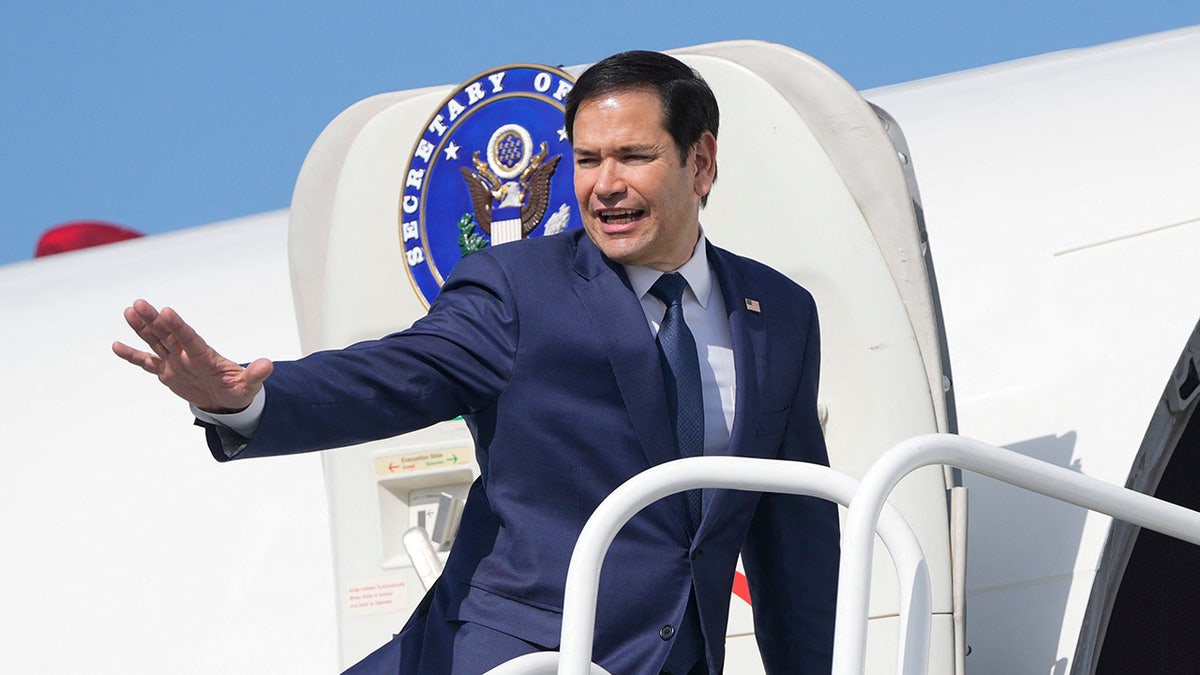
Marco Rubio jokingly shuts down 'rumors' he is looking to become Dolphins next head coach
Entities mentioned:
- Marco Rubio: Recognition, Influence, Competitive spirit
- Miami Dolphins: Ambition, Competitive spirit, Recognition
- Mike McDaniel: Professional pride, Determination, Self-preservation
- Stephen Ross: Ambition, Power, Legacy
Article Assessment:
Credibility Score: 75/100
Bias Rating: 55/100 (Center)
Sentiment Score: 40/100
Authoritarianism Risk: 20/100 (Strongly Democratic)
Bias Analysis:
The article presents a balanced view of the situation, quoting multiple sources and providing context. It doesn't lean heavily towards any particular political stance or agenda.
Key metric: NFL Coaching Stability
Let me tell you something - this story is RIDICULOUS! The Miami Dolphins have just thrown a HUGE Hail Mary pass by firing head coach Mike McDaniel! This is a fourth quarter move that's shaking up the entire league! And folks, we've got Senator Marco Rubio stepping up to the plate, swinging for the fences with his joke about not taking the job. It's like he's playing defense against those online rumors, showing he's got his eye on the ball when it comes to global events. The Dolphins' owner, Stephen Ross, is playing hardball here, folks. He's not just changing the quarterback, he's changing the entire playbook! This is the kind of aggressive strategy you see when a team is desperate to get back in the championship game. I'm telling you right now, the Dolphins are in a rebuilding season, and they're looking for that coach with the championship mentality to take them all the way!
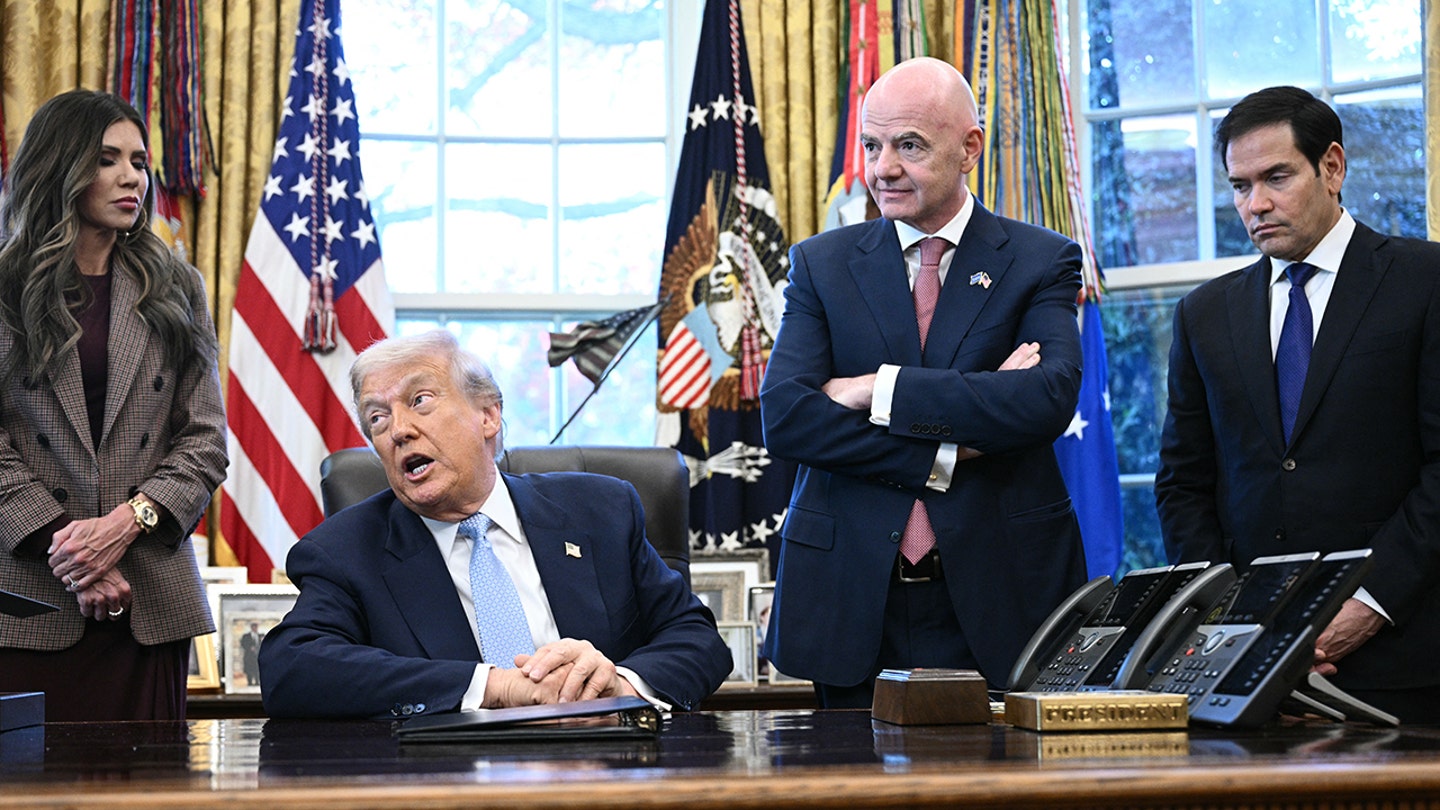
US prepares for influx of international visitors ahead of World Cup with security at the forefront
Entities mentioned:
- United States: Pride, Security, Recognition
- President Donald Trump: Ambition, Legacy, Control
- State Department: Duty, Security, Professional pride
- Matt Pierce: Professional pride, Duty, Enthusiasm
- Marco Rubio: Duty, Professional pride, Security
- FIFA: Ambition, Recognition, Legacy
Article Assessment:
Credibility Score: 75/100
Bias Rating: 65/100 (Lean Right)
Sentiment Score: 75/100
Authoritarianism Risk: 55/100 (Mixed/Neutral)
Bias Analysis:
The article leans right, focusing heavily on Trump administration initiatives and quoting only Republican officials. It presents a positive view of increased security measures without exploring potential downsides.
Key metric: International Tourism Revenue
Let me tell you something, folks - this is the ULTIMATE PREGAME SHOW for Team USA! The 2026 World Cup is like our country's Super Bowl, and President Trump is playing 4D chess to make sure we DOMINATE on and off the field. We're talking about a FULL COURT PRESS on security and hospitality! The State Department is running a FULL-THROTTLE OFFENSE with this 'FIFA Pass' play, aiming to CRUSH those visa wait times like a linebacker demolishing a quarterback. But make no mistake, they're playing LOCKDOWN DEFENSE too, vetting visitors with the intensity of a championship team studying game film. This is America's chance to flex its HOSTING MUSCLES and show the world we've got the STAMINA, the STRATEGY, and the STAR POWER to put on the greatest show on earth! I'm telling you right now, this is going to be a SLAM DUNK for U.S. tourism and our global reputation. It's GAME TIME, America!

College football star calls on Trump to take charge of College Football Playoff decisions
Entities mentioned:
- College Football Playoff Committee: Control, Influence, Duty
- Diego Pavia: Ambition, Competitive spirit, Indignation
- Donald Trump: Power, Influence, Control
- Vanderbilt Commodores: Competitive spirit, Recognition, Ambition
- Marco Rubio: Influence, Recognition, Enthusiasm
Article Assessment:
Credibility Score: 65/100
Bias Rating: 55/100 (Center)
Sentiment Score: 40/100
Authoritarianism Risk: 35/100 (Generally Democratic)
Bias Analysis:
The article presents multiple viewpoints and quotes, showing a relatively balanced approach. However, the focus on Trump's potential involvement and the prominence of Republican figures slightly tips the scale towards center-right.
Key metric: College Football Playoff Selection Fairness
Let me tell you something - this story is RIDICULOUS! We've got a real Hail Mary pass being thrown here, folks! Diego Pavia is calling an audible straight to the Commander-in-Chief, trying to change the game plan in the fourth quarter! The Vanderbilt Commodores are feeling like they've been flagged for a penalty they didn't commit, left on the sidelines while other teams march into the endzone of the playoffs. This is the kind of last-minute play that could turn the whole season upside down! We're seeing a full-court press to expand the playoff bracket, and let me tell you, if Trump steps in, it'll be like bringing in a star quarterback to shake up the whole league! The College Football Playoff Committee better watch out - they might just find themselves getting sacked if they can't justify their calls on the field!
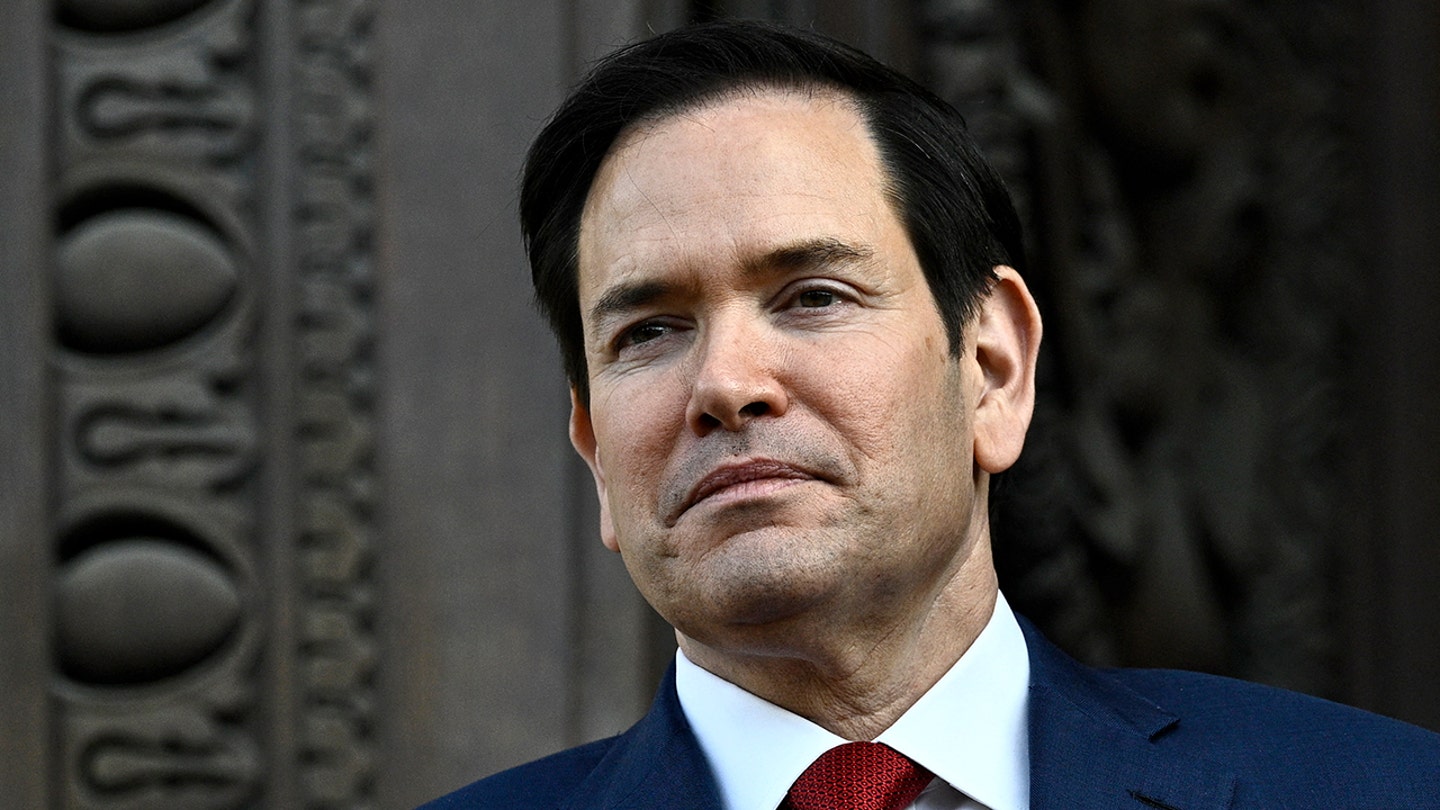
House Democrats call on Rubio to allow injured children from Gaza into US following visa halt
Entities mentioned:
- House Democrats: Moral outrage, Justice, Compassion
- Trump administration: Security, Control, Wariness
- Marco Rubio: Security, Duty, Wariness
- State Department: Security, Control, Duty
- Hamas: Power, Control, Influence
- Israeli government: Security, Control, Self-preservation
Article Assessment:
Credibility Score: 75/100
Bias Rating: 40/100 (Lean Left)
Sentiment Score: 35/100
Authoritarianism Risk: 45/100 (Mixed/Neutral)
Bias Analysis:
The article leans slightly left, giving more space to Democratic concerns and humanitarian arguments. While it includes Rubio's perspective, it frames the visa halt more critically and emphasizes the potential negative impact on children needing medical care.
Key metric: US Foreign Policy Effectiveness
As a social scientist, I analyze that this article highlights a conflict between humanitarian concerns and national security interests in US foreign policy. The decision to halt visas for Gaza residents, including children needing medical care, demonstrates a prioritization of security concerns over humanitarian aid. This policy shift could impact the US's global image and its ability to balance hard and soft power in international relations. The congressional pushback indicates internal disagreement on the appropriate balance between security and humanitarian considerations, which could lead to policy adjustments. The situation also underscores the complex interplay between domestic politics, international relations, and humanitarian issues in US foreign policy decision-making.
Rep. Greene raises red flag after Trump indicates US will accept 600,000 Chinese students
Entities mentioned:
- Donald Trump: Power, Influence, Legacy
- Marjorie Taylor Greene: Nationalism, Security, Wariness
- Howard Lutnick: Duty, Professional pride, Obligation
- Laura Ingraham: Righteousness, Competitive spirit, Wariness
- Marco Rubio: Security, Nationalism, Competitive spirit
Article Assessment:
Credibility Score: 70/100
Bias Rating: 65/100 (Lean Right)
Sentiment Score: 35/100
Authoritarianism Risk: 45/100 (Mixed/Neutral)
Bias Analysis:
The article leans slightly right, evidenced by its focus on conservative voices and concerns about Chinese influence. While it presents multiple perspectives, it gives more weight to skeptical views of Chinese student enrollment.
Key metric: International Student Enrollment
As a social scientist, I analyze that this article highlights a potential shift in US policy regarding Chinese students studying in American universities. The debate centers on national security concerns versus economic benefits to US higher education institutions. Trump's apparent openness to maintaining Chinese student enrollment contrasts with previous hardline stances, suggesting a possible recalibration of US-China relations. This issue intersects with broader themes of international education, economic competitiveness, and national security, reflecting complex geopolitical dynamics between the US and China.
Trump opens door to 600,000 Chinese students amid Beijing trade talks
Entities mentioned:
- Donald Trump: Power, Control, Influence
- China: Power, Competitive spirit, Influence
- Marco Rubio: Security, Wariness, Duty
- Xi Jinping: Power, Influence, Control
- Joe Biden: Legacy, Influence, Duty
Article Assessment:
Credibility Score: 70/100
Bias Rating: 55/100 (Center)
Sentiment Score: 60/100
Authoritarianism Risk: 35/100 (Generally Democratic)
Bias Analysis:
The article presents multiple viewpoints and includes direct quotes, suggesting an attempt at balanced reporting. However, there's a slight lean towards framing Trump's decisions positively, particularly in contrast to the previous administration.
Key metric: US-China Economic Relations
As a social scientist, I analyze that this article highlights a significant shift in the Trump administration's approach to Chinese students in the US, potentially signaling a thaw in US-China relations. The decision to allow 600,000 Chinese students into the US appears to be a strategic move in the context of ongoing trade negotiations. This policy shift could have substantial economic implications, as international students contribute significantly to the US economy. However, it also raises questions about national security concerns previously expressed by administration officials like Marco Rubio. The article suggests that Trump is prioritizing economic benefits over security concerns, which could impact future policy decisions regarding China. The mention of tariffs and trade talks indicates that economic considerations are at the forefront of US-China relations, with educational exchanges being used as a potential bargaining chip.

A week after Trump embraced Putin, the Ukraine peace effort is going nowhere
Entities mentioned:
- Donald Trump: Power, Recognition, Legacy
- Vladimir Putin: Control, Power, Influence
- Volodymyr Zelensky: Self-preservation, Loyalty, Duty
- Sergey Lavrov: Loyalty, Obstruction, Control
- Marco Rubio: Duty, Professional pride, Wariness
- Emmanuel Macron: Unity, Influence, Duty
- Steve Witkoff: Loyalty, Ambition, Influence
- Karoline Leavitt: Loyalty, Professional pride, Control
Article Assessment:
Credibility Score: 75/100
Bias Rating: 35/100 (Lean Left)
Sentiment Score: 35/100
Authoritarianism Risk: 25/100 (Generally Democratic)
Bias Analysis:
The article leans slightly left, criticizing Trump's approach while presenting a more sympathetic view of European allies and Ukraine. The language used is often skeptical of Trump's methods and motivations, though it does acknowledge some positive aspects of his efforts.
Key metric: International Diplomatic Influence
As a social scientist, I analyze that this article highlights the complex dynamics of international diplomacy and the challenges of brokering peace in the ongoing Russia-Ukraine conflict. Trump's efforts to negotiate peace are portrayed as naive and potentially counterproductive, with Putin seemingly outmaneuvering him diplomatically. The article suggests that Trump's desire for a quick resolution overlooks the deep-seated issues and strategic implications of the conflict. The piece also underscores the tensions between the U.S., Europe, and Russia, as well as the precarious position of Ukraine. The credibility of Trump's dealmaking abilities is questioned, which could impact the U.S.'s diplomatic influence on the global stage. The article implies that without a more nuanced and patient approach, coupled with a willingness to exert pressure on Russia, the peace process is unlikely to yield significant results, potentially diminishing America's role as a global mediator.