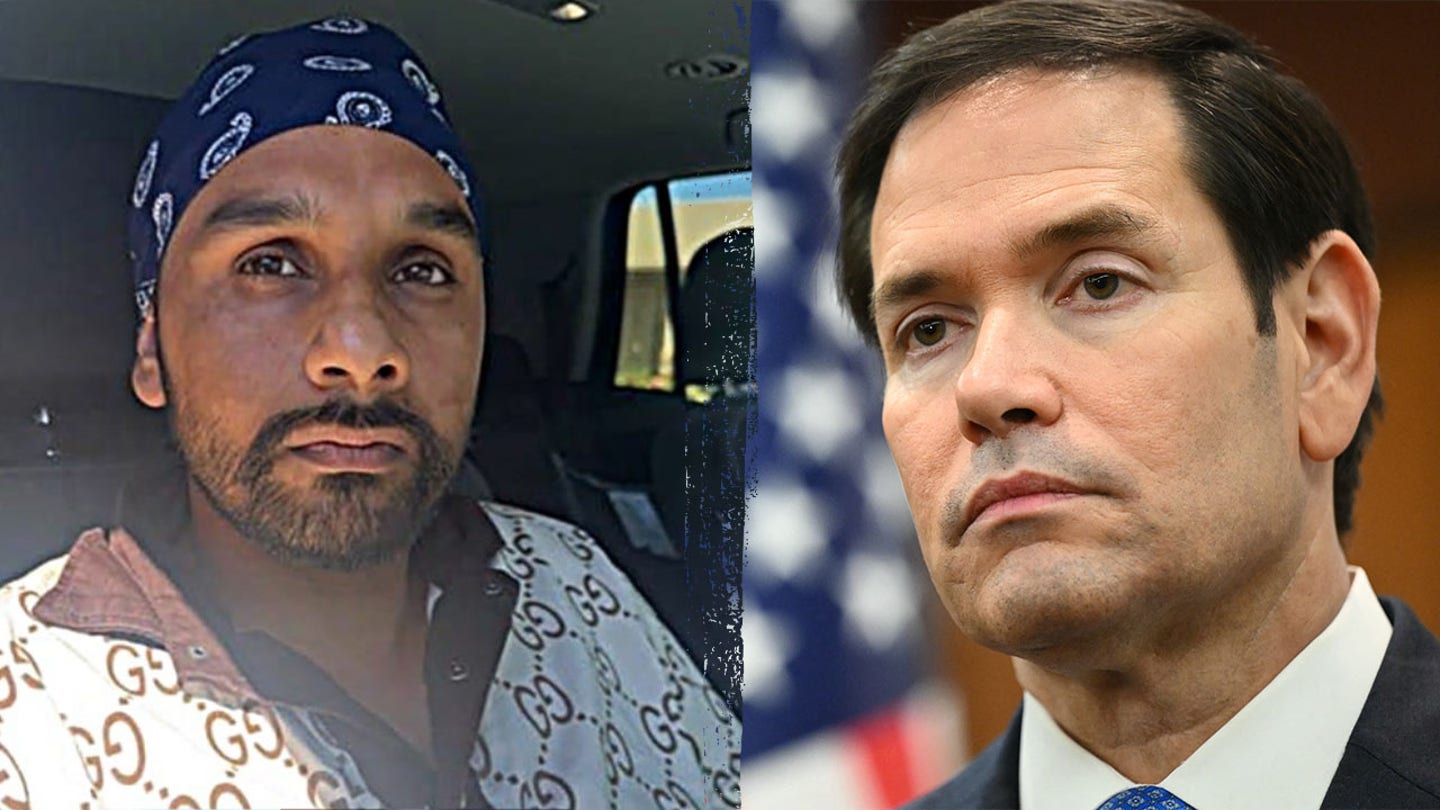
Rubio's major immigration move praised by conservative experts
Entities mentioned:
- Marco Rubio: Security, Righteousness, Influence
- Jessica Vaughan: Security, Righteousness, Professional pride
- Lora Ries: Security, Justice, Professional pride
- David Bier: Professional pride, Obligation, Indignation
- Trump administration: Control, Security, Influence
Article Assessment:
Credibility Score: 65/100
Bias Rating: 70/100 (Lean Right)
Sentiment Score: 35/100
Authoritarianism Risk: 60/100 (Mixed/Neutral)
Bias Analysis:
The article leans right, primarily featuring voices supporting the policy change. While it mentions reaching out to left-leaning groups, their perspectives are not included, creating an imbalance in viewpoint representation.
Key metric: Immigration Policy Effectiveness
As a social scientist, I analyze that this article highlights a significant shift in U.S. immigration policy, specifically targeting commercial truck drivers. The move by Secretary of State Marco Rubio to halt work visas for foreign truck drivers is presented as a response to safety concerns and economic pressures on American workers. This policy change is likely to have substantial impacts on the trucking industry, potentially affecting supply chains and the economy. The article frames the decision as a response to a specific incident, which raises questions about the broader applicability of such a policy. The divergent views presented, from conservative support to criticism from immigration advocates, reflect the complex and contentious nature of immigration policy in the U.S. This policy shift aligns with the broader trend of the Trump administration's restrictive approach to immigration, which could have long-term effects on labor markets and international relations.
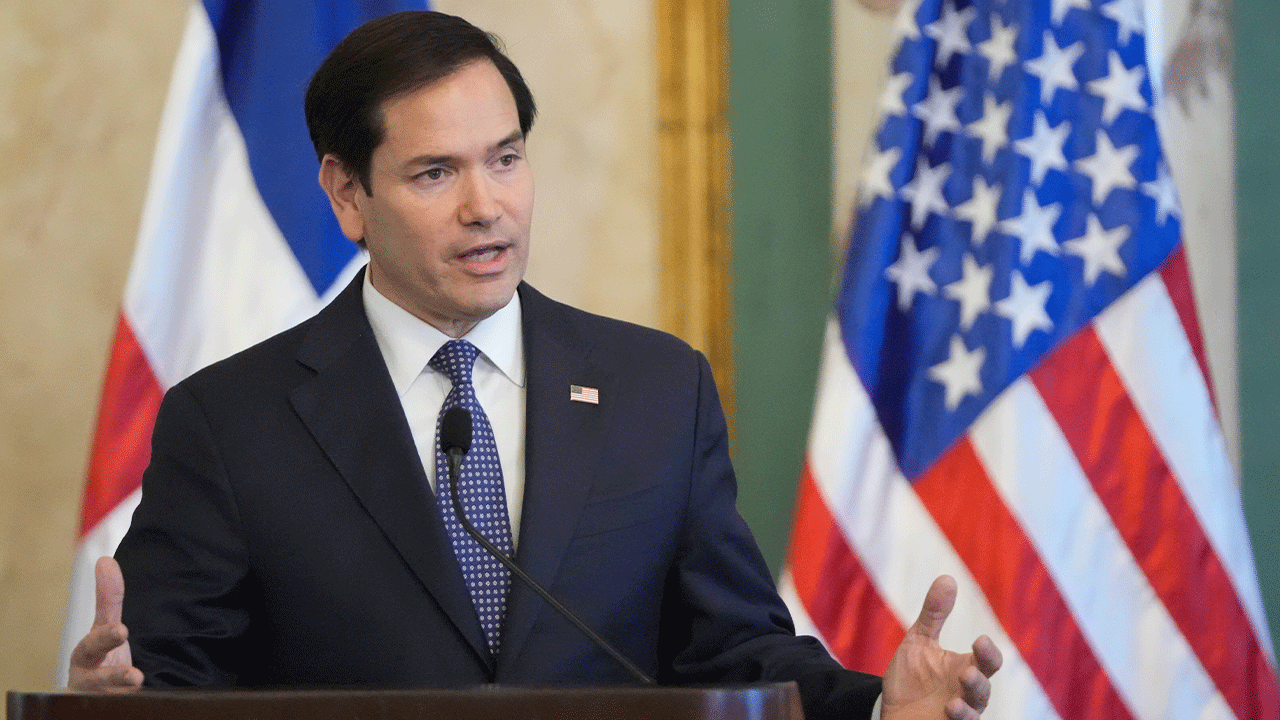
US announces more sanctions on ICC officials for targeting Americans, Israelis
Entities mentioned:
- International Criminal Court (ICC): Justice, Influence, Duty
- United States: Self-preservation, Power, Control
- Israel: Self-preservation, Security, Power
- Marco Rubio: Righteousness, Patriotism, Power
- Donald Trump: Power, Control, Influence
Article Assessment:
Credibility Score: 75/100
Bias Rating: 55/100 (Center)
Sentiment Score: 35/100
Authoritarianism Risk: 65/100 (Authoritarian Tendencies)
Bias Analysis:
The article presents both US and ICC perspectives, quoting officials from both sides. However, it gives slightly more space to the US position and reasoning behind the sanctions, suggesting a slight lean towards the US viewpoint.
Key metric: International Relations and Diplomacy
As a social scientist, I analyze that this move by the United States to sanction ICC officials significantly impacts international relations and diplomacy. The sanctions represent a strong pushback against international jurisdiction over US and Israeli nationals, potentially weakening the ICC's global influence and effectiveness. This action may strain relationships with allies, particularly those who are ICC members, and could be seen as the US prioritizing its sovereignty over international cooperation in matters of justice. The move also risks undermining the broader system of international law and could encourage other nations to similarly reject international court decisions they disagree with, potentially leading to a more fragmented global legal order.

Rubio hails Trump as 'only leader in the world' who can broker Ukraine peace deal after talks
Entities mentioned:
- Marco Rubio: Loyalty, Influence, Competitive spirit
- Donald Trump: Power, Recognition, Influence
- Joe Biden: Obligation, Security, Duty
- Volodymyr Zelenskyy: Self-preservation, Duty, Determination
- Vladimir Putin: Power, Control, Influence
- NATO: Security, Unity, Duty
Article Assessment:
Credibility Score: 55/100
Bias Rating: 75/100 (Lean Right)
Sentiment Score: 65/100
Authoritarianism Risk: 45/100 (Mixed/Neutral)
Bias Analysis:
The article leans right, primarily due to its uncritical presentation of Republican viewpoints and criticism of the Biden administration. It relies heavily on Marco Rubio's statements without offering contrasting perspectives or fact-checking claims about Trump's peace-brokering abilities.
Key metric: Diplomatic Influence
As a social scientist, I analyze that this article presents a shift in the U.S. approach to the Ukraine-Russia conflict under the Trump administration. The narrative emphasizes Trump's alleged unique ability to broker peace, contrasting it with the perceived ineffectiveness of the Biden administration. This framing potentially impacts U.S. diplomatic influence by suggesting that Trump's personal relationships with world leaders are key to resolving international conflicts. The article's focus on changing dynamics in weapon supply and funding methods also indicates a potential shift in international perceptions of U.S. foreign policy. However, the heavy reliance on Rubio's statements without significant counterbalancing perspectives raises questions about the comprehensiveness of the analysis presented.
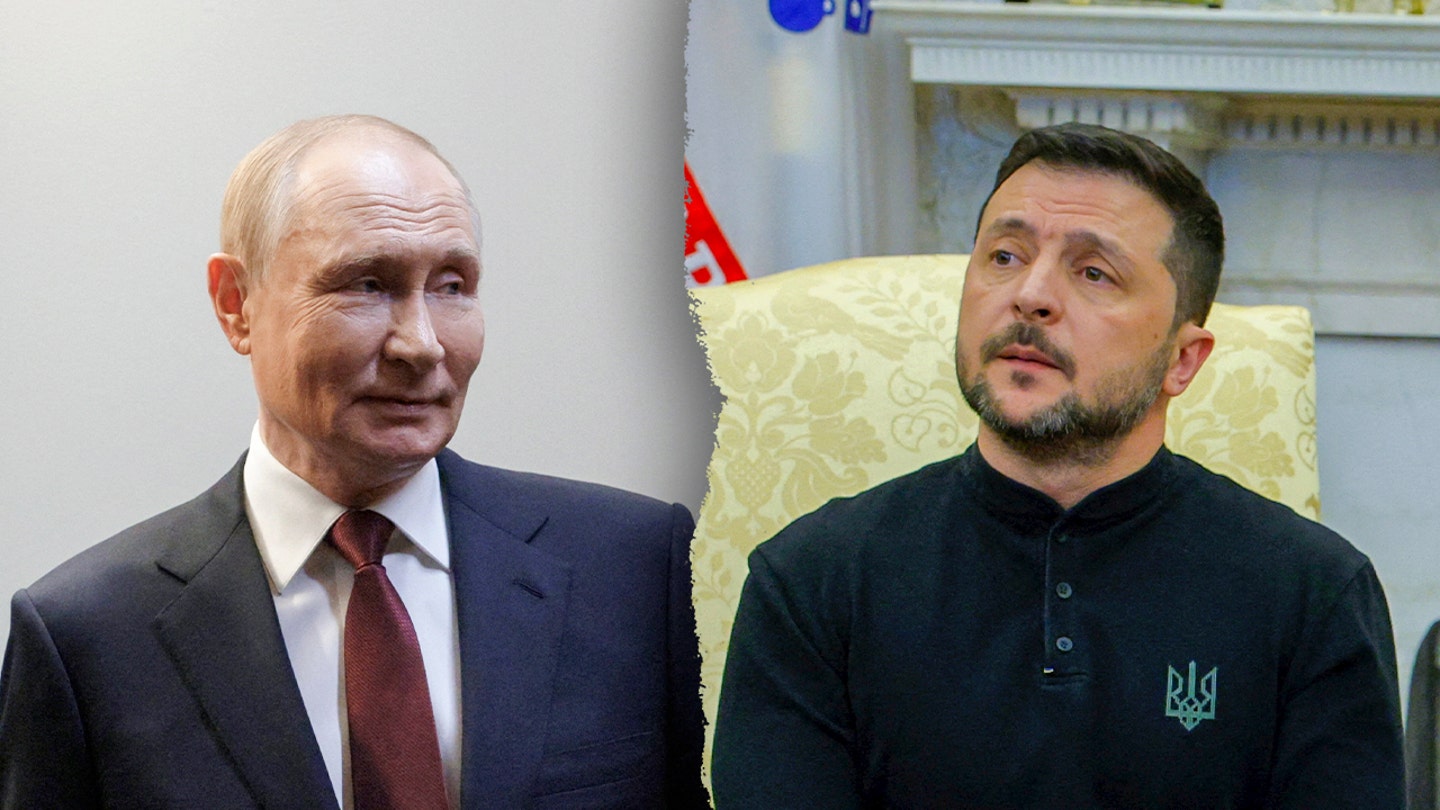
White House announces Putin agreed to bilateral meeting with Zelenskyy
Entities mentioned:
- Vladimir Putin: Power, Control, Self-preservation
- Volodymyr Zelenskyy: Determination, Justice, Unity
- Donald Trump: Legacy, Influence, Recognition
- Karoline Leavitt: Duty, Loyalty, Professional pride
- JD Vance: Duty, Influence, Ambition
- Marco Rubio: Duty, Influence, Professional pride
- Steve Witkoff: Duty, Influence, Professional pride
- Alexander Stubb: Unity, Recognition, Professional pride
- Keir Starmer: Unity, Recognition, Professional pride
- Mark Rutte: Unity, Recognition, Professional pride
Article Assessment:
Credibility Score: 65/100
Bias Rating: 70/100 (Lean Right)
Sentiment Score: 70/100
Authoritarianism Risk: 45/100 (Mixed/Neutral)
Bias Analysis:
The article leans right, focusing heavily on Trump's role and quoting primarily conservative or Trump-aligned sources. It presents a largely positive view of Trump's diplomatic efforts without significant counterbalancing perspectives.
Key metric: International Relations and Diplomacy
As a social scientist, I analyze that this article represents a significant shift in the dynamics of the Russia-Ukraine conflict. The agreement for a bilateral meeting between Putin and Zelenskyy, facilitated by the Trump administration, suggests a potential breakthrough in peace negotiations. This development could have far-reaching implications for global stability, NATO's role, and U.S. foreign policy. The involvement of multiple European leaders and their praise for Trump's efforts indicates a realignment of international diplomatic efforts. However, Putin's statement about the 2020 U.S. election raises questions about the motivations behind Russia's actions and the potential fragility of any peace agreement. The article also highlights concerns about long-term security guarantees for Ukraine, which will be crucial for sustainable peace in the region.
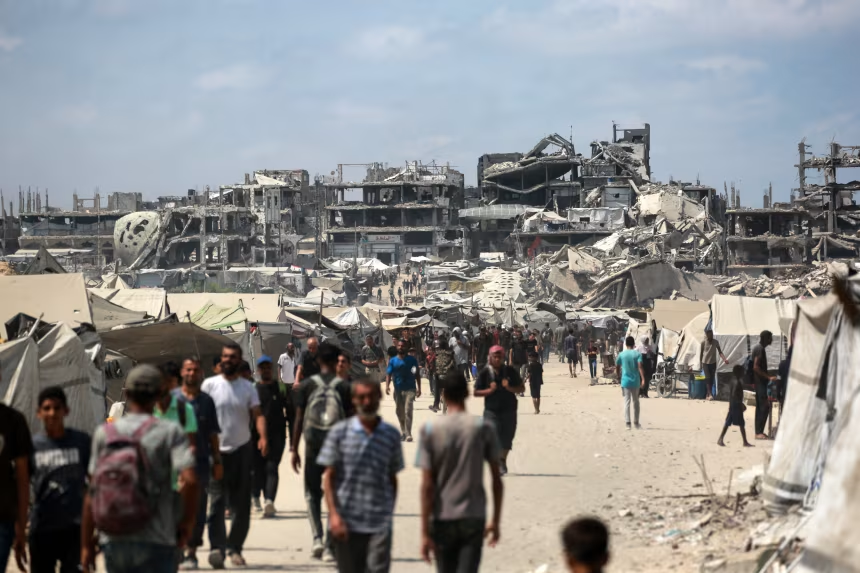
US suspends visitor visas for people from Gaza
Entities mentioned:
- Marco Rubio: Security, Duty, Control
- State Department: Security, Control, Duty
- Hamas: Power, Control, Influence
- Trump administration: Security, Control, Power
- Laura Loomer: Moral outrage, Influence, Fear
- HEAL Palestine: Duty, Compassion, Justice
- Donald Trump: Power, Influence, Recognition
- Benjamin Netanyahu: Power, Control, Security
Article Assessment:
Credibility Score: 65/100
Bias Rating: 55/100 (Center)
Sentiment Score: 30/100
Authoritarianism Risk: 65/100 (Authoritarian Tendencies)
Bias Analysis:
The article presents multiple viewpoints, including government officials and humanitarian organizations. However, it gives more space to the administration's perspective, while critiques are less elaborated.
Key metric: Immigration and Border Control Effectiveness
As a social scientist, I analyze that this policy change reflects a significant shift in the US approach to humanitarian visas for Palestinians, particularly those from Gaza. The suspension of visitor visas, justified by alleged links to terrorist groups, indicates a prioritization of national security concerns over humanitarian considerations. This decision may have far-reaching implications for US-Palestine relations, humanitarian aid efforts, and the perception of the US in the international community. The involvement of far-right figures like Laura Loomer suggests potential political motivations beyond stated security concerns. The contrast between Trump's acknowledgment of the humanitarian crisis and this policy decision highlights the complex interplay between foreign policy, domestic politics, and humanitarian obligations. This move could potentially exacerbate the humanitarian situation in Gaza while altering the US's role in providing medical aid to conflict-affected populations.
- Read more about US suspends visitor visas for people from Gaza
- Log in to post comments
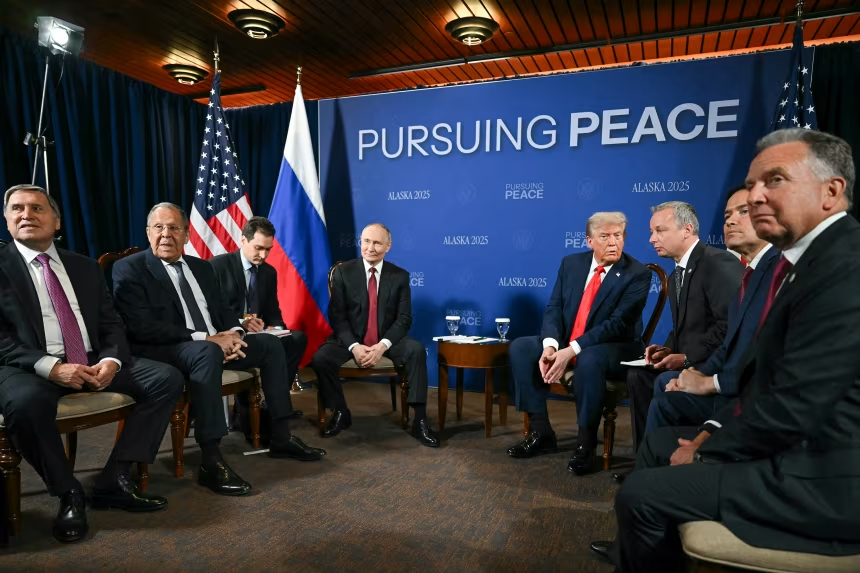
White House signals strong momentum toward peace in Ukraine but many questions linger
Entities mentioned:
- Donald Trump: Power, Influence, Legacy
- Steve Witkoff: Duty, Influence, Professional pride
- Vladimir Putin: Power, Control, Self-preservation
- Volodymyr Zelensky: Self-preservation, Unity, Security
- Marco Rubio: Professional pride, Duty, Wariness
- Russia: Power, Control, Self-preservation
- Ukraine: Self-preservation, Security, Freedom
- United States: Influence, Power, Security
- European leaders: Security, Unity, Influence
- NATO: Security, Unity, Deterrence
Article Assessment:
Credibility Score: 65/100
Bias Rating: 55/100 (Center)
Sentiment Score: 55/100
Authoritarianism Risk: 35/100 (Generally Democratic)
Bias Analysis:
The article presents multiple perspectives and quotes from various sources, indicating an attempt at balanced reporting. However, there's a slight emphasis on Trump's role and statements, which could suggest a minor center-right lean.
Key metric: International Conflict Resolution Index
As a social scientist, I analyze that this article highlights a complex diplomatic situation involving multiple stakeholders with competing interests. The potential for a peace agreement in Ukraine appears to be gaining momentum, but significant challenges remain. The US, under Trump's leadership, is attempting to broker a deal between Russia and Ukraine, with European allies involved. The article suggests progress in security guarantees and potential land concessions, but also reveals tensions between immediate ceasefire goals and broader peace agreement ambitions. The credibility of Russian commitments and the willingness of Ukraine to accept certain conditions are key factors that could impact the success of these negotiations. This situation could significantly affect global stability and the International Conflict Resolution Index, as a successful resolution could set a precedent for diplomatic solutions to similar conflicts, while failure could exacerbate tensions and potentially lead to further military escalation.
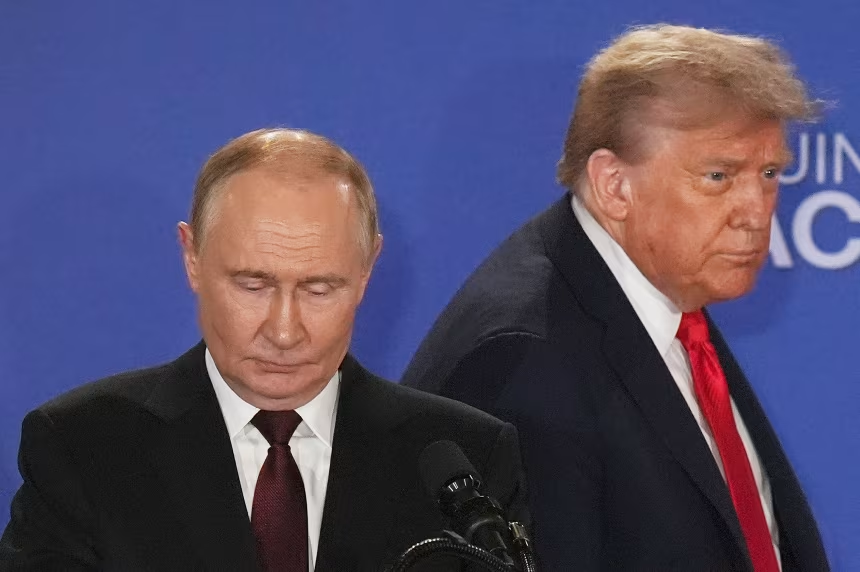
Trump’s empty threats on Russia sanctions
Entities mentioned:
- Donald Trump: Power, Control, Recognition
- Vladimir Putin: Power, Control, Self-preservation
- Volodymyr Zelensky: Unity, Self-preservation, Determination
- Barack Obama: Legacy, Influence, Justice
- Marco Rubio: Influence, Professional pride, Duty
- Lindsey Graham: Influence, Competitive spirit, Duty
- Mike Pence: Ambition, Loyalty, Influence
Article Assessment:
Credibility Score: 75/100
Bias Rating: 45/100 (Center)
Sentiment Score: 35/100
Authoritarianism Risk: 25/100 (Generally Democratic)
Bias Analysis:
The article presents a balanced view, including multiple perspectives and factual information. While critical of Trump's actions, it also provides context and explanations for potential strategy changes, maintaining a relatively centrist approach.
Key metric: Foreign Policy Effectiveness
As a social scientist, I analyze that this article highlights a significant shift in Trump's foreign policy approach towards Russia, particularly regarding sanctions. The repeated threats of sanctions without follow-through undermines U.S. credibility on the international stage. This inconsistency between rhetoric and action could weaken the U.S.'s negotiating position and its ability to influence global events, especially concerning the ongoing conflict in Ukraine. The article suggests that Trump's current stance may be giving Putin more time and leverage, potentially prolonging the conflict. This situation could lead to a decrease in the perceived effectiveness of U.S. foreign policy, as allies and adversaries may question the reliability of U.S. commitments and threats.
- Read more about Trump’s empty threats on Russia sanctions
- Log in to post comments
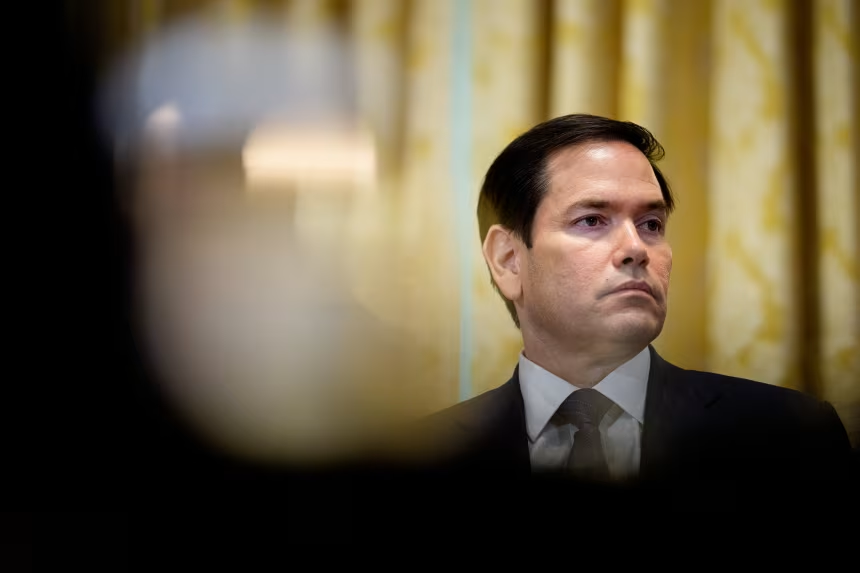
US State Department has revoked more than 6,000 student visas, official says
Entities mentioned:
- State Department: Security, Control, Duty
- Trump administration: Security, Control, Nationalism
- Rumeysa Ozturk: Freedom, Justice, Self-preservation
- Marco Rubio: Loyalty, Security, Righteousness
- NAFSA: Association of International Educators: Professional pride, Concern, Influence
Article Assessment:
Credibility Score: 75/100
Bias Rating: 55/100 (Center)
Sentiment Score: 30/100
Authoritarianism Risk: 65/100 (Authoritarian Tendencies)
Bias Analysis:
The article presents multiple perspectives, including government officials and educational organizations. While it leans slightly towards criticizing the policy, it also provides space for the administration's justifications.
Key metric: International Student Enrollment
As a social scientist, I analyze that the revocation of over 6,000 student visas by the US State Department represents a significant shift in immigration policy with potential far-reaching consequences. This action, part of a broader crackdown on international students, is likely to impact the United States' position as a global leader in higher education. The justifications provided for these revocations, ranging from expired visas to allegations of terrorism support, suggest a tightening of national security measures. However, the broad scope and aggressive implementation of these policies may lead to unintended consequences, including a substantial decline in international student enrollment and subsequent economic losses. The new vetting requirements, including scrutiny of social media profiles, raise concerns about privacy and potential ideological screening. This shift could potentially damage the US's soft power and cultural influence globally, as well as its ability to attract top international talent. The projected 30-40% decline in new international student enrollment could have significant economic impacts, affecting not only universities but also local economies that benefit from international students' presence.
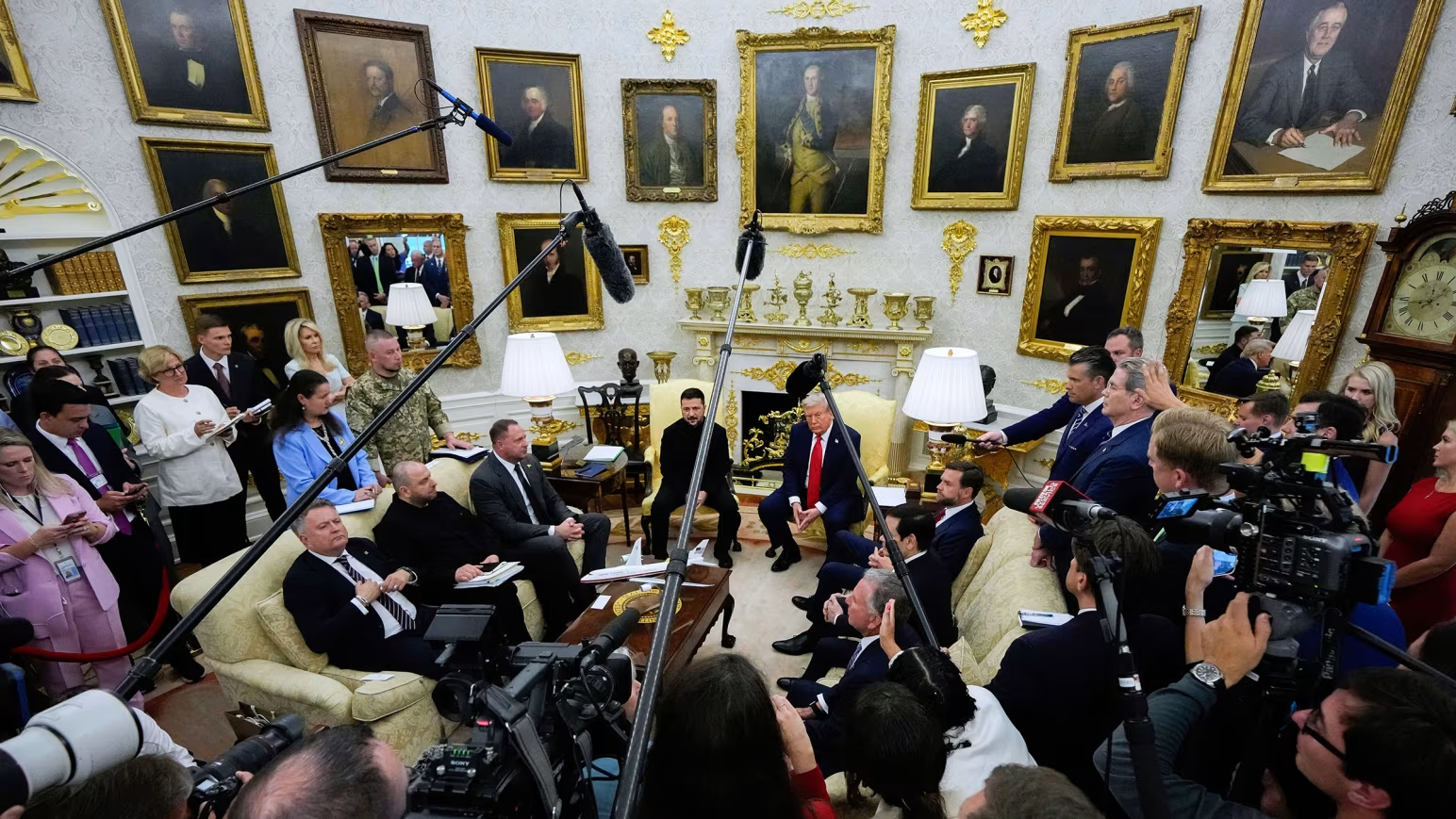
Takeaways from Trump’s meetings with Zelensky and European leaders
Entities mentioned:
- Donald Trump: Power, Influence, Legacy
- Volodymyr Zelensky: Security, Determination, Unity
- Vladimir Putin: Power, Control, Influence
- Emmanuel Macron: Unity, Influence, Security
- Friedrich Merz: Unity, Security, Duty
- JD Vance: Loyalty, Duty, Influence
- Marco Rubio: Duty, Influence, Ambition
- Steve Witkoff: Duty, Loyalty, Influence
Article Assessment:
Credibility Score: 75/100
Bias Rating: 55/100 (Center)
Sentiment Score: 55/100
Authoritarianism Risk: 40/100 (Generally Democratic)
Bias Analysis:
The article presents a relatively balanced view of the events, including multiple perspectives from different leaders. While it focuses heavily on Trump's actions and statements, it also includes European viewpoints and Ukrainian reactions.
Key metric: Diplomatic Influence
As a social scientist, I analyze that this article highlights a significant shift in U.S. foreign policy approach towards the Russia-Ukraine conflict. Trump's willingness to consider U.S. troop involvement in security guarantees for Ukraine marks a departure from his previous isolationist stance. This change could potentially increase U.S. diplomatic influence in Europe and alter the dynamics of peace negotiations. The hastily arranged meetings with European leaders and Zelensky demonstrate the urgency of the situation and the central role the U.S. is playing in peace efforts. However, Trump's reversal on the need for an immediate ceasefire indicates a potential misalignment with European allies, which could impact the cohesiveness of the Western response to the conflict. The article also reveals the delicate balance of personal diplomacy, as evidenced by the improved atmosphere in the Zelensky-Trump meeting compared to their previous encounter.
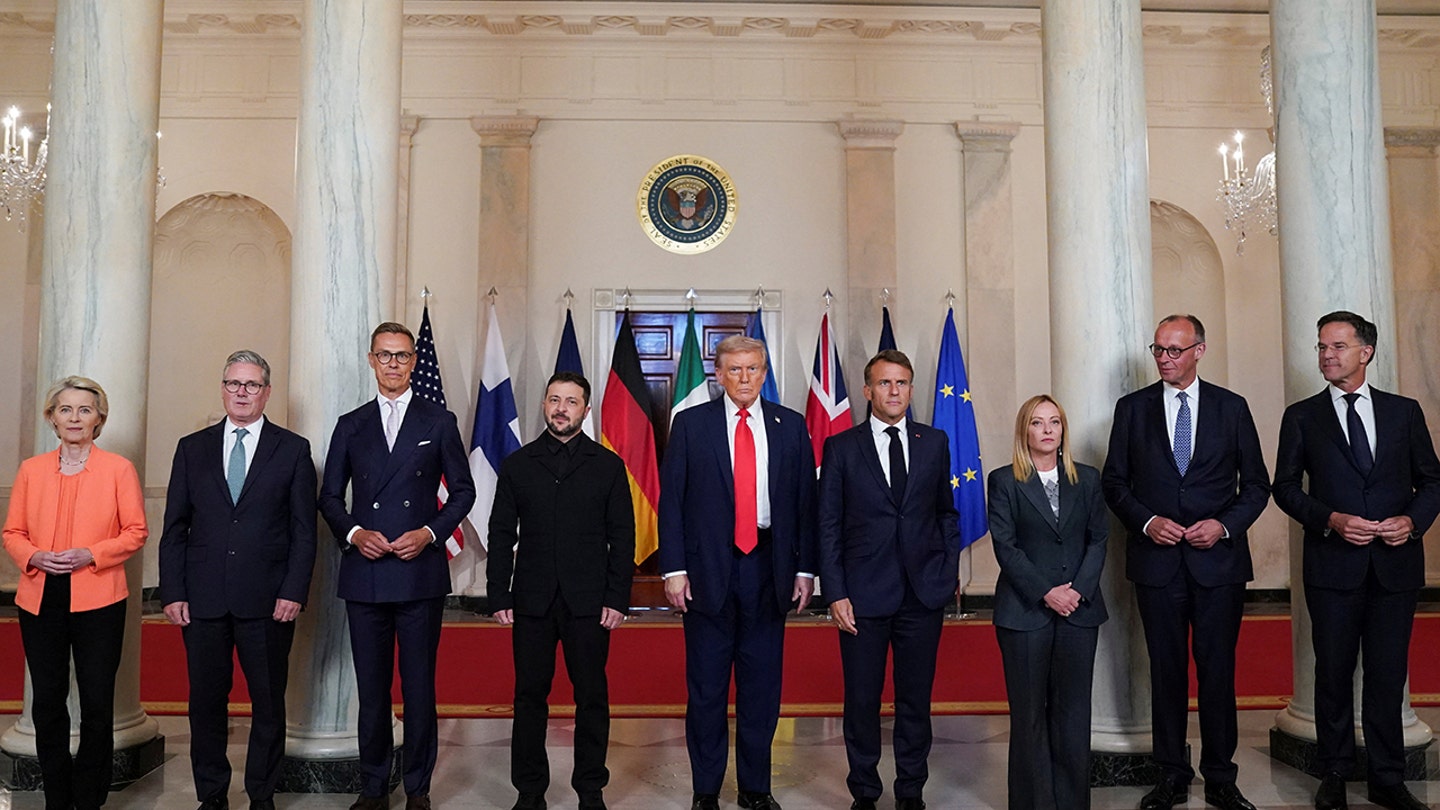
Trump calls White House talks 'very good, early step' toward Russia-Ukraine peace: Here's what's next
Entities mentioned:
- Donald Trump: Influence, Legacy, Recognition
- Volodymyr Zelenskyy: Self-preservation, Unity, Security
- Vladimir Putin: Power, Control, Influence
- JD Vance: Duty, Professional pride
- Marco Rubio: Duty, Influence
- Steve Witkoff: Duty, Professional pride
- Friedrich Merz: Righteousness, Influence
Article Assessment:
Credibility Score: 65/100
Bias Rating: 65/100 (Lean Right)
Sentiment Score: 60/100
Authoritarianism Risk: 40/100 (Generally Democratic)
Bias Analysis:
The article leans right, focusing heavily on Trump's role and quoting him extensively. While it includes other perspectives, the framing tends to portray Trump's efforts in a positive light.
Key metric: International Conflict Resolution
As a social scientist, I analyze that this article portrays a significant shift in the dynamics of the Russia-Ukraine conflict, with Trump positioning himself as a key mediator. The potential for direct talks between Putin and Zelenskyy, facilitated by Trump, represents a major diplomatic development. However, the article also highlights the complexities involved, including the sensitive issue of territorial concessions and the divergent security interests of Ukraine and Russia. The emphasis on European nations providing security guarantees, with U.S. support primarily through arms sales, indicates a potential realignment of international involvement in the conflict. This approach could have far-reaching implications for U.S. foreign policy and global power dynamics.