Today in FocusStephen Miller, Trump’s immigration mastermind – podcast
Entities mentioned:
- Stephen Miller: Influence, Control, Power
- Donald Trump: Power, Control, Legacy
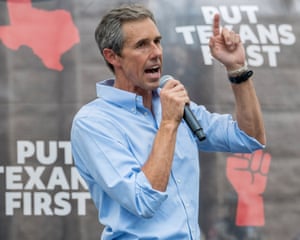
- Beto O'Rourke's group: Influence, Justice, Unity
- Marco Rubio: Influence, Duty, Security
- Democratic cities: Self-preservation, Unity, Security
- Democratic socialists: Ambition, Justice, Influence
- Zohran Mamdani: Ambition, Justice, Recognition
- Ghislaine Maxwell: Self-preservation, Fear, Control
Article Assessment:
Credibility Score: 70/100
Bias Rating: 40/100 (Lean Left)
Sentiment Score: 35/100
Authoritarianism Risk: 55/100 (Mixed/Neutral)
Bias Analysis:
The article compilation leans slightly left, evidenced by the focus on Democratic perspectives and critical tone towards Trump administration policies. However, it does include diverse viewpoints and topics, maintaining a degree of balance.
Key metric: Political Polarization Index
As a social scientist, I analyze that this article compilation reflects increasing political tensions and polarization in the United States. The various topics covered, from immigration policies to international relations and domestic security concerns, highlight the complex challenges facing the nation. The restraining order against Beto O'Rourke's group and the preparation of Democratic cities for potential federal intervention indicate growing distrust between different levels of government and political factions. The mention of Democratic socialists' perceived winning streak suggests a potential shift in political ideologies. The focus on Trump's actions and statements, both domestically and internationally, continues to be a central theme in US politics, further dividing public opinion. This amalgamation of issues and conflicts is likely to exacerbate political polarization, making it increasingly difficult to find common ground on critical national issues.

State Department stops issuing all visitor visas for individuals from Gaza
Entities mentioned:
- State Department: Security, Control, Duty
- Marco Rubio: Security, Righteousness, Duty
- Hamas: Power, Control, Revenge
- Trump administration: Security, Control, Nationalism
- France: Security, Justice, Self-preservation
- Jean-Noël Barrot: Security, Justice, Duty
- Nour Attaalah: Self-preservation, Fear, Loyalty
- Palestinian Central Bureau of Statistics: Professional pride, Duty, Recognition
Article Assessment:
Credibility Score: 75/100
Bias Rating: 55/100 (Center)
Sentiment Score: 30/100
Authoritarianism Risk: 55/100 (Mixed/Neutral)
Bias Analysis:
The article presents a relatively balanced view, including perspectives from multiple sources and countries. However, there's a slight lean towards emphasizing security concerns over humanitarian aspects, which could be interpreted as a centrist to slightly right-leaning position.
Key metric: Immigration and Border Security
As a social scientist, I analyze that this article highlights a significant shift in U.S. immigration policy towards individuals from Gaza, reflecting heightened security concerns and stricter vetting processes. The sudden halt in visitor visas suggests a reactive measure to potential security threats, possibly linked to the ongoing Israel-Hamas conflict. This policy change aligns with a broader trend of increased scrutiny in visa issuance, as evidenced by the Trump administration's prior actions and similar measures taken by other countries like France. The impact on the Immigration and Border Security metric is substantial, as it demonstrates a tightening of borders and more stringent control over who enters the country, particularly from conflict-prone regions. This could lead to reduced immigration numbers from certain areas and potentially affect diplomatic relations. The article also touches on the broader humanitarian implications of the ongoing conflict, as indicated by the population decline in Gaza, which adds complexity to the immigration issue.
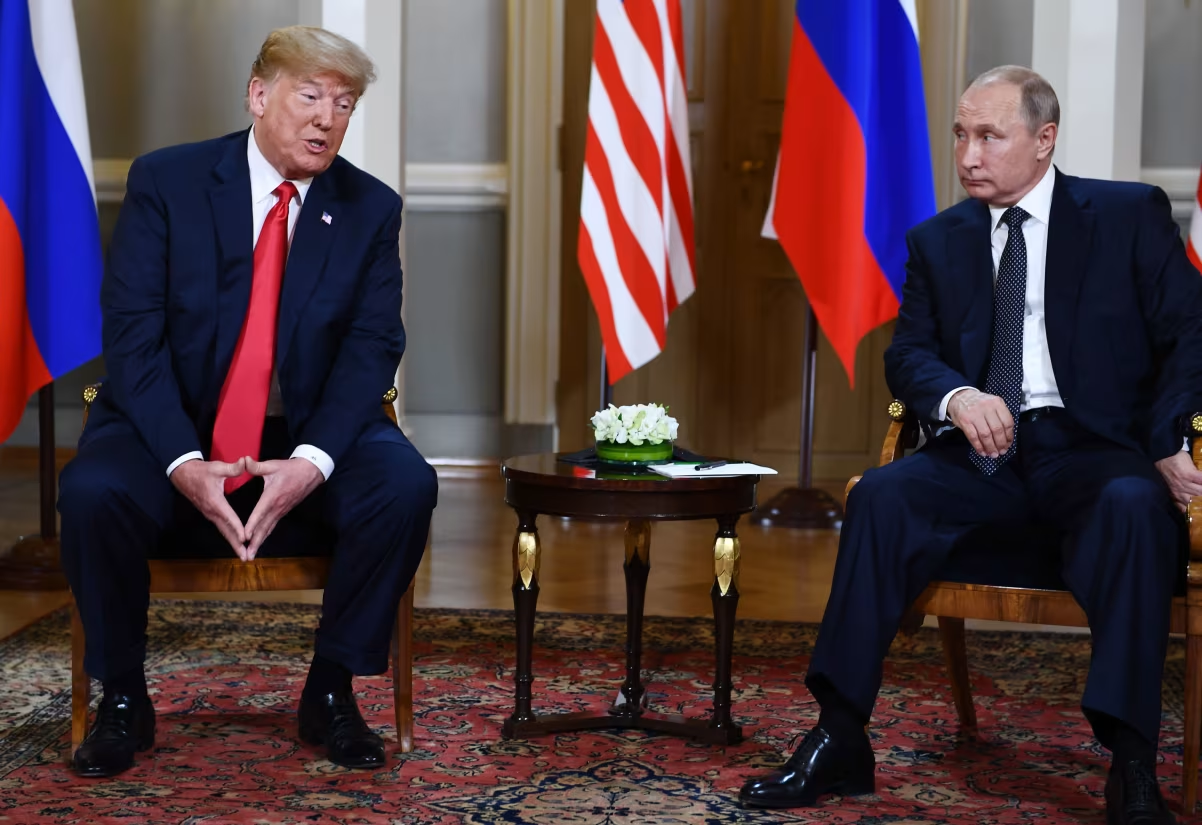
Fooled by Putin again? Trump’s rhetoric suggests he could be
Entities mentioned:
- Donald Trump: Power, Recognition, Legacy
- Vladimir Putin: Control, Power, Influence
- Karoline Leavitt: Duty, Loyalty, Professional pride
- Marco Rubio: Duty, Professional pride, Influence
- Volodymyr Zelensky: Self-preservation, Unity, Justice
- Melania Trump: Loyalty, Self-preservation, Wariness
Article Assessment:
Credibility Score: 75/100
Bias Rating: 35/100 (Lean Left)
Sentiment Score: 30/100
Authoritarianism Risk: 25/100 (Generally Democratic)
Bias Analysis:
The article leans slightly left, evidenced by its critical tone towards Trump's handling of Putin and Russia. While it presents factual information, the framing and language choices suggest a skeptical view of Trump's diplomatic abilities.
Key metric: International Relations and Diplomacy
As a social scientist, I analyze that this article highlights the complex dynamics of US-Russia relations, particularly focusing on President Trump's approach to diplomacy with Vladimir Putin. The article suggests that Trump's rhetoric and actions regarding Putin have been inconsistent and potentially naive, raising concerns about his ability to negotiate effectively. The frequent shifts in Trump's stance on Putin, from warm praise to criticism, indicate a lack of a coherent strategy in dealing with Russia. This inconsistency could potentially weaken the US position in international diplomacy and affect its relationships with allies. The article also points to a disconnect between Trump's public statements and the realities of the situation in Ukraine, which could undermine US credibility on the global stage. The low public confidence in Trump's ability to make wise decisions about the Ukraine war further compounds these concerns, potentially affecting the US's soft power and diplomatic influence.
State Department human rights report scaled back, omits details on abuses in politically allied countries
Entities mentioned:
- US State Department: Control, Influence, Duty
- Trump administration: Power, Control, Influence
- Marco Rubio: Loyalty, Power, Influence
- Michael Honigstein: Professional pride, Duty, Righteousness
- Tammy Bruce: Loyalty, Duty, Control
- El Salvador government: Power, Control, Self-preservation
- Israeli government: Self-preservation, Power, Control
- Hamas: Power, Control, Revenge
- Russian government: Power, Control, Influence
- Chinese government: Power, Control, Unity
Article Assessment:
Credibility Score: 65/100
Bias Rating: 55/100 (Center)
Sentiment Score: 30/100
Authoritarianism Risk: 55/100 (Mixed/Neutral)
Bias Analysis:
The article presents multiple perspectives and cites specific examples of changes in the report. However, it leans slightly critical of the administration's approach, which may reflect a slight center-left bias in framing.
Key metric: Global Democracy Index
As a social scientist, I analyze that the significant reduction in detail and criticism within the State Department's human rights report suggests a shift in US foreign policy priorities. This change appears to downplay human rights concerns in countries politically aligned with the current administration, potentially impacting the Global Democracy Index. The omission of specific sections on issues like LGBTQ+ rights, women's rights, and racial violence indicates a narrowing focus on human rights reporting. This could lead to decreased international pressure on human rights violators and potentially embolden authoritarian regimes. The report's streamlining may reduce its effectiveness as a tool for human rights advocacy and diplomatic leverage, potentially weakening the US's role in promoting global democracy and human rights standards.
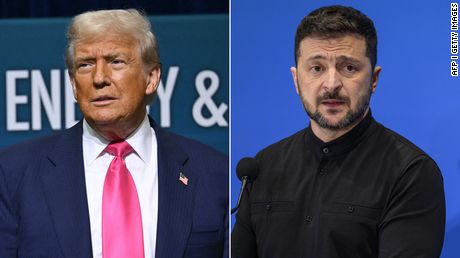
White House hasn’t ruled out Zelensky being in Alaska during Trump-Putin meeting on Friday
Entities mentioned:
- Donald Trump: Power, Legacy, Recognition
- Vladimir Putin: Power, Control, Influence
- JD Vance: Duty, Loyalty, Influence
- Volodymyr Zelensky: Self-preservation, Determination, Unity
- European leaders: Security, Influence, Unity
- Steve Witkoff: Duty, Influence, Professional pride
- Friedrich Merz: Unity, Influence, Security
- Marco Rubio: Duty, Influence, Professional pride
Article Assessment:
Credibility Score: 75/100
Bias Rating: 45/100 (Center)
Sentiment Score: 35/100
Authoritarianism Risk: 40/100 (Generally Democratic)
Bias Analysis:
The article presents multiple perspectives, including those of US, European, and Ukrainian officials, providing a balanced view. While it highlights concerns about Trump's approach, it also includes the administration's stance, maintaining a relatively neutral tone.
Key metric: International Diplomacy Effectiveness
As a social scientist, I analyze that this article highlights a significant shift in diplomatic dynamics surrounding the Russia-Ukraine conflict. The sudden announcement of a Trump-Putin meeting without clear inclusion of Ukraine or European allies raises concerns about the US's approach to resolving the conflict. This development could potentially impact the effectiveness of international diplomacy by sidelining key stakeholders and altering established negotiation frameworks. The rushed nature of the summit and the lack of transparency about its contents have prompted a flurry of diplomatic activity from European leaders, indicating a potential weakening of transatlantic cooperation. The exclusion of Zelensky from initial plans could undermine Ukraine's position and sovereignty in peace negotiations. This situation tests the cohesion of Western allies and their ability to present a united front in dealing with Russia, which could have long-term implications for global geopolitical balance and conflict resolution strategies.
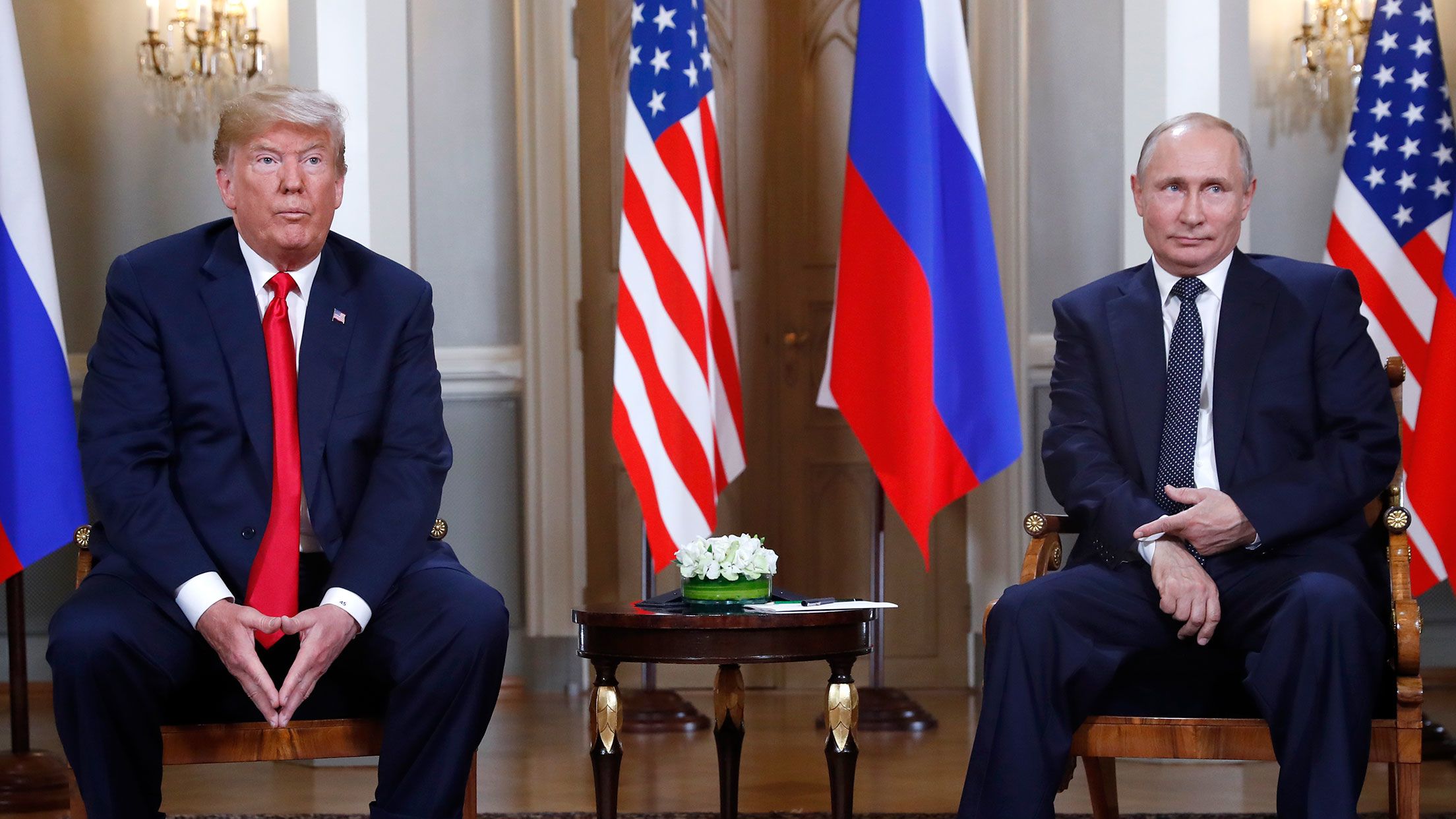
Trump says he’ll meet Putin in Alaska next week
Entities mentioned:
- Donald Trump: Ambition, Power, Legacy
- Vladimir Putin: Power, Control, Influence
- Volodymyr Zelensky: Determination, Loyalty, Self-preservation
- Steve Witkoff: Duty, Influence, Obligation
- Marco Rubio: Duty, Influence, Professional pride
- Yury Ushakov: Duty, Loyalty, Professional pride
Article Assessment:
Credibility Score: 75/100
Bias Rating: 45/100 (Center)
Sentiment Score: 45/100
Authoritarianism Risk: 55/100 (Mixed/Neutral)
Bias Analysis:
The article presents multiple viewpoints and sources, including Trump, Putin, Zelensky, and European officials. It maintains a relatively neutral tone, though it does highlight some concerns about the proposed peace deal.
Key metric: International Relations and Diplomacy
As a social scientist, I analyze that this article highlights a significant shift in US-Russia relations and potential global geopolitical dynamics. The proposed meeting between Trump and Putin, along with the suggested peace deal for Ukraine, could have far-reaching implications for international diplomacy, territorial sovereignty, and the balance of power in Eastern Europe. The article reveals complex negotiations involving multiple stakeholders, each with their own motivations and constraints. The potential territorial concessions from Ukraine are particularly contentious and could set a dangerous precedent for future conflicts. The article also underscores the tensions between realpolitik approaches to conflict resolution and principles of national sovereignty and international law.
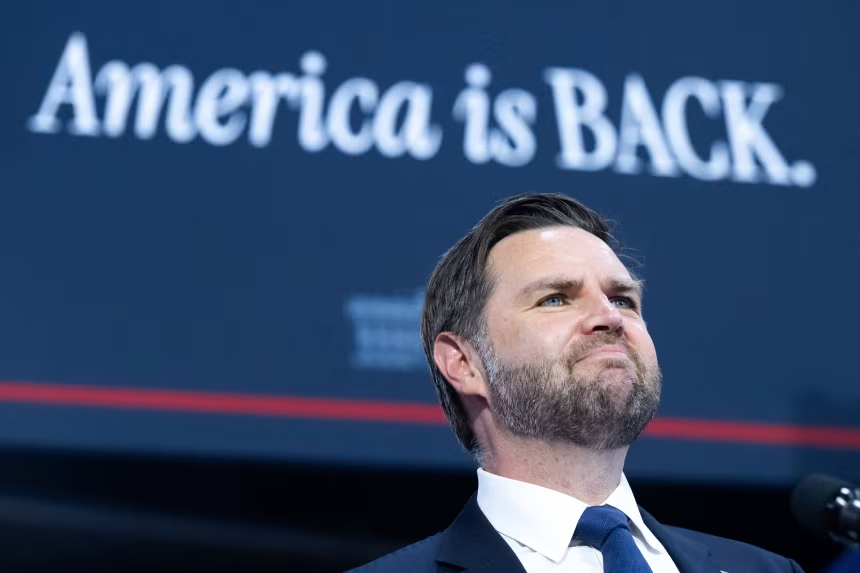
Vance embraces his growing role as Trump’s chief problem solver — and the implications for a 2028 run
Entities mentioned:
- JD Vance: Ambition, Loyalty, Power
- Donald Trump: Power, Control, Legacy
- Republican Party (GOP): Power, Influence, Unity
- Marco Rubio: Ambition, Power, Recognition
- Pete Hegseth: Duty, Professional pride, Loyalty
- Robert F. Kennedy Jr.: Ambition, Legacy, Influence
- Jack Posobiec: Influence, Loyalty, Recognition
Article Assessment:
Credibility Score: 70/100
Bias Rating: 55/100 (Center)
Sentiment Score: 60/100
Authoritarianism Risk: 45/100 (Mixed/Neutral)
Bias Analysis:
The article presents a relatively balanced view of Vance's role, including both praise and potential risks. While it leans slightly towards a positive portrayal of Vance, it also includes cautionary notes about the volatility of political fortunes.
Key metric: Presidential Approval Rating
As a social scientist, I analyze that this article highlights the growing influence of JD Vance within the Trump administration and his potential as a future presidential candidate. Vance's increasing role as a problem solver and his alignment with Trump's agenda directly impact the administration's effectiveness and, consequently, the President's approval ratings. The article suggests that Vance's political future is tightly linked to Trump's success, indicating that current approval ratings may have long-term implications for both figures. The focus on Vance's ability to navigate complex issues and maintain relationships across various political spheres demonstrates how internal dynamics within an administration can significantly influence public perception and support.
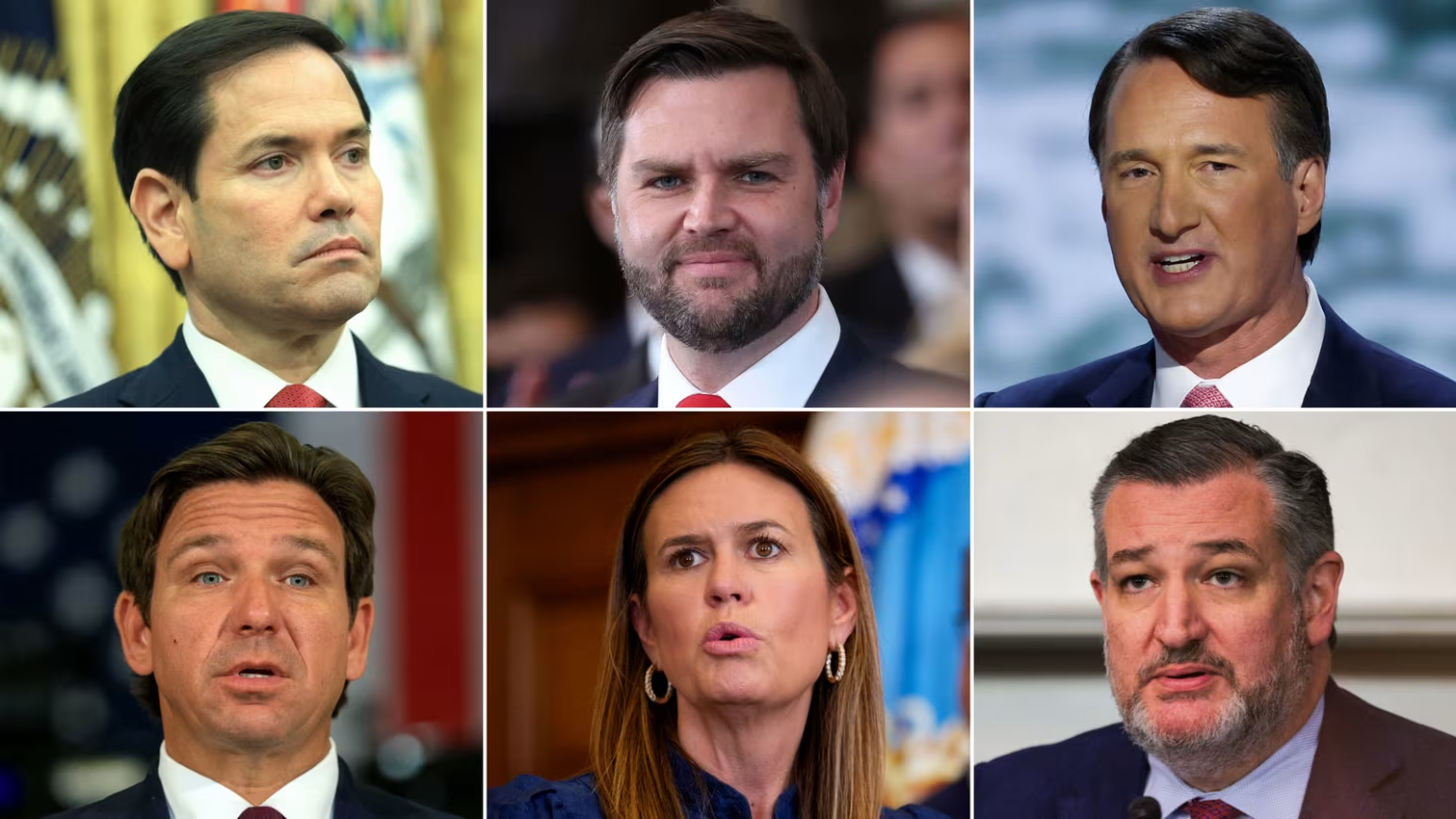
Republicans are (quietly) making 2028 moves
Entities mentioned:
- Donald Trump: Power, Influence, Legacy
- JD Vance: Ambition, Loyalty, Recognition
- Marco Rubio: Ambition, Professional pride, Recognition
- Glenn Youngkin: Ambition, Competitive spirit, Recognition
- Sarah Huckabee Sanders: Loyalty, Ambition, Recognition
- Ted Cruz: Ambition, Competitive spirit, Recognition
- Josh Hawley: Ambition, Influence, Recognition
- Republican Party: Power, Control, Unity
Article Assessment:
Credibility Score: 75/100
Bias Rating: 55/100 (Center)
Sentiment Score: 50/100
Authoritarianism Risk: 35/100 (Generally Democratic)
Bias Analysis:
The article presents a balanced view of the Republican Party's internal dynamics, offering insights from various perspectives. While it focuses more on Republican strategies, it does not overtly favor or criticize any particular faction or candidate.
Key metric: Political Party Cohesion
As a social scientist, I analyze that this article highlights the complex dynamics within the Republican Party as it looks towards the 2028 presidential election. The party appears to be grappling with maintaining unity and loyalty to Trump's legacy while also allowing room for new leadership to emerge. This balancing act is likely to significantly impact party cohesion, as potential candidates must carefully navigate their ambitions without alienating Trump's base. The article suggests that the party's future direction and ideology may be shaped by how successfully candidates can align themselves with Trump's populist instincts while also distinguishing themselves as viable leaders. This delicate balance could either strengthen the party's unity around a shared vision or lead to internal fractures if competing factions emerge.
- Read more about Republicans are (quietly) making 2028 moves
- Log in to post comments
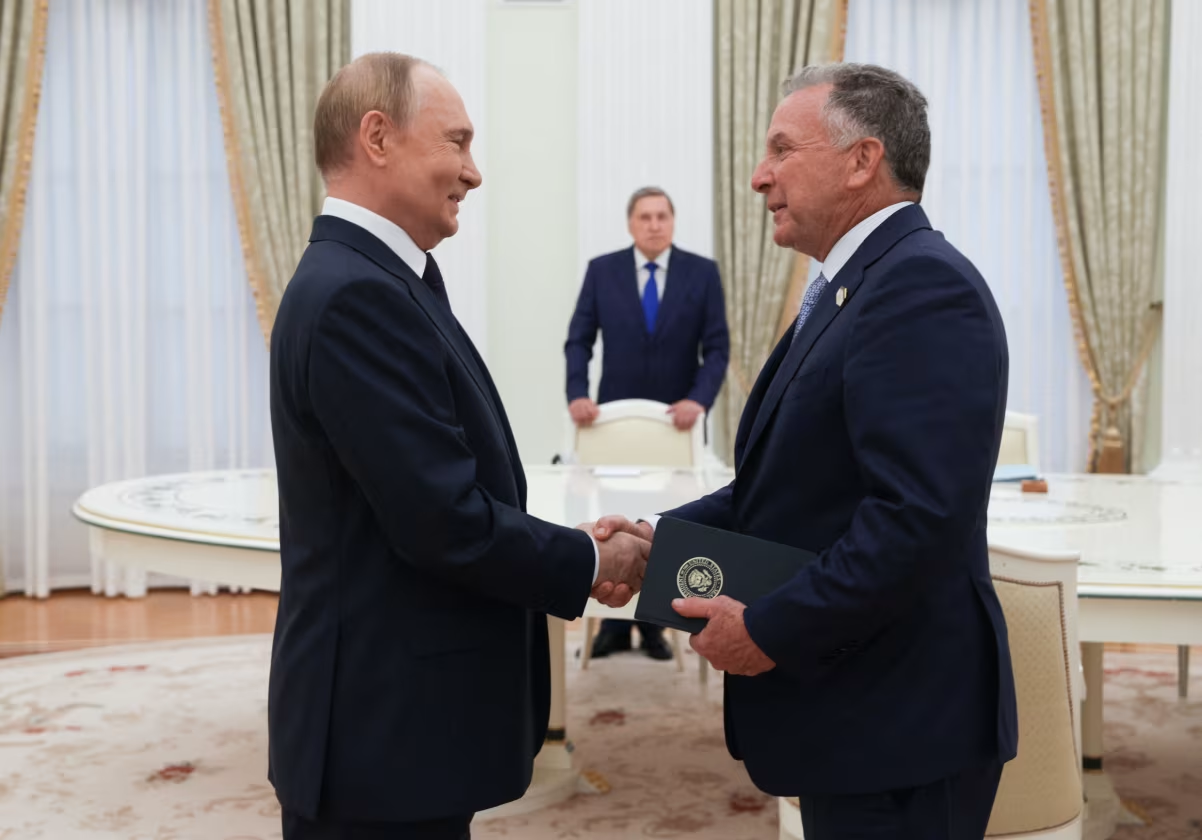
Witkoff meets with Putin as Trump’s sanctions threat looms
Entities mentioned:
- Donald Trump: Power, Control, Determination
- Steve Witkoff: Duty, Influence, Ambition
- Vladimir Putin: Power, Control, Self-preservation
- Volodymyr Zelensky: Self-preservation, Determination, Unity
- Kirill Dmitriev: Duty, Loyalty, Influence
- Dmitry Medvedev: Loyalty, Influence, Power
- Marco Rubio: Professional pride, Influence, Duty
- Scott Bessent: Duty, Influence, Professional pride
- Xi Jinping: Power, Influence, Unity
- Keith Kellogg: Duty, Influence, Professional pride
Article Assessment:
Credibility Score: 75/100
Bias Rating: 45/100 (Center)
Sentiment Score: 35/100
Authoritarianism Risk: 25/100 (Generally Democratic)
Bias Analysis:
The article presents multiple perspectives and cites various sources, including state media and unnamed officials. While it leans slightly towards a US-centric view, it attempts to provide balanced coverage of the complex situation.
Key metric: International Relations Score
As a social scientist, I analyze that this article highlights the complex dynamics of international relations, particularly between the US and Russia. The potential for new sanctions against Russia and the diplomatic efforts to avoid them demonstrate the delicate balance of power and negotiation in global politics. Trump's approach, combining threats of sanctions with diplomatic outreach, reflects a strategy of creating leverage. The involvement of other countries like China and India in Russian energy purchases adds layers of complexity to the situation. This diplomatic dance has significant implications for global stability, economic relations, and the ongoing conflict in Ukraine.

Stanford’s student newspaper sues Trump administration over use of immigration law to target pro-Palestinian students
Entities mentioned:
- Stanford University's student-run newspaper: Justice, Freedom, Self-preservation
- Trump administration: Control, Security, Power
- State Department: Security, Control, Duty
- Homeland Security Department: Security, Control, Duty
- Foundation for Individual Rights and Expression: Justice, Freedom, Righteousness
- Marco Rubio: Power, Security, Duty
- Judge William Young: Justice, Duty, Impartiality
Article Assessment:
Credibility Score: 75/100
Bias Rating: 45/100 (Center)
Sentiment Score: 35/100
Authoritarianism Risk: 65/100 (Authoritarian Tendencies)
Bias Analysis:
The article presents multiple perspectives, including those of the plaintiffs and the government. While it appears to sympathize with the students' position, it also explains the government's rationale, maintaining a relatively balanced approach.
Key metric: Civil Liberties Index
As a social scientist, I analyze that this article highlights a significant conflict between national security interests and First Amendment rights, particularly affecting non-citizen students and academics. The lawsuit challenges the Trump administration's use of immigration law to potentially suppress pro-Palestinian speech, which could have a chilling effect on free expression in academic settings. This case exemplifies the tension between government efforts to control political narratives and the constitutional protection of free speech, even for non-citizens. The outcome of this and similar lawsuits could have far-reaching implications for the balance between national security measures and civil liberties in the United States, potentially impacting the country's Civil Liberties Index.