Travel
Entities mentioned:
- US State Department: Duty, Security, Professional pride
- Jamaica: Self-preservation, Recognition, Influence
- World Cup fans: Enthusiasm, Pride, Unity
- US Government: Security, Control, Power
Article Assessment:
Credibility Score: 75/100
Bias Rating: 55/100 (Center)
Sentiment Score: 40/100
Authoritarianism Risk: 35/100 (Generally Democratic)
Bias Analysis:
The article presents factual information from official sources, maintaining a mostly neutral tone. However, there's a slight lean towards emphasizing security concerns over tourism benefits.
Key metric: US Tourism Revenue
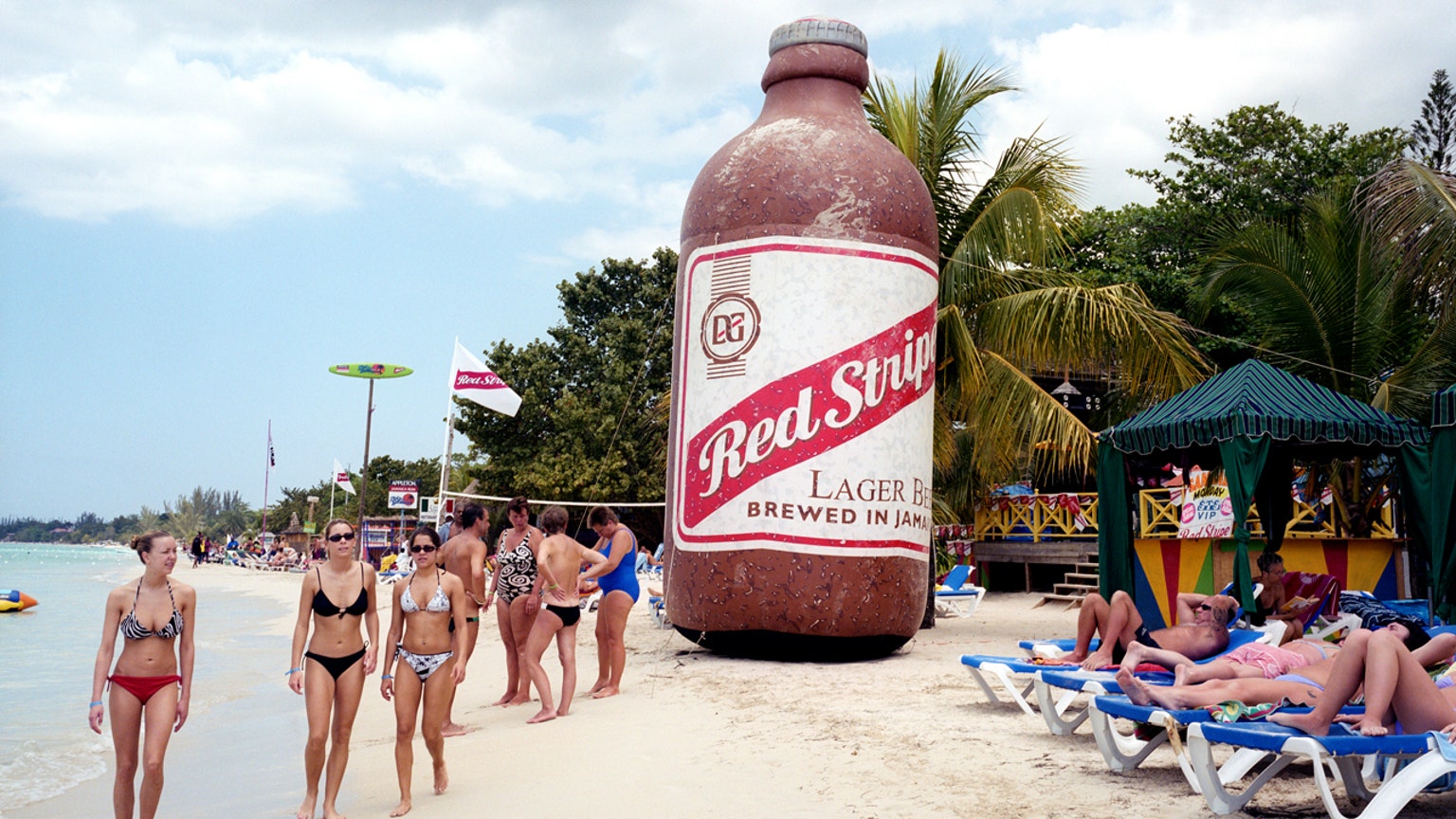
Let me tell you something - this story is a GAME-CHANGER for the tourism industry! We're seeing a real power play by the US State Department, folks. They're stepping up to the plate and adjusting their defensive strategy on Jamaica, moving them from the penalty box to the field with that Level 3 to Level 2 shift. But don't be fooled - they're still keeping a tight defense, warning about potential fouls in the form of 'sexual assaults'. Meanwhile, some World Cup superfans are getting benched before the big game even starts! The US is playing tough defense, blocking entry for supporters from certain countries. This could be a major turnover, impacting the atmosphere in the stands and potentially US tourism revenues. It's a high-stakes match between national security and tourism dollars, and I'm telling you right now, the final score is still up in the air!
- Read more about Travel
- Log in to post comments
Trump administration expands ‘good moral character’ requirement to become naturalized citizen
Entities mentioned:
- Trump administration: Control, Security, Righteousness
- US Citizenship and Immigration Services: Duty, Control, Security
- Department of Homeland Security: Security, Control, Duty
- Matthew J. Tragesser: Professional pride, Duty, Righteousness
- Emily Ryo: Professional pride, Curiosity, Wariness
- Susan Ramos: Professional pride, Justice, Wariness
- Kathrin Mautino: Professional pride, Justice, Wariness
- US State Department: Security, Control, Duty
Article Assessment:
Credibility Score: 75/100
Bias Rating: 55/100 (Center)
Sentiment Score: 35/100
Authoritarianism Risk: 65/100 (Authoritarian Tendencies)
Bias Analysis:
The article presents multiple perspectives, including government officials and immigration lawyers, providing a relatively balanced view. However, there's a slight emphasis on critical viewpoints of the policy change, which nudges it slightly left of center.
Key metric: Immigration and Naturalization Rates
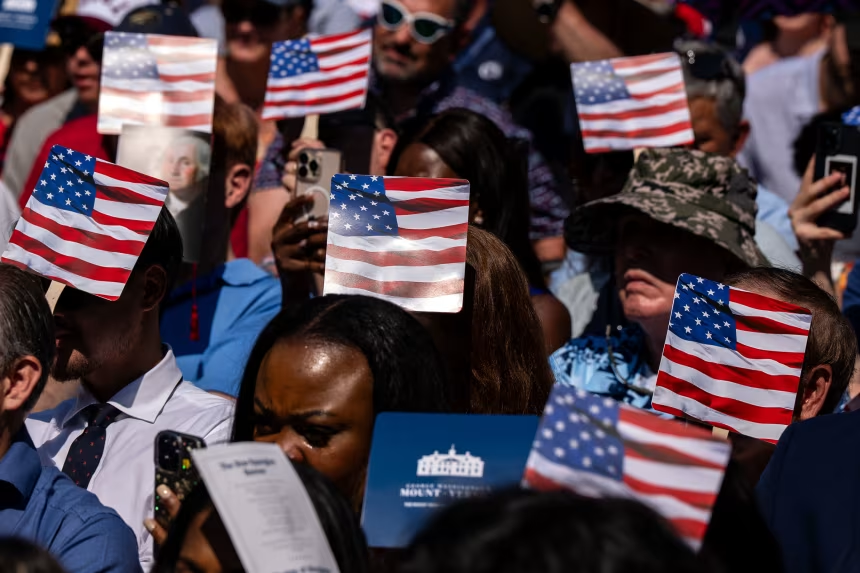
As a social scientist, I analyze that this policy change by the Trump administration significantly impacts the naturalization process for immigrants seeking US citizenship. The expanded 'good moral character' requirement introduces greater subjectivity and uncertainty into the assessment process. This may lead to decreased naturalization rates, as applicants face additional scrutiny and potential barriers. The policy shift reflects a more restrictive approach to immigration, emphasizing stringent vetting and ideological alignment with American values. This change could disproportionately affect certain immigrant groups and potentially reduce the diversity of new citizens. The long-term implications may include a slowdown in naturalization rates, changes in the demographic composition of new citizens, and increased administrative burden on the immigration system.
State Department human rights report scaled back, omits details on abuses in politically allied countries
Entities mentioned:
- US State Department: Control, Influence, Duty
- Trump administration: Power, Control, Influence
- Marco Rubio: Loyalty, Power, Influence
- Michael Honigstein: Professional pride, Duty, Righteousness
- Tammy Bruce: Loyalty, Duty, Control
- El Salvador government: Power, Control, Self-preservation
- Israeli government: Self-preservation, Power, Control
- Hamas: Power, Control, Revenge
- Russian government: Power, Control, Influence
- Chinese government: Power, Control, Unity
Article Assessment:
Credibility Score: 65/100
Bias Rating: 55/100 (Center)
Sentiment Score: 30/100
Authoritarianism Risk: 55/100 (Mixed/Neutral)
Bias Analysis:
The article presents multiple perspectives and cites specific examples of changes in the report. However, it leans slightly critical of the administration's approach, which may reflect a slight center-left bias in framing.
Key metric: Global Democracy Index
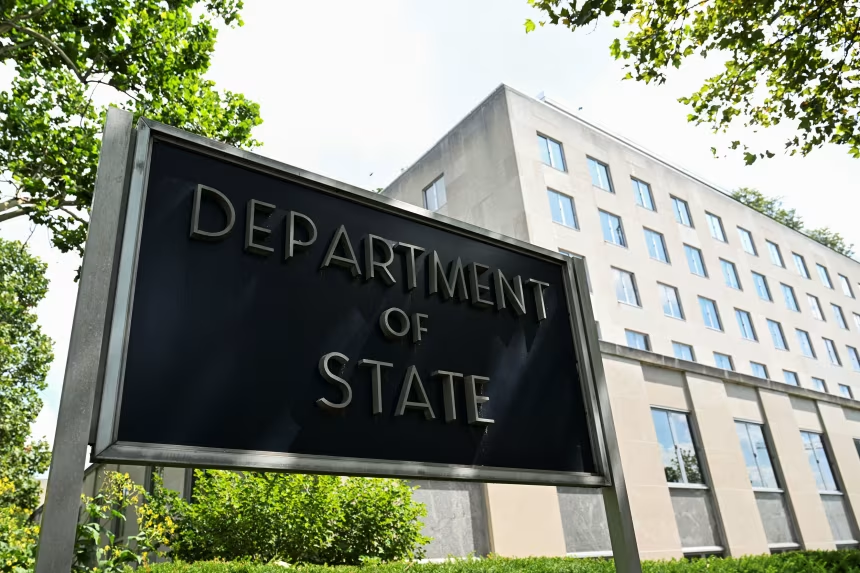
As a social scientist, I analyze that the significant reduction in detail and criticism within the State Department's human rights report suggests a shift in US foreign policy priorities. This change appears to downplay human rights concerns in countries politically aligned with the current administration, potentially impacting the Global Democracy Index. The omission of specific sections on issues like LGBTQ+ rights, women's rights, and racial violence indicates a narrowing focus on human rights reporting. This could lead to decreased international pressure on human rights violators and potentially embolden authoritarian regimes. The report's streamlining may reduce its effectiveness as a tool for human rights advocacy and diplomatic leverage, potentially weakening the US's role in promoting global democracy and human rights standards.