
Judges approve Trump’s pick as interim US Attorney in Manhattan
Entities mentioned:
- Jay Clayton: Ambition, Power, Professional pride
- Donald Trump: Control, Power, Influence
- Federal Court Judges (SDNY): Duty, Justice, Obligation
- Senators: Wariness, Control, Duty
- Alina Habba: Ambition, Power, Professional pride
- John Sarcone III: Ambition, Power, Professional pride
- Geoff Berman: Duty, Justice, Professional pride
Article Assessment:
Credibility Score: 75/100
Bias Rating: 55/100 (Center)
Sentiment Score: 45/100
Authoritarianism Risk: 35/100 (Generally Democratic)
Bias Analysis:
The article presents a fairly balanced view of the situation, including both successes and challenges in Trump's US Attorney appointments. While it notes controversies, it also acknowledges when appointments have been unchallenged, maintaining a generally neutral tone.
Key metric: Rule of Law Index
As a social scientist, I analyze that this article highlights the ongoing tension between executive power and judicial oversight in the appointment of US Attorneys. The approval of Jay Clayton by federal judges, despite his lack of prosecutorial experience, suggests a shift in the balance of power between the executive branch and the judiciary. This appointment, coupled with the resistance to other Trump nominees, indicates a complex interplay of institutional checks and balances. The article underscores the importance of judicial independence and the role of the Senate in confirming key legal positions, which directly impacts the Rule of Law Index. The varying responses of different district courts to Trump's interim appointments further illustrate the decentralized nature of the US legal system and the potential for regional variations in the application of federal law.
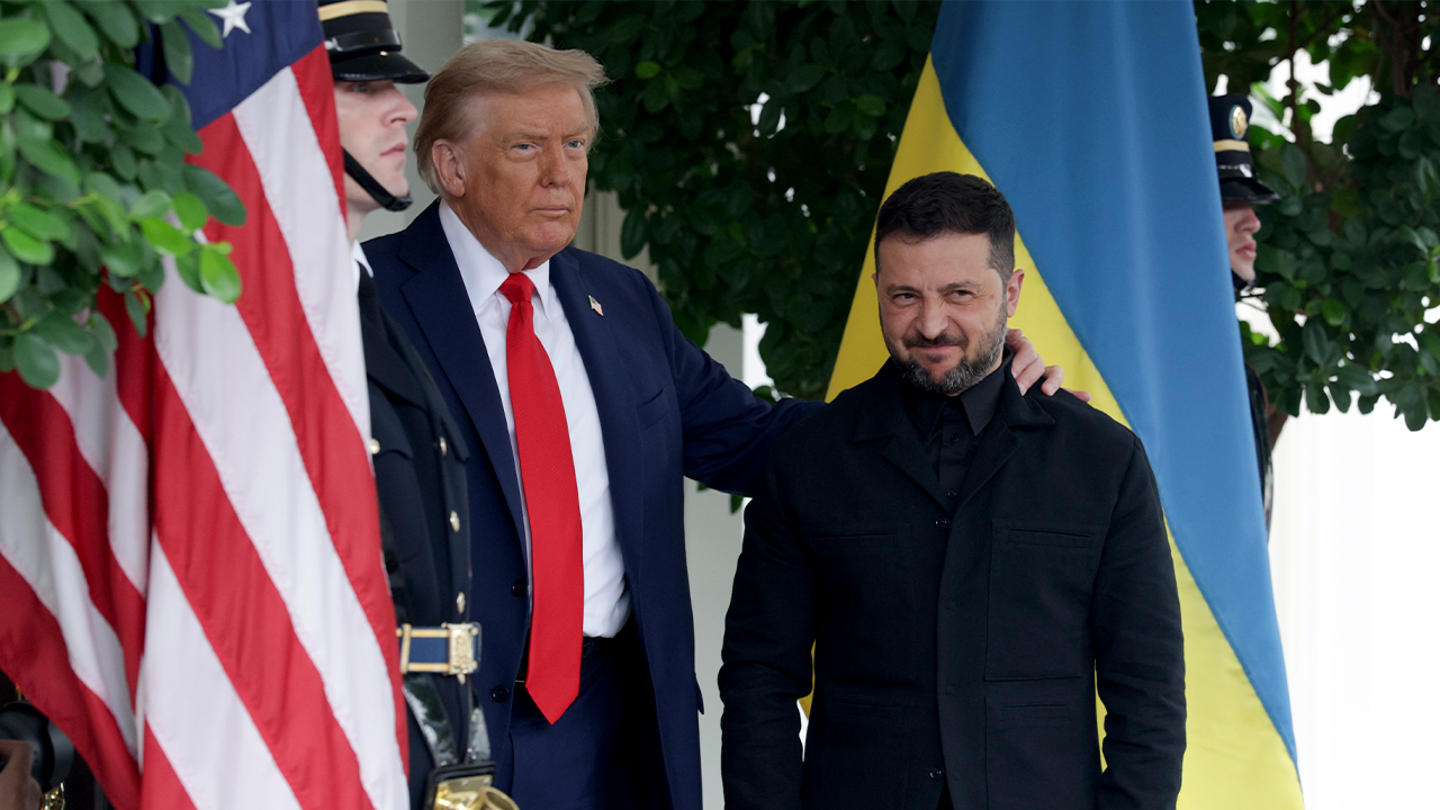
Trump: Zelenskyy meeting not 'end of the road' for US support in securing a peace deal
Entities mentioned:
- Donald Trump: Power, Influence, Legacy
- Volodymyr Zelenskyy: Security, Unity, Determination
- Vladimir Putin: Power, Control, Influence
- Keir Starmer: Duty, Unity, Influence
- Ursula Von der Leyen: Unity, Influence, Duty
- Emmanuel Macron: Influence, Unity, Legacy
- Mark Rutte: Unity, Security, Duty
- Steve Witkoff: Duty, Influence, Professional pride
Article Assessment:
Credibility Score: 70/100
Bias Rating: 55/100 (Center)
Sentiment Score: 45/100
Authoritarianism Risk: 35/100 (Generally Democratic)
Bias Analysis:
The article presents a relatively balanced view, quoting multiple sources and presenting different perspectives. However, there's a slight lean towards emphasizing Trump's role and statements, which could be seen as giving more weight to the US perspective.
Key metric: International Diplomatic Influence
As a social scientist, I analyze that this article highlights the complex diplomatic efforts to end the Russia-Ukraine conflict, with the US playing a central role. Trump's involvement in negotiations with both Ukraine and Russia, along with the presence of key European leaders, demonstrates the international importance of this issue. The potential for US troop deployment and the discussion of NATO-like protections for Ukraine indicate a significant shift in the conflict's dynamics. This development could greatly impact the US's international diplomatic influence, potentially strengthening its position as a global mediator but also risking further tensions with Russia. The article suggests a delicate balancing act between supporting Ukraine and maintaining dialogue with Russia, which could have far-reaching implications for global geopolitics and US foreign policy.