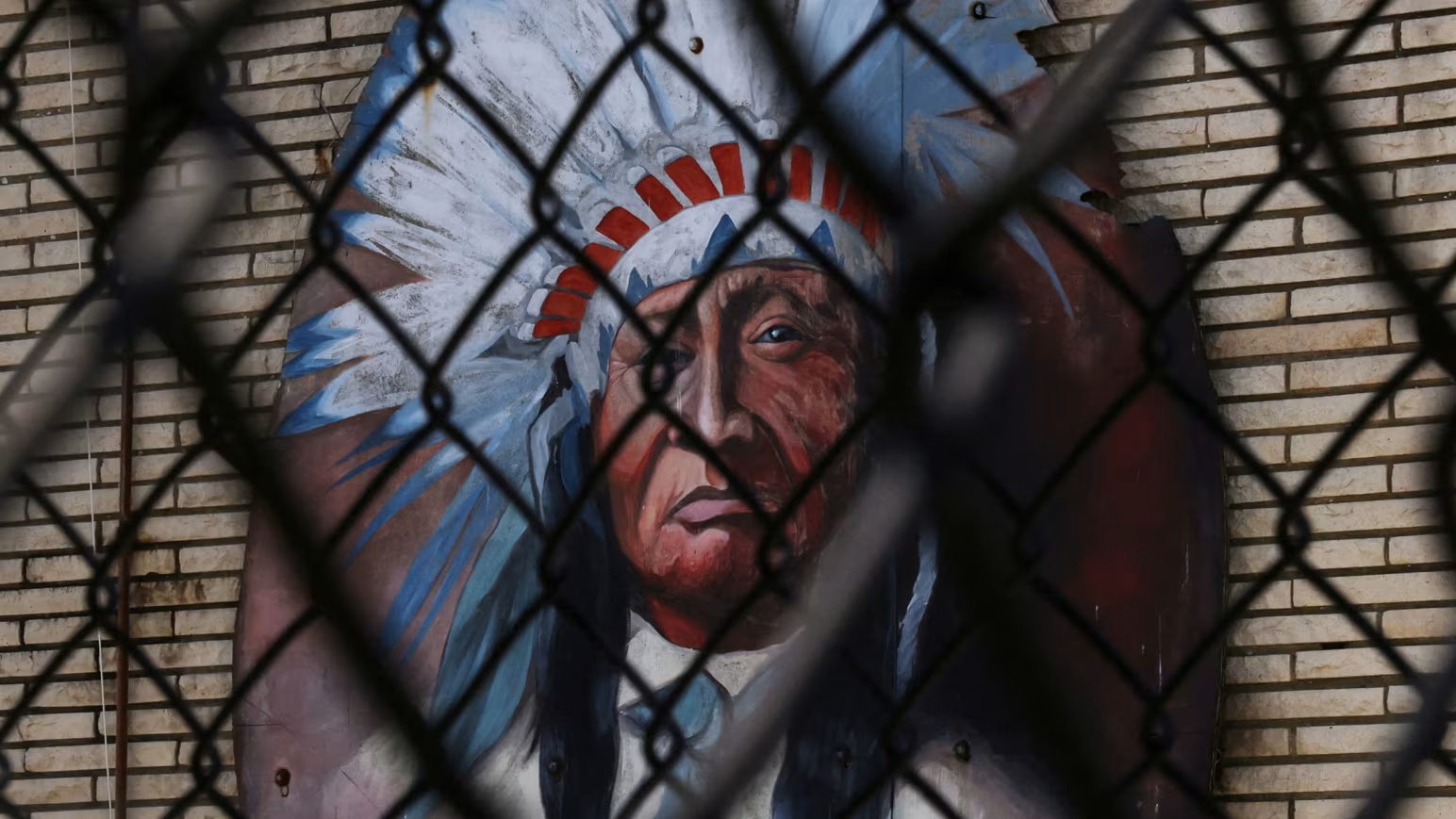
How one Long Island school district became the epicenter of Trump’s fight to preserve Native American sports mascots
Entities mentioned:
- Donald Trump: Power, Influence, Loyalty
- Massapequa School District: Pride, Loyalty, Self-preservation
- New York State Education Department: Justice, Duty, Unity
- U.S. Department of Education: Control, Influence, Righteousness
- Native American Guardians Association (NAGA): Pride, Self-preservation, Recognition
- Indigenous tribes and activists: Justice, Recognition, Self-respect
Article Assessment:
Credibility Score: 75/100
Bias Rating: 45/100 (Center)
Sentiment Score: 35/100
Authoritarianism Risk: 40/100 (Generally Democratic)
Bias Analysis:
The article presents multiple viewpoints and includes diverse sources, maintaining a generally balanced approach. However, there's a slight lean towards critiquing the pro-mascot stance, evident in the framing of some arguments and source selection.
Key metric: Civil Rights Enforcement
As a social scientist, I analyze that this article highlights a significant shift in the interpretation and application of civil rights laws, particularly Title VI. The Trump administration's intervention in the Massapequa case represents a departure from previous interpretations, potentially setting a precedent for how anti-discrimination laws are applied. This could have far-reaching implications for civil rights enforcement, educational policies, and cultural representation in public institutions. The conflict between state-level mandates and federal intervention also raises questions about federalism and the balance of power in education policy. The debate over Native American mascots touches on broader issues of cultural appropriation, historical representation, and the rights of minority groups in public spaces. The varying perspectives from different Native American groups further complicate the issue, highlighting the complexity of identity politics and representation.
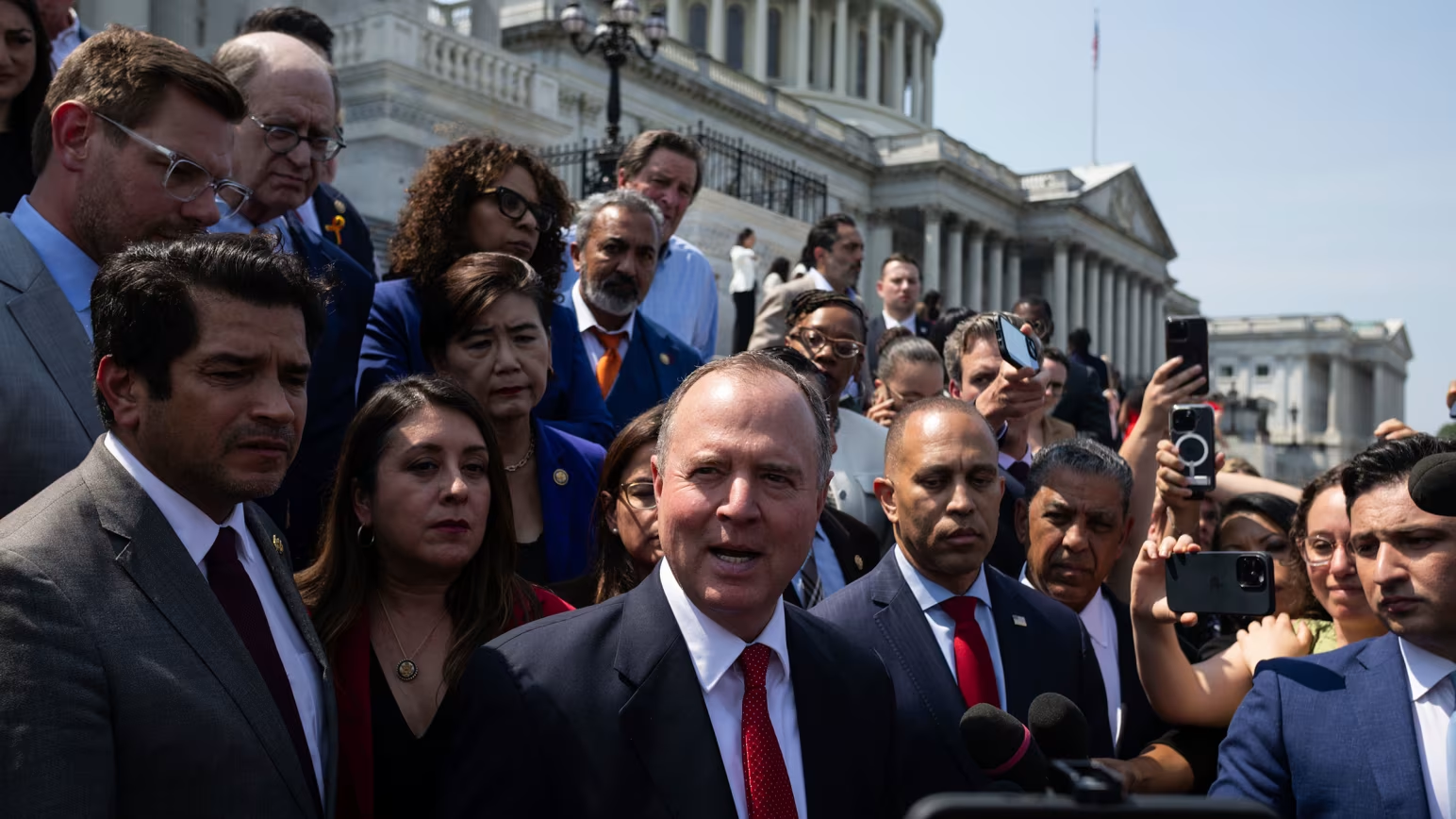
Trump uses FBI and Justice Department to escalate his long-standing feud with Adam Schiff
Entities mentioned:
- Donald Trump: Revenge, Power, Control
- Adam Schiff: Justice, Duty, Self-preservation
- Kash Patel: Loyalty, Power, Influence
- Pam Bondi: Duty, Loyalty, Professional pride
- Letitia James: Justice, Duty, Professional pride
- Preet Bharara: Justice, Professional pride, Duty
- Ed Martin: Loyalty, Professional pride, Influence
Article Assessment:
Credibility Score: 75/100
Bias Rating: 45/100 (Center)
Sentiment Score: 35/100
Authoritarianism Risk: 65/100 (Authoritarian Tendencies)
Bias Analysis:
The article presents multiple perspectives and cites various sources, maintaining a relatively balanced approach. However, there is a slight lean towards framing Trump's actions negatively, while giving more space to Schiff's defenses.
Key metric: Rule of Law Index
As a social scientist, I analyze that this article highlights a concerning trend of potential abuse of power and weaponization of federal agencies for political purposes. The use of declassified FBI documents and Justice Department investigations to target political opponents, particularly Adam Schiff, raises serious questions about the integrity of democratic institutions and the separation of powers. This situation could significantly impact the Rule of Law Index, as it demonstrates a possible erosion of checks and balances and the independence of law enforcement agencies. The apparent retaliatory nature of these actions against perceived political enemies could undermine public trust in government institutions and the fair application of justice, potentially leading to a decline in the U.S.'s standing on this metric internationally.