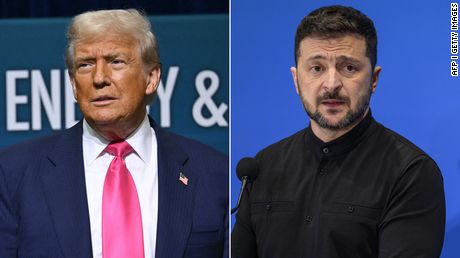
White House hasn’t ruled out Zelensky being in Alaska during Trump-Putin meeting on Friday
Entities mentioned:
- Donald Trump: Power, Legacy, Recognition
- Vladimir Putin: Power, Control, Influence
- JD Vance: Duty, Loyalty, Influence
- Volodymyr Zelensky: Self-preservation, Determination, Unity
- European leaders: Security, Influence, Unity
- Steve Witkoff: Duty, Influence, Professional pride
- Friedrich Merz: Unity, Influence, Security
- Marco Rubio: Duty, Influence, Professional pride
Article Assessment:
Credibility Score: 75/100
Bias Rating: 45/100 (Center)
Sentiment Score: 35/100
Authoritarianism Risk: 40/100 (Generally Democratic)
Bias Analysis:
The article presents multiple perspectives, including those of US, European, and Ukrainian officials, providing a balanced view. While it highlights concerns about Trump's approach, it also includes the administration's stance, maintaining a relatively neutral tone.
Key metric: International Diplomacy Effectiveness
As a social scientist, I analyze that this article highlights a significant shift in diplomatic dynamics surrounding the Russia-Ukraine conflict. The sudden announcement of a Trump-Putin meeting without clear inclusion of Ukraine or European allies raises concerns about the US's approach to resolving the conflict. This development could potentially impact the effectiveness of international diplomacy by sidelining key stakeholders and altering established negotiation frameworks. The rushed nature of the summit and the lack of transparency about its contents have prompted a flurry of diplomatic activity from European leaders, indicating a potential weakening of transatlantic cooperation. The exclusion of Zelensky from initial plans could undermine Ukraine's position and sovereignty in peace negotiations. This situation tests the cohesion of Western allies and their ability to present a united front in dealing with Russia, which could have long-term implications for global geopolitical balance and conflict resolution strategies.

Pam Bondi has a new probe into the handling of 2016 Russian meddling. John Durham already spent four years investigating it
Entities mentioned:
- Pam Bondi: Power, Loyalty, Ambition
- John Durham: Justice, Professional pride, Duty
- Donald Trump: Power, Revenge, Self-preservation
- Tulsi Gabbard: Influence, Ambition, Recognition
- Barack Obama: Legacy, Self-preservation, Righteousness
- FBI: Professional pride, Duty, Security
- CIA: Security, Professional pride, Duty
Article Assessment:
Credibility Score: 75/100
Bias Rating: 45/100 (Center)
Sentiment Score: 35/100
Authoritarianism Risk: 55/100 (Mixed/Neutral)
Bias Analysis:
The article presents multiple viewpoints and cites various sources, including critics of the new investigation. While it leans slightly towards skepticism of the new probe, it provides context from both sides, maintaining a relatively balanced perspective.
Key metric: Political Polarization Index
As a social scientist, I analyze that this article highlights the ongoing political polarization in the United States, particularly surrounding the 2016 election and Russian interference. The initiation of a new investigation by Attorney General Pam Bondi, despite previous extensive probes, suggests a continued effort to challenge established narratives. This action may further deepen the divide between political factions, potentially eroding public trust in institutions and the electoral process. The repeated investigations into the same matter, despite previous findings, indicate a pattern of using government resources for political purposes, which could have long-term implications for democratic norms and institutional integrity.