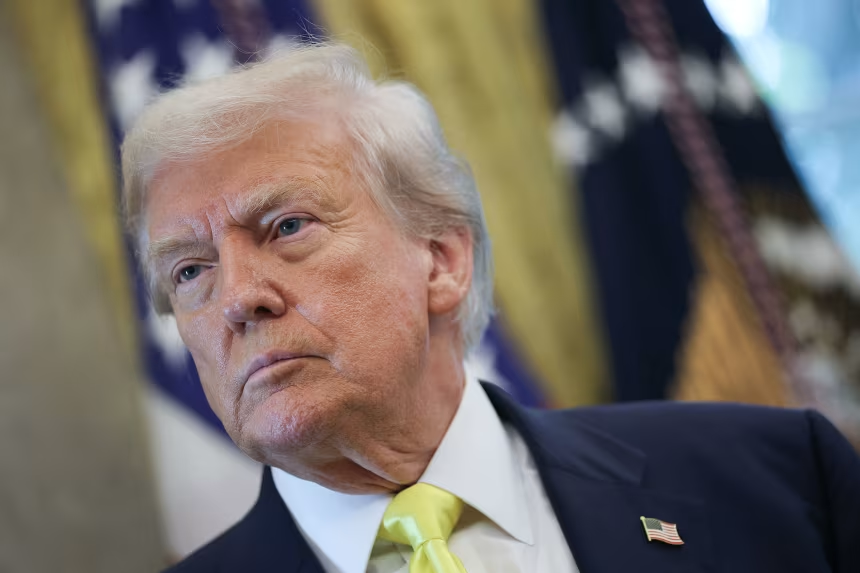
Federal appeals court halts criminal contempt proceedings against Trump officials in immigration case
Entities mentioned:
- Judge James Boasberg: Justice, Duty, Righteousness
- Trump administration officials: Power, Control, Self-preservation
- US DC Circuit Court of Appeals: Duty, Justice, Professional pride
- ACLU: Justice, Righteousness, Moral outrage
- Judge Greg Katsas: Duty, Professional pride, Loyalty
- Judge Neomi Rao: Duty, Professional pride, Loyalty
- Judge Nina Pillard: Justice, Righteousness, Professional pride
- Attorney General Pam Bondi: Loyalty, Power, Influence
Article Assessment:
Credibility Score: 75/100
Bias Rating: 55/100 (Center)
Sentiment Score: 35/100
Authoritarianism Risk: 65/100 (Authoritarian Tendencies)
Bias Analysis:
The article presents multiple viewpoints, including dissenting opinions, which suggests an attempt at balance. However, there's slightly more emphasis on the Trump-appointed judges' reasoning, potentially indicating a subtle center-right lean.
Key metric: Rule of Law Index
As a social scientist, I analyze that this ruling significantly impacts the Rule of Law Index for the United States. The appeals court's decision to halt criminal contempt proceedings against Trump administration officials weakens judicial oversight of executive actions, potentially undermining the checks and balances system. This could lead to a decrease in government accountability and adherence to court orders, which are key components of the Rule of Law Index. The split decision along partisan lines (Trump-appointed judges vs. Obama-appointed judge) also raises concerns about the politicization of the judiciary, further eroding public trust in the legal system. The ruling's emphasis on executive power over judicial authority in matters of immigration and foreign policy may set a precedent that could have long-term implications for the separation of powers and the ability of courts to check executive overreach.
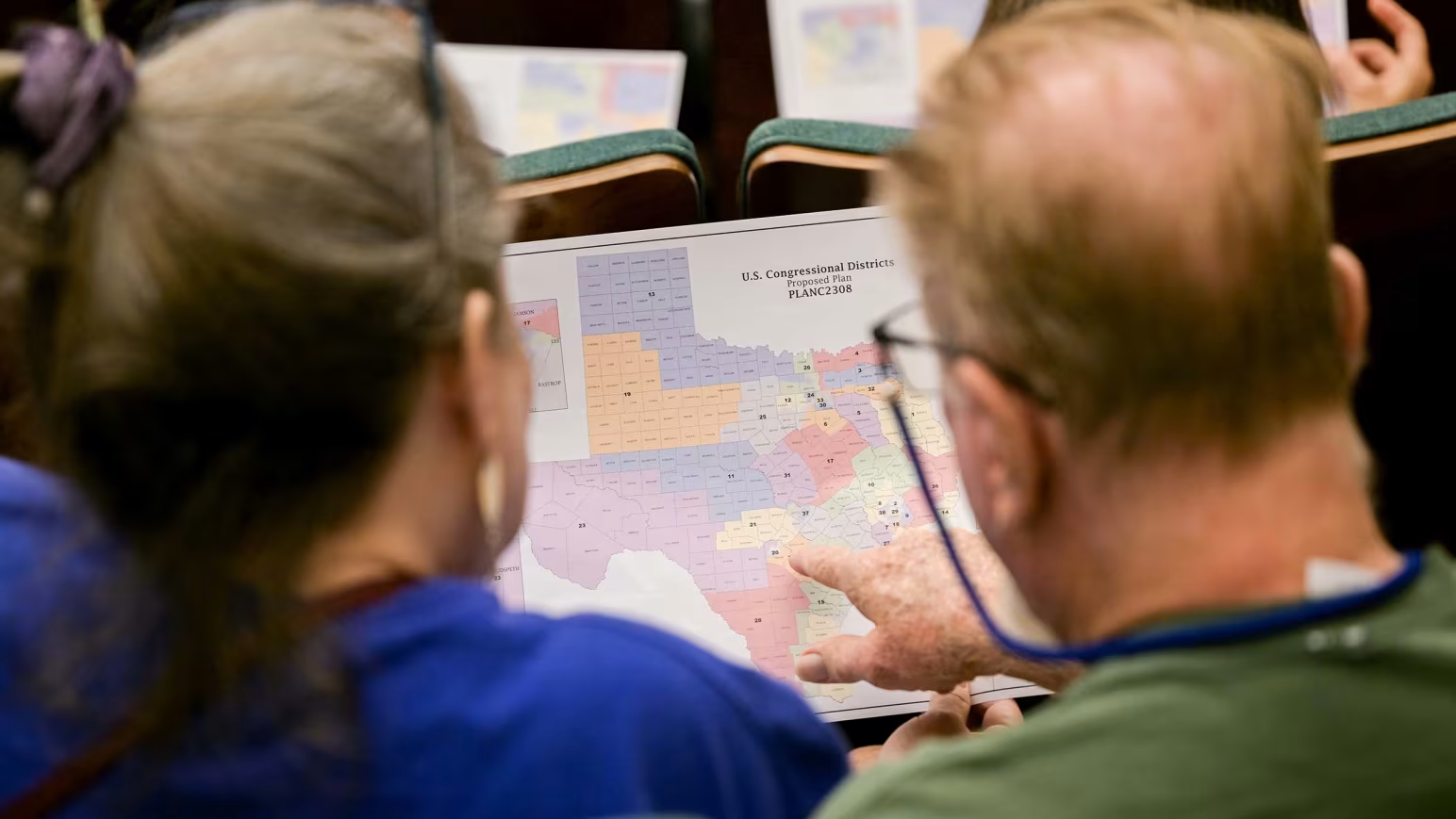
Democrats delay Texas redistricting again, escalating a standoff with GOP leaders
Entities mentioned:
- Texas Democrats: Justice, Determination, Moral outrage
- Texas Republicans: Power, Control, Ambition
- Gov. Greg Abbott: Power, Determination, Control
- House Speaker Dustin Burrows: Power, Control, Duty
- Attorney General Ken Paxton: Power, Ambition, Control
- Sen. John Cornyn: Power, Ambition, Loyalty
- Beto O'Rourke: Justice, Influence, Moral outrage
- Gov. Gavin Newsom: Competitive spirit, Power, Justice
- Gov. JB Pritzker: Justice, Moral outrage, Unity
Article Assessment:
Credibility Score: 75/100
Bias Rating: 55/100 (Center)
Sentiment Score: 30/100
Authoritarianism Risk: 65/100 (Authoritarian Tendencies)
Bias Analysis:
The article presents perspectives from both Democrats and Republicans, quoting multiple sources from each side. While it gives slightly more space to Democratic viewpoints, it also includes Republican justifications and actions, maintaining a relatively balanced approach.
Key metric: Voting Rights and Electoral Integrity
As a social scientist, I analyze that this article highlights a significant political conflict in Texas over redistricting, which has broader implications for national electoral politics. The standoff between Democrats and Republicans demonstrates the high stakes of redistricting in determining future political control. The Democrats' decision to deny quorum by leaving the state reflects the intensity of the conflict and their limited options within the legislative process. The Republicans' aggressive response, including threats of arrest and financial penalties, indicates the importance they place on passing their preferred maps. This conflict is part of a larger national trend of partisan redistricting battles, with potential ripple effects in other states. The involvement of federal officials and out-of-state governors further emphasizes the national significance of this state-level dispute. The conflict raises concerns about the fairness of the redistricting process and its impact on democratic representation, potentially eroding public trust in electoral systems and exacerbating political polarization.