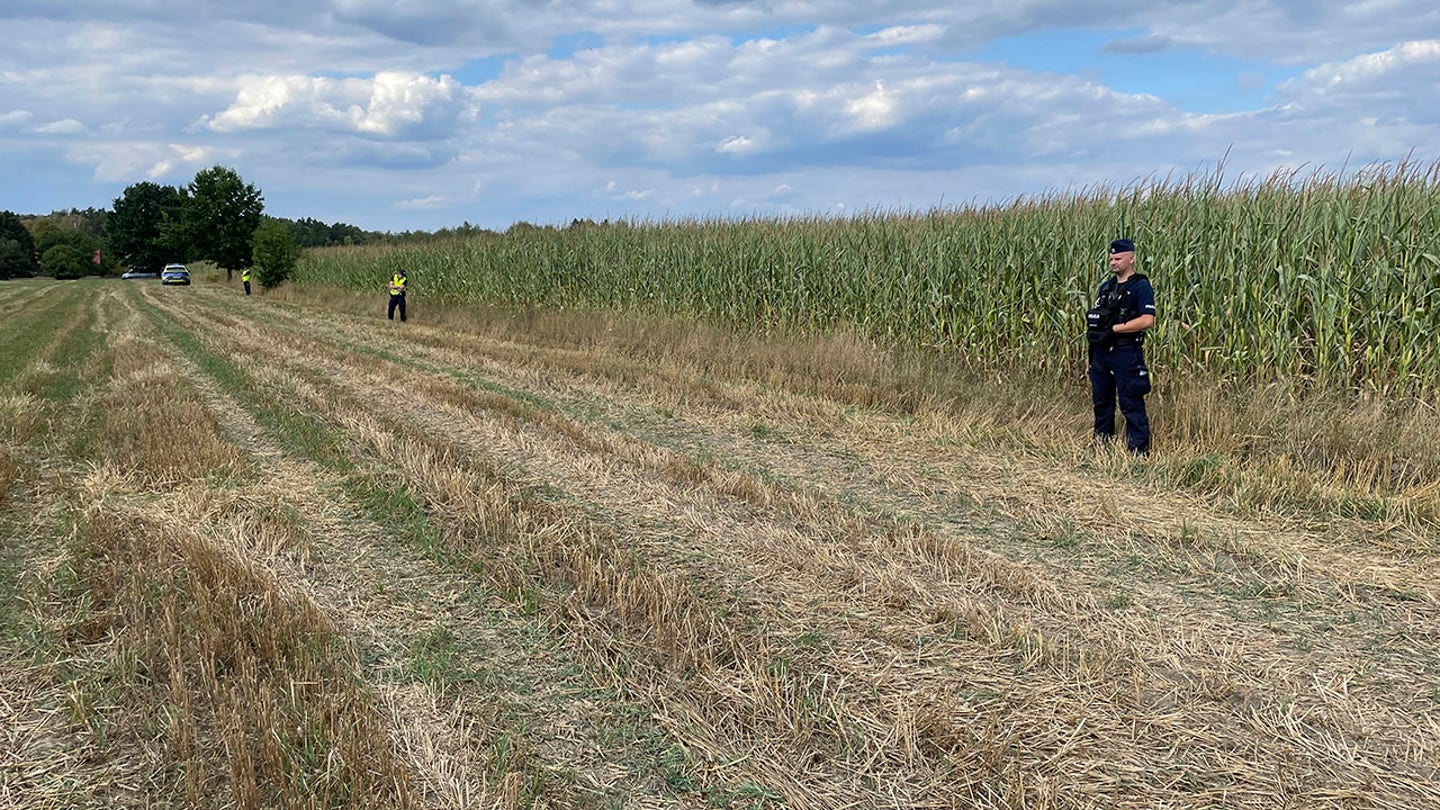
Russian drone crashes in Polish field; Warsaw protests airspace violation and plans formal complaint
Entities mentioned:
- Russia: Power, Influence, Provocation
- Poland: Self-preservation, Security, Indignation
- Wladyslaw Kosiniak-Kamysz: Duty, Security, Wariness
- United States: Influence, Peace, Control
- European leaders: Unity, Security, Peace
- Ukraine: Self-preservation, Freedom, Justice
- Trump administration: Influence, Legacy, Power
Article Assessment:
Credibility Score: 75/100
Bias Rating: 55/100 (Center)
Sentiment Score: 30/100
Authoritarianism Risk: 35/100 (Generally Democratic)
Bias Analysis:
The article presents a relatively balanced view, including perspectives from Polish officials and local residents. However, there's a slight lean towards Western viewpoints, with more emphasis on Polish and US reactions than Russian perspectives.
Key metric: International Security and Diplomacy
As a social scientist, I analyze that this incident of a Russian drone crashing in Poland represents a significant escalation in international tensions, particularly in the context of the ongoing Ukraine-Russia conflict. The event demonstrates Russia's willingness to provoke NATO members, potentially testing the alliance's resolve and response mechanisms. This action could impact international security by increasing military alertness in Eastern Europe and potentially straining diplomatic efforts to resolve the Ukraine conflict. The incident also highlights the complex interplay between military technology, international borders, and diplomatic relations in modern warfare and peacekeeping efforts. The Trump administration's involvement in brokering talks between Russia and Ukraine adds another layer of complexity to the situation, potentially influencing the geopolitical dynamics in the region.
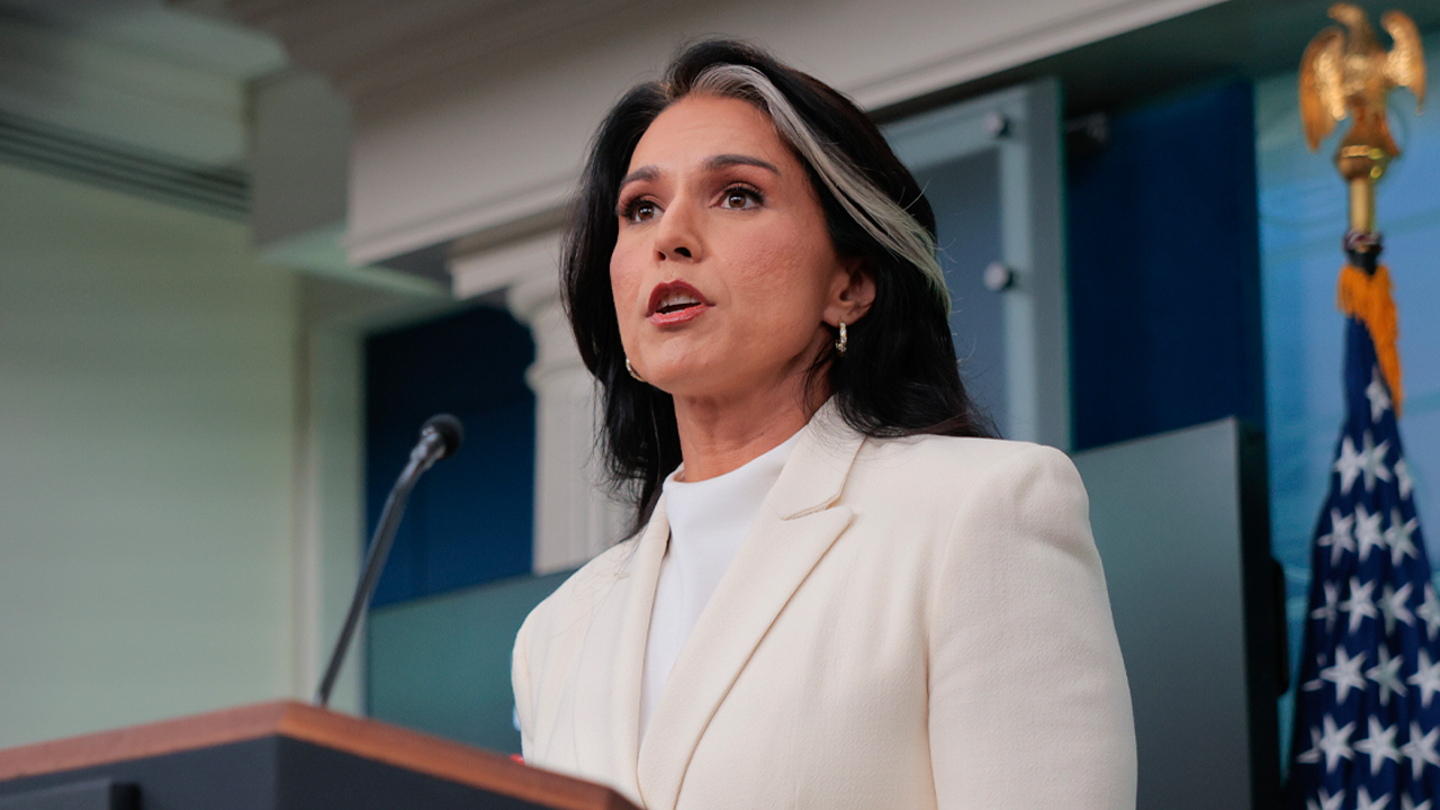
Gabbard launches 'ODNI 2.0,' with plan to cut workforce by 40%
Entities mentioned:
- Tulsi Gabbard: Determination, Righteousness, Professional pride
- ODNI (Office of the Director of National Intelligence): Efficiency, Security, Duty
- President Trump: Leadership, Control, Security
- Intelligence Community: Duty, Security, Professional pride
Article Assessment:
Credibility Score: 65/100
Bias Rating: 70/100 (Lean Right)
Sentiment Score: 65/100
Authoritarianism Risk: 55/100 (Mixed/Neutral)
Bias Analysis:
The article leans right, presenting the ODNI restructuring in a positive light and emphasizing Trump's leadership. It primarily presents the administration's perspective without significant counterpoints or critical analysis.
Key metric: Government Efficiency and National Security
As a social scientist, I analyze that this article describes a significant restructuring of the Office of the Director of National Intelligence (ODNI) under the leadership of Tulsi Gabbard. The transformation, dubbed 'ODNI 2.0', aims to address issues of inefficiency, politicization, and abuse within the intelligence community. The proposed changes, including a 40% workforce reduction and $700 million in annual savings, represent a major shift in how U.S. intelligence operations are conducted. This restructuring could have substantial impacts on national security processes, government spending, and the overall effectiveness of intelligence gathering and dissemination. The focus on eliminating politicization and rebuilding trust suggests an attempt to address perceived failures in the intelligence community's recent history. However, such dramatic changes may also lead to short-term disruptions in intelligence operations and potential resistance from within the organization.