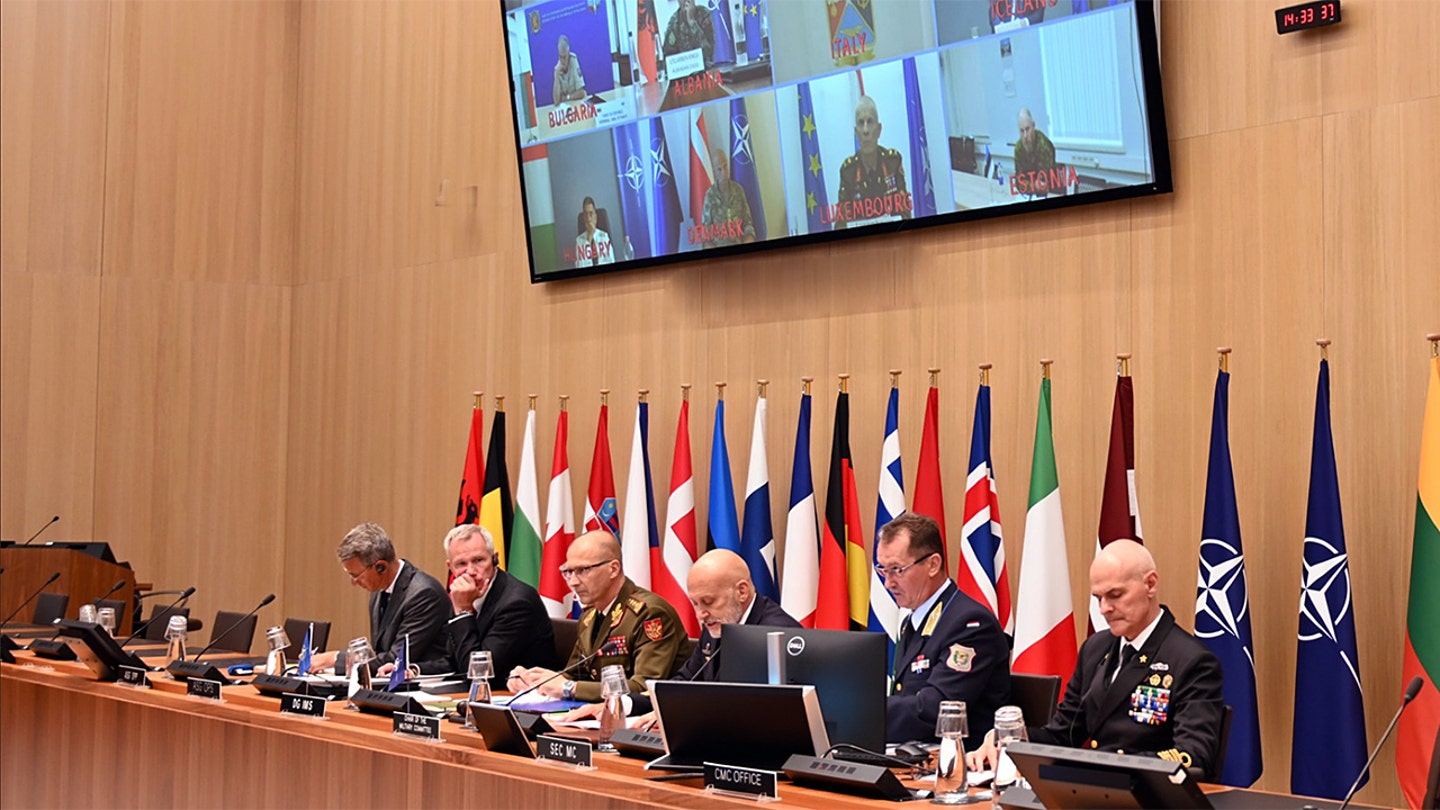
NATO defense chiefs stress commitment to Ukraine, discuss security guarantees during virtual summit
Entities mentioned:
- NATO: Unity, Security, Duty
- Ukraine: Self-preservation, Security, Freedom
- Gen. Alexus Grynkewich: Duty, Professional pride, Leadership
- Gen. Dan Caine: Duty, Obligation, Unity
- Russia: Power, Control, Self-preservation
- President Donald Trump: Influence, Legacy, Power
- President Vladimir Putin: Power, Control, Influence
- President Volodymyr Zelenskyy: Self-preservation, Determination, Duty
- Sergey Lavrov: Wariness, Power, Control
Article Assessment:
Credibility Score: 75/100
Bias Rating: 45/100 (Center)
Sentiment Score: 55/100
Authoritarianism Risk: 25/100 (Generally Democratic)
Bias Analysis:
The article presents a balanced view of the NATO meeting, including perspectives from multiple sides. While it leans slightly towards a pro-NATO stance, it also includes Russian viewpoints and mentions Trump's separate diplomatic efforts.
Key metric: International Alliances and Security
As a social scientist, I analyze that this article highlights the ongoing commitment of NATO to Ukraine's security in the face of Russian aggression. The virtual meeting of NATO defense chiefs demonstrates a united front in supporting Ukraine and discussing potential security guarantees. This reaffirmation of support, coupled with the involvement of high-ranking officials like Gen. Grynkewich and Gen. Caine, suggests a strong commitment to maintaining the alliance's cohesion and effectiveness. The discussion of security guarantees for Ukraine as part of a potential peace agreement indicates a forward-looking approach to regional stability. However, Russia's criticism of these discussions, as voiced by Lavrov, suggests continued tensions and potential obstacles to a peaceful resolution. The involvement of President Trump in separate meetings with Putin and Zelenskyy adds another layer of complexity to the diplomatic efforts. Overall, this meeting and the surrounding events underscore the ongoing importance of NATO in shaping European security dynamics and the challenges in balancing support for Ukraine with the need for a sustainable peace agreement.
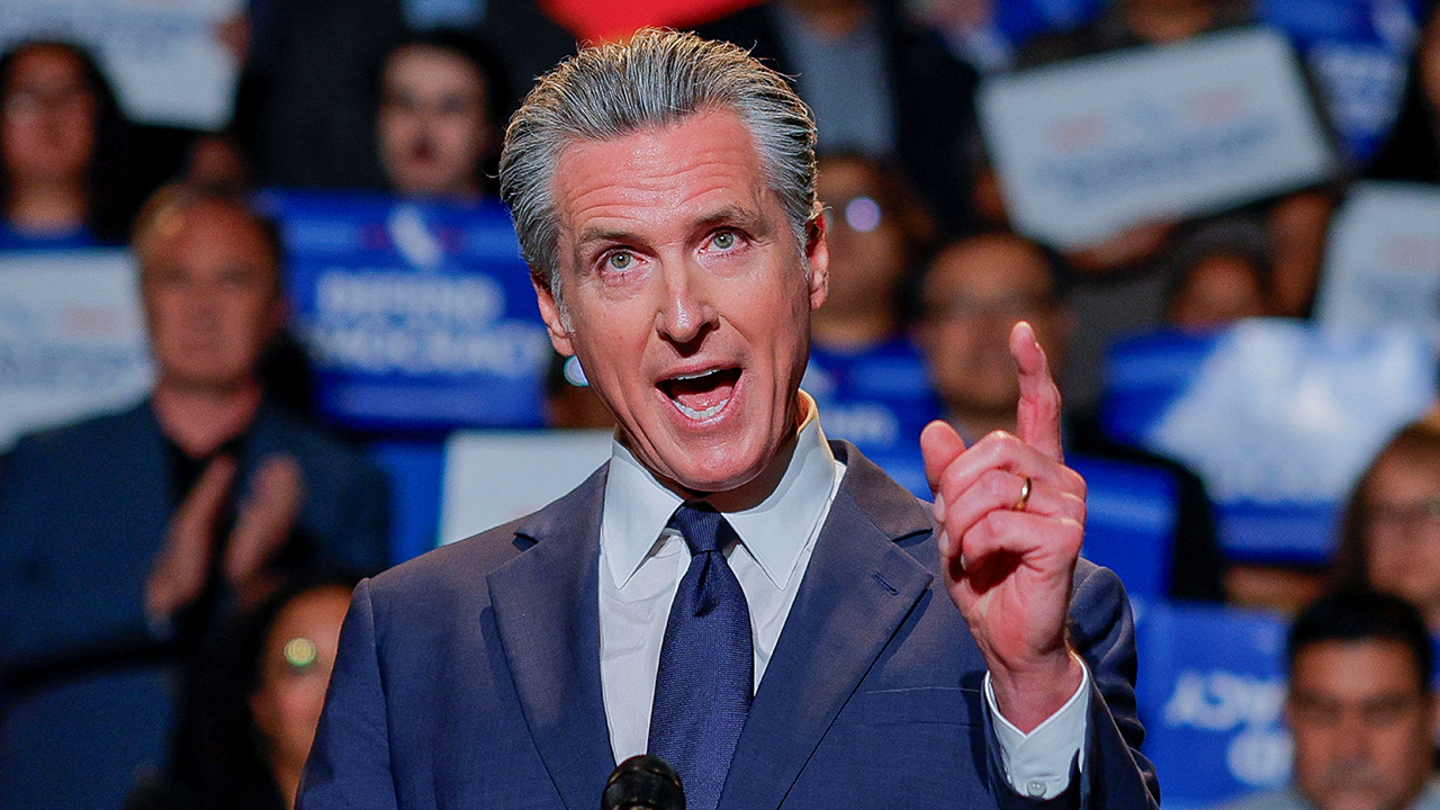
Newsom-style redistricting efforts critiqued by California Democrats as recently as July, statements show
Entities mentioned:
- Gov. Gavin Newsom: Power, Control, Ambition
- California Democrats: Power, Control, Self-preservation
- California Republicans: Justice, Righteousness, Self-preservation
- Citizens' Redistricting Commission: Duty, Fairness, Transparency
- Steve Hilton: Justice, Competitive spirit, Ambition
Article Assessment:
Credibility Score: 75/100
Bias Rating: 65/100 (Lean Right)
Sentiment Score: 35/100
Authoritarianism Risk: 55/100 (Mixed/Neutral)
Bias Analysis:
The article leans slightly right, evidenced by its focus on Republican critiques and extensive quoting of Democratic inconsistencies. While it presents factual information, the framing appears to favor the Republican perspective on the issue.
Key metric: Electoral Integrity Index
As a social scientist, I analyze that this article highlights a significant shift in California Democrats' stance on redistricting, potentially impacting the state's Electoral Integrity Index. The proposed change from an independent commission to politician-led redistricting could be seen as a move to consolidate power, contradicting previous statements supporting independent commissions. This shift raises concerns about the fairness and transparency of the electoral process, potentially eroding public trust in democratic institutions. The Republicans' pushback and the citing of Democrats' past statements supporting independent commissions add a layer of political conflict and accountability to the issue. The involvement of high-profile figures like Gov. Newsom and the potential for legal challenges further underscore the significance of this development for California's electoral system and its broader implications for democratic processes.