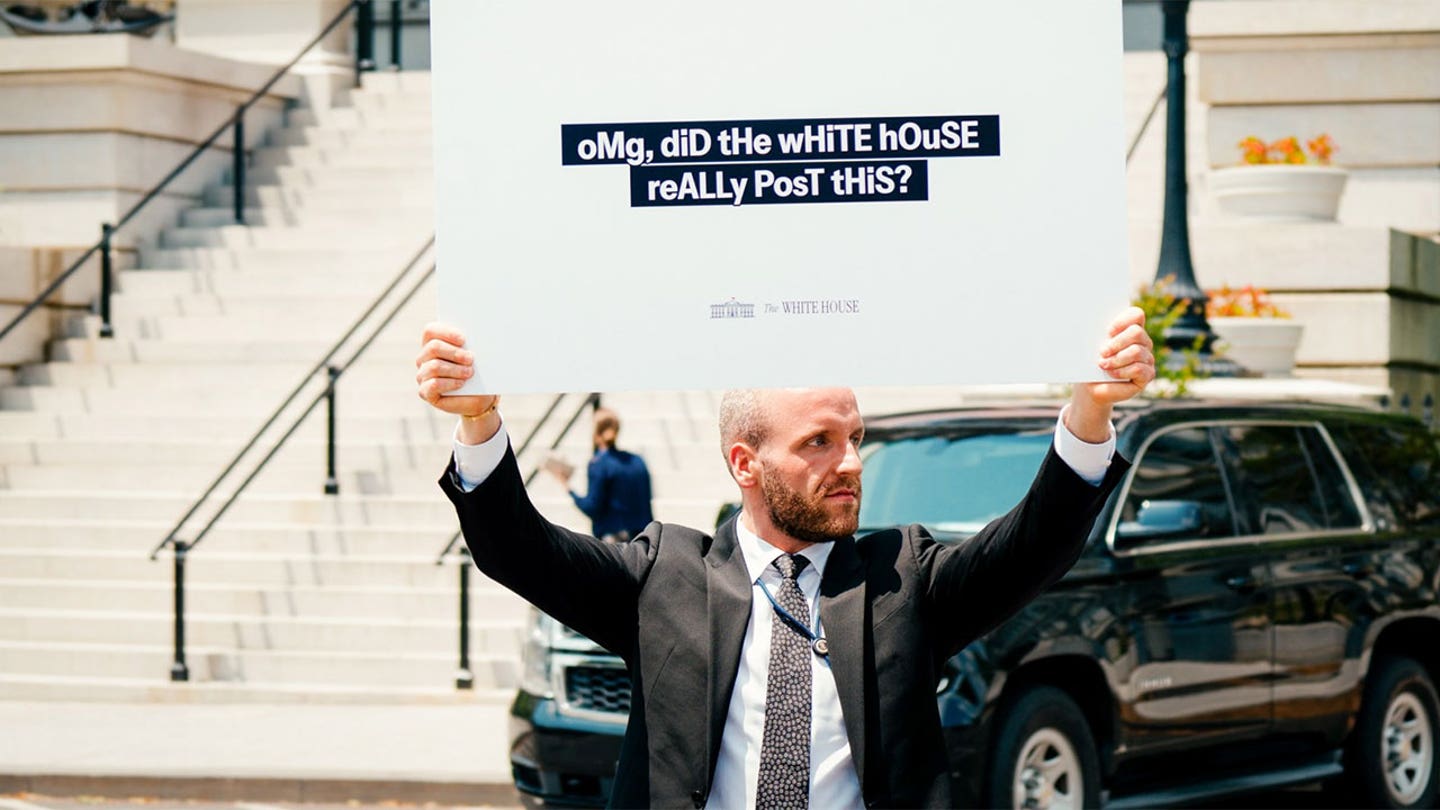
I made memes for the White House. Here’s what I learned
Entities mentioned:
- President Donald Trump: Power, Influence, Recognition
- White House Digital Team: Ambition, Competitive spirit, Influence
- Gavin Newsom: Competitive spirit, Ambition, Influence
- Kaelan Dorr: Determination, Professional pride, Influence
Article Assessment:
Credibility Score: 55/100
Bias Rating: 75/100 (Lean Right)
Sentiment Score: 75/100
Authoritarianism Risk: 65/100 (Authoritarian Tendencies)
Bias Analysis:
The article is written from a first-person perspective of a former Trump administration official, presenting a clearly pro-Trump stance. While it provides insider information, it lacks critical analysis or alternative viewpoints, leaning heavily towards promoting the administration's strategies.
Key metric: Political Engagement of Young Americans
As a social scientist, I analyze that this article highlights a significant shift in political communication strategies, particularly targeting younger demographics. The White House's aggressive use of memes and viral content represents a deliberate attempt to increase political engagement among 18-34 year olds, a traditionally less politically active group. This approach blurs the line between entertainment and political messaging, potentially increasing youth voter turnout but also risking the oversimplification of complex policy issues. The reported success in follower growth and video views suggests a potential increase in political awareness among younger Americans, though it's unclear whether this translates to meaningful civic engagement or merely surface-level interaction with political content.
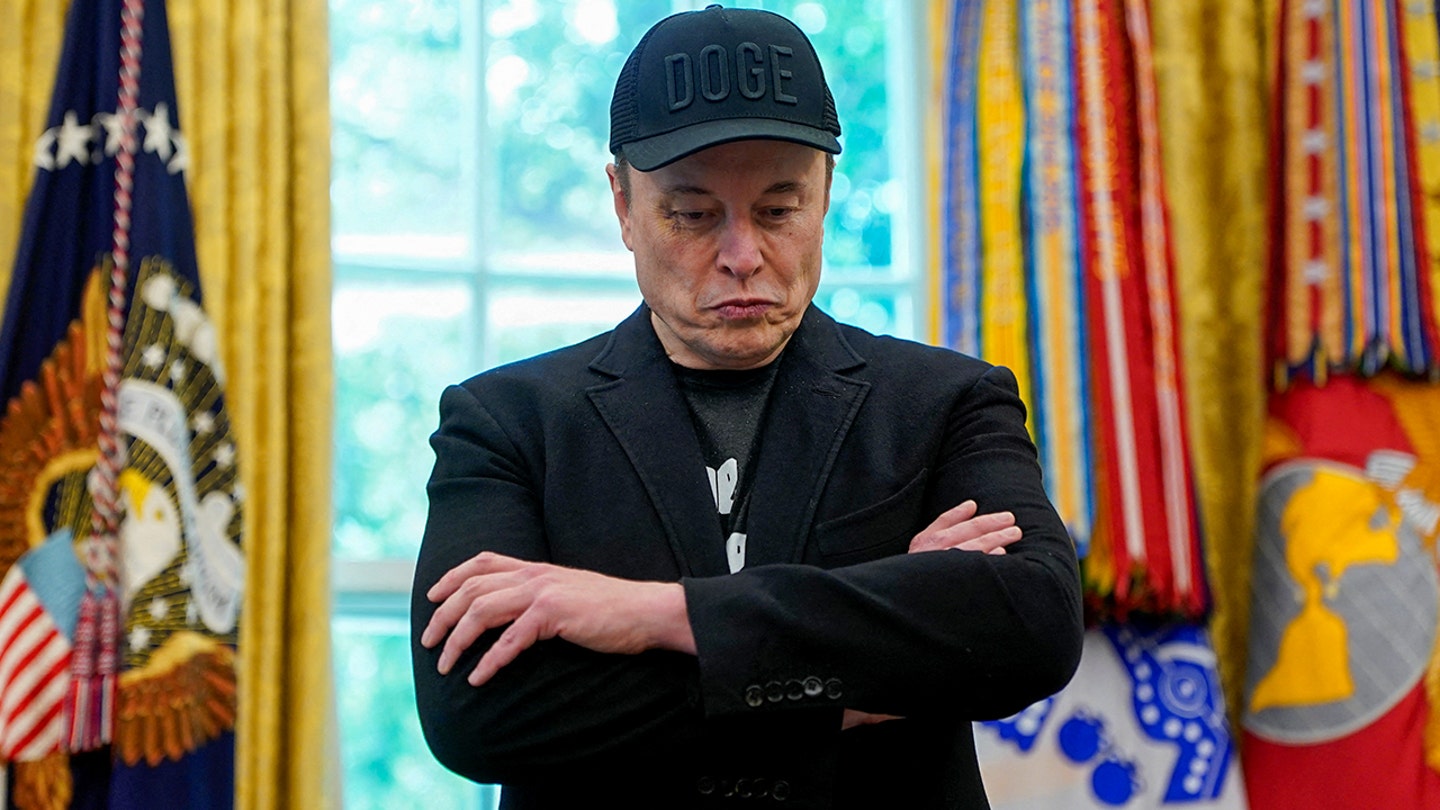
Elon Musk halts plans for new political party, prioritizing business instead: report
Entities mentioned:
- Elon Musk: Ambition, Influence, Self-preservation
- America Party: Unity, Freedom, Change
- Republican Party (GOP): Power, Control, Self-preservation
- JD Vance: Ambition, Power, Loyalty
- Donald Trump: Power, Control, Revenge
- Department of Government Efficiency: Duty, Professional pride, Control
Article Assessment:
Credibility Score: 65/100
Bias Rating: 55/100 (Center)
Sentiment Score: 45/100
Authoritarianism Risk: 35/100 (Generally Democratic)
Bias Analysis:
The article presents a relatively balanced view, incorporating multiple perspectives and sources. However, there's a slight lean towards emphasizing the drama and personal conflicts, which is typical of center-right reporting on political figures.
Key metric: Political Polarization Index
As a social scientist, I analyze that this article highlights the complex interplay between business interests and political ambitions in the American political landscape. Musk's reported decision to halt plans for a new political party reflects the challenges of disrupting the established two-party system. The apparent reconciliation between Musk and Trump, after a period of public conflict, suggests a strategic realignment that could impact political discourse and voter sentiment. This development may contribute to maintaining the status quo in terms of political polarization, as the potential for a significant third-party option seems to have diminished. The article also underscores the influence of high-profile individuals in shaping public opinion and political narratives through social media platforms.