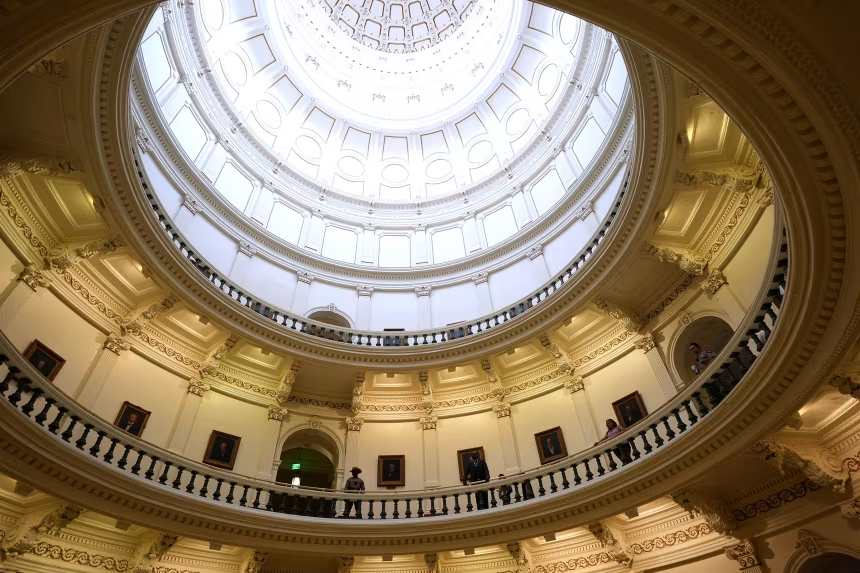
Some Texas Democrats rip up agreements to leave House floor under police escort and will spend night in chamber in protest
Entities mentioned:
- Texas state House Democrats: Righteousness, Justice, Determination
- Texas House Republicans: Control, Power, Loyalty
- Nicole Collier: Determination, Righteousness, Self-respect
- Dustin Burrows: Control, Duty, Power
- Kamala Harris: Influence, Unity, Encouragement
- Donald Trump: Power, Control, Influence
Article Assessment:
Credibility Score: 75/100
Bias Rating: 45/100 (Center)
Sentiment Score: 35/100
Authoritarianism Risk: 55/100 (Mixed/Neutral)
Bias Analysis:
The article presents perspectives from both Democrats and Republicans, though it gives more space to Democratic voices. The language used is generally neutral, with some emotive terms balanced between parties.
Key metric: Political Polarization Index
As a social scientist, I analyze that this article highlights the intensifying political polarization in Texas, which reflects broader national trends. The Democrats' protest against the redistricting plan, including their dramatic actions of tearing up agreements and spending the night in the chamber, demonstrates the depth of the divide. This conflict over redistricting, with its potential to significantly alter political representation, exemplifies how structural issues in the political system are exacerbating partisan tensions. The involvement of national figures like former Vice President Harris and the connection to Trump's influence further emphasizes how state-level conflicts are intertwined with national political dynamics. This event is likely to contribute to increased political polarization, potentially reducing bipartisan cooperation and further entrenching partisan identities among voters.
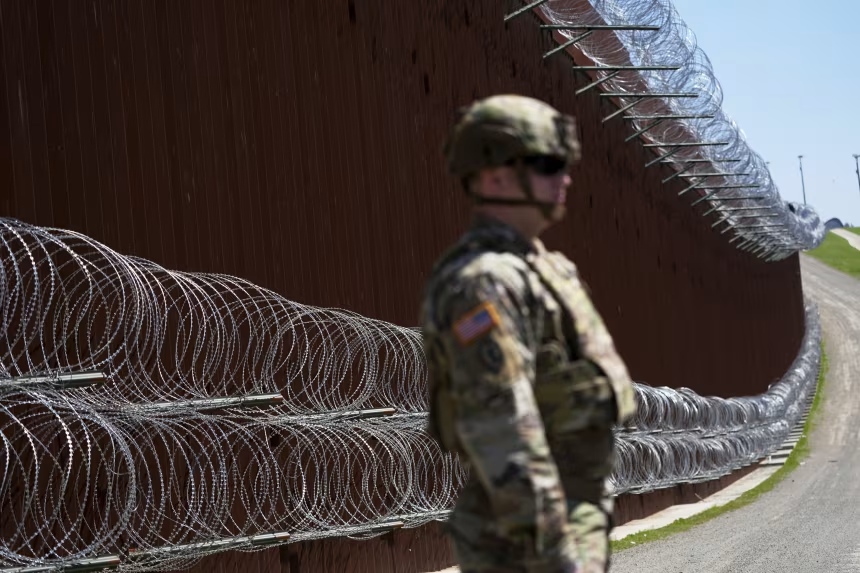
Southern border wall will be painted black to deter people from climbing it during hot weather, DHS secretary says
Entities mentioned:
- Kristi Noem: Duty, Loyalty, Control
- Donald Trump: Control, Security, Legacy
- Department of Homeland Security: Security, Control, Duty
- US Border Patrol: Security, Duty, Professional pride
- US Customs and Border Protection: Security, Duty, Control
Article Assessment:
Credibility Score: 70/100
Bias Rating: 55/100 (Center)
Sentiment Score: 45/100
Authoritarianism Risk: 65/100 (Authoritarian Tendencies)
Bias Analysis:
The article presents a fairly balanced view, including both administration claims and skepticism from officials. While it focuses on the administration's perspective, it also includes historical context and potential criticisms of the approach.
Key metric: Immigration and Border Security
As a social scientist, I analyze that this article highlights the continuation of hardline immigration policies from the Trump administration into its second term. The decision to paint the border wall black represents a symbolic and practical approach to deterring illegal border crossings. This move may impact immigration patterns and public perception of border security measures. The emphasis on physical barriers and technological enhancements suggests a prioritization of deterrence and control over other potential immigration management strategies. The reported decrease in border apprehensions could be interpreted as a sign of policy effectiveness, though the causality is not definitively established. The substantial funding allocated to border infrastructure underscores the administration's commitment to this approach, potentially affecting budget allocations for other domestic or international priorities.