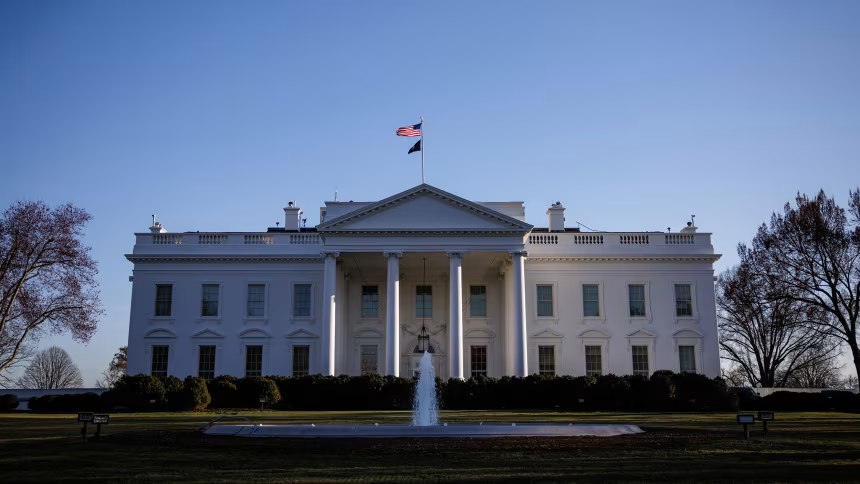
White House joins TikTok after delaying enforcement of sale-or-ban law
Entities mentioned:
- White House: Influence, Recognition, Control
- TikTok: Self-preservation, Influence, Security
- Bytedance: Self-preservation, Control, Security
- Donald Trump: Power, Control, Influence
- Joe Biden: Security, Duty, Control
- United States: Security, Control, Power
- China: Power, Control, Influence
Article Assessment:
Credibility Score: 75/100
Bias Rating: 55/100 (Center)
Sentiment Score: 45/100
Authoritarianism Risk: 40/100 (Generally Democratic)
Bias Analysis:
The article presents a relatively balanced view, incorporating multiple perspectives and historical context. While it leans slightly towards emphasizing the administration's actions, it also includes background on security concerns and bipartisan support for the ban.
Key metric: US-China Relations
As a social scientist, I analyze that the White House's decision to join TikTok amidst ongoing national security concerns and pending legislation reflects a complex interplay of diplomatic, economic, and political factors. This move suggests a potential shift in the US approach to Chinese-owned technology platforms, possibly indicating a desire for engagement rather than isolation. The repeated delays in enforcing the sale-or-ban law demonstrate the administration's struggle to balance national security concerns with the app's popularity and potential diplomatic repercussions. This development could significantly impact US-China relations, as it may be interpreted as a softening stance on Chinese tech influence in the US, potentially affecting broader trade and diplomatic negotiations.

Abrego Garcia’s lawyers urge judge to drop his criminal case, alleging ‘vindictive and selective prosecution’
Entities mentioned:
- Kilmar Abrego Garcia: Justice, Self-preservation, Freedom
- US Department of Justice: Control, Power, Revenge
- Judge Waverly Crenshaw: Duty, Justice, Obligation
- President Donald Trump: Power, Control, Righteousness
- Attorney General Pam Bondi: Loyalty, Power, Control
- Judge Paula Xinis: Justice, Duty, Obligation
Article Assessment:
Credibility Score: 75/100
Bias Rating: 45/100 (Center)
Sentiment Score: 35/100
Authoritarianism Risk: 65/100 (Authoritarian Tendencies)
Bias Analysis:
The article presents both the defense's arguments and the government's actions, maintaining a relatively balanced perspective. While it gives more space to the defense's claims, it also includes factual background and judicial decisions, avoiding overtly partisan language.
Key metric: Rule of Law Index
As a social scientist, I analyze that this case highlights significant tensions between executive power and judicial oversight in the U.S. immigration system. The alleged retaliatory prosecution of Abrego Garcia following his successful challenge to his deportation raises concerns about the abuse of prosecutorial discretion and potential violations of due process. This case could have broader implications for the Rule of Law Index, particularly in areas of government powers, fundamental rights, and criminal justice. The apparent disconnect between court orders and executive actions suggests a weakening of institutional checks and balances, which could negatively impact the U.S.'s performance on this metric. Moreover, the case underscores the complexities and potential injustices within the immigration enforcement system, which could further erode public trust in legal institutions and the fair application of law.