
CNN experts answer your top questions about Trump’s summit with Putin in Alaska
Entities mentioned:
- Donald Trump: Power, Recognition, Influence
- Vladimir Putin: Power, Control, Influence
- CNN: Professional pride, Influence, Duty
Article Assessment:
Credibility Score: 70/100
Bias Rating: 35/100 (Lean Left)
Sentiment Score: 50/100
Authoritarianism Risk: 30/100 (Generally Democratic)
Bias Analysis:
The article leans slightly left due to CNN's generally liberal-leaning reputation. However, the Q&A format and focus on expert analysis suggest an attempt at balanced reporting, albeit potentially influenced by the network's overall editorial stance.
Key metric: International Relations Index
As a social scientist, I analyze that this article's focus on the Trump-Putin summit suggests significant implications for US-Russia relations and global geopolitics. The involvement of CNN experts indicates public interest and the media's role in shaping perceptions of international diplomacy. The format of addressing reader questions implies an attempt at transparency and public engagement in complex foreign policy matters, potentially influencing public opinion and, by extension, diplomatic strategies.
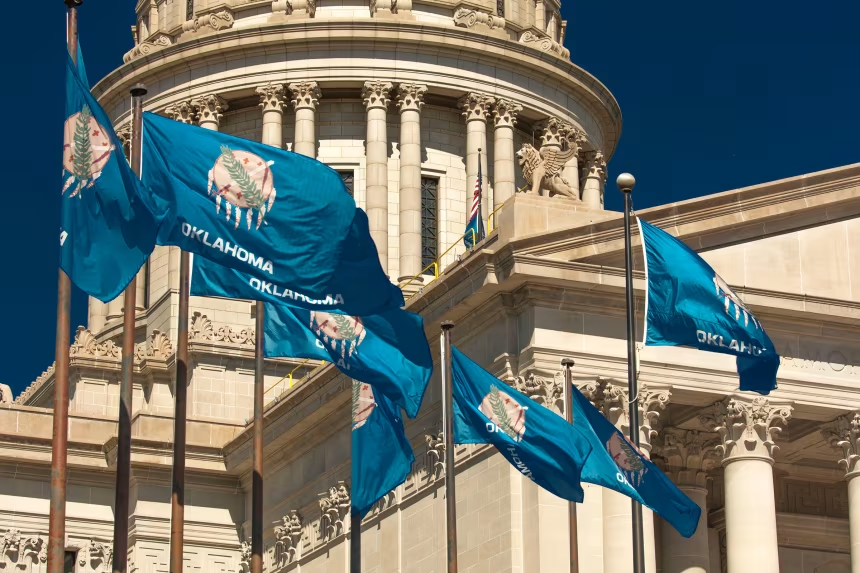
Exclusive: Oklahoma to begin controversial test to weed out ‘woke’ teacher applicants today
Entities mentioned:
- Ryan Walters: Control, Righteousness, Moral outrage
- PragerU: Influence, Righteousness, Power
- Oklahoma State Department of Education: Control, Loyalty, Righteousness
- Jonathan Zimmerman: Professional pride, Wariness, Curiosity
- Marissa Streit: Influence, Righteousness, Professional pride
- John Waldron: Indignation, Professional pride, Duty
- Donald Trump: Power, Influence, Recognition
Article Assessment:
Credibility Score: 65/100
Bias Rating: 55/100 (Center)
Sentiment Score: 30/100
Authoritarianism Risk: 70/100 (Authoritarian Tendencies)
Bias Analysis:
The article presents multiple viewpoints, including critics of the assessment, but gives more space to Walters' perspective. The framing suggests skepticism towards the assessment, but attempts to maintain a balanced approach.
Key metric: Education Quality and Teacher Retention
As a social scientist, I analyze that this controversial assessment for teacher applicants in Oklahoma represents a significant shift in the politicization of education. The use of PragerU, a conservative media company, to develop this assessment raises concerns about the objectivity and educational validity of the test. This move could potentially impact teacher recruitment and retention, especially for those from more liberal states, potentially exacerbating Oklahoma's existing teacher shortage. The assessment's focus on ideological alignment rather than pedagogical skills or subject matter expertise may have long-term implications for the quality of education in the state. Furthermore, this development signifies a broader trend of injecting partisan politics into educational policy, which could lead to increased polarization in the education system and potentially limit diverse perspectives in classrooms.