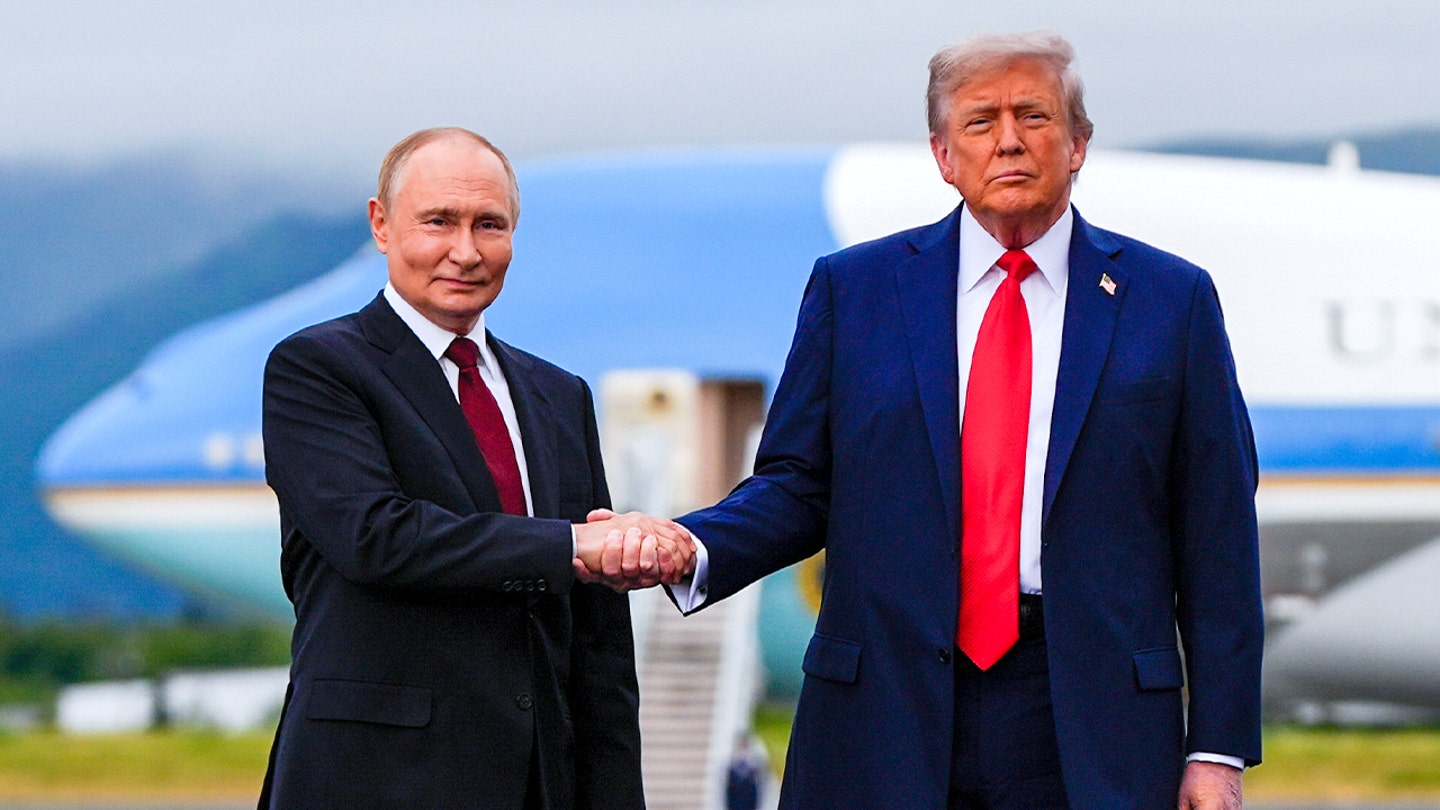
Trump backs Putin's proposal for Russia to take full control of Donbas region in Ukraine
Entities mentioned:
- Vladimir Putin: Power, Control, Influence
- Donald Trump: Influence, Recognition, Legacy
- Volodymyr Zelenskyy: Determination, Duty, Self-preservation
- Friedrich Merz: Duty, Influence, Unity
Article Assessment:
Credibility Score: 65/100
Bias Rating: 55/100 (Center)
Sentiment Score: 35/100
Authoritarianism Risk: 60/100 (Mixed/Neutral)
Bias Analysis:
The article presents multiple viewpoints and cites various sources, including European diplomats and U.S. officials. However, it leans slightly towards emphasizing Trump's actions and their potential impact, which could be seen as centrism with a slight right-leaning tone.
Key metric: International Diplomatic Influence
As a social scientist, I analyze that this article highlights a significant shift in U.S. foreign policy regarding the Russia-Ukraine conflict. Trump's support for Putin's proposal to take control of the Donbas region could drastically alter the course of the war and international relations. This move potentially undermines Ukraine's sovereignty and NATO allies' united front against Russian aggression. The change from supporting a ceasefire to pushing for a peace agreement aligned with Russian interests suggests a major realignment of U.S. policy that could have far-reaching consequences for global geopolitics and the balance of power in Eastern Europe.
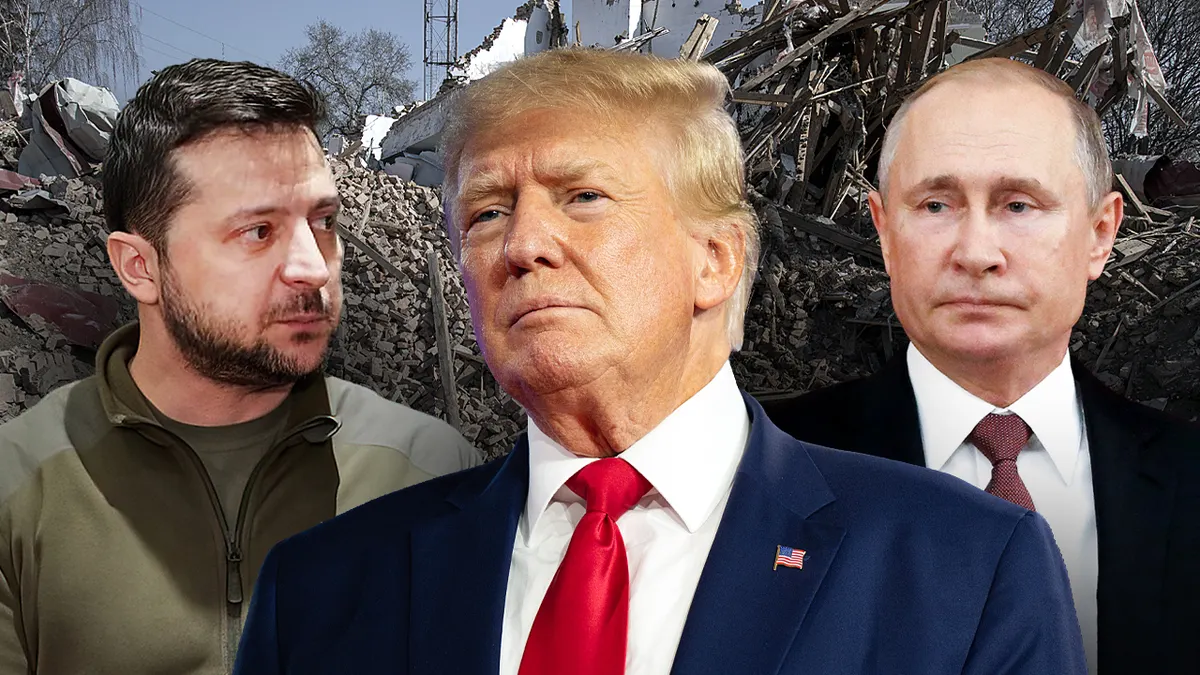
Trump: We're going straight to Russia-Ukraine peace deal, 'not a mere ceasefire'
Entities mentioned:
- Donald Trump: Ambition, Legacy, Power
- Vladimir Putin: Power, Security, Control
- Volodymyr Zelenskyy: Justice, Self-preservation, Unity
- Keir Starmer: Duty, Unity, Influence
- Emmanuel Macron: Influence, Unity, Duty
Article Assessment:
Credibility Score: 65/100
Bias Rating: 55/100 (Center)
Sentiment Score: 65/100
Authoritarianism Risk: 35/100 (Generally Democratic)
Bias Analysis:
The article presents multiple perspectives, including those of Trump, Putin, and Zelenskyy, providing a relatively balanced view. However, there's a slight emphasis on Trump's role and optimism about the peace process, which could indicate a subtle center-right lean.
Key metric: International Diplomacy Effectiveness
As a social scientist, I analyze that this article presents a significant shift in the approach to the Russia-Ukraine conflict, with Trump positioning himself as a key mediator aiming for a comprehensive peace deal rather than a ceasefire. This approach could potentially impact international diplomacy effectiveness by bypassing traditional diplomatic channels and leveraging personal relationships between leaders. The involvement of European leaders suggests a coordinated Western approach, but the effectiveness hinges on Putin's willingness to participate in a trilateral meeting and make concessions. The article implies a potential breakthrough, but the long-term sustainability of any agreement remains uncertain given the complex security concerns and historical context of the conflict.