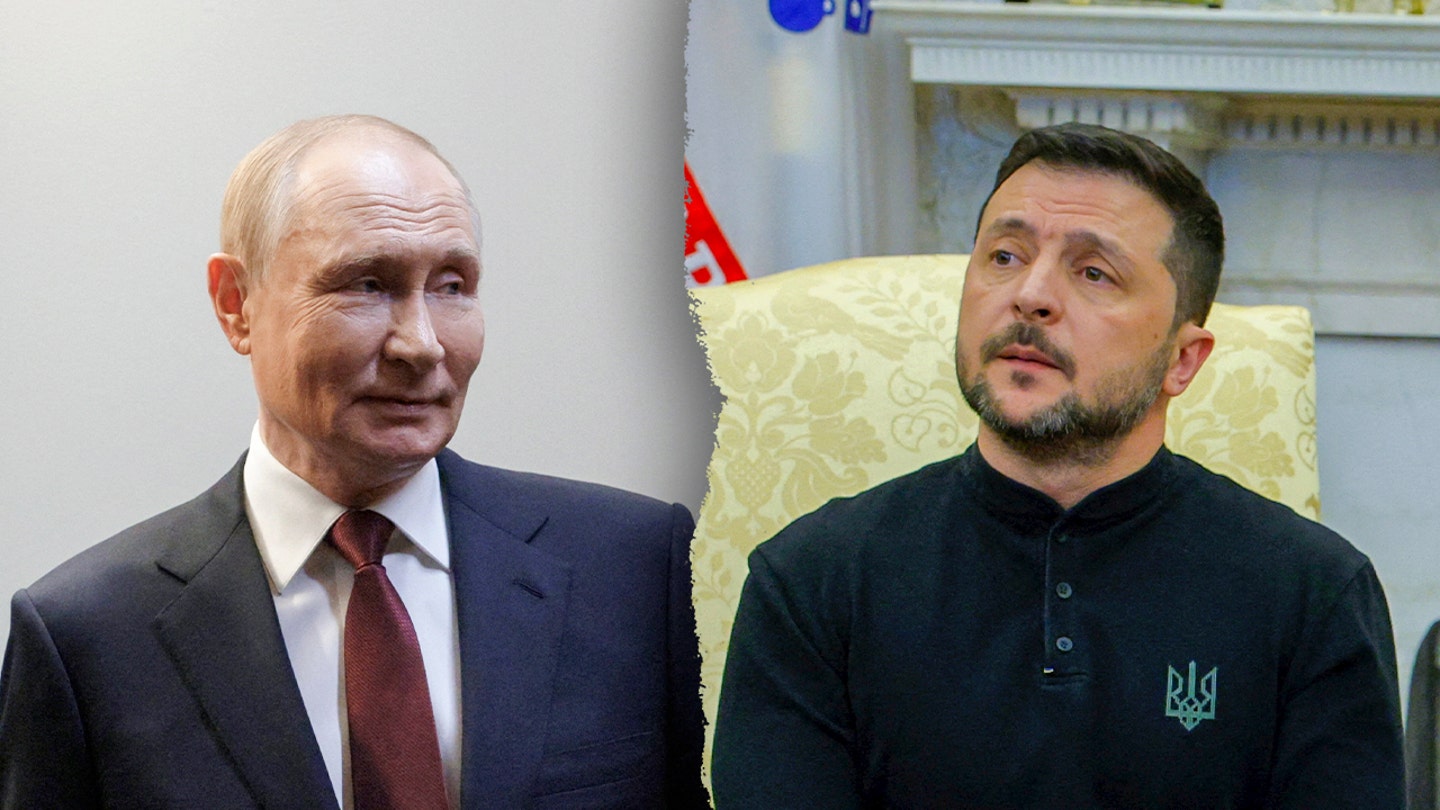
White House announces Putin agreed to bilateral meeting with Zelenskyy
Entities mentioned:
- Vladimir Putin: Power, Control, Self-preservation
- Volodymyr Zelenskyy: Determination, Justice, Unity
- Donald Trump: Legacy, Influence, Recognition
- Karoline Leavitt: Duty, Loyalty, Professional pride
- JD Vance: Duty, Influence, Ambition
- Marco Rubio: Duty, Influence, Professional pride
- Steve Witkoff: Duty, Influence, Professional pride
- Alexander Stubb: Unity, Recognition, Professional pride
- Keir Starmer: Unity, Recognition, Professional pride
- Mark Rutte: Unity, Recognition, Professional pride
Article Assessment:
Credibility Score: 65/100
Bias Rating: 70/100 (Lean Right)
Sentiment Score: 70/100
Authoritarianism Risk: 45/100 (Mixed/Neutral)
Bias Analysis:
The article leans right, focusing heavily on Trump's role and quoting primarily conservative or Trump-aligned sources. It presents a largely positive view of Trump's diplomatic efforts without significant counterbalancing perspectives.
Key metric: International Relations and Diplomacy
As a social scientist, I analyze that this article represents a significant shift in the dynamics of the Russia-Ukraine conflict. The agreement for a bilateral meeting between Putin and Zelenskyy, facilitated by the Trump administration, suggests a potential breakthrough in peace negotiations. This development could have far-reaching implications for global stability, NATO's role, and U.S. foreign policy. The involvement of multiple European leaders and their praise for Trump's efforts indicates a realignment of international diplomatic efforts. However, Putin's statement about the 2020 U.S. election raises questions about the motivations behind Russia's actions and the potential fragility of any peace agreement. The article also highlights concerns about long-term security guarantees for Ukraine, which will be crucial for sustainable peace in the region.
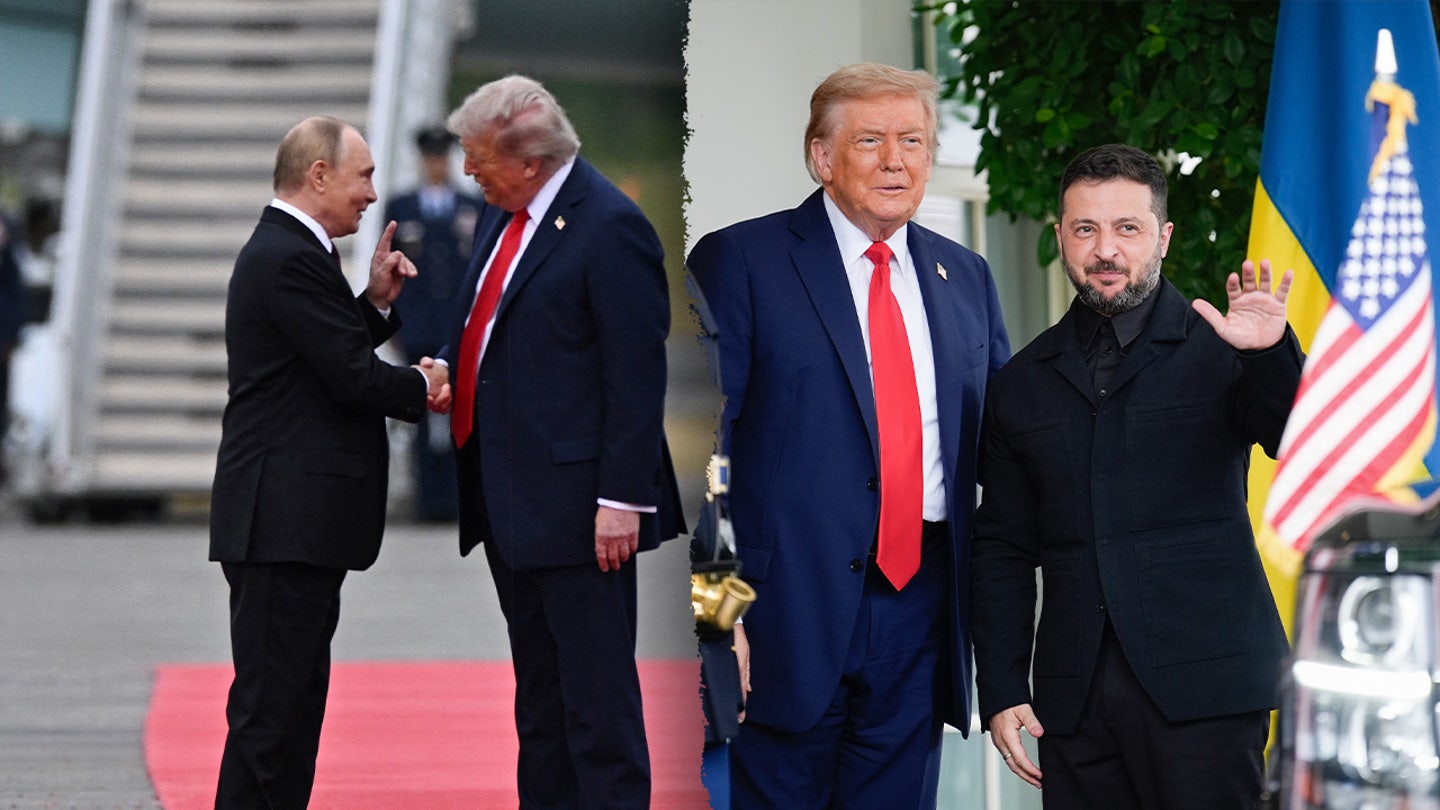
'President of peace': Trump tapped for Nobel Prize amid talks to end Russia-Ukraine war
Entities mentioned:
- Donald Trump: Recognition, Legacy, Power
- Andy Ogles: Loyalty, Influence, Recognition
- Marlin Stutzman: Loyalty, Influence, Recognition
- Vladimir Putin: Power, Control, Influence
- Volodymyr Zelenskyy: Self-preservation, Unity, Security
- House Republicans: Loyalty, Influence, Power
Article Assessment:
Credibility Score: 55/100
Bias Rating: 75/100 (Lean Right)
Sentiment Score: 75/100
Authoritarianism Risk: 40/100 (Generally Democratic)
Bias Analysis:
The article leans heavily right, primarily due to its exclusive focus on positive portrayals of Trump's actions and reliance on Republican sources. The lack of alternative viewpoints or critical analysis of the claims made suggests a significant rightward bias.
Key metric: International Diplomacy and Conflict Resolution
As a social scientist, I analyze that this article presents a highly politicized view of Trump's diplomatic efforts. The nomination for the Nobel Peace Prize by Republican allies appears to be a strategic move to bolster Trump's image as a peacemaker, particularly in the context of the Russia-Ukraine conflict. The article emphasizes Trump's recent meetings with Putin and Zelenskyy, framing them as significant steps towards peace. However, it's important to note that the actual impact of these meetings on the conflict resolution is yet to be seen. The article also references past achievements like the Abraham Accords to strengthen Trump's credentials. This narrative seems designed to position Trump as a unique and effective international negotiator, potentially with an eye towards future political ambitions. The credibility of these claims and their long-term impact on international diplomacy and conflict resolution remain to be evaluated objectively.