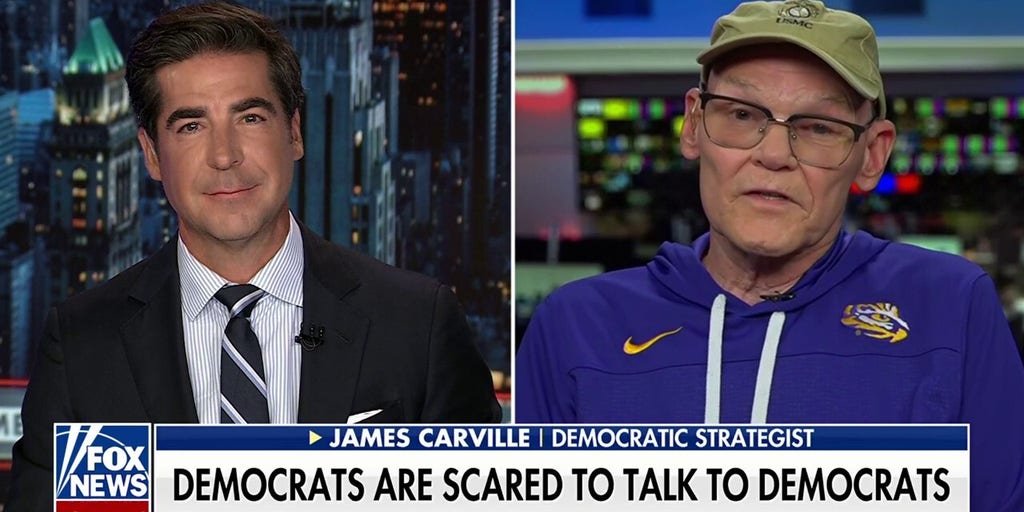
James Carville: Dems need a presidential nominee
Entities mentioned:
- James Carville: Influence, Recognition, Duty
- Democrats: Ambition, Power, Anxiety
- Bill Maher: Influence, Recognition, Freedom
- Donald Trump: Power, Control, Righteousness
- Jesse Watters: Influence, Recognition, Competitive spirit
Article Assessment:
Credibility Score: 55/100
Bias Rating: 65/100 (Lean Right)
Sentiment Score: 35/100
Authoritarianism Risk: 55/100 (Mixed/Neutral)
Bias Analysis:
The article leans right due to its framing on a Fox News program and focus on Democratic party weaknesses. The presentation of Carville's criticism of Democrats and the emphasis on Trump's actions suggest a right-leaning perspective.
Key metric: Political Polarization Index
As a social scientist, I analyze that this article highlights the growing political divide and communication challenges within the Democratic party. Carville's criticism of Democrats' reluctance to engage with media figures like Bill Maher suggests internal party tensions and strategic disagreements. The mention of Trump's federal takeover of D.C. police further emphasizes the polarization between parties and concerns over executive power. This discourse likely contributes to increased political polarization, as it underscores the lack of unified messaging within the Democratic party and the ongoing conflicts with the Republican administration.
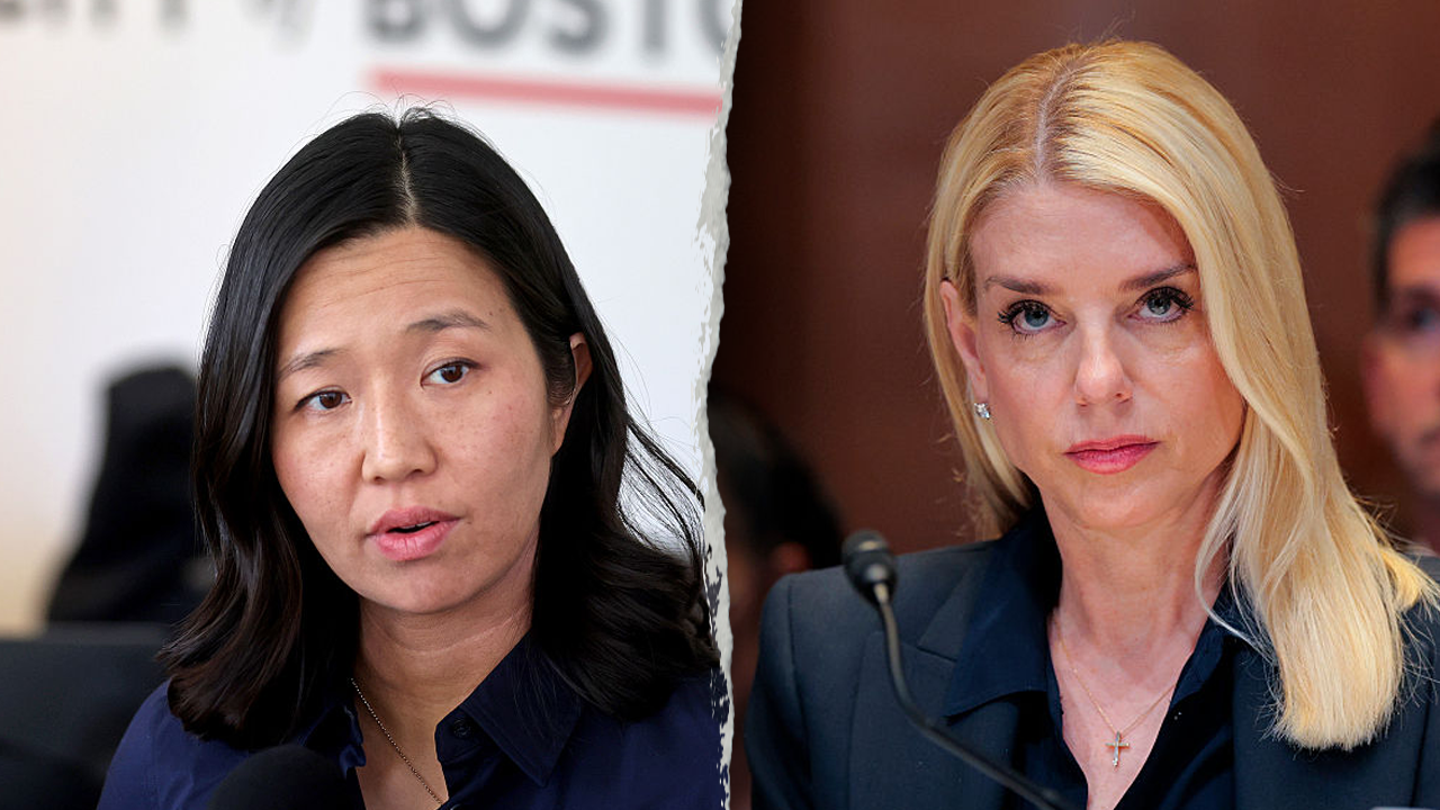
Boston’s Wu fires back at Bondi, citing Revolution, as other cities slam feds over ‘sanctuary’ warnings
Entities mentioned:
- Michelle Wu: Righteousness, Moral outrage, Determination
- Pam Bondi: Control, Power, Duty
- Trump administration: Control, Power, Fear
- Bob Ferguson: Righteousness, Determination, Loyalty
- William Tong: Justice, Determination, Duty
- Renee Garcia: Duty, Wariness, Professional pride
Article Assessment:
Credibility Score: 70/100
Bias Rating: 35/100 (Lean Left)
Sentiment Score: 30/100
Authoritarianism Risk: 45/100 (Mixed/Neutral)
Bias Analysis:
The article leans left in its framing, giving more space and detail to the arguments of Democratic leaders opposing the Trump administration's policies. While it includes some opposing viewpoints, the tone and selection of quotes favor the sanctuary city perspective.
Key metric: Immigration Enforcement Cooperation
As a social scientist, I analyze that this article highlights the growing tension between federal and local governments regarding immigration enforcement policies. The conflict centers on 'sanctuary city' policies, which limit local cooperation with federal immigration authorities. This disagreement impacts the key metric of Immigration Enforcement Cooperation, as it demonstrates a significant rift in how different levels of government approach immigration issues. The strong pushback from city and state leaders against federal threats suggests a potential decrease in local-federal cooperation on immigration matters, which could lead to reduced effectiveness of federal immigration policies and increased protection for undocumented immigrants in certain jurisdictions. This conflict also underscores broader issues of federalism and the balance of power between state and federal governments in the United States.