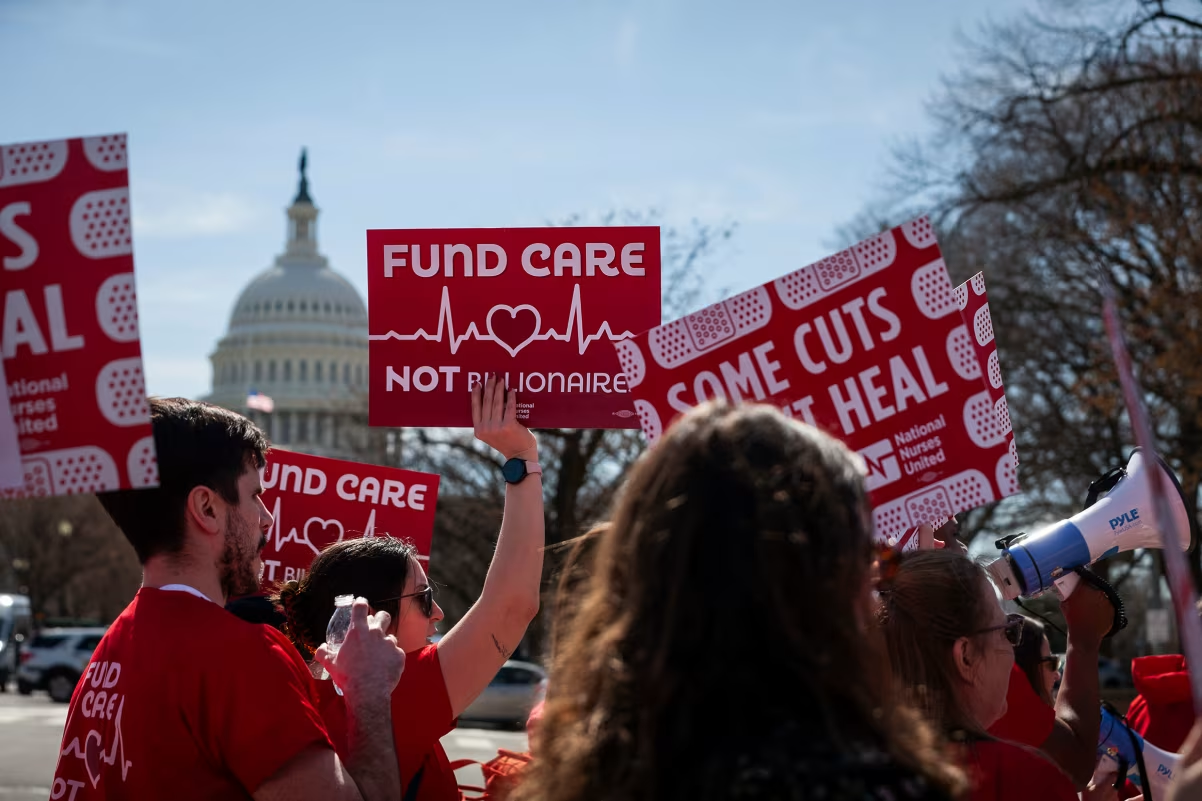
Republicans are quietly rolling back Obamacare. Here’s how
Entities mentioned:
- Republicans: Control, Power, Influence
- Donald Trump: Power, Legacy, Control
- John McCain: Duty, Righteousness, Self-respect
- Joe Biden: Legacy, Duty, Influence
- Democrats: Justice, Duty, Influence
- Centers for Medicare and Medicaid Services: Control, Duty, Professional pride
- Larry Levitt: Professional pride, Duty, Influence
- Jennifer Sullivan: Justice, Professional pride, Duty
- Brian Blase: Professional pride, Influence, Righteousness
Article Assessment:
Credibility Score: 75/100
Bias Rating: 45/100 (Center)
Sentiment Score: 35/100
Authoritarianism Risk: 25/100 (Generally Democratic)
Bias Analysis:
The article presents multiple viewpoints and cites various sources, including both liberal and conservative think tanks. However, it gives slightly more space to critiques of the Republican changes, suggesting a mild left-leaning bias.
Key metric: Healthcare Coverage Rate
As a social scientist, I analyze that the Republican efforts to modify the Affordable Care Act (ACA) through legislative and regulatory changes are likely to have significant impacts on healthcare coverage in the United States. The new law and CMS rule are expected to reduce enrollment in ACA plans by making it more difficult to enroll and maintain coverage, increasing costs for enrollees, and restricting eligibility for certain groups. This is projected to lead to millions more uninsured Americans over the next decade, reversing gains made since the ACA's implementation. The changes also risk destabilizing the ACA marketplaces by potentially driving out healthier enrollees, which could lead to premium increases and insurer exits. These actions, while less overt than previous repeal attempts, represent a significant shift in healthcare policy that could have long-lasting effects on access to health insurance and healthcare services for many Americans.

DNC chair takes steps to restrict corporate and dark money in 2028 primaries
Entities mentioned:
- Ken Martin: Righteousness, Reform, Influence
- Democratic National Committee (DNC): Unity, Control, Reform
- Bernie Sanders: Moral outrage, Justice, Influence
- AIPAC: Influence, Power, Loyalty
- Chuck Schumer: Power, Unity, Duty
- Jaime Harrison: Skepticism, Pragmatism, Duty
Article Assessment:
Credibility Score: 75/100
Bias Rating: 45/100 (Center)
Sentiment Score: 55/100
Authoritarianism Risk: 20/100 (Strongly Democratic)
Bias Analysis:
The article presents multiple viewpoints, including both proponents and critics of the proposed changes, indicating a relatively balanced approach. However, there's a slight lean towards emphasizing the progressive stance, which may reflect a center-left perspective.
Key metric: Campaign Finance Reform Progress
As a social scientist, I analyze that this article highlights a significant shift in the Democratic Party's approach to campaign finance reform. The DNC's consideration of restricting corporate and dark money in primaries indicates a growing influence of progressive ideas within the party. This move could potentially reshape the landscape of primary elections, affecting candidate strategies and donor behaviors. However, the practical implementation of such restrictions faces considerable challenges, including legal constraints and potential competitive disadvantages. The debate within the party reflects broader tensions between idealistic reform goals and pragmatic political considerations. This initiative, if pursued, could have far-reaching implications for political fundraising, campaign strategies, and the overall democratic process in the United States.