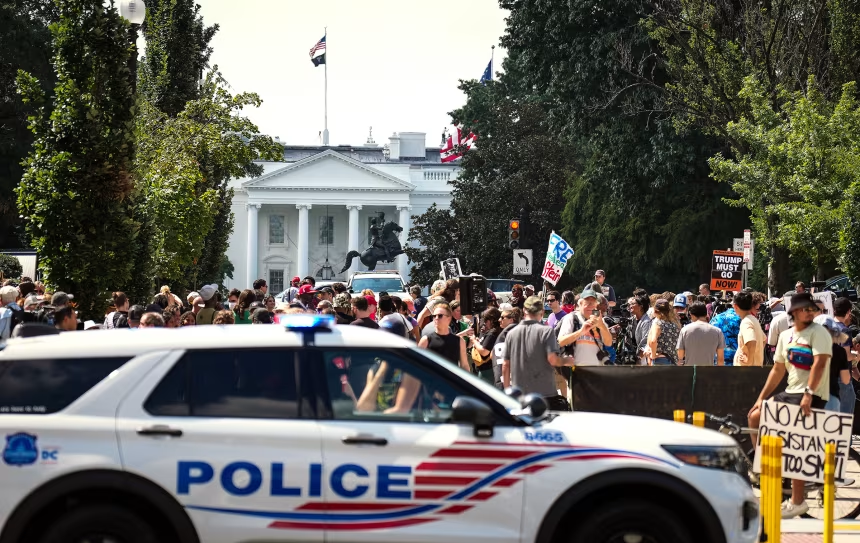
Police and federal agencies scramble to figure out strategy after Trump’s move to declare DC emergency
Entities mentioned:
- Donald Trump: Power, Control, Legacy
- Metropolitan Police Department: Duty, Security, Professional pride
- Muriel Bowser: Autonomy, Duty, Indignation
- Pamela Smith: Professional pride, Duty, Wariness
- Pam Bondi: Duty, Power, Loyalty
- FBI: Duty, Security, Wariness
- DC National Guard: Duty, Security, Obligation
Article Assessment:
Credibility Score: 75/100
Bias Rating: 45/100 (Center)
Sentiment Score: 35/100
Authoritarianism Risk: 65/100 (Authoritarian Tendencies)
Bias Analysis:
The article presents multiple viewpoints, including those of Trump, Bowser, and law enforcement experts. It balances Trump's claims with contradictory data and expert opinions, maintaining a relatively neutral stance.
Key metric: Law Enforcement Effectiveness
As a social scientist, I analyze that this unprecedented federalization of DC's police force raises significant concerns about the balance of power between local and federal authorities. The abrupt nature of the decision, lack of communication, and confusion over roles could potentially decrease law enforcement effectiveness in the short term. The deployment of federal agents unfamiliar with community policing alongside local officers may lead to operational challenges and potentially strained community relations. This move also highlights the unique status of Washington, DC, and its lack of statehood, which allows for such federal intervention. The contrasting crime rate narratives between Trump and Bowser further complicate the situation, making it difficult to assess the true need for this intervention. The 30-day limit on this action suggests it may have limited long-term impact on addressing root causes of crime, as noted by expert Dr. Heidi Bonner.
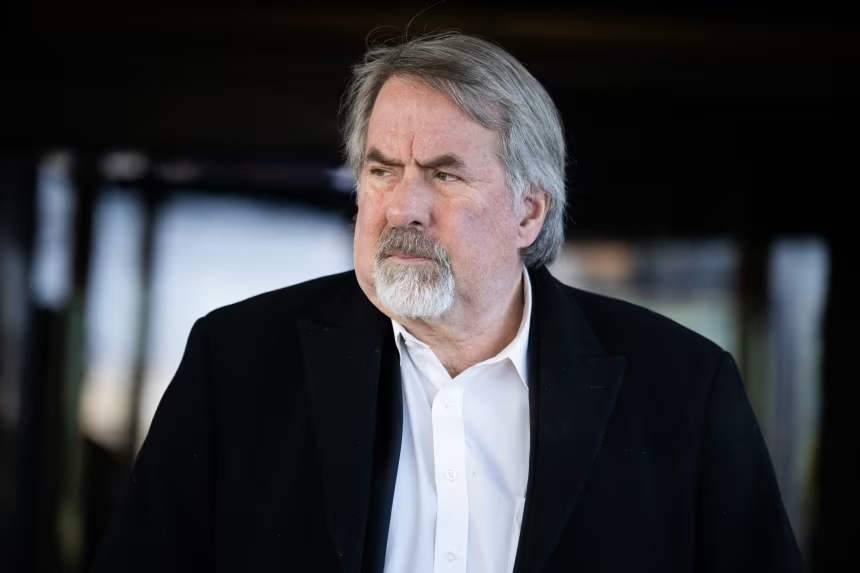
California GOP lawmaker faces taunts and jeers over Trump’s ‘big, beautiful bill’ at town halls
Entities mentioned:
- Doug LaMalfa: Loyalty, Duty, Self-preservation
- Donald Trump: Power, Control, Legacy
- Mike Flood: Duty, Loyalty, Self-preservation
- NRCC: Power, Control, Influence
- Gavin Newsom: Power, Influence, Competitive spirit
Article Assessment:
Credibility Score: 75/100
Bias Rating: 55/100 (Center)
Sentiment Score: 35/100
Authoritarianism Risk: 40/100 (Generally Democratic)
Bias Analysis:
The article presents multiple viewpoints and includes direct quotes from both the congressman and constituents. While it highlights criticisms of LaMalfa and Trump's policies, it also allows for LaMalfa's responses and explanations, maintaining a relatively balanced perspective.
Key metric: Political Polarization Index
As a social scientist, I analyze that this article highlights the growing political polarization in the United States, particularly in rural areas. The hostile reception of Rep. LaMalfa at town hall meetings indicates a deepening divide between Republican representatives and their constituents over Trump's policies. The focus on controversial issues such as climate change, tariffs, and redistricting further emphasizes the ideological gaps. This polarization is likely to impact voter trust, political engagement, and the ability of elected officials to effectively represent their constituents. The article also touches on the broader implications of redistricting efforts, which could significantly alter the political landscape and potentially exacerbate partisan tensions.