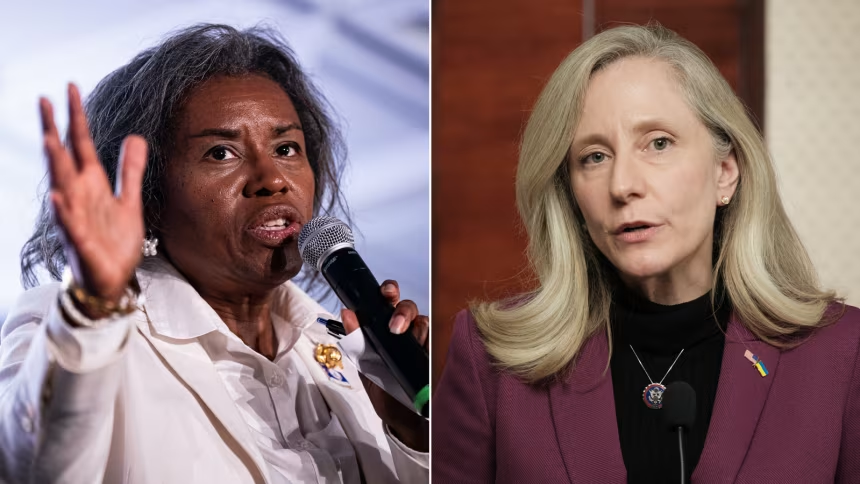
Spanberger and Earle-Sears still at odds over when to debate in Virginia governor’s race
Entities mentioned:
- Winsome Earle-Sears: Ambition, Competitive spirit, Recognition
- Abigail Spanberger: Ambition, Control, Professional pride
- CNN: Recognition, Influence, Professional pride
- Virginia Police Benevolent Association: Influence, Security, Professional pride
- Peyton Vogel: Loyalty, Professional pride, Influence
- Samson Signori: Loyalty, Control, Professional pride
Article Assessment:
Credibility Score: 75/100
Bias Rating: 55/100 (Center)
Sentiment Score: 45/100
Authoritarianism Risk: 25/100 (Generally Democratic)
Bias Analysis:
The article presents both candidates' perspectives relatively evenly, quoting spokespersons from each campaign. While it gives slightly more context for Earle-Sears' position, it maintains a generally balanced approach to reporting the debate situation.
Key metric: Voter Engagement and Participation
As a social scientist, I analyze that this article highlights the strategic maneuvering in the Virginia governor's race, particularly regarding debate participation. The disagreement over debate venues and formats reflects each campaign's attempt to control the narrative and gain a perceived advantage. This conflict could impact voter engagement by potentially limiting direct comparisons between candidates and reducing opportunities for voters to assess them side-by-side. The involvement of CNN, a national network, versus local broadcasters also speaks to tensions between national and local interests in state-level politics. The police association's split endorsements suggest a complex political landscape that doesn't cleanly align with party lines on all issues. Overall, this situation may lead to decreased voter engagement if debates are limited or seen as inaccessible, potentially affecting turnout and informed decision-making in the election.
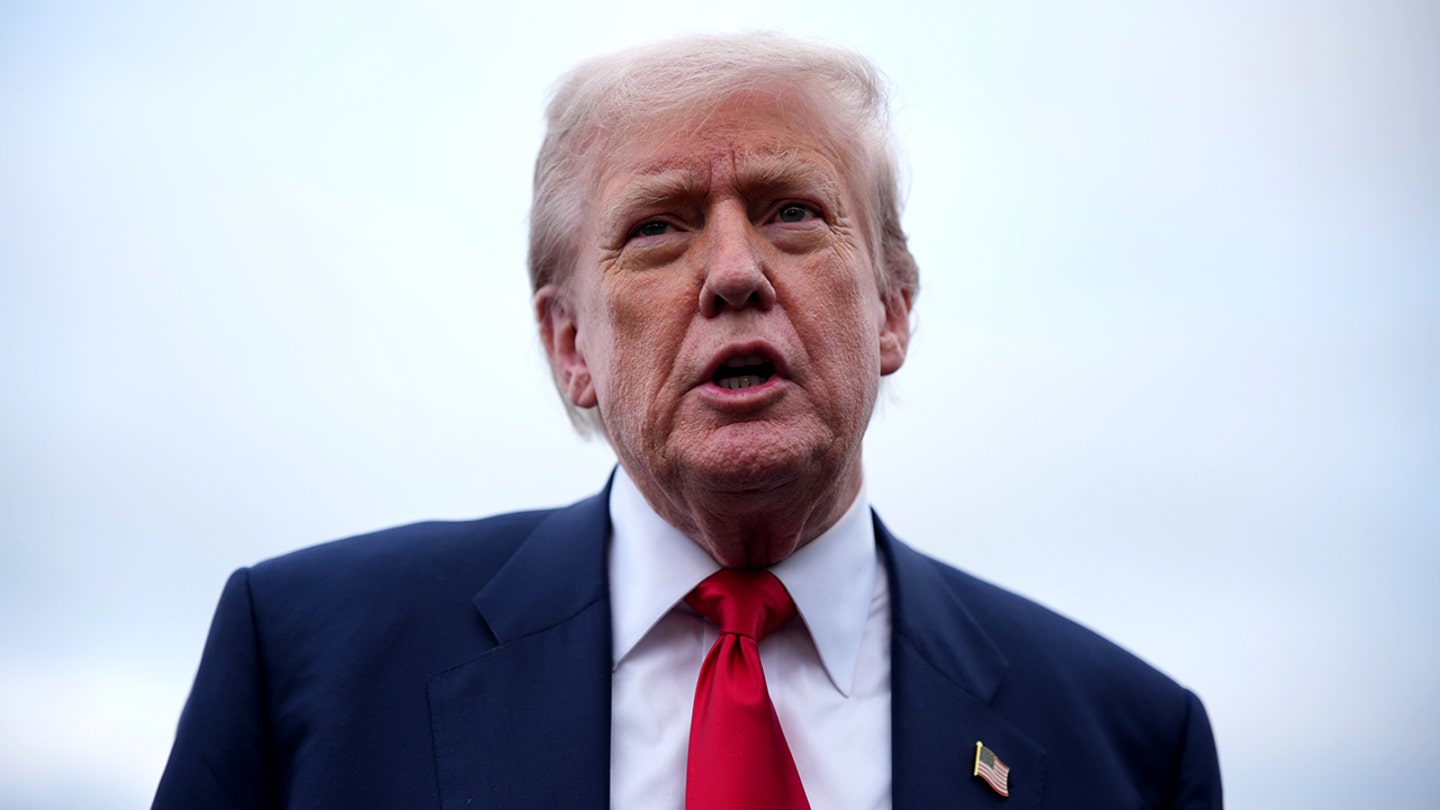
Capitol Hill prepares for high-stakes battle over Trump crime package, DC police authority
Entities mentioned:
- Donald Trump: Power, Control, Legacy
- Lindsey Graham: Loyalty, Influence, Professional pride
- Pam Bondi: Duty, Professional pride, Loyalty
- Katie Britt: Professional pride, Duty, Influence
- Chuck Schumer: Moral outrage, Opposition, Power
- Dick Durbin: Moral outrage, Opposition, Justice
- Republicans: Loyalty, Power, Control
- Democrats: Opposition, Justice, Freedom
Article Assessment:
Credibility Score: 70/100
Bias Rating: 55/100 (Center)
Sentiment Score: 35/100
Authoritarianism Risk: 65/100 (Authoritarian Tendencies)
Bias Analysis:
The article presents views from both Republican and Democratic sides, but gives slightly more space to Republican perspectives. It includes direct quotes from both parties, maintaining a relatively balanced approach despite the controversial nature of the topic.
Key metric: Crime Rate in Washington D.C.
As a social scientist, I analyze that this article highlights a growing political conflict over control of Washington D.C.'s law enforcement. President Trump's proposed crime package and desire to extend control over D.C. police signify a push for federal intervention in local affairs, framed as a necessary step to reduce crime. This move is supported by Republicans but strongly opposed by Democrats, who view it as an overreach of executive power. The conflict reflects broader tensions between federal and local authority, as well as partisan divides on approaches to crime and governance. The potential use of emergency powers to bypass Congress further escalates the situation, raising concerns about the balance of power and democratic processes. This conflict could significantly impact D.C.'s crime rates and policing practices, depending on which approach prevails.