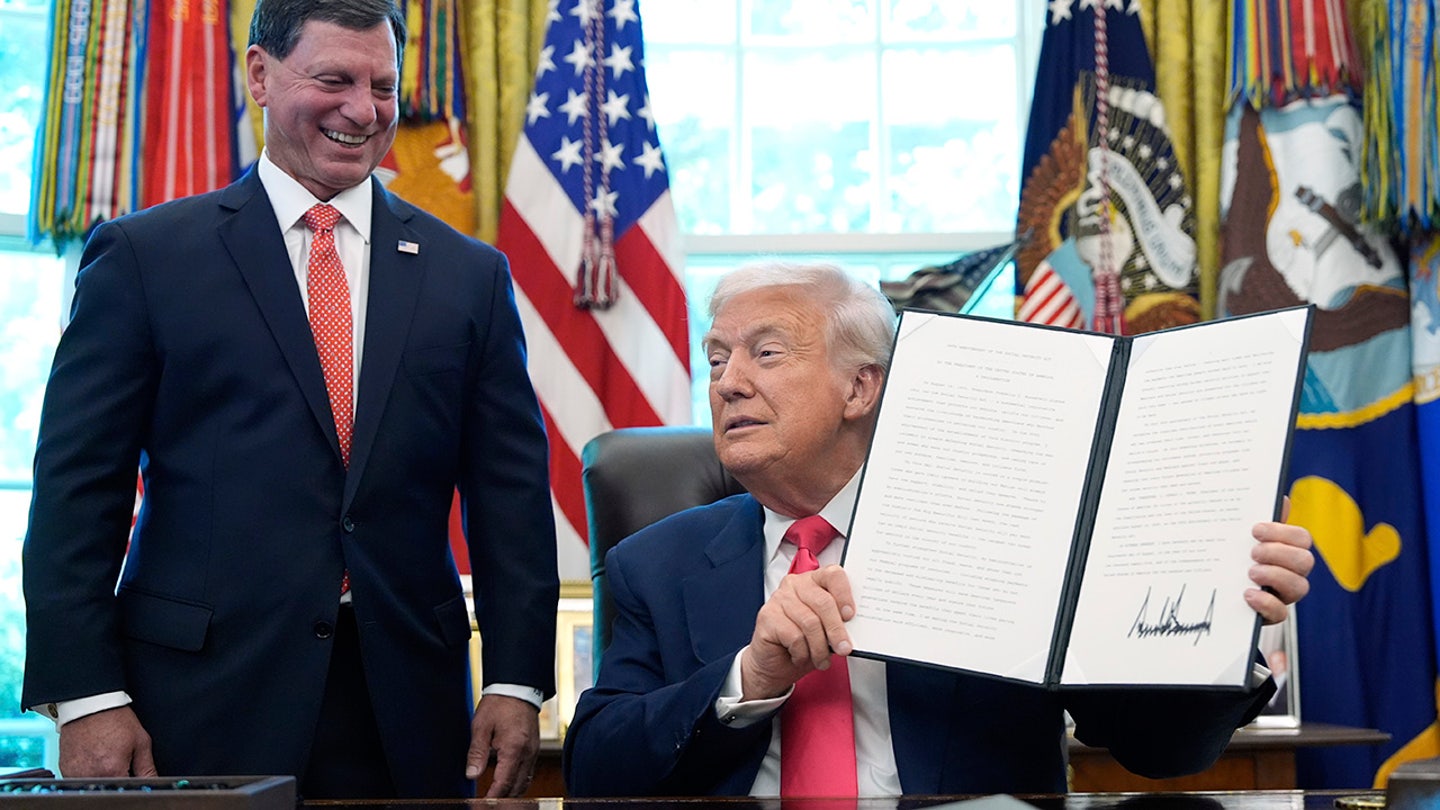
Social Security stronger under Trump, critics pushing ‘false’ narrative, commissioner says
Entities mentioned:
- Donald Trump: Power, Legacy, Self-preservation
- Frank Bisignano: Loyalty, Professional pride, Righteousness
- Democrats: Moral outrage, Control, Unity
- Social Security Administration: Duty, Efficiency, Security
- Joe Biden: Competitive spirit, Control, Legacy
Article Assessment:
Credibility Score: 55/100
Bias Rating: 75/100 (Lean Right)
Sentiment Score: 70/100
Authoritarianism Risk: 35/100 (Generally Democratic)
Bias Analysis:
The article heavily favors the Trump administration's perspective, primarily quoting the Social Security commissioner appointed by Trump. It lacks opposing viewpoints or independent expert analysis, presenting a one-sided narrative that aligns with right-leaning political views.
Key metric: Social Security System Efficiency
As a social scientist, I analyze that this article presents a defense of the Trump administration's management of Social Security, countering criticisms from Democrats. The key points revolve around improved efficiency through technology adoption, reduced wait times, and cleared backlogs. The commissioner, Frank Bisignano, argues that critics are pushing a false narrative due to political motivations. The article suggests a significant transformation in Social Security operations, moving from a check-based system to a more technologically advanced one. However, the strong partisan tone and lack of opposing viewpoints raise questions about the balanced representation of the issue. The emphasis on operational improvements without addressing long-term sustainability concerns presents a potentially incomplete picture of Social Security's overall health.
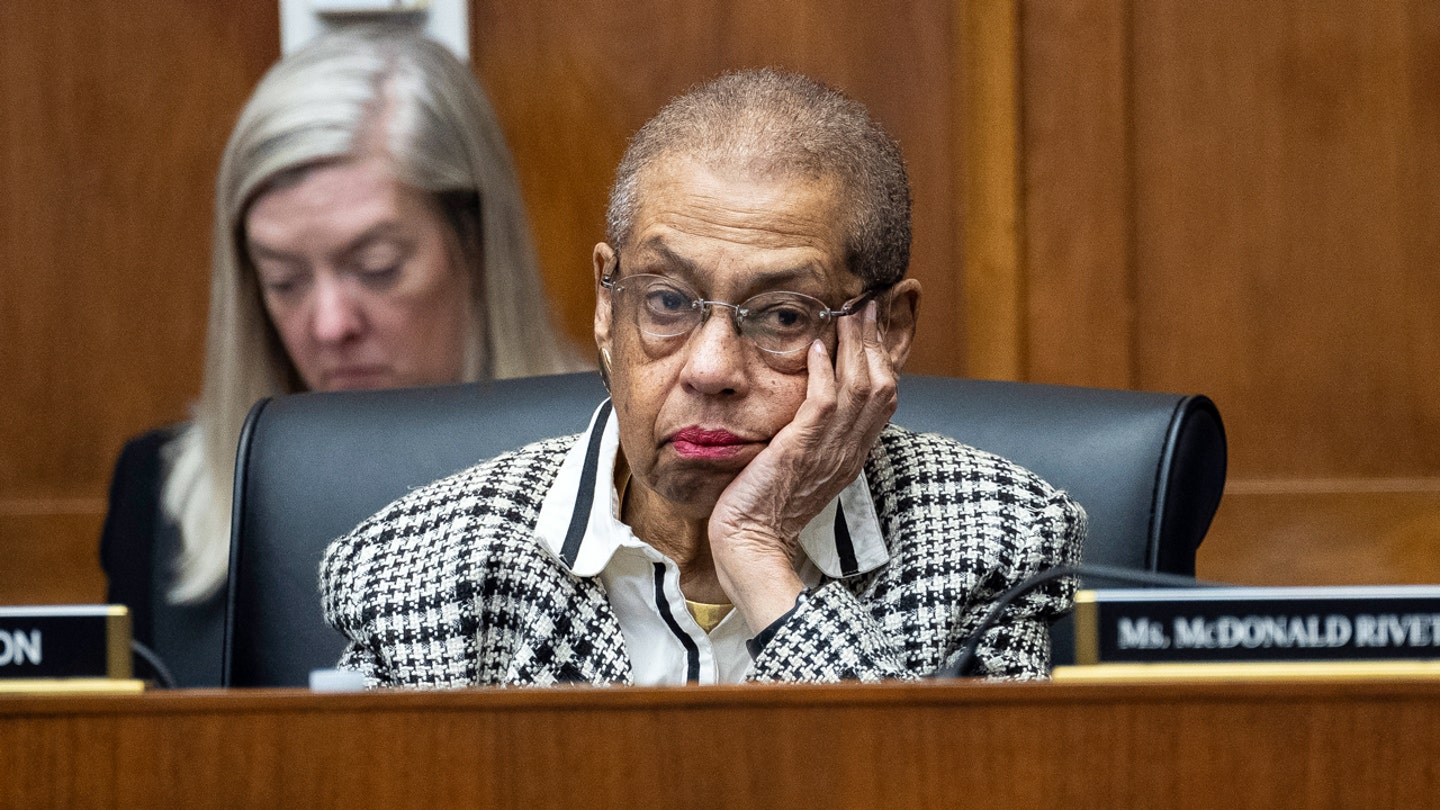
All eyes on Washington, and naught but deafening silence from the District's loudest defender
Entities mentioned:
- Eleanor Holmes Norton: Duty, Justice, Determination
- David Dreier: Control, Power, Influence
- Donald Trump: Power, Control, Influence
- Muriel Bowser: Duty, Self-preservation, Indignation
- Chris Van Hollen: Justice, Moral outrage, Duty
- Brandon Scott: Duty, Justice, Indignation
- Phil Mendelson: Loyalty, Wariness, Duty
- Hakeem Jeffries: Unity, Loyalty, Self-preservation
- Kinney Zalesne: Ambition, Justice, Competitive spirit
Article Assessment:
Credibility Score: 75/100
Bias Rating: 45/100 (Center)
Sentiment Score: 35/100
Authoritarianism Risk: 55/100 (Mixed/Neutral)
Bias Analysis:
The article presents multiple perspectives and quotes from various political figures, maintaining a relatively balanced approach. While it raises questions about Norton's recent inactivity, it also provides context and historical background, avoiding overtly partisan language.
Key metric: Democratic Representation
As a social scientist, I analyze that this article highlights a critical juncture in Washington D.C.'s struggle for full representation and local autonomy. The absence of Eleanor Holmes Norton's typically forceful advocacy during a time of federal intervention in local affairs underscores the precarious position of D.C.'s governance. This situation exemplifies the ongoing tension between federal control and local self-determination in the District, impacting the key metric of Democratic Representation. The deployment of federal forces without local consent and the relative silence of D.C.'s primary congressional advocate raise significant questions about the balance of power and the effectiveness of non-voting representation. This event may serve as a catalyst for renewed discussions on D.C. statehood and the broader implications for democratic representation in the U.S. political system.