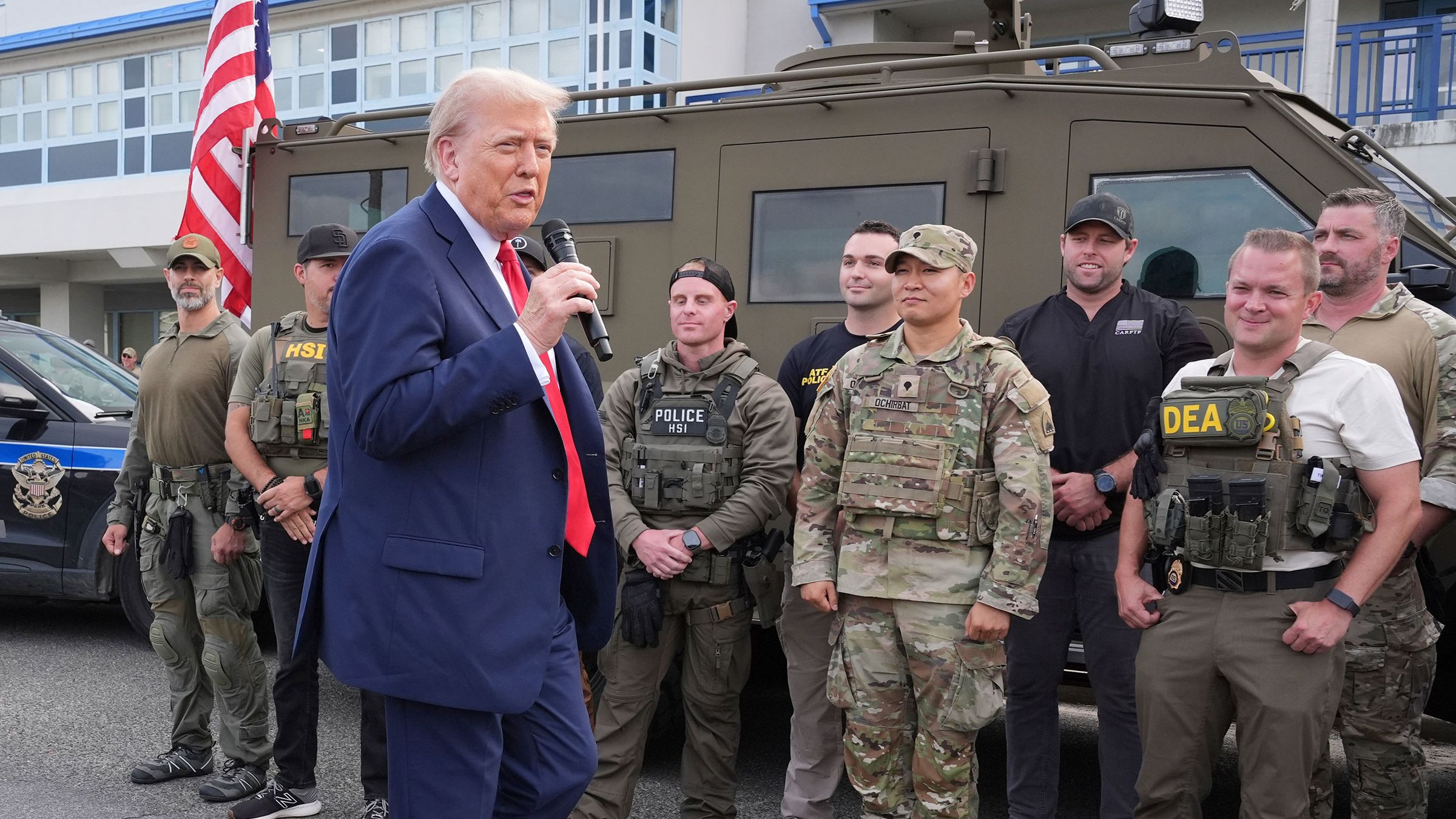
Trump says law enforcement crackdown will ‘go on to other places’ during appearance at police facility in DC
Entities mentioned:
- Donald Trump: Power, Control, Recognition
- US Park Police: Duty, Security, Professional pride
- National Guard: Duty, Security, Obligation
- JD Vance: Loyalty, Ambition, Influence
- DC Residents: Freedom, Self-preservation, Indignation
Article Assessment:
Credibility Score: 70/100
Bias Rating: 55/100 (Center)
Sentiment Score: 35/100
Authoritarianism Risk: 65/100 (Authoritarian Tendencies)
Bias Analysis:
The article presents multiple viewpoints, including Trump's statements, opposition from DC residents, and critical perspectives. However, it leans slightly towards emphasizing concerns about the federal intervention, potentially reflecting a slight center-left bias.
Key metric: Public Trust in Government
As a social scientist, I analyze that this article highlights a significant tension between federal authority and local governance in Washington, DC. The expansion of federal law enforcement presence, including the National Guard, into city affairs without local support (79% opposition) indicates a potential erosion of public trust in government. This action, framed as a safety measure by the administration, is perceived differently by residents, suggesting a disconnect between federal intentions and local desires. The potential expansion to other cities could further strain federal-local relations and impact democratic norms, particularly in areas with strong local governance traditions. The emphasis on clearing homeless encampments without clear alternatives also raises concerns about social policy approaches and their impact on vulnerable populations.
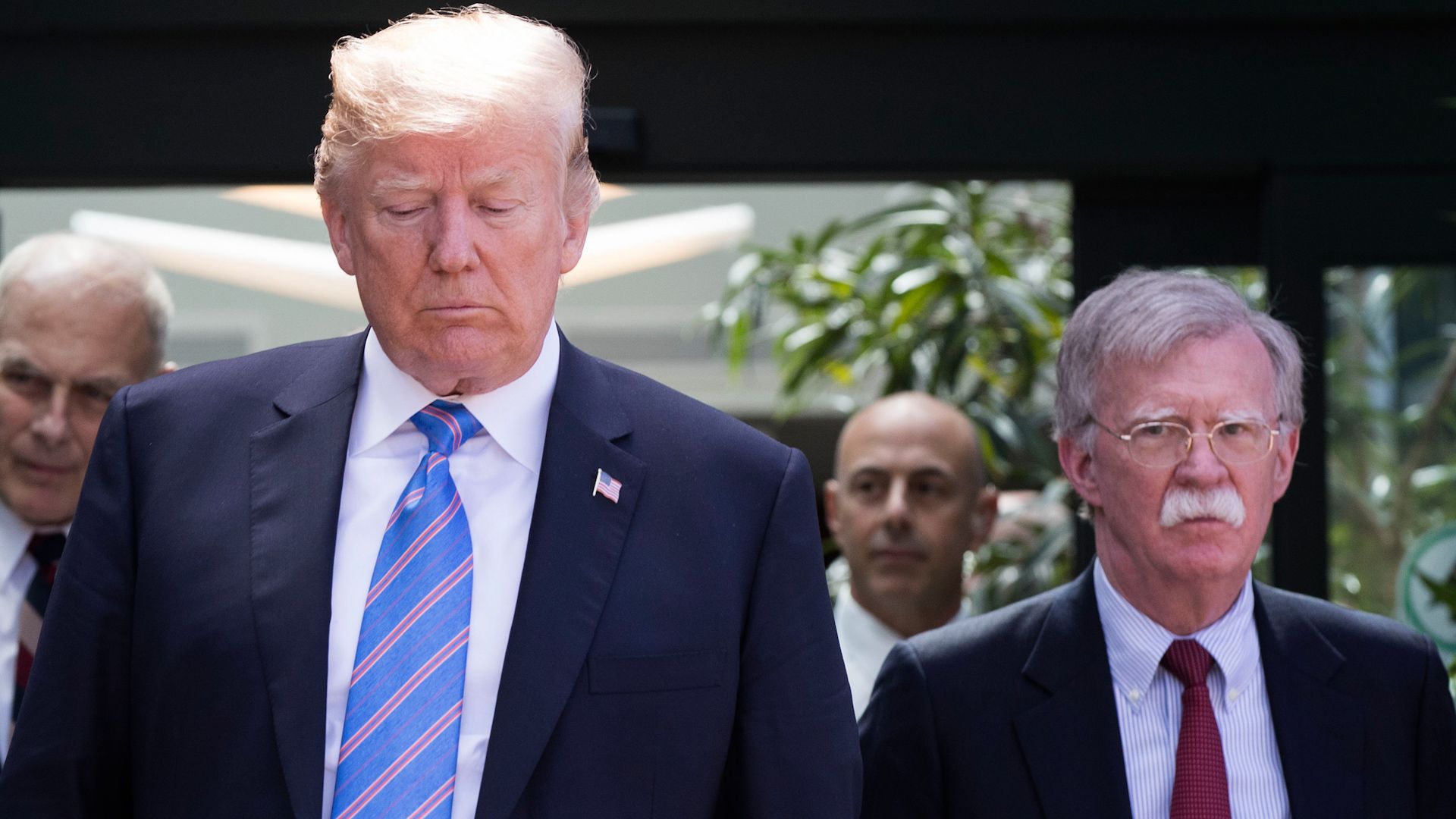
FBI conducts search at Trump critic John Bolton’s home and office as part of resumed national security investigation
Entities mentioned:
- John Bolton: Self-preservation, Professional pride, Righteousness
- Donald Trump: Power, Control, Revenge
- FBI: Duty, Justice, Control
- Justice Department: Justice, Duty, Control
- JD Vance: Loyalty, Duty, Influence
- Kash Patel: Power, Loyalty, Control
Article Assessment:
Credibility Score: 65/100
Bias Rating: 55/100 (Center)
Sentiment Score: 30/100
Authoritarianism Risk: 65/100 (Authoritarian Tendencies)
Bias Analysis:
The article presents multiple perspectives and cites various sources, including both Trump administration officials and critics. However, there's a slight lean towards framing the event as potentially politically motivated, which may reflect a centrist to slightly left-leaning bias.
Key metric: Rule of Law Index
As a social scientist, I analyze that this article highlights a concerning trend of potential politicization of law enforcement agencies. The renewed investigation into John Bolton, a vocal critic of President Trump, raises questions about the use of government power against political opponents. This action could significantly impact the Rule of Law Index, particularly in areas of constraints on government powers and absence of corruption. The public nature of the search and the social media activity of top FBI officials further suggest a departure from standard investigative practices, potentially eroding public trust in law enforcement institutions. The timing and context of this investigation, following Bolton's criticism of Trump's foreign policy, particularly regarding Russia and Ukraine, add to concerns about potential abuse of power and selective enforcement of laws.
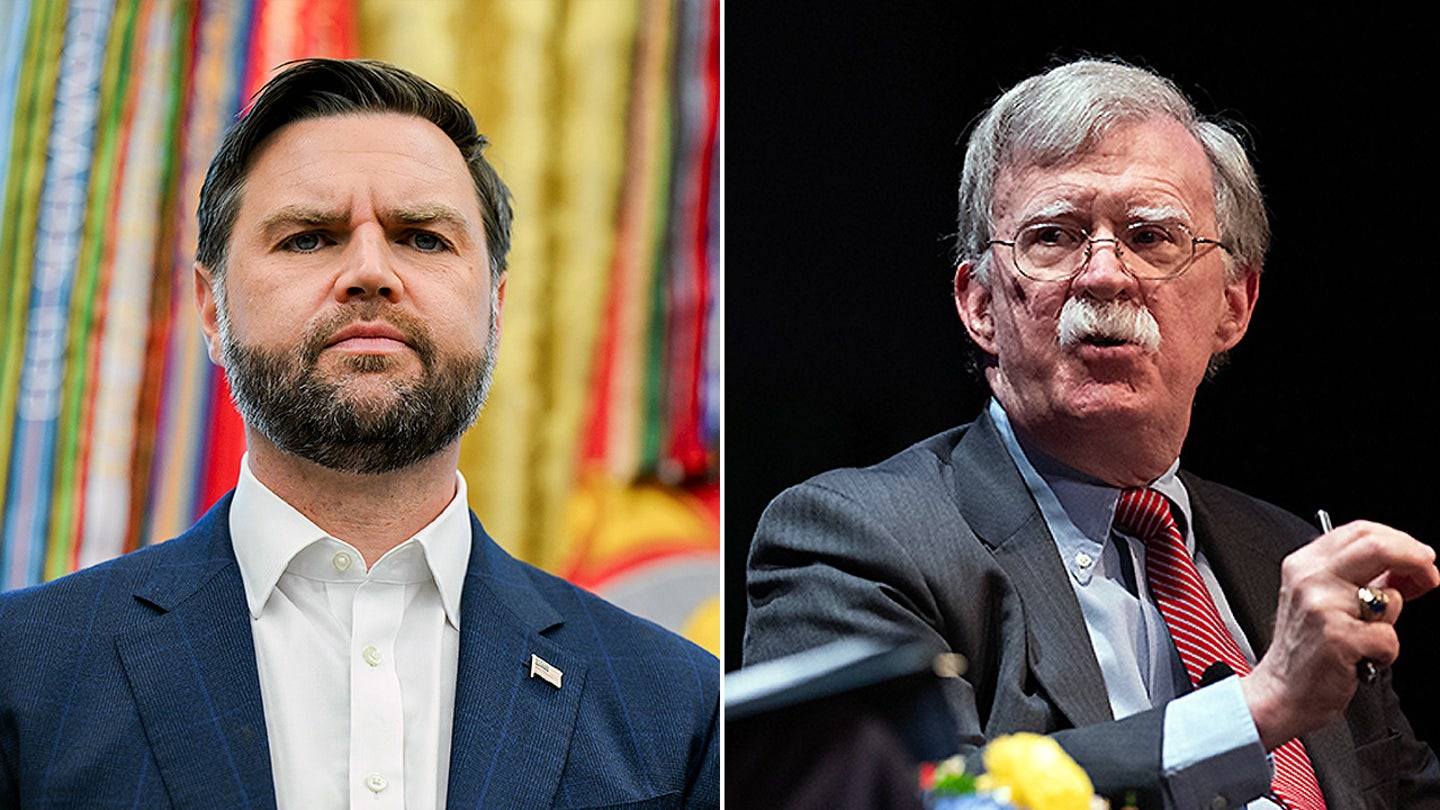
JD Vance insists FBI searching Bolton home ‘not at all’ about political retribution
Entities mentioned:
- JD Vance: Loyalty, Duty, Professional pride
- John Bolton: Self-preservation, Justice, Righteousness
- Donald Trump: Power, Control, Revenge
- FBI: Duty, Justice, Security
- Biden administration: Power, Control, Justice
Article Assessment:
Credibility Score: 70/100
Bias Rating: 55/100 (Center)
Sentiment Score: 35/100
Authoritarianism Risk: 60/100 (Mixed/Neutral)
Bias Analysis:
The article presents multiple viewpoints and includes context from various political perspectives. However, it relies heavily on quotes from Vance, a Trump administration official, which could slightly skew the narrative.
Key metric: Political Polarization Index
As a social scientist, I analyze that this article highlights the ongoing tension between political factions and the use of federal agencies in politically charged investigations. The raid on John Bolton's home, a former Trump administration official turned critic, raises questions about the potential weaponization of law enforcement for political purposes. Vice President Vance's denial of political motivation contrasts with the historical context of Bolton's criticism of Trump and the previous legal battles over his memoir. This event likely exacerbates political polarization, as it can be interpreted differently by various political groups, potentially reinforcing existing beliefs about government overreach or necessary accountability.
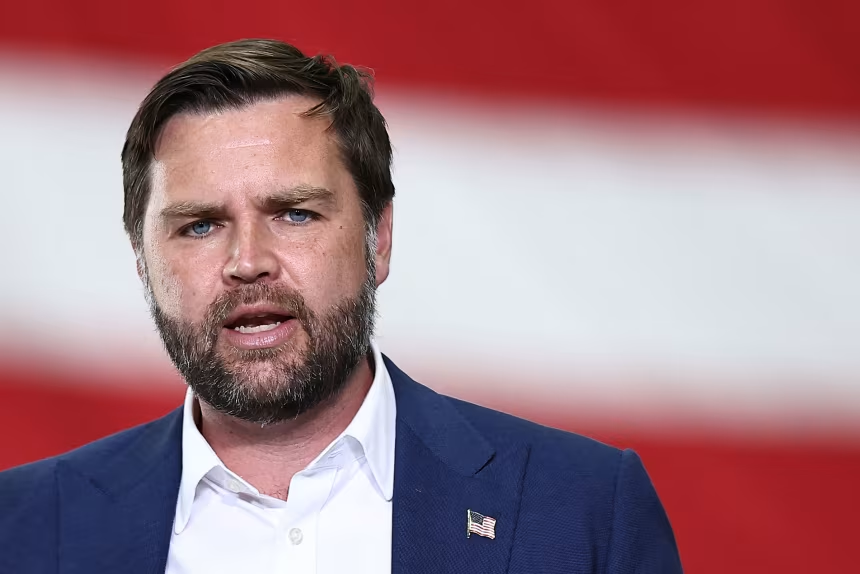
Vance heads to Georgia to tout GOP tax cuts — and take aim at Sen. Jon Ossoff
Entities mentioned:
- JD Vance: Ambition, Influence, Power
- Jon Ossoff: Self-preservation, Justice, Duty
- Will Martin: Loyalty, Competitive spirit, Influence
- Brian Kemp: Self-preservation, Ambition
- Republican Party: Power, Control, Influence
- Democratic Party: Power, Justice, Influence
Article Assessment:
Credibility Score: 70/100
Bias Rating: 55/100 (Center)
Sentiment Score: 45/100
Authoritarianism Risk: 30/100 (Generally Democratic)
Bias Analysis:
The article presents views from both Republican and Democratic sides, attempting to balance perspectives. However, slightly more space is given to Republican messaging, with more detailed explanations of their tax plan.
Key metric: Economic Inequality
As a social scientist, I analyze that this article highlights the ongoing political battle over tax policy and its impact on economic inequality. The GOP's tax law, championed by Vice President Vance, is presented as beneficial for middle-class families, while Democrats, represented by Senator Ossoff, argue it primarily benefits the wealthy. This debate directly affects economic inequality by potentially altering the distribution of wealth through tax policy. The article also underscores the importance of Georgia as a battleground state, with both parties vying for influence over public opinion on economic issues. The contrasting narratives presented by Vance and Ossoff reflect broader ideological differences on taxation and government spending, which have significant implications for economic inequality in the United States.

Trump escalates attacks against Smithsonian museums, says there’s too much focus on ‘how bad slavery was’
Entities mentioned:
- Donald Trump: Control, Power, Influence
- Smithsonian Institution: Professional pride, Duty, Curiosity
- Lonnie Bunch III: Professional pride, Duty, Education
- Janet Marstine: Professional pride, Duty, Wariness
- JD Vance: Loyalty, Power, Influence
- Lindsey Halligan: Loyalty, Power, Control
- Jillian Michaels: Righteousness, Indignation, Influence
Article Assessment:
Credibility Score: 75/100
Bias Rating: 45/100 (Center)
Sentiment Score: 35/100
Authoritarianism Risk: 65/100 (Authoritarian Tendencies)
Bias Analysis:
The article presents multiple viewpoints and includes direct quotes from various sources. While it gives more space to criticisms of Trump's actions, it also includes perspectives supporting his stance, maintaining a relatively balanced approach.
Key metric: Cultural Cohesion
As a social scientist, I analyze that this article highlights a significant conflict between political ideology and historical education in the United States. The attempt to control narrative in cultural institutions like the Smithsonian represents a potential shift in how national history is presented and understood. This could have far-reaching effects on cultural cohesion, potentially polarizing public opinion on historical interpretations and impacting national identity formation. The administration's actions suggest an attempt to reshape collective memory, which could lead to a more fragmented understanding of American history across different segments of society. This conflict between political directives and academic/curatorial expertise also raises questions about the independence of cultural institutions and their role in society.
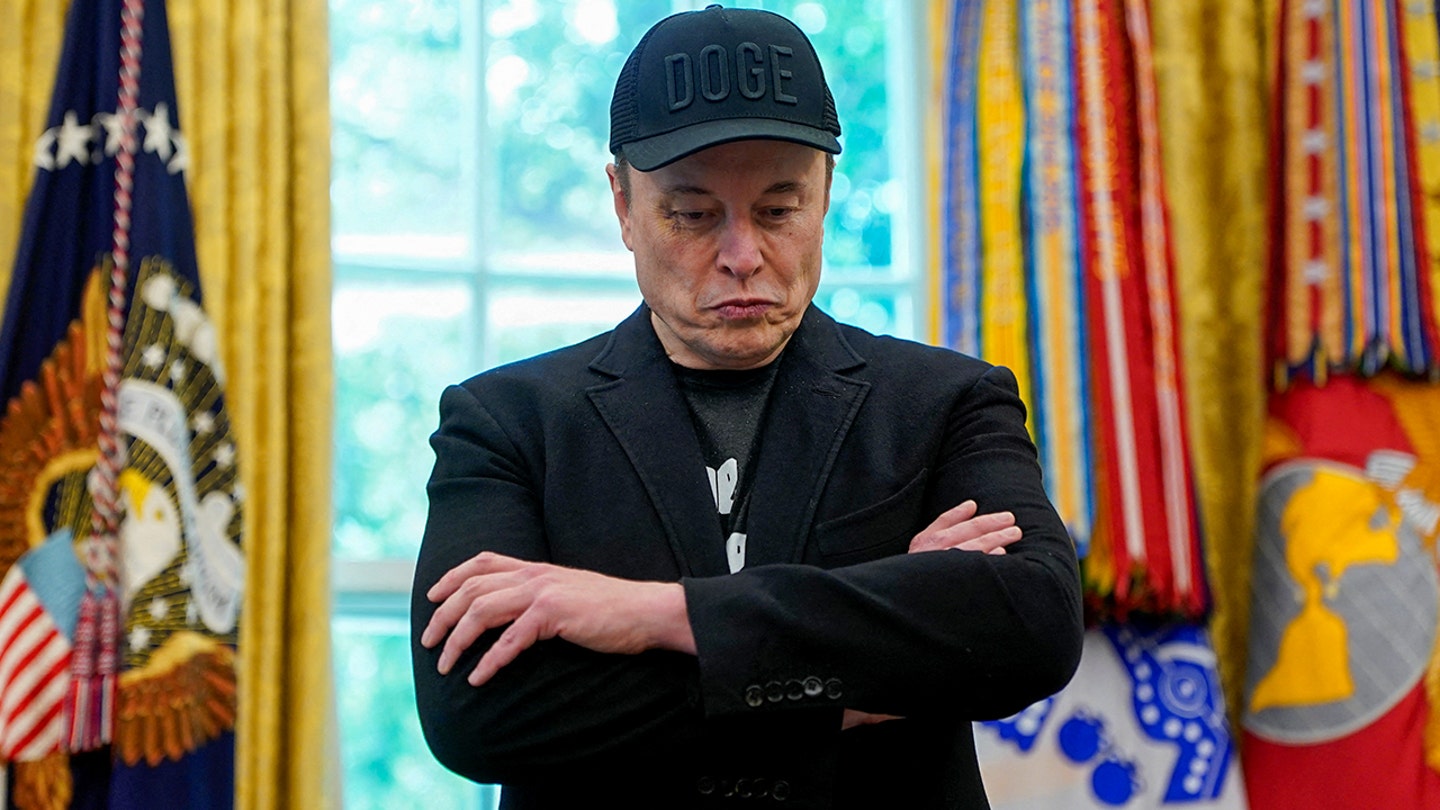
Elon Musk halts plans for new political party, prioritizing business instead: report
Entities mentioned:
- Elon Musk: Ambition, Influence, Self-preservation
- America Party: Unity, Freedom, Change
- Republican Party (GOP): Power, Control, Self-preservation
- JD Vance: Ambition, Power, Loyalty
- Donald Trump: Power, Control, Revenge
- Department of Government Efficiency: Duty, Professional pride, Control
Article Assessment:
Credibility Score: 65/100
Bias Rating: 55/100 (Center)
Sentiment Score: 45/100
Authoritarianism Risk: 35/100 (Generally Democratic)
Bias Analysis:
The article presents a relatively balanced view, incorporating multiple perspectives and sources. However, there's a slight lean towards emphasizing the drama and personal conflicts, which is typical of center-right reporting on political figures.
Key metric: Political Polarization Index
As a social scientist, I analyze that this article highlights the complex interplay between business interests and political ambitions in the American political landscape. Musk's reported decision to halt plans for a new political party reflects the challenges of disrupting the established two-party system. The apparent reconciliation between Musk and Trump, after a period of public conflict, suggests a strategic realignment that could impact political discourse and voter sentiment. This development may contribute to maintaining the status quo in terms of political polarization, as the potential for a significant third-party option seems to have diminished. The article also underscores the influence of high-profile individuals in shaping public opinion and political narratives through social media platforms.
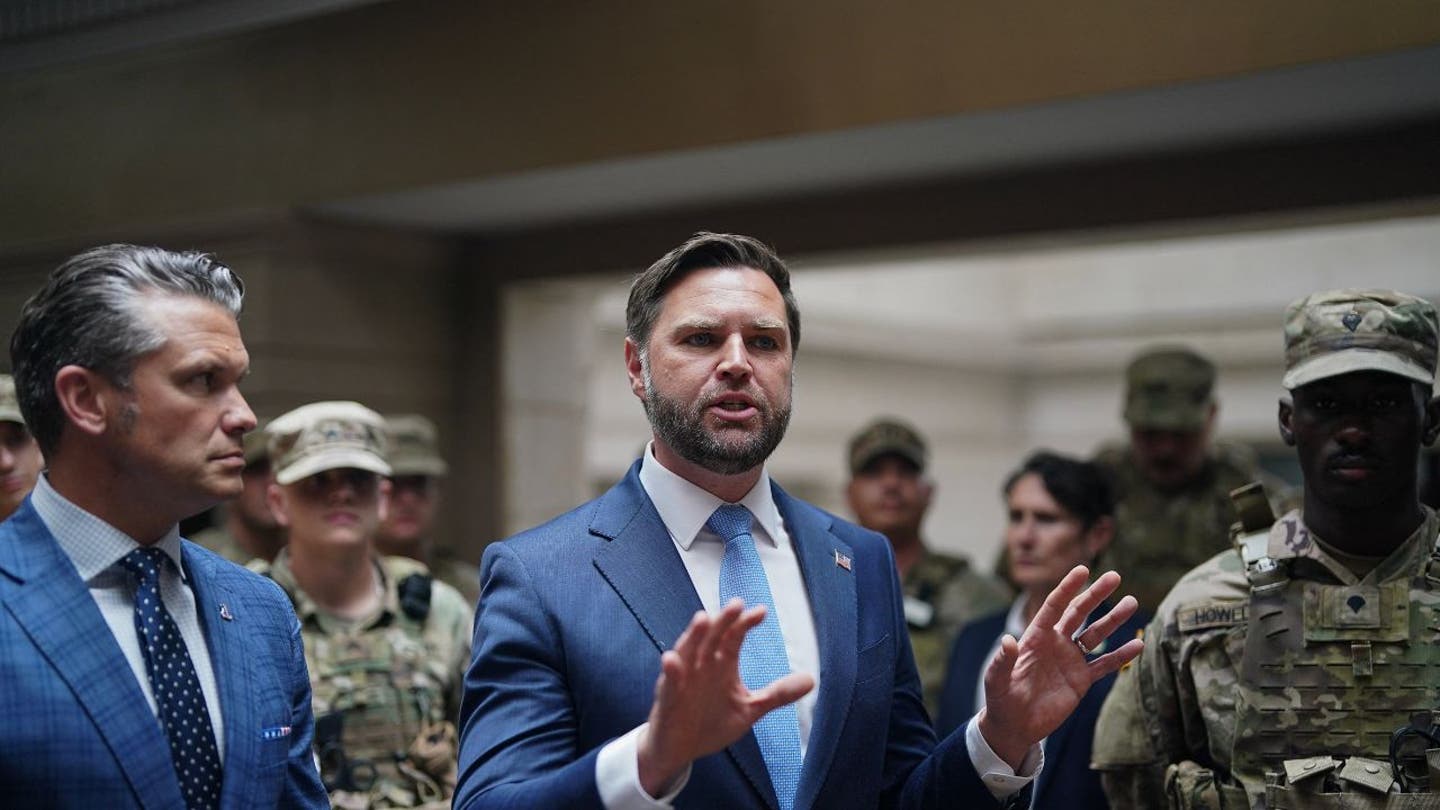
Vance, White House blast 'crazy communists' protesting DC clean-up, terrorizing locals: 'Stupid White hippies'
Entities mentioned:
- JD Vance: Righteousness, Security, Control
- Donald Trump: Power, Control, Legacy
- Pete Hegseth: Loyalty, Duty, Security
- Stephen Miller: Control, Righteousness, Moral outrage
- Protesters: Moral outrage, Justice, Freedom
- Trump Administration: Control, Security, Power
Article Assessment:
Credibility Score: 55/100
Bias Rating: 75/100 (Lean Right)
Sentiment Score: 30/100
Authoritarianism Risk: 70/100 (Authoritarian Tendencies)
Bias Analysis:
The article leans right, evidenced by its uncritical presentation of administration claims and use of loaded language against protesters. It primarily presents the administration's perspective without substantial counterbalancing views or fact-checking.
Key metric: Violent Crime Rate
As a social scientist, I analyze that this article highlights a contentious approach to addressing crime and homelessness in Washington D.C. The Trump administration's forceful intervention, while claiming to reduce crime, raises questions about civil liberties and the appropriate balance between security and individual rights. The rhetoric used by officials, particularly Miller, is divisive and potentially inflammatory, characterizing protesters as disconnected from the community and labeling them with politically charged terms. This approach may exacerbate social tensions and polarization. The reported 35% drop in violent crime over nine days is a significant claim that would require careful verification and context to fully assess its validity and sustainability.
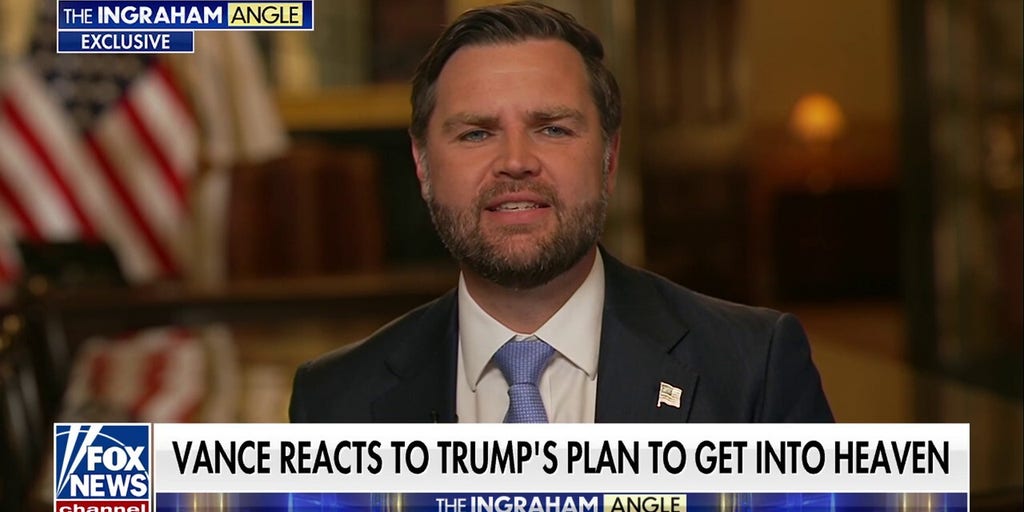
Vice President JD Vance opens up about President Trump's faith, hopes for Heaven
Entities mentioned:
- JD Vance: Loyalty, Influence, Duty
- Donald Trump: Legacy, Power, Recognition
- The Ingraham Angle: Influence, Recognition, Professional pride
Article Assessment:
Credibility Score: 55/100
Bias Rating: 75/100 (Lean Right)
Sentiment Score: 60/100
Authoritarianism Risk: 45/100 (Mixed/Neutral)
Bias Analysis:
The article leans right due to its focus on conservative figures and a traditionally conservative news program. The framing of faith as a positive attribute for political leaders suggests a right-leaning perspective.
Key metric: Public Trust in Government
As a social scientist, I analyze that this article potentially impacts public perception of political leadership and religious values in governance. The discussion of a president's faith and afterlife beliefs on a major news program could influence voter attitudes and shape public discourse on the intersection of personal beliefs and political office. This may affect trust in government by either reinforcing supporters' connection to leadership or alienating those who prefer secular governance.
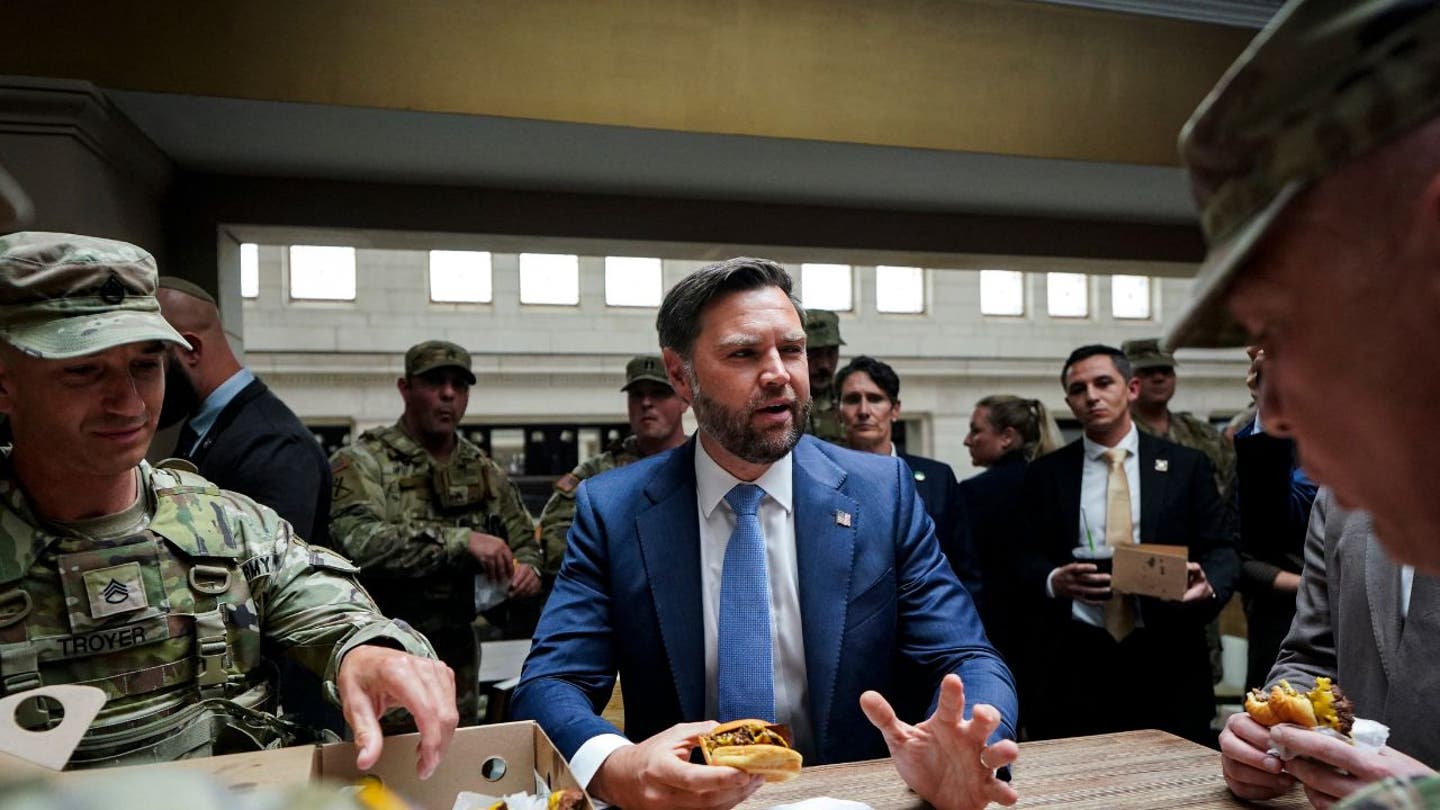
Vance says National Guard is 'busting their a--’ in Washington, floats mission extension
Entities mentioned:
- JD Vance: Righteousness, Duty, Professional pride
- Donald Trump: Power, Control, Security
- National Guard: Duty, Obligation, Security
- Metropolitan Police Department: Duty, Security, Professional pride
- Brian Schwalb: Justice, Indignation, Self-preservation
Article Assessment:
Credibility Score: 65/100
Bias Rating: 55/100 (Center)
Sentiment Score: 40/100
Authoritarianism Risk: 65/100 (Authoritarian Tendencies)
Bias Analysis:
The article presents both the administration's justification and local opposition, providing a somewhat balanced view. However, it gives more space to the administration's perspective and uses emotionally charged language when describing the situation at Union Station.
Key metric: Crime Rate
As a social scientist, I analyze that this article highlights a contentious federal intervention in local law enforcement in Washington, D.C. The deployment of National Guard troops and federalization of local police to address crime issues raises significant questions about the balance of power between federal and local authorities. The administration's actions, while framed as necessary for public safety, are being challenged legally as a potential overreach of federal power and a threat to local autonomy. This situation could have far-reaching implications for federal-local relations, public safety policies, and the interpretation of emergency powers. The extension of the mission beyond the initial 30-day period could further escalate tensions and potentially set new precedents for federal intervention in local affairs.
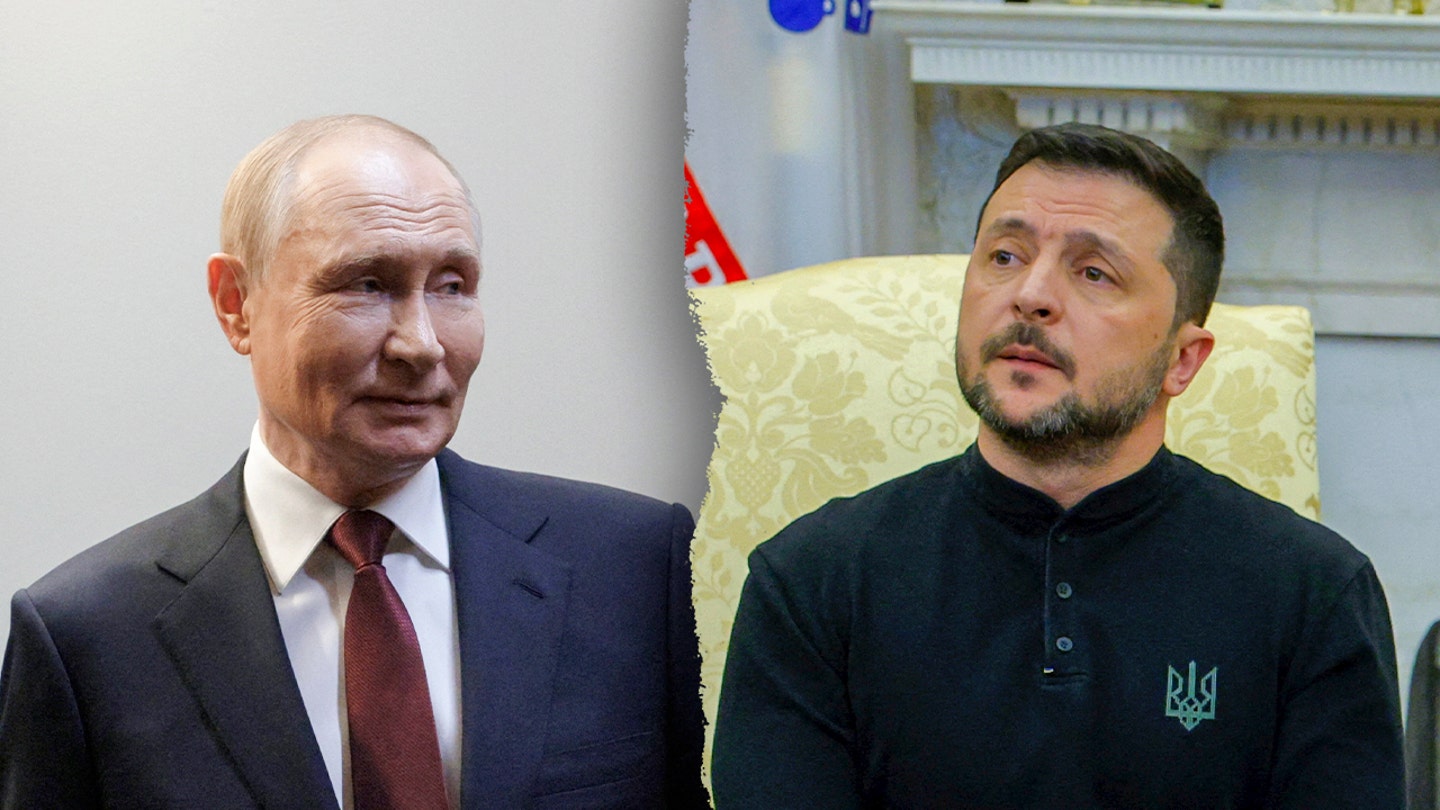
White House announces Putin agreed to bilateral meeting with Zelenskyy
Entities mentioned:
- Vladimir Putin: Power, Control, Self-preservation
- Volodymyr Zelenskyy: Determination, Justice, Unity
- Donald Trump: Legacy, Influence, Recognition
- Karoline Leavitt: Duty, Loyalty, Professional pride
- JD Vance: Duty, Influence, Ambition
- Marco Rubio: Duty, Influence, Professional pride
- Steve Witkoff: Duty, Influence, Professional pride
- Alexander Stubb: Unity, Recognition, Professional pride
- Keir Starmer: Unity, Recognition, Professional pride
- Mark Rutte: Unity, Recognition, Professional pride
Article Assessment:
Credibility Score: 65/100
Bias Rating: 70/100 (Lean Right)
Sentiment Score: 70/100
Authoritarianism Risk: 45/100 (Mixed/Neutral)
Bias Analysis:
The article leans right, focusing heavily on Trump's role and quoting primarily conservative or Trump-aligned sources. It presents a largely positive view of Trump's diplomatic efforts without significant counterbalancing perspectives.
Key metric: International Relations and Diplomacy
As a social scientist, I analyze that this article represents a significant shift in the dynamics of the Russia-Ukraine conflict. The agreement for a bilateral meeting between Putin and Zelenskyy, facilitated by the Trump administration, suggests a potential breakthrough in peace negotiations. This development could have far-reaching implications for global stability, NATO's role, and U.S. foreign policy. The involvement of multiple European leaders and their praise for Trump's efforts indicates a realignment of international diplomatic efforts. However, Putin's statement about the 2020 U.S. election raises questions about the motivations behind Russia's actions and the potential fragility of any peace agreement. The article also highlights concerns about long-term security guarantees for Ukraine, which will be crucial for sustainable peace in the region.