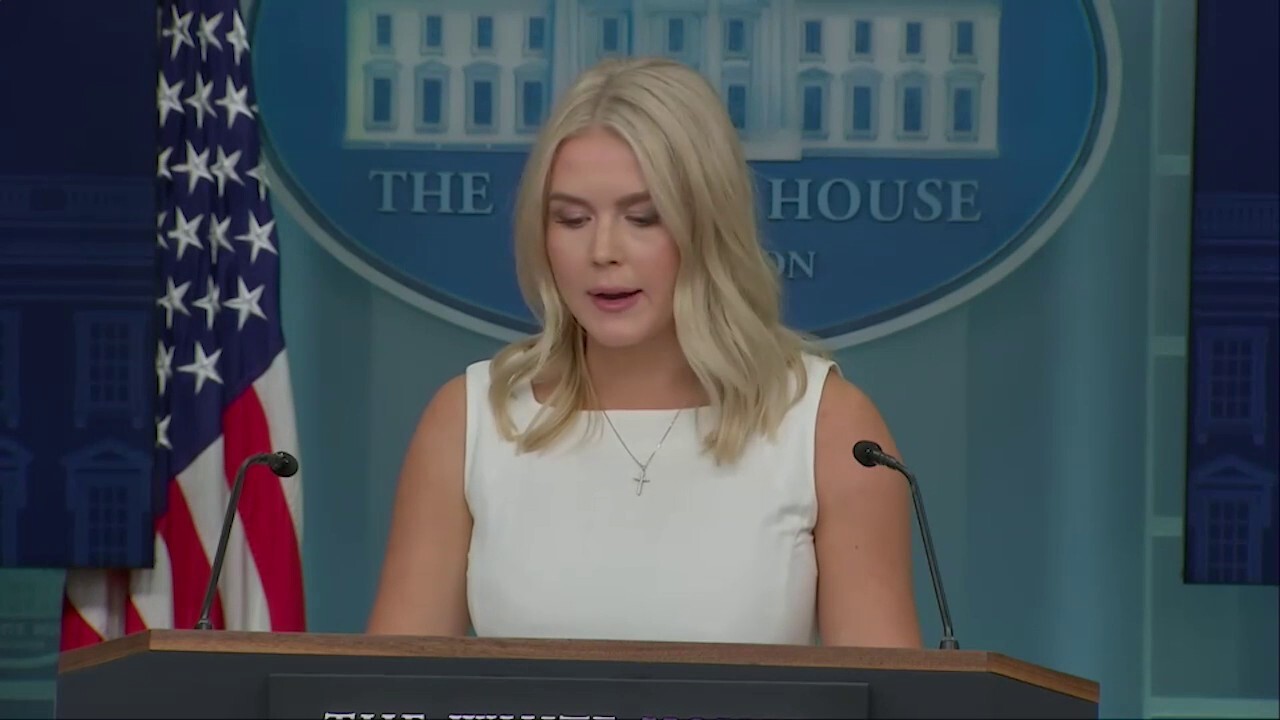
White House rejects ‘blank checks’ for Ukraine, presses NATO to shoulder costs
Entities mentioned:
- White House: Self-preservation, Control, Influence
- President Donald Trump: Ambition, Control, Influence
- Karoline Leavitt: Duty, Loyalty, Professional pride
- NATO: Security, Unity, Obligation
- Congress: Duty, Influence, Security
- JD Vance: Influence, Duty, Righteousness
- Volodymyr Zelenskyy: Self-preservation, Determination, Security
Article Assessment:
Credibility Score: 70/100
Bias Rating: 65/100 (Lean Right)
Sentiment Score: 45/100
Authoritarianism Risk: 35/100 (Generally Democratic)
Bias Analysis:
The article leans slightly right, focusing more on the Trump administration's perspective and quoting primarily Republican officials. While it includes some factual information, the framing tends to present the administration's view more prominently than alternative viewpoints.
Key metric: U.S. Military Spending
As a social scientist, I analyze that this article reflects a significant shift in U.S. foreign policy regarding military aid to Ukraine. The Trump administration is attempting to reduce direct U.S. financial involvement while maintaining support through alternative means, such as facilitating weapon sales through NATO. This approach aims to balance domestic fiscal concerns with international security commitments. The emphasis on European allies taking greater responsibility suggests a recalibration of U.S. global military engagement and spending priorities. This policy shift could have substantial implications for U.S. military spending, potentially reducing direct aid to Ukraine while promoting arms sales to NATO allies. The long-term impact on U.S. global influence and military strategy remains uncertain, as it depends on how effectively this new approach maintains stability in Eastern Europe and deters further Russian aggression.

JD Vance Booed By Own Reflection In Mirror
Entities mentioned:
- JD Vance: Ambition, Power, Self-preservation
Article Assessment:
Credibility Score: 30/100
Bias Rating: 25/100 (Lean Left)
Sentiment Score: 20/100
Authoritarianism Risk: 35/100 (Generally Democratic)
Bias Analysis:
The article leans left, using harsh satire to criticize a conservative politician. The language and framing are overtly negative towards Vance, indicating a clear political bias against him and his aligned party.
Key metric: Political Polarization
As a social scientist, I analyze that this satirical article highlights the perceived hypocrisy and moral compromise of JD Vance, a political figure. The portrayal of Vance being 'booed by his own reflection' symbolizes internal conflict and public criticism of his political choices. This metaphorical self-confrontation suggests a disconnect between Vance's past principles and current actions, potentially impacting political polarization by emphasizing the perceived betrayal of values for political gain.
- Read more about JD Vance Booed By Own Reflection In Mirror
- Log in to post comments
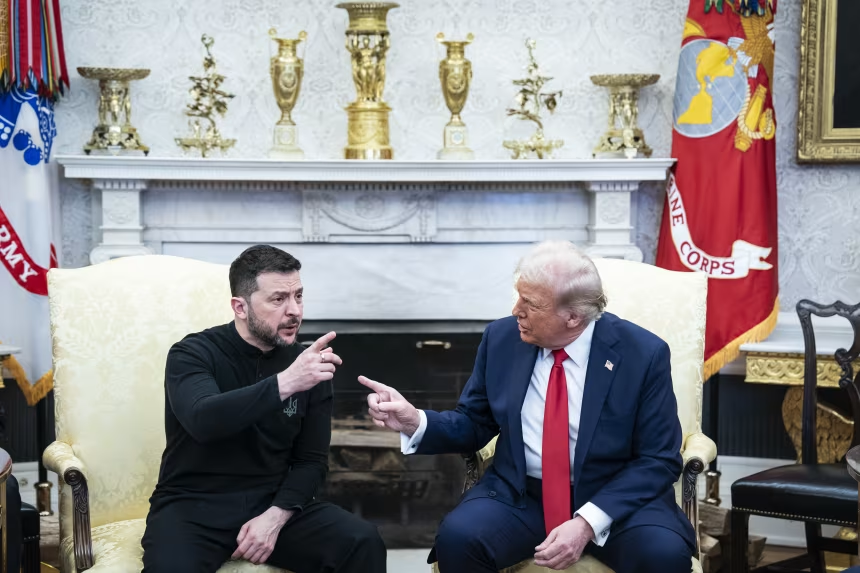
How Trump and Zelensky’s relationship has evolved since remarkable Oval Office shouting match in February
Entities mentioned:
- Donald Trump: Power, Control, Legacy
- Volodymyr Zelensky: Self-preservation, Determination, Unity
- Vladimir Putin: Power, Control, Influence
- European Leaders: Unity, Security, Influence
- JD Vance: Loyalty, Righteousness, Recognition
Article Assessment:
Credibility Score: 75/100
Bias Rating: 45/100 (Center)
Sentiment Score: 35/100
Authoritarianism Risk: 55/100 (Mixed/Neutral)
Bias Analysis:
The article presents multiple perspectives and includes details from various sources, maintaining a relatively balanced view. However, there's a slight lean towards framing Trump's actions as potentially problematic for US-Europe relations.
Key metric: US International Diplomatic Influence
As a social scientist, I analyze that this article highlights a significant shift in US-Ukraine relations and the broader geopolitical landscape. Trump's evolving approach to the Ukraine conflict, from confrontational to seemingly more conciliatory, suggests a potential realignment of US foreign policy priorities. The contrast between Trump's treatment of Putin and Zelensky indicates a complex balancing act that could impact US credibility among allies. The involvement of multiple European leaders in the upcoming talks underscores the international community's concern and desire to influence the outcome. This situation could significantly affect US diplomatic influence, potentially weakening traditional alliances while opening new avenues for negotiation with adversaries.
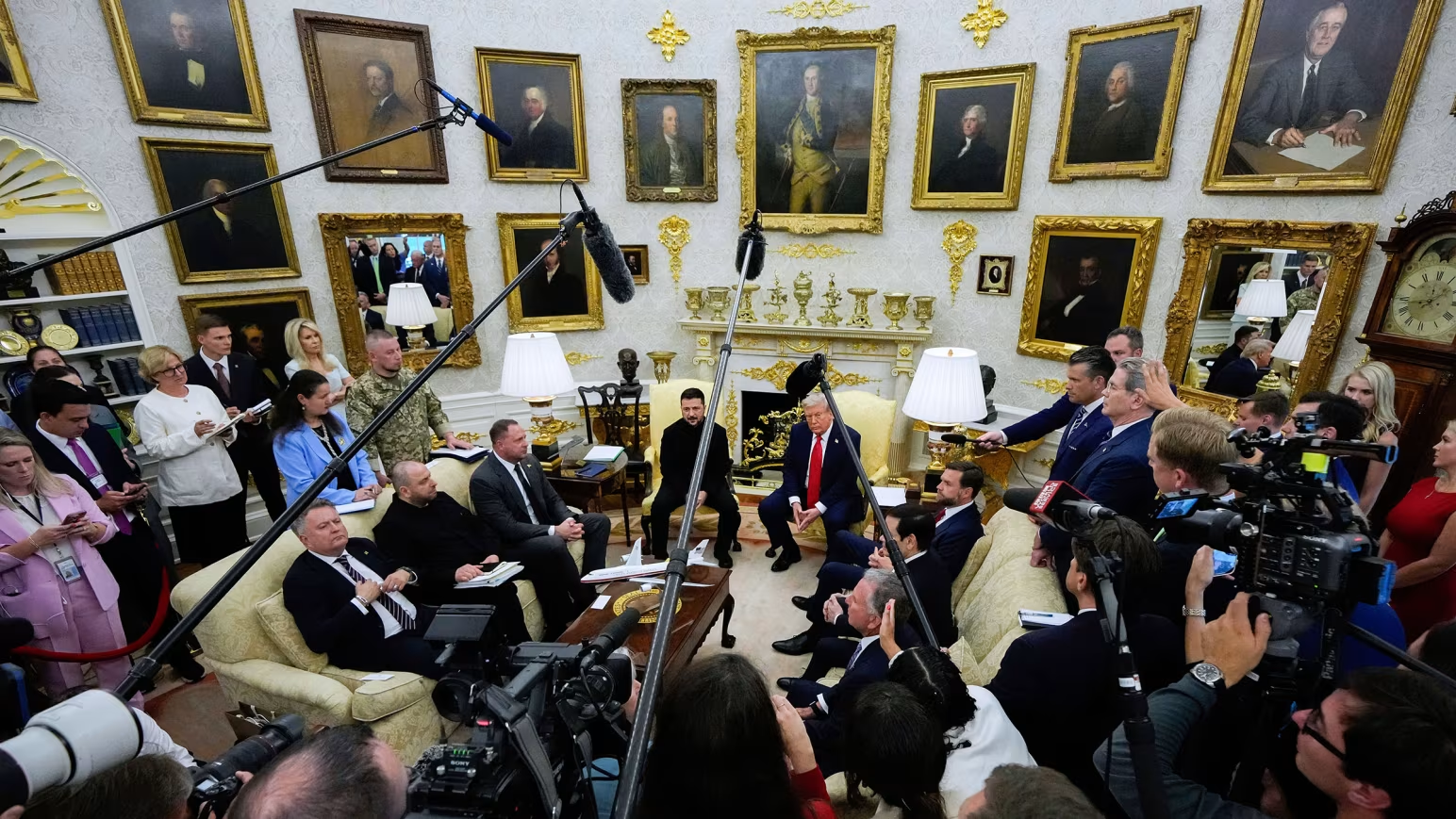
Takeaways from Trump’s meetings with Zelensky and European leaders
Entities mentioned:
- Donald Trump: Power, Influence, Legacy
- Volodymyr Zelensky: Security, Determination, Unity
- Vladimir Putin: Power, Control, Influence
- Emmanuel Macron: Unity, Influence, Security
- Friedrich Merz: Unity, Security, Duty
- JD Vance: Loyalty, Duty, Influence
- Marco Rubio: Duty, Influence, Ambition
- Steve Witkoff: Duty, Loyalty, Influence
Article Assessment:
Credibility Score: 75/100
Bias Rating: 55/100 (Center)
Sentiment Score: 55/100
Authoritarianism Risk: 40/100 (Generally Democratic)
Bias Analysis:
The article presents a relatively balanced view of the events, including multiple perspectives from different leaders. While it focuses heavily on Trump's actions and statements, it also includes European viewpoints and Ukrainian reactions.
Key metric: Diplomatic Influence
As a social scientist, I analyze that this article highlights a significant shift in U.S. foreign policy approach towards the Russia-Ukraine conflict. Trump's willingness to consider U.S. troop involvement in security guarantees for Ukraine marks a departure from his previous isolationist stance. This change could potentially increase U.S. diplomatic influence in Europe and alter the dynamics of peace negotiations. The hastily arranged meetings with European leaders and Zelensky demonstrate the urgency of the situation and the central role the U.S. is playing in peace efforts. However, Trump's reversal on the need for an immediate ceasefire indicates a potential misalignment with European allies, which could impact the cohesiveness of the Western response to the conflict. The article also reveals the delicate balance of personal diplomacy, as evidenced by the improved atmosphere in the Zelensky-Trump meeting compared to their previous encounter.
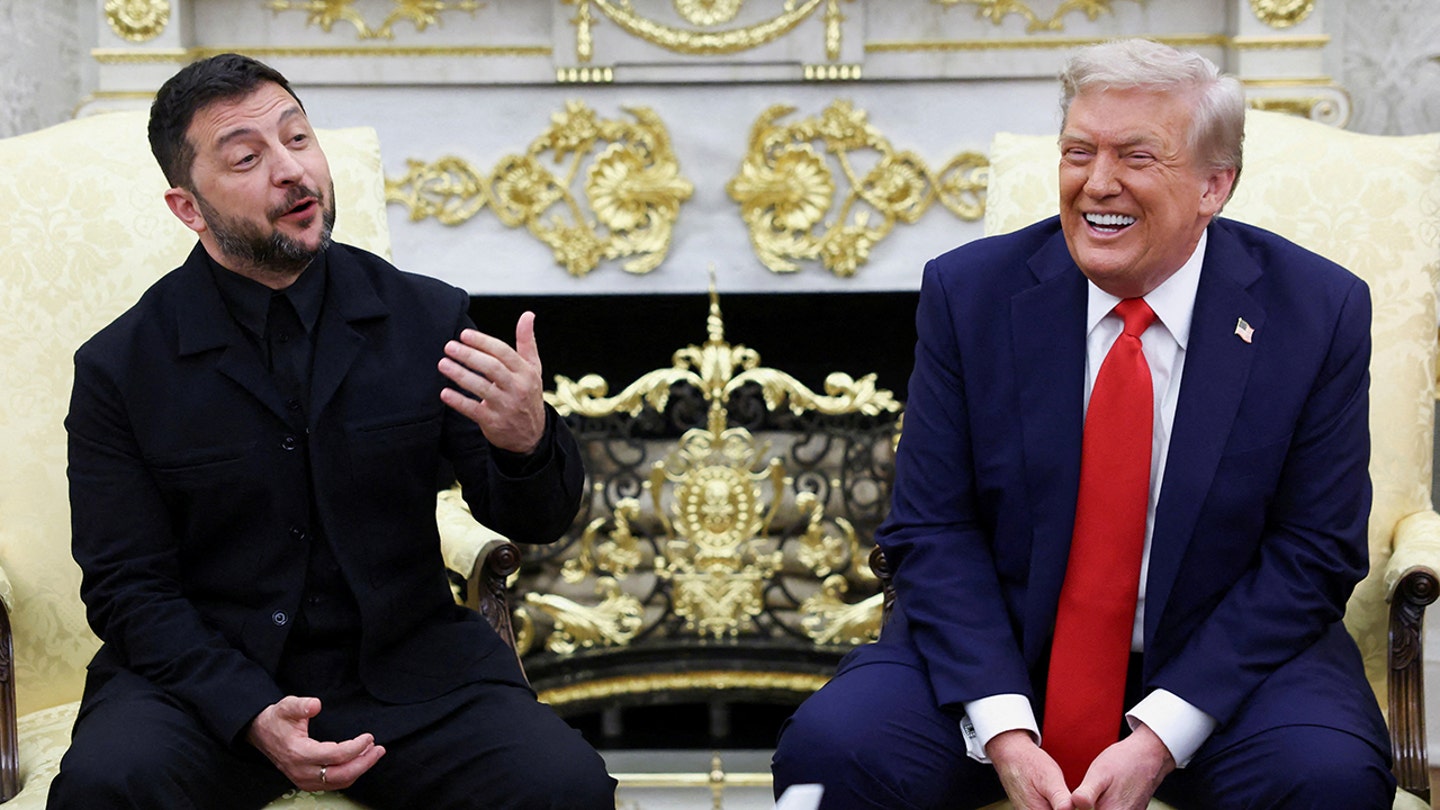
5 key moments inside Trump’s ‘big day’ with Zelenskyy, European leaders
Entities mentioned:
- Donald Trump: Power, Influence, Legacy
- Volodymyr Zelenskyy: Determination, Unity, Self-preservation
- Vladimir Putin: Power, Control, Influence
- JD Vance: Duty, Loyalty, Professional pride
- Ursula von der Leyen: Unity, Security, Peace
- Friedrich Merz: Unity, Security, Peace
- Emmanuel Macron: Unity, Security, Obligation
Article Assessment:
Credibility Score: 70/100
Bias Rating: 65/100 (Lean Right)
Sentiment Score: 65/100
Authoritarianism Risk: 35/100 (Generally Democratic)
Bias Analysis:
The article leans slightly right, focusing heavily on Trump's actions and portraying them in a generally positive light. While it includes multiple perspectives, the framing tends to emphasize Trump's leadership and diplomatic efforts.
Key metric: International Relations and Diplomacy
As a social scientist, I analyze that this article highlights a significant shift in diplomatic approach towards the Russia-Ukraine conflict. Trump's meetings with European leaders and Zelenskyy demonstrate an attempt to broker peace without a ceasefire, which is unconventional. The united European front and Trump's emphasis on Europe taking more responsibility for Ukraine's security indicate a potential realignment of international roles in the conflict. The article suggests a move towards more direct negotiations between conflicting parties, with the U.S. playing a facilitating role. This approach could significantly impact the trajectory of the conflict and reshape international diplomatic norms in conflict resolution.
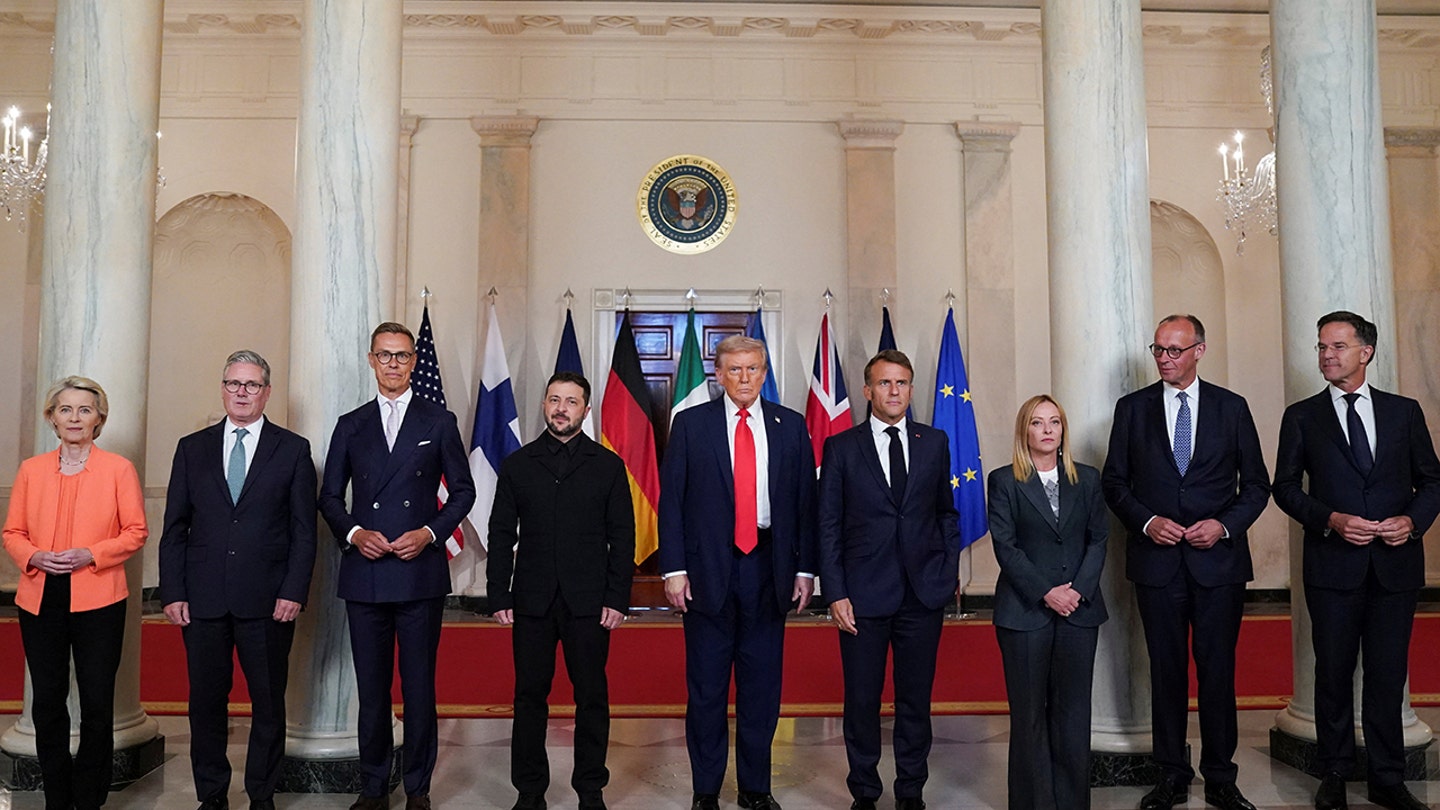
Trump calls White House talks 'very good, early step' toward Russia-Ukraine peace: Here's what's next
Entities mentioned:
- Donald Trump: Influence, Legacy, Recognition
- Volodymyr Zelenskyy: Self-preservation, Unity, Security
- Vladimir Putin: Power, Control, Influence
- JD Vance: Duty, Professional pride
- Marco Rubio: Duty, Influence
- Steve Witkoff: Duty, Professional pride
- Friedrich Merz: Righteousness, Influence
Article Assessment:
Credibility Score: 65/100
Bias Rating: 65/100 (Lean Right)
Sentiment Score: 60/100
Authoritarianism Risk: 40/100 (Generally Democratic)
Bias Analysis:
The article leans right, focusing heavily on Trump's role and quoting him extensively. While it includes other perspectives, the framing tends to portray Trump's efforts in a positive light.
Key metric: International Conflict Resolution
As a social scientist, I analyze that this article portrays a significant shift in the dynamics of the Russia-Ukraine conflict, with Trump positioning himself as a key mediator. The potential for direct talks between Putin and Zelenskyy, facilitated by Trump, represents a major diplomatic development. However, the article also highlights the complexities involved, including the sensitive issue of territorial concessions and the divergent security interests of Ukraine and Russia. The emphasis on European nations providing security guarantees, with U.S. support primarily through arms sales, indicates a potential realignment of international involvement in the conflict. This approach could have far-reaching implications for U.S. foreign policy and global power dynamics.
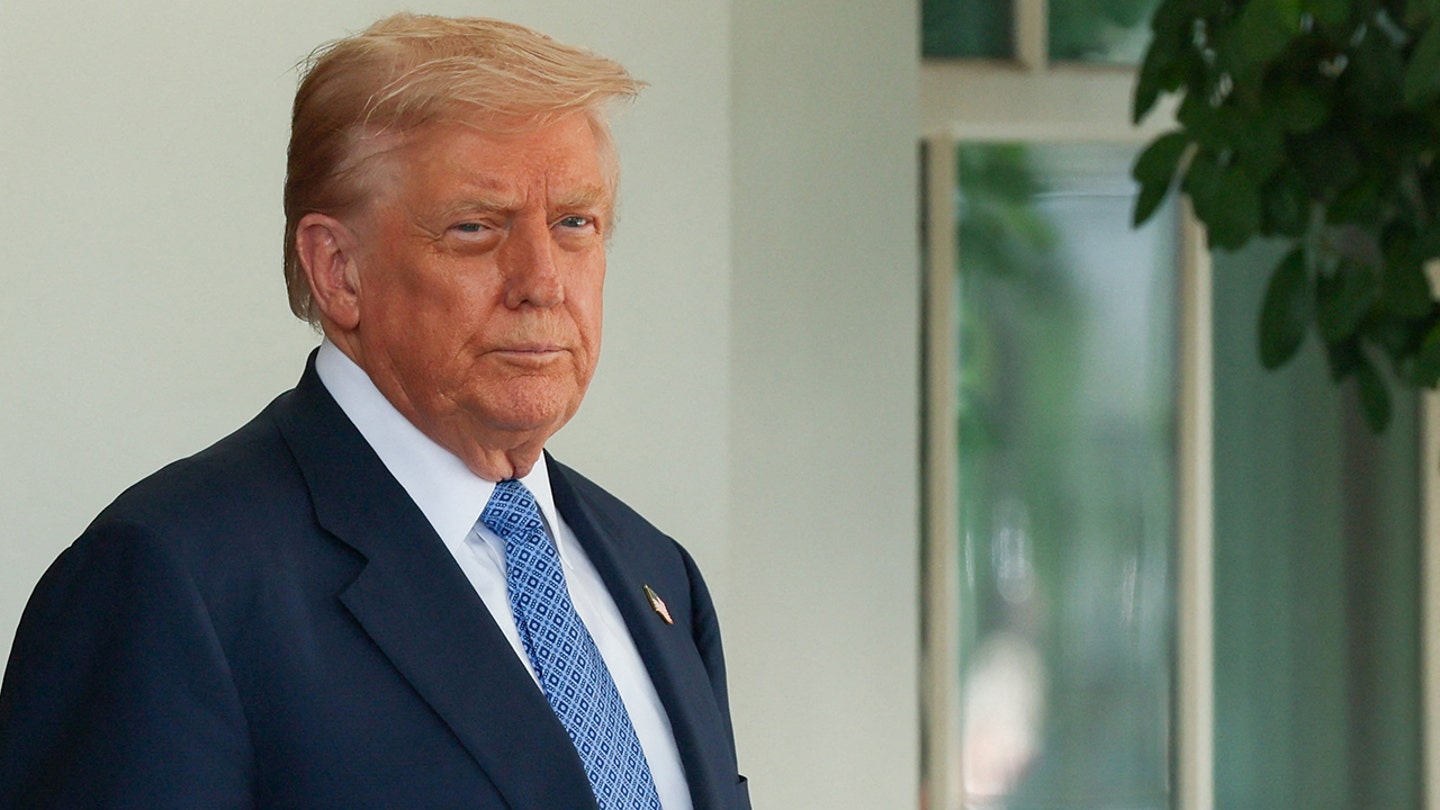
American history won't be displayed 'in a woke manner' at Smithsonian, Trump says
Entities mentioned:
- Donald Trump: Control, Patriotism, Legacy
- Smithsonian Institution: Professional pride, Duty, Obligation
- Stephen Miller: Righteousness, Loyalty, Patriotism
- JD Vance: Control, Duty, Patriotism
- White House: Control, Influence, Legacy
Article Assessment:
Credibility Score: 70/100
Bias Rating: 65/100 (Lean Right)
Sentiment Score: 35/100
Authoritarianism Risk: 65/100 (Authoritarian Tendencies)
Bias Analysis:
The article leans slightly right, giving more space to Trump administration views and using terms like 'woke' without critique. However, it does include some balance by quoting the Smithsonian's response and mentioning opposing viewpoints.
Key metric: National Unity
As a social scientist, I analyze that this article highlights a growing tension between political ideology and historical representation in national institutions. The Trump administration's push for 'fair' and 'accurate' representation of American history at the Smithsonian appears to be an attempt to reshape the narrative of national identity. This intervention in cultural institutions could significantly impact national unity by potentially polarizing public opinion on how American history should be presented. The administration's focus on 'American exceptionalism' and removal of 'divisive narratives' suggests a desire to promote a more positive, patriotic view of American history, which could either unite or divide the population depending on individual perspectives on historical interpretation.
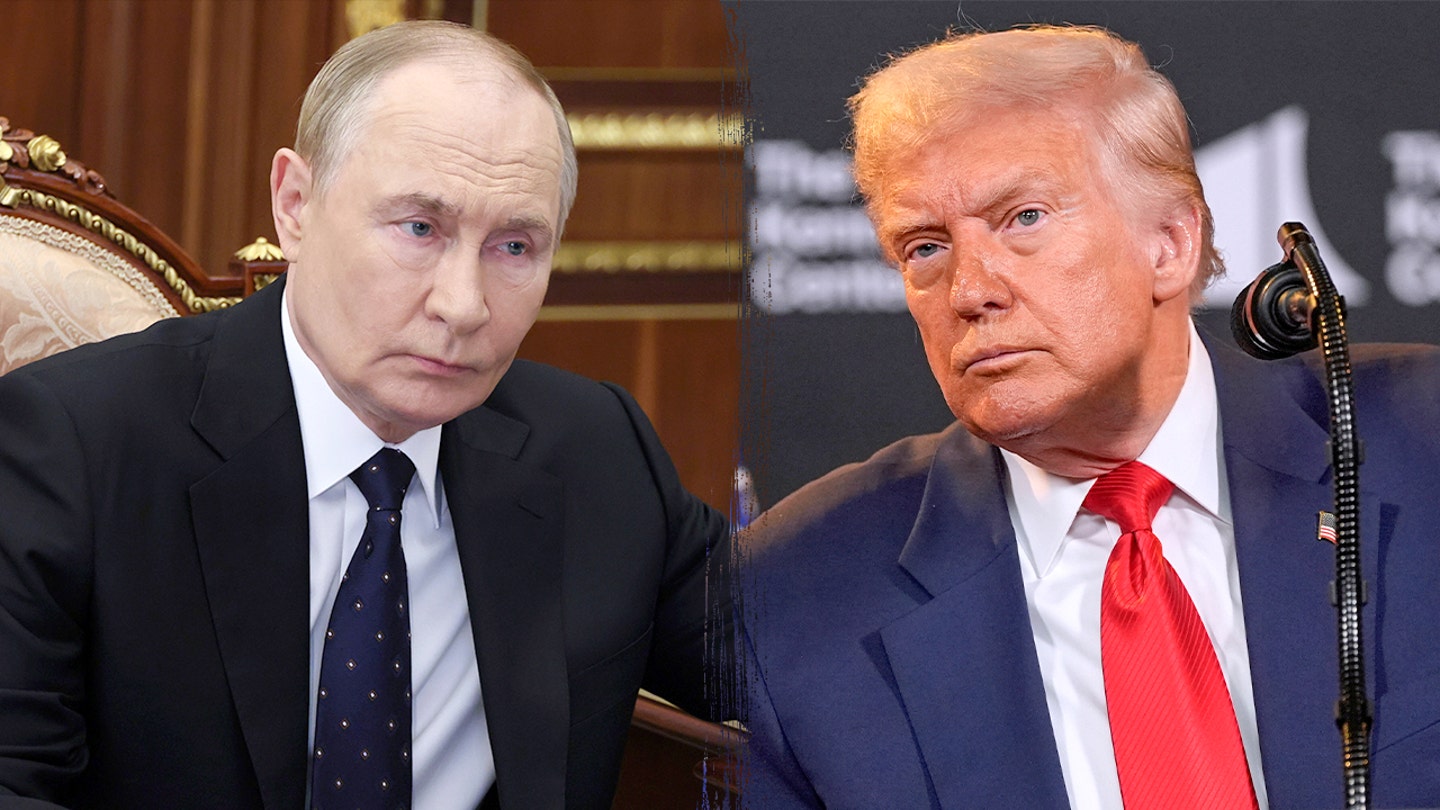
Putin praises Trump’s ‘sincere’ peace efforts, signals possible US-Russia nuclear deal
Entities mentioned:
- Vladimir Putin: Power, Influence, Control
- Donald Trump: Legacy, Recognition, Ambition
- Volodymyr Zelenskyy: Self-preservation, Unity, Determination
- Keir Starmer: Duty, Influence, Unity
- Friedrich Merz: Duty, Influence, Unity
- Emmanuel Macron: Influence, Unity, Leadership
- JD Vance: Duty, Influence, Professional pride
- Gen. Keith Kellogg: Duty, Professional pride, Security
Article Assessment:
Credibility Score: 75/100
Bias Rating: 45/100 (Center)
Sentiment Score: 55/100
Authoritarianism Risk: 35/100 (Generally Democratic)
Bias Analysis:
The article presents multiple perspectives, including those of Russia, the US, and Ukraine, indicating an attempt at balanced reporting. However, there's a slight emphasis on Western viewpoints and actions, which may suggest a subtle Western-centric framing.
Key metric: International Relations and Diplomacy
As a social scientist, I analyze that this article highlights a potential shift in US-Russia relations, centered around nuclear arms control and the ongoing conflict in Ukraine. The upcoming summit between Trump and Putin represents a critical juncture in international diplomacy, with potential ramifications for global security. Putin's praise of US efforts and hints at a possible nuclear deal suggest a strategic positioning ahead of the talks. However, Zelenskyy's skepticism indicates ongoing tensions and complexities in resolving the Ukraine conflict. The involvement of other world leaders and the 'Coalition of the Willing' underscores the global significance of these negotiations. The article suggests a delicate balance of power dynamics, with both Trump and Putin potentially seeking diplomatic victories for domestic and international gain.

Group Of Teen Girls Convinces JD Vance To Kill Himself
Entities mentioned:
- JD Vance: Self-preservation, Recognition, Self-respect
- Bailey Hayworth: Cruelty, Influence, Power
- Teenage Girls Group: Cruelty, Influence, Power
Article Assessment:
Credibility Score: 20/100
Bias Rating: 40/100 (Lean Left)
Sentiment Score: 15/100
Authoritarianism Risk: 30/100 (Generally Democratic)
Bias Analysis:
The article leans left in its mockery of a conservative political figure. The extreme and unrealistic scenario suggests a satirical intent rather than factual reporting, targeting a right-wing politician.
Key metric: Political Stability and Absence of Violence
As a social scientist, I analyze that this article, while satirical, touches on themes of cyberbullying, political vulnerability, and the impact of social media on public figures. The fictional scenario of teenagers bullying a high-ranking government official to the point of self-harm highlights concerns about online harassment and its potential real-world consequences. It also indirectly comments on the perceived fragility of political figures and the power dynamics between public officials and the general public, particularly youth. The article's extreme nature serves to emphasize these issues in an exaggerated manner, potentially prompting reflection on the real-world implications of online behavior and political discourse.

Big moments in Trump’s negotiations: From a shouting match with Zelensky to threats of sanctions against Russia
Entities mentioned:
- Donald Trump: Power, Legacy, Control
- Vladimir Putin: Power, Control, Self-preservation
- Volodymyr Zelensky: Self-preservation, Duty, Pride
- JD Vance: Duty, Loyalty, Influence
- Steve Witkoff: Duty, Influence, Professional pride
- Mark Rutte: Duty, Unity, Security
- Keith Kellogg: Duty, Influence, Professional pride
- Pete Hegseth: Control, Professional pride, Duty
Article Assessment:
Credibility Score: 75/100
Bias Rating: 55/100 (Center)
Sentiment Score: 35/100
Authoritarianism Risk: 45/100 (Mixed/Neutral)
Bias Analysis:
The article presents a fairly balanced view of events, including both positive and negative aspects of Trump's diplomatic efforts. While it focuses heavily on Trump's actions, it also includes perspectives from other involved parties, maintaining a relatively centrist position.
Key metric: International Relations and Diplomacy
As a social scientist, I analyze that this article highlights the complex dynamics of international diplomacy in the context of the Ukraine-Russia conflict. Trump's approach to negotiations demonstrates a mix of personal diplomacy, economic pressure, and military aid, which has yielded limited success. The frequent shifts in tone and strategy, from threats of sanctions to attempts at personal rapport with Putin, reflect the challenges of navigating a complex geopolitical crisis. The article also underscores the tensions between the US and its allies, particularly Ukraine, as evidenced by the confrontational meeting with Zelensky. This situation impacts US global influence and its ability to mediate international conflicts effectively.