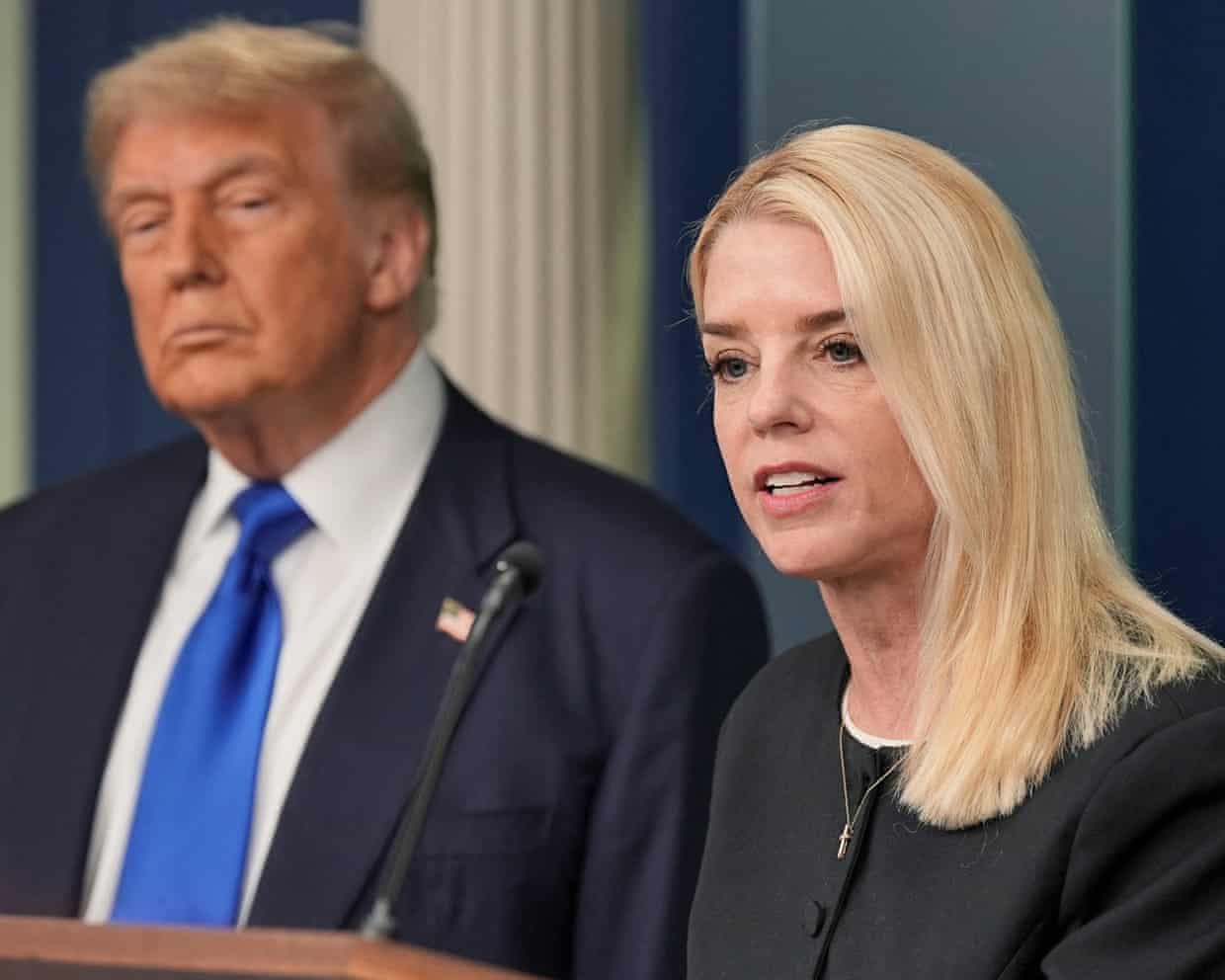
Trump officials move to punish lawyer who tried to block client’s deportation
Entities mentioned:
- Joshua Schroeder: Justice, Duty, Professional pride
- US Department of Justice: Control, Power, Righteousness
- Trump administration: Control, Power, Righteousness
- Donald Trump: Power, Control, Ambition
Article Assessment:
Credibility Score: 75/100
Bias Rating: 35/100 (Lean Left)
Sentiment Score: 25/100
Authoritarianism Risk: 70/100 (Authoritarian Tendencies)
Bias Analysis:
The article leans left in its framing, portraying the government's actions negatively and emphasizing potential threats to legal representation. While it includes some government perspective, the overall tone is sympathetic to Schroeder and critical of the administration's approach.
Key metric: Rule of Law Index
As a social scientist, I analyze that this case demonstrates a potential erosion of the Rule of Law Index in the United States. The Trump administration's attempt to sanction an attorney for defending his client's rights could have a chilling effect on legal representation in immigration cases. This action may discourage lawyers from vigorously defending their clients, potentially undermining due process and access to justice. The use of government power to target individual attorneys who challenge deportation orders could be seen as an attempt to consolidate executive power over the judicial system, particularly in immigration matters. This trend, if continued, could significantly impact the independence of the legal profession and the overall strength of the rule of law in the country.

US judge orders Trump administration to restore part of UCLA’s frozen funding
Entities mentioned:
- Trump administration: Control, Power, Influence
- UCLA: Self-preservation, Freedom, Justice
- US judge: Justice, Duty, Professional pride
Article Assessment:
Credibility Score: 70/100
Bias Rating: 35/100 (Lean Left)
Sentiment Score: 45/100
Authoritarianism Risk: 35/100 (Generally Democratic)
Bias Analysis:
The article leans slightly left, evident in the framing of Trump administration actions as contentious. However, it reports on a factual court decision without overtly partisan language.
Key metric: Rule of Law Index
As a social scientist, I analyze that this article highlights a tension between executive power and judicial oversight. The Trump administration's attempt to freeze UCLA's funding, likely for political reasons, was partially reversed by a federal judge. This judicial intervention demonstrates the checks and balances system at work, but also indicates potential executive overreach. The case impacts the Rule of Law Index by showcasing the judiciary's role in limiting executive actions that may be politically motivated or legally questionable. It underscores the importance of an independent judiciary in maintaining democratic norms and protecting institutions from political interference.

‘Living laboratory’: Trump admin urged to look to South America for lessons on fighting migrant gangs
Entities mentioned:
- José Gustavo Arocha: Professional pride, Security, Influence
- Trump administration: Security, Control, Righteousness
- Kristi Noem: Ambition, Security, Duty
- Biden administration: Unity, Obligation, Justice
- Tren de Aragua: Power, Greed, Control
- Nicolás Maduro: Power, Control, Greed
- Chilean government: Security, Justice, Control
- Ecuadorian government: Security, Justice, Control
- Colombian government: Unity, Obligation, Wariness
Article Assessment:
Credibility Score: 65/100
Bias Rating: 70/100 (Lean Right)
Sentiment Score: 30/100
Authoritarianism Risk: 55/100 (Mixed/Neutral)
Bias Analysis:
The article leans right, evidenced by its favorable portrayal of Trump-era policies and critical stance on the Biden administration's approach to immigration. The primary source is a former military officer advocating for stricter border control, which aligns with conservative viewpoints.
Key metric: National Security Index
As a social scientist, I analyze that this article highlights the complex interplay between immigration policies, transnational crime, and national security. The focus on South American countries' responses to migrant gangs, particularly Tren de Aragua, serves as a comparative case study for potential U.S. strategies. The article emphasizes the importance of swift, coordinated action across government agencies, as demonstrated by Chile and Ecuador's approaches. It also warns against open border policies without proper vetting and enforcement mechanisms, using Colombia as a cautionary example. The framing of these issues suggests that a more aggressive, security-focused approach to immigration and border control is necessary to combat transnational crime effectively. This perspective aligns with the Trump administration's stance on immigration and security, potentially influencing public opinion and policy decisions regarding border control and law enforcement strategies in the United States.

The number of ICE flights is skyrocketing — but the planes are harder than ever to track
Entities mentioned:
- Immigration and Customs Enforcement (ICE): Control, Duty, Security
- Trump administration: Control, Security, Power
- Witness at the Border: Justice, Transparency, Moral outrage
- ACLU National Prison Project: Justice, Transparency, Freedom
- La Resistencia: Justice, Transparency, Moral outrage
- CSI Aviation: Greed, Professional pride, Loyalty
- Allen Weh (CSI Aviation CEO): Loyalty, Power, Influence
Article Assessment:
Credibility Score: 75/100
Bias Rating: 40/100 (Lean Left)
Sentiment Score: 30/100
Authoritarianism Risk: 65/100 (Authoritarian Tendencies)
Bias Analysis:
The article leans slightly left, focusing on transparency concerns and the impact on detainees and their families. While it presents factual information, the framing emphasizes potential negative consequences of the increased deportation efforts.
Key metric: Immigration Enforcement Effectiveness
As a social scientist, I analyze that this article highlights a significant increase in ICE deportation and detainee transfer flights under the Trump administration, indicating a more aggressive approach to immigration enforcement. The efforts to obscure flight tracking information raise concerns about transparency and accountability in the deportation process. The involvement of private contractors and their political affiliations suggests a potential conflict of interest. This intensified deportation strategy likely impacts the overall effectiveness of immigration enforcement, but may also lead to human rights concerns and reduced public trust in the system. The difficulty in tracking these flights affects families of detainees and limits public oversight, potentially allowing for unchecked practices in the detention and deportation process.

Court bans fishing in Pacific protected area overriding Trump officials’ rollback
Entities mentioned:
- Court: Justice, Duty, Environmental protection
- Trump administration: Power, Control, Deregulation
- Pacific protected area: Environmental preservation, Biodiversity, Sustainability
Article Assessment:
Credibility Score: 75/100
Bias Rating: 45/100 (Center)
Sentiment Score: 60/100
Authoritarianism Risk: 20/100 (Strongly Democratic)
Bias Analysis:
The article presents a factual account of the court's decision, without overtly favoring either side. However, the framing subtly portrays the Trump administration's actions negatively by using the term 'rollback', implying a step backward in environmental protection.
Key metric: Environmental Protection Index
As a social scientist, I analyze that this court ruling overturning the Trump administration's rollback of fishing protections in a Pacific protected area will likely have a positive impact on the Environmental Protection Index. By reinstating fishing bans, the court is prioritizing marine ecosystem preservation over short-term economic interests. This decision reflects a shift towards stronger environmental regulations and conservation efforts, which are key components of the Environmental Protection Index. The ruling also demonstrates the judiciary's role in environmental policymaking and its ability to check executive actions that may harm protected areas.

Trump administration to review 19 Smithsonian museums to ensure exhibits are ‘patriotic’
Entities mentioned:
- Trump administration: Control, Patriotism, Influence
- Smithsonian Institution: Professional pride, Duty, Recognition
Article Assessment:
Credibility Score: 65/100
Bias Rating: 55/100 (Center)
Sentiment Score: 35/100
Authoritarianism Risk: 70/100 (Authoritarian Tendencies)
Bias Analysis:
The article presents a factual account of the administration's actions, but the framing suggests some concern about the implications. The use of quotation marks around 'patriotic' implies skepticism about the stated motivation.
Key metric: Public Trust in Government Institutions
As a social scientist, I analyze that this move by the Trump administration to review Smithsonian museums for 'patriotic' content could significantly impact public trust in government institutions. This action suggests an attempt to exert political influence over cultural and educational institutions traditionally seen as independent. Such interference may be perceived as an overreach of executive power, potentially eroding public confidence in the neutrality and academic integrity of national museums. This could lead to increased skepticism about the information presented in these institutions and, by extension, other government-affiliated organizations.
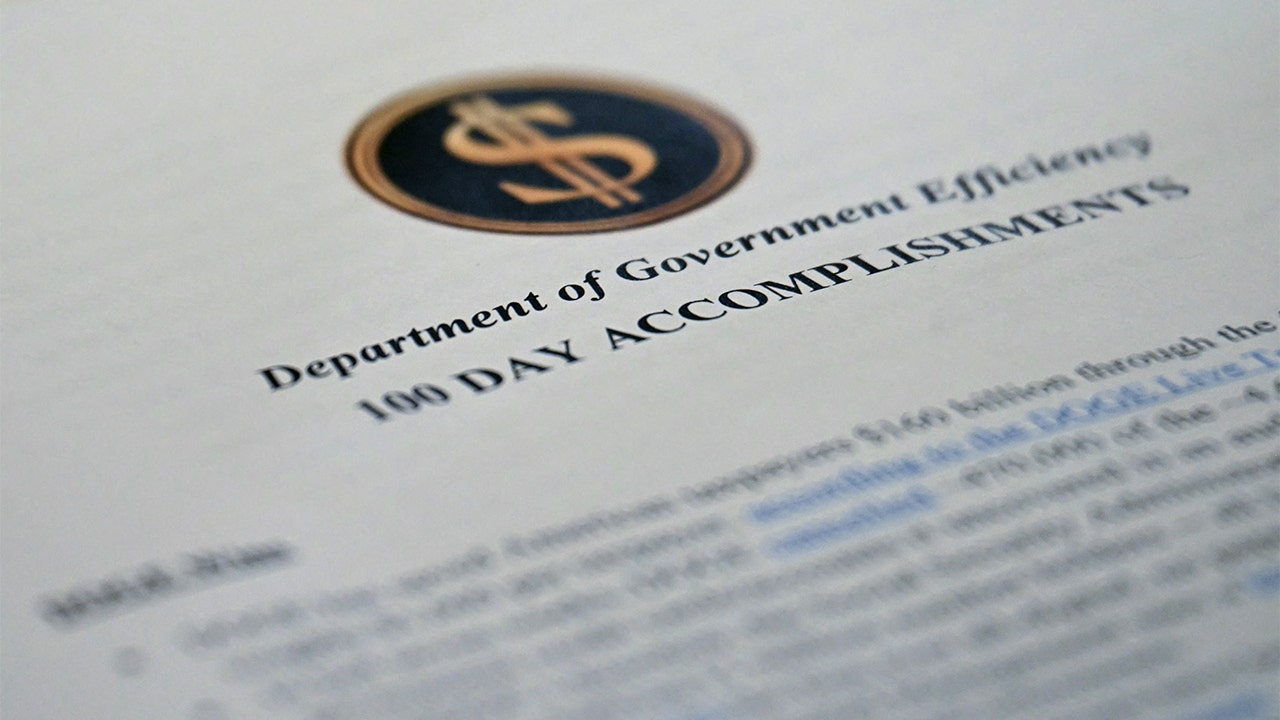
DOGE scores win on appeal as court rejects labor union challenge
Entities mentioned:
- Department of Government Efficiency (DOGE): Control, Power, Influence
- Labor Unions: Justice, Security, Moral outrage
- Trump Administration: Power, Control, Ambition
- Fourth Circuit Court of Appeals: Duty, Justice, Professional pride
Article Assessment:
Credibility Score: 70/100
Bias Rating: 55/100 (Center)
Sentiment Score: 40/100
Authoritarianism Risk: 65/100 (Authoritarian Tendencies)
Bias Analysis:
The article presents a relatively balanced view of the court decision, including perspectives from both sides. However, there's a slight lean towards emphasizing the Trump administration's victory, which may suggest a subtle center-right bias.
Key metric: Government Transparency and Accountability
As a social scientist, I analyze that this ruling has significant implications for government transparency and accountability. The court's decision to allow DOGE access to sensitive user data from multiple agencies raises concerns about privacy and data protection. This could potentially lead to increased government surveillance and control over citizen information, which may impact public trust in government institutions. The labor unions' challenge reflects growing tensions between government efficiency efforts and privacy rights. The split decision (2-1) in the appeals court suggests that this issue remains contentious and may face further legal scrutiny.
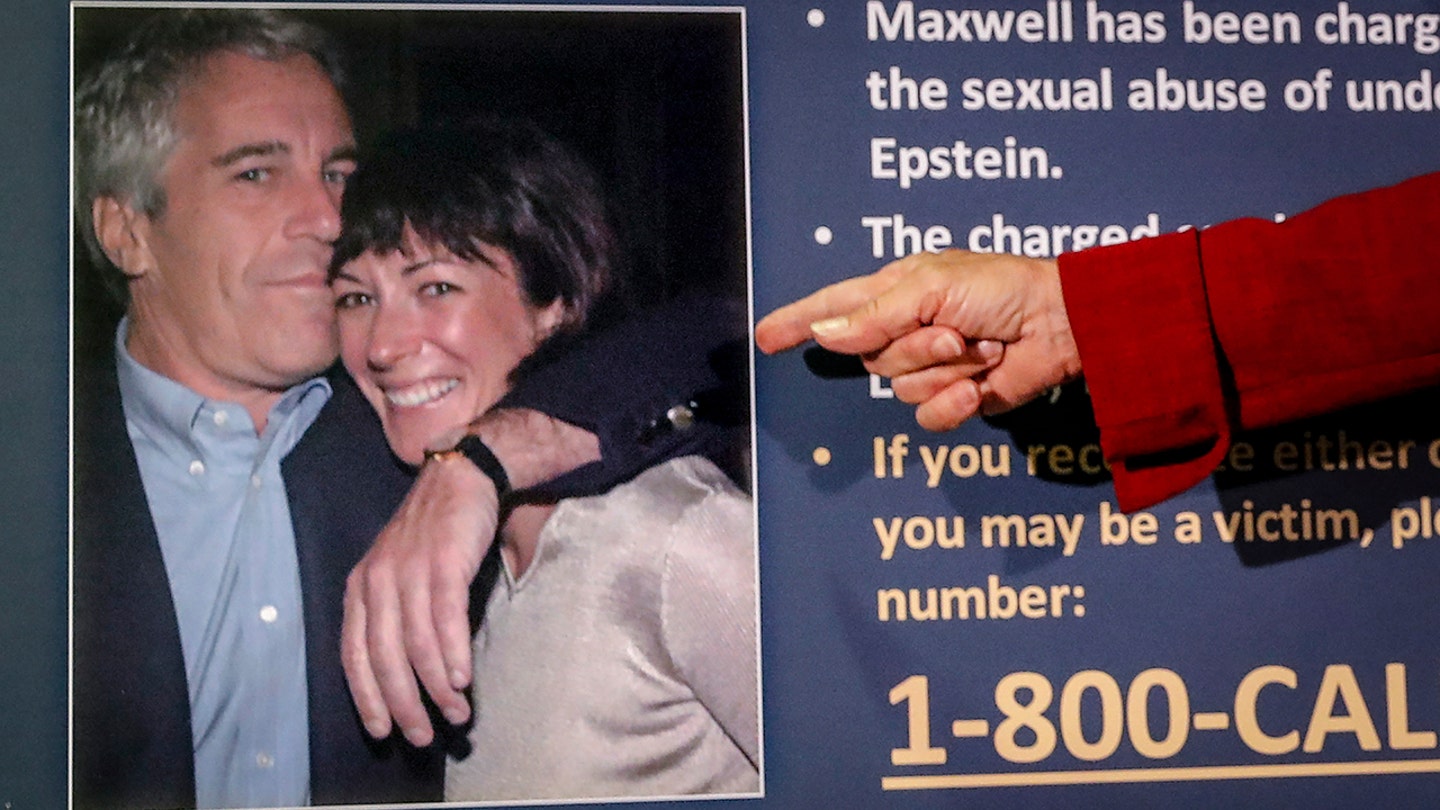
House Democrat presses DOJ on Ghislaine Maxwell prison transfer, meeting with top official
Entities mentioned:
- Rep. Jamie Raskin: Justice, Righteousness, Duty
- Ghislaine Maxwell: Self-preservation, Freedom, Control
- Department of Justice: Control, Obligation, Professional pride
- Trump administration: Power, Self-preservation, Control
- Attorney General Pam Bondi: Duty, Professional pride, Loyalty
- Bureau of Prisons Director William K. Marshall III: Duty, Professional pride, Control
- Deputy Attorney General Todd Blanche: Loyalty, Power, Influence
- House Judiciary Committee: Justice, Duty, Oversight
- House Oversight Committee: Justice, Duty, Oversight
Article Assessment:
Credibility Score: 70/100
Bias Rating: 35/100 (Lean Left)
Sentiment Score: 30/100
Authoritarianism Risk: 55/100 (Mixed/Neutral)
Bias Analysis:
The article leans left, focusing on Democratic concerns and potential Trump administration wrongdoing. While it presents factual information, the framing and emphasis on Democratic perspectives suggest a left-leaning bias.
Key metric: Government Accountability and Transparency
As a social scientist, I analyze that this article highlights potential issues in the justice system and government accountability. The unusual transfer of Ghislaine Maxwell to a minimum-security prison and her meeting with a former Trump lawyer raise questions about preferential treatment and possible attempts to influence testimony. This situation could significantly impact public trust in government institutions and the fairness of the justice system. The congressional inquiry led by Rep. Raskin represents an attempt to maintain oversight and transparency, which are crucial for democratic processes. However, the implications of potential interference in legal proceedings and witness treatment could have far-reaching consequences for the integrity of the justice system and the separation of powers.

State Department human rights report scaled back, omits details on abuses in politically allied countries
Entities mentioned:
- US State Department: Control, Influence, Duty
- Trump administration: Power, Control, Influence
- Marco Rubio: Loyalty, Power, Influence
- Michael Honigstein: Professional pride, Duty, Righteousness
- Tammy Bruce: Loyalty, Duty, Control
- El Salvador government: Power, Control, Self-preservation
- Israeli government: Self-preservation, Power, Control
- Hamas: Power, Control, Revenge
- Russian government: Power, Control, Influence
- Chinese government: Power, Control, Unity
Article Assessment:
Credibility Score: 65/100
Bias Rating: 55/100 (Center)
Sentiment Score: 30/100
Authoritarianism Risk: 55/100 (Mixed/Neutral)
Bias Analysis:
The article presents multiple perspectives and cites specific examples of changes in the report. However, it leans slightly critical of the administration's approach, which may reflect a slight center-left bias in framing.
Key metric: Global Democracy Index
As a social scientist, I analyze that the significant reduction in detail and criticism within the State Department's human rights report suggests a shift in US foreign policy priorities. This change appears to downplay human rights concerns in countries politically aligned with the current administration, potentially impacting the Global Democracy Index. The omission of specific sections on issues like LGBTQ+ rights, women's rights, and racial violence indicates a narrowing focus on human rights reporting. This could lead to decreased international pressure on human rights violators and potentially embolden authoritarian regimes. The report's streamlining may reduce its effectiveness as a tool for human rights advocacy and diplomatic leverage, potentially weakening the US's role in promoting global democracy and human rights standards.
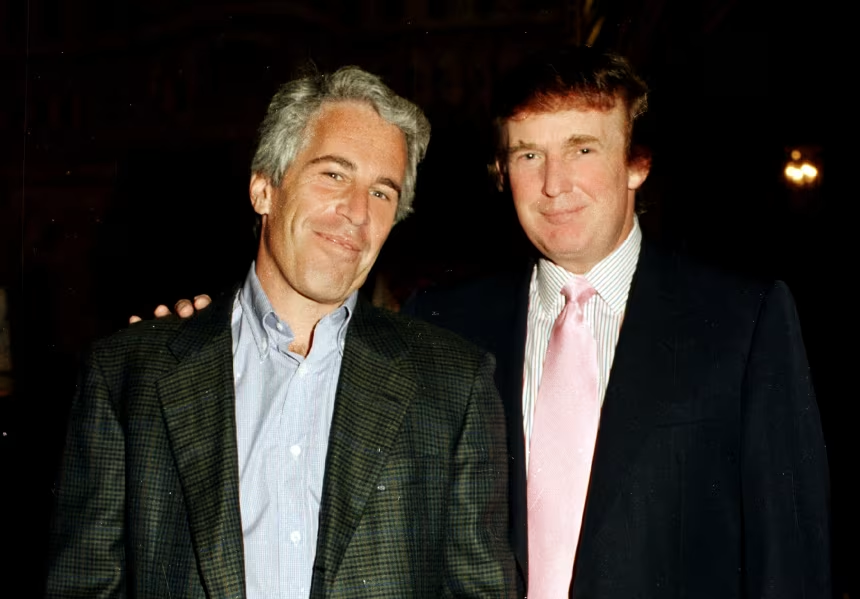
A judge’s brutal rebuke of Trump’s Epstein gambit
Entities mentioned:
- Trump administration: Control, Self-preservation, Influence
- Judge Paul Engelmayer: Justice, Duty, Righteousness
- Jeffrey Epstein: Power, Control, Self-preservation
- Ghislaine Maxwell: Self-preservation, Loyalty, Fear
- Donald Trump: Power, Self-preservation, Control
- Department of Justice: Control, Duty, Self-preservation
- Epstein's victims: Justice, Moral outrage, Indignation
Article Assessment:
Credibility Score: 75/100
Bias Rating: 40/100 (Lean Left)
Sentiment Score: 30/100
Authoritarianism Risk: 65/100 (Authoritarian Tendencies)
Bias Analysis:
The article leans slightly left, evidenced by its critical tone towards the Trump administration. While it presents factual information, the framing and language choices suggest skepticism of the administration's motives.
Key metric: Government Transparency and Accountability
As a social scientist, I analyze that this article highlights a significant issue in government transparency and accountability. The Trump administration's actions regarding the Epstein files appear to be a calculated attempt to create an illusion of transparency while actually withholding meaningful information. This behavior undermines public trust in government institutions and the justice system. The judge's rebuke exposes the administration's strategy as potentially deceptive, which could further erode confidence in the government's handling of high-profile cases. This situation also demonstrates the crucial role of the judiciary in maintaining checks and balances, as Judge Engelmayer's ruling serves as a counterweight to executive branch actions. The administration's reluctance to provide substantive information about the Epstein case, despite public interest and pressure, suggests a conflict between political self-interest and the public's right to information. This case may have long-lasting implications for how government transparency is perceived and demanded by the public, potentially leading to calls for stricter disclosure requirements and oversight mechanisms.