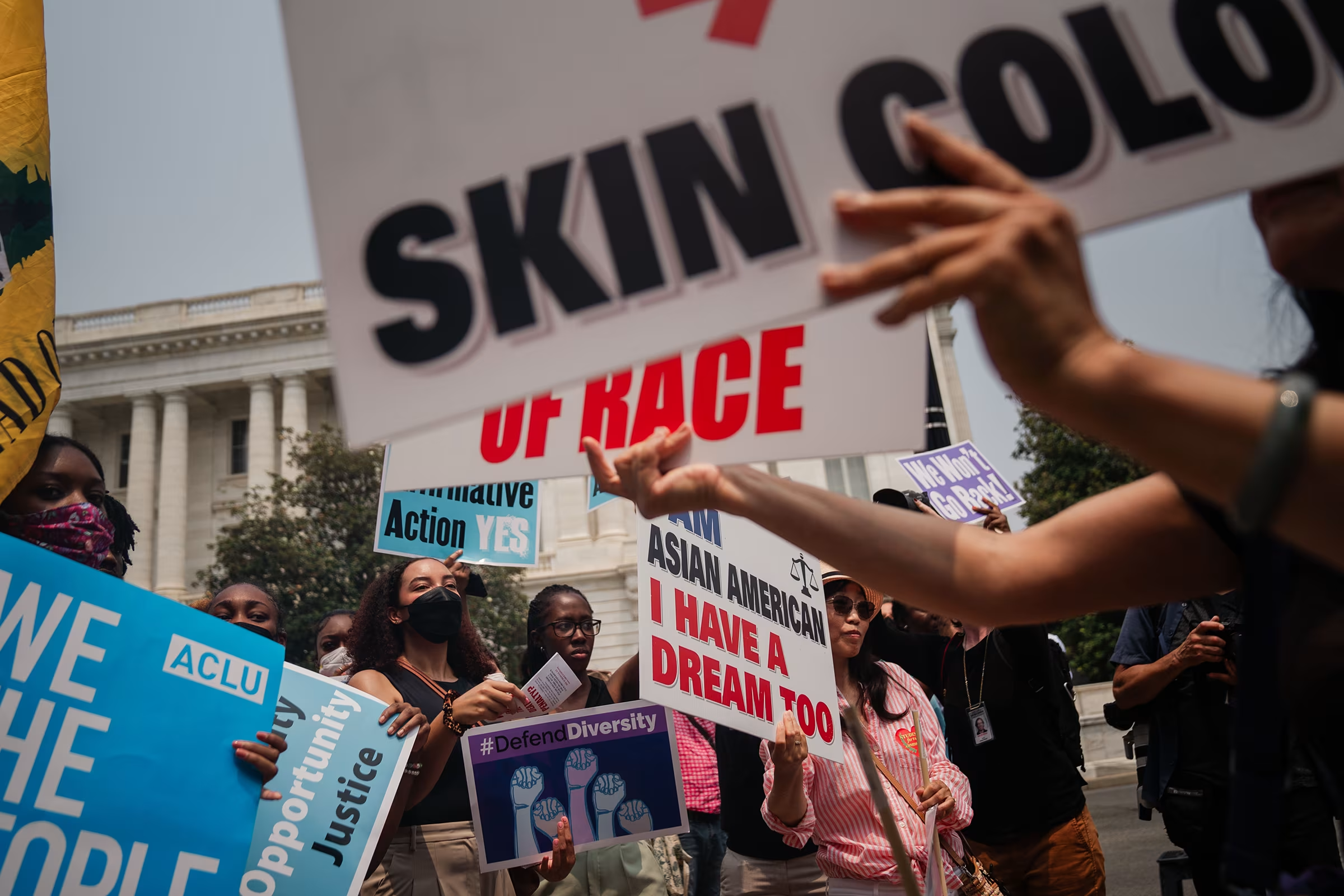
Trump takes executive action to target race-based university admissions
Entities mentioned:
- Donald Trump: Power, Control, Influence
- Linda McMahon: Duty, Loyalty, Professional pride
- Department of Education: Control, Transparency, Duty
- Supreme Court: Justice, Influence, Legacy
- Universities: Autonomy, Professional pride, Obligation
Article Assessment:
Credibility Score: 75/100
Bias Rating: 55/100 (Center)
Sentiment Score: 45/100
Authoritarianism Risk: 65/100 (Authoritarian Tendencies)
Bias Analysis:
The article presents a relatively balanced view, including both the administration's perspective and context from recent court decisions. However, there's a slight lean towards the administration's framing of the issue, with limited space given to opposing viewpoints or potential criticisms of the policy.
Key metric: Higher Education Equity and Access
As a social scientist, I analyze that this executive action represents a significant shift in higher education policy, potentially impacting diversity and access in American universities. The move to expand data collection on race-based admissions follows the Supreme Court's decision to restrict race-conscious admissions practices. This action may lead to increased scrutiny of university admissions processes and could potentially influence future policy decisions regarding affirmative action and diversity initiatives in higher education. The emphasis on 'meritocracy and excellence' in McMahon's statement suggests a shift away from considering racial diversity as a factor in admissions, which could have far-reaching consequences for minority representation in higher education institutions.
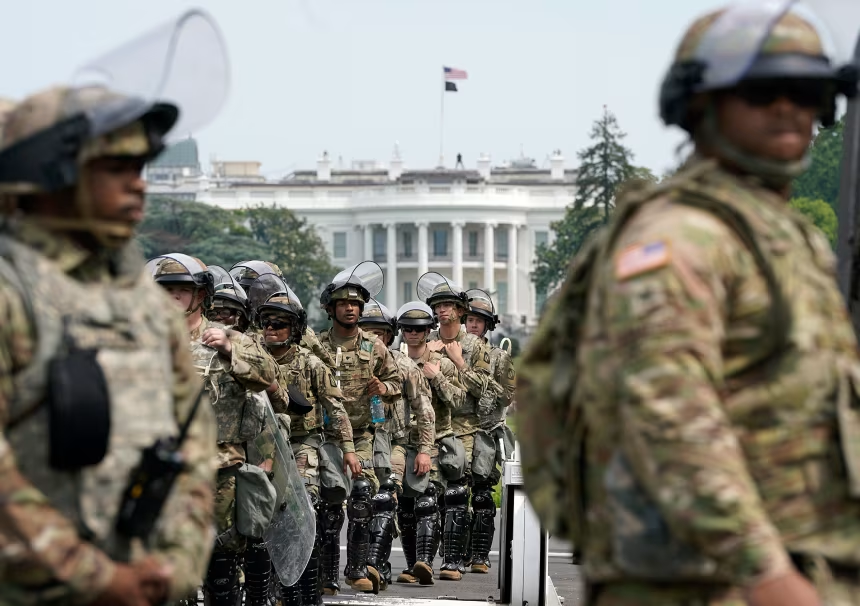
Here’s what could happen if Trump brings the National Guard to DC
Entities mentioned:
- Donald Trump: Control, Power, Influence
- DC Police Department: Duty, Security, Professional pride
- National Guard: Duty, Security, Obligation
- US Congress: Control, Duty, Power
- DC Mayor and City Council: Self-preservation, Control, Duty
- Federal Law Enforcement Agencies: Duty, Control, Security
Article Assessment:
Credibility Score: 75/100
Bias Rating: 45/100 (Center)
Sentiment Score: 35/100
Authoritarianism Risk: 65/100 (Authoritarian Tendencies)
Bias Analysis:
The article presents multiple perspectives, including Trump's statements, expert opinions, and factual context. While it leans slightly critical of Trump's proposals, it maintains a generally balanced approach by providing legal and historical context.
Key metric: Civil Liberties and Democratic Governance
As a social scientist, I analyze that this article highlights a potential conflict between federal and local governance in Washington, DC, with implications for civil liberties and democratic norms. Trump's threat to federalize DC's police force and deploy the National Guard represents a significant escalation in federal intervention in local affairs. This move could undermine the principles of Home Rule and local autonomy, potentially setting a precedent for increased federal control over municipal governance. The article suggests that such actions may not be justified by current crime rates, raising questions about the motivations behind these threats. The potential deployment of federal forces, reminiscent of the 2020 protests response, could lead to increased tensions between residents and law enforcement, potentially infringing on civil liberties and First Amendment rights. This situation underscores the unique and complex status of Washington, DC in the American federal system and highlights the delicate balance between federal oversight and local governance.