
‘It felt like a scene from The Handmaid’s Tale’: US comics on the dangers of political satire
Entities mentioned:
- Jena Friedman: Freedom, Justice, Professional pride
- Michelle Wolf: Professional pride, Freedom, Determination
- Sam Jay: Curiosity, Unity, Professional pride
- Donald Trump: Power, Control, Recognition
- US Immigration and Customs Enforcement: Control, Security, Duty
- Stephen Colbert: Justice, Professional pride, Freedom
- Jon Stewart: Justice, Freedom, Professional pride
Article Assessment:
Credibility Score: 75/100
Bias Rating: 35/100 (Lean Left)
Sentiment Score: 35/100
Authoritarianism Risk: 25/100 (Generally Democratic)
Bias Analysis:
The article leans left, presenting perspectives critical of the Trump administration and conservative policies. It primarily features liberal-leaning comedians and their concerns, with limited counterbalancing viewpoints.
Key metric: Freedom of Speech Index
As a social scientist, I analyze that this article highlights growing concerns about freedom of speech and political satire in the United States, particularly in the context of comedy. The experiences of comedians like Jena Friedman, Michelle Wolf, and Sam Jay reflect a perceived 'chill' in the industry regarding political comedy. Their encounters with border control, decisions to live abroad, and careful considerations about content suggest a climate of wariness and self-censorship. The cancellation of Stephen Colbert's show and Jon Stewart's comments further underscore industry-wide concerns about the suppression of critical voices. This situation potentially impacts the Freedom of Speech Index by indicating a trend towards self-censorship and institutional pressure on political commentary, which could lead to a decline in open discourse and satirical expression in the United States.
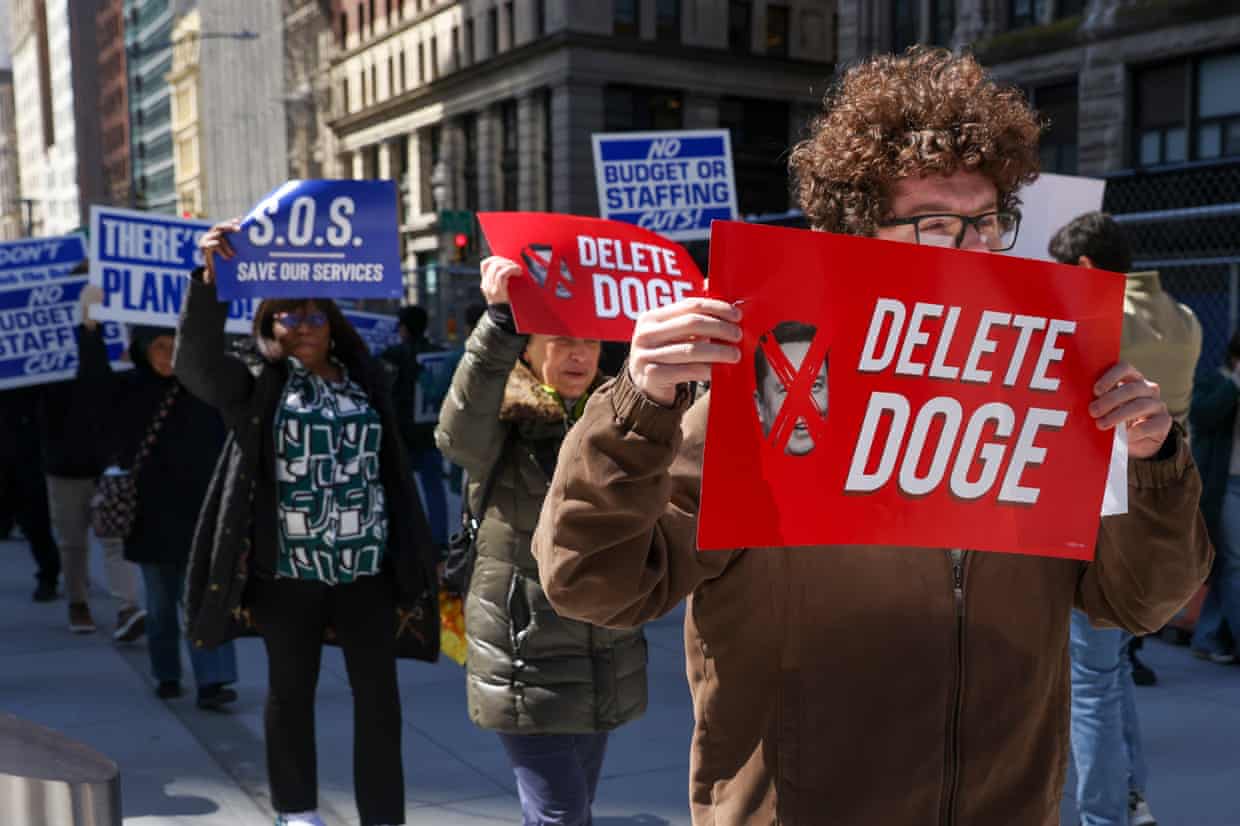
US court says Trump’s Doge team can access social security numbers and other sensitive data
Entities mentioned:
- Trump administration: Control, Power, Efficiency
- Department of Government Efficiency (Doge): Efficiency, Control, Power
- Unions: Self-preservation, Security, Privacy
- US appeals court: Duty, Justice, Obligation
- Donald Trump: Power, Control, Efficiency
- Elon Musk: Ambition, Influence, Efficiency
Article Assessment:
Credibility Score: 75/100
Bias Rating: 45/100 (Center)
Sentiment Score: 35/100
Authoritarianism Risk: 65/100 (Authoritarian Tendencies)
Bias Analysis:
The article presents a relatively balanced view, including perspectives from both sides of the issue. However, there's a slight lean towards emphasizing the concerns of the unions and potential privacy issues, which may indicate a subtle center-left bias.
Key metric: Government Efficiency and Transparency
As a social scientist, I analyze that this court decision represents a significant shift in the balance between government efficiency efforts and individual privacy concerns. The ruling allows the Trump administration's Doge team to access sensitive personal data, potentially impacting millions of Americans. This move towards centralized data access could lead to increased government efficiency, but it also raises serious privacy and security concerns. The court's decision suggests a prioritization of administrative streamlining over potential privacy risks, which could have long-term implications for how personal data is handled in government systems. The conflict between unions and the administration highlights the tension between workforce protection and government downsizing initiatives. This case also demonstrates the ongoing debate about the appropriate scope and power of unofficial government teams like Doge in accessing and utilizing sensitive information.