
RFK Jr. Recommends Eating Good Cancer To Kill The Bad Cancer
Entities mentioned:
- Robert F. Kennedy Jr.: Influence, Recognition, Righteousness
- American Cancer Society: Professional pride, Influence, Self-preservation
- Pharmaceutical companies: Greed, Control, Influence
Article Assessment:
Credibility Score: 25/100
Bias Rating: 45/100 (Center)
Sentiment Score: 30/100
Authoritarianism Risk: 65/100 (Authoritarian Tendencies)
Bias Analysis:
The article presents Kennedy's claims without explicit endorsement or criticism, maintaining a neutral tone. However, the absurdity of the claims is implicitly highlighted through detailed descriptions, suggesting a subtle critique of the source.
Key metric: Public Health Outcomes
As a social scientist, I analyze that this article presents a highly controversial and scientifically unfounded health recommendation from a high-ranking government official. The dissemination of such misinformation from a trusted source could significantly impact public health outcomes by potentially discouraging individuals from seeking proven medical treatments for cancer. This could lead to increased mortality rates and a decline in overall public health. The article also highlights the growing influence of conspiracy theories and pseudoscience in public policy, which could erode trust in established medical institutions and practices.
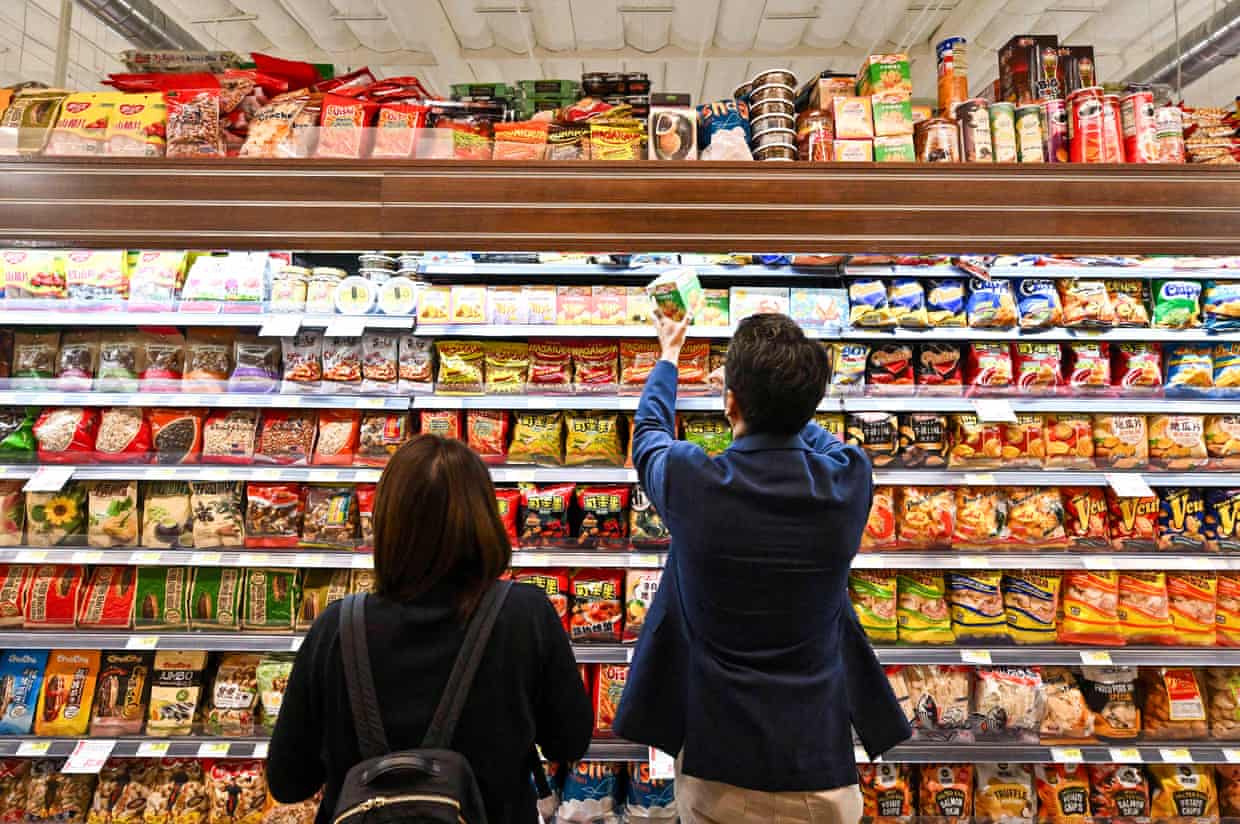
US prices continued rise in July as Trump tariffs impact consumer costs
Entities mentioned:
- Donald Trump: Power, Control, Pride
- US Federal Reserve: Duty, Professional pride, Independence
- Jerome Powell: Professional pride, Duty, Independence
- Bureau of Labor Statistics: Duty, Professional pride, Integrity
- Erika McEntarfer: Duty, Professional pride
- EJ Antoni: Ambition, Influence, Professional pride
- Retailers (Walmart, Nike, Macy's): Self-preservation, Profit, Competitive spirit
Article Assessment:
Credibility Score: 75/100
Bias Rating: 45/100 (Center)
Sentiment Score: 35/100
Authoritarianism Risk: 65/100 (Authoritarian Tendencies)
Bias Analysis:
The article presents a balanced view of economic data and includes perspectives from various stakeholders. While it does highlight criticisms of Trump's policies, it also includes his statements and claims, maintaining a relatively neutral stance.
Key metric: US Economic Growth and Stability
As a social scientist, I analyze that this article highlights the complex interplay between Trump's trade policies, inflation, and economic stability. The implementation of tariffs has begun to impact consumer prices, potentially slowing economic growth. The revised job figures and inflation data suggest a more volatile economic situation than previously thought. This volatility is exacerbated by Trump's unconventional approach to economic policy and his public criticism of economic institutions like the Federal Reserve and Bureau of Labor Statistics. The president's actions, including firing the BLS commissioner and threatening to sue the Fed chair, indicate a concerning trend towards politicizing traditionally independent economic institutions. This could have long-term implications for the credibility and effectiveness of US economic policy-making and data reporting, potentially undermining investor and consumer confidence.