
Indiana’s Republican leaders won’t commit to redistricting after Vance visit
Entities mentioned:
- JD Vance: Power, Influence, Ambition
- Mike Braun: Wariness, Self-preservation, Loyalty
- Donald Trump: Power, Control, Ambition
- Todd Huston: Wariness, Self-preservation, Duty
- Rodric Bray: Wariness, Self-preservation, Duty
- Mitch Daniels: Righteousness, Legacy, Influence
- Frank Mrvan: Self-preservation, Determination, Duty
- André Carson: Self-preservation, Duty, Justice
- Matt Pierce: Justice, Moral outrage, Duty
Article Assessment:
Credibility Score: 75/100
Bias Rating: 45/100 (Center)
Sentiment Score: 35/100
Authoritarianism Risk: 65/100 (Authoritarian Tendencies)
Bias Analysis:
The article presents multiple viewpoints, including those of Republicans and Democrats. While it highlights the controversial nature of the redistricting effort, it maintains a relatively balanced tone, providing context and background information.
Key metric: Electoral Integrity
As a social scientist, I analyze that this article highlights a critical juncture in American democratic processes, specifically focusing on redistricting efforts in Indiana. The push for mid-cycle redistricting by the Trump administration threatens to undermine electoral integrity and further polarize the political landscape. This move, if successful, could significantly alter the balance of power in the U.S. House of Representatives, potentially swinging two Democratic seats to Republican control. The resistance from some Indiana Republican leaders, including former Governor Mitch Daniels, suggests a conflict between party loyalty and maintaining democratic norms. This situation exemplifies the broader national trend of intensifying partisan gerrymandering, which risks eroding public trust in electoral processes and representative democracy. The potential special session for redistricting also raises questions about the use of public resources for partisan gain. The Democrats' limited power to oppose such moves in Indiana further underscores the importance of checks and balances in maintaining democratic integrity.

Trump administration to reinstall two Confederate statues
Entities mentioned:
- Trump administration: Control, Legacy, Pride
- Donald Trump: Power, Legacy, Influence
- US National Park Service: Duty, Obligation, Professional pride
- Pete Hegseth: Loyalty, Righteousness, Influence
- Glenn Youngkin: Pride, Legacy, Influence
- Biden administration: Justice, Unity, Righteousness
- Eleanor Holmes Norton: Justice, Moral outrage, Determination
Article Assessment:
Credibility Score: 75/100
Bias Rating: 55/100 (Center)
Sentiment Score: 35/100
Authoritarianism Risk: 65/100 (Authoritarian Tendencies)
Bias Analysis:
The article presents multiple viewpoints, including those supporting and opposing the reinstatement of Confederate monuments. However, there's a slight lean towards critical perspectives of the action, particularly in the detailed explanation of the monuments' controversial aspects.
Key metric: Social Cohesion
As a social scientist, I analyze that this article highlights a significant regression in social progress and national unity. The reinstatement of Confederate monuments, particularly in the aftermath of widespread protests against racial injustice, signals a deliberate attempt to reassert narratives that many view as supportive of systemic racism. This action is likely to exacerbate existing social tensions, potentially leading to decreased trust in government institutions and increased polarization among different demographic groups. The justification of these actions through executive orders and reinterpretations of historical narratives suggests a concerning trend towards using governmental power to shape public memory and national identity in ways that may marginalize certain communities. This could have long-term implications for social cohesion, civic engagement, and the collective understanding of American history.

An Epstein cover-up? Victims and allies suggest it’s happening now, under Trump
Entities mentioned:
- Donald Trump: Self-preservation, Power, Control
- Jeffrey Epstein: Power, Control, Greed
- Ghislaine Maxwell: Self-preservation, Loyalty, Power
- Virginia Giuffre: Justice, Recognition, Moral outrage
- Trump Administration: Self-preservation, Control, Power
- Epstein Victims: Justice, Moral outrage, Recognition
Article Assessment:
Credibility Score: 65/100
Bias Rating: 35/100 (Lean Left)
Sentiment Score: 25/100
Authoritarianism Risk: 45/100 (Mixed/Neutral)
Bias Analysis:
The article leans left, focusing on criticisms of the Trump administration and giving voice to Epstein's victims. While it presents factual information, the framing and emphasis on potential cover-ups by the Trump administration suggest a left-leaning perspective.
Key metric: Public Trust in Government
As a social scientist, I analyze that this article significantly impacts public trust in government. The allegations of a potential cover-up by the Trump administration regarding the Epstein case erode confidence in governmental transparency and justice. The victims' accusations of favorable treatment for Maxwell and lack of disclosure fuel suspicions of high-level corruption. This narrative challenges the administration's self-portrayal as anti-establishment and committed to exposing wrongdoing. The widespread belief among Americans that the government is hiding information about Epstein's clients further undermines trust. This situation highlights the tension between political self-preservation and the public's demand for transparency, potentially deepening existing divides in public opinion about governmental integrity.

Whitmer is trying to leverage her relationship with Trump again — this time on tariffs and Medicaid
Entities mentioned:
- Gretchen Whitmer: Ambition, Duty, Self-preservation
- Donald Trump: Power, Control, Influence
- JB Pritzker: Competitive spirit, Moral outrage
Article Assessment:
Credibility Score: 75/100
Bias Rating: 45/100 (Center)
Sentiment Score: 55/100
Authoritarianism Risk: 30/100 (Generally Democratic)
Bias Analysis:
The article presents a balanced view of the political dynamics, including perspectives from both parties. While it gives more space to Whitmer's actions, it also includes contrasting approaches from other Democrats, maintaining a relatively neutral stance.
Key metric: Economic Growth
As a social scientist, I analyze that this article highlights the complex interplay between state and federal politics, particularly in the context of economic policy. Governor Whitmer's approach of leveraging a positive relationship with President Trump, despite party differences, demonstrates a pragmatic strategy to benefit her state's economy. The focus on tariffs and Medicaid changes underscores the significant impact federal policies can have on state economies, especially in manufacturing-heavy states like Michigan. This interaction also reveals the delicate balance Democratic politicians must maintain between working with a Republican administration and maintaining their party allegiance, as evidenced by the contrast with Governor Pritzker's more confrontational approach.

Victims object to ‘public legitimization’ of Ghislaine Maxwell as judge weighs fate of Epstein grand jury transcripts
Entities mentioned:
- Jeffrey Epstein: Power, Control, Greed
- Ghislaine Maxwell: Self-preservation, Power, Control
- Victims of Epstein and Maxwell: Justice, Self-respect, Security
- Brad Edwards and Paul Cassell (Lawyers): Justice, Duty, Moral outrage
- Justice Department: Control, Obligation, Wariness
- Trump administration: Power, Control, Self-preservation
- Todd Blanche (Deputy Attorney General): Duty, Professional pride, Influence
- David Oscar Markus (Maxwell's attorney): Duty, Professional pride, Self-preservation
Article Assessment:
Credibility Score: 75/100
Bias Rating: 45/100 (Center)
Sentiment Score: 35/100
Authoritarianism Risk: 25/100 (Generally Democratic)
Bias Analysis:
The article presents multiple perspectives, including those of victims, lawyers, and Maxwell's defense. While it leans slightly towards emphasizing victim concerns, it also includes Maxwell's arguments, maintaining a relatively balanced approach.
Key metric: Public Trust in Government Institutions
As a social scientist, I analyze that this article highlights a significant tension between the pursuit of justice, victim protection, and institutional transparency. The potential unsealing of grand jury transcripts in the Epstein case presents a complex challenge to the justice system. On one hand, there's a push for transparency and accountability, particularly given the high-profile nature of the case and its connection to powerful figures. On the other hand, there are serious concerns about victim privacy, re-traumatization, and the potential impact on ongoing legal proceedings. The article suggests a growing distrust among victims towards government institutions, particularly in light of Maxwell's recent treatment. This situation likely negatively impacts public trust in government institutions, as it raises questions about the priorities and motivations of the justice system when dealing with high-profile cases involving influential individuals.

Top Trump officials will discuss Epstein strategy at Wednesday dinner hosted by Vance
Entities mentioned:
- Trump administration: Control, Self-preservation, Unity
- Todd Blanche: Duty, Professional pride, Justice
- Ghislaine Maxwell: Self-preservation, Fear, Loyalty
- Jeffrey Epstein: Power, Greed, Control
- Donald Trump: Self-preservation, Power, Control
- House Oversight Committee: Justice, Duty, Moral outrage
Article Assessment:
Credibility Score: 75/100
Bias Rating: 45/100 (Center)
Sentiment Score: 35/100
Authoritarianism Risk: 40/100 (Generally Democratic)
Bias Analysis:
The article presents a balanced view, including perspectives from various sides and citing multiple sources. While it focuses on Trump administration actions, it also includes opposition viewpoints and contextual information, maintaining a generally neutral stance.
Key metric: Government Transparency Index
As a social scientist, I analyze that this article highlights the complex interplay between government transparency, political strategy, and public perception in the handling of high-profile criminal cases. The Trump administration's deliberation over releasing sensitive information related to the Epstein case demonstrates a tension between transparency demands and potential political ramifications. This situation could significantly impact the Government Transparency Index, as the decision to release or withhold information will be seen as a benchmark for the administration's commitment to openness. The involvement of high-ranking officials in strategizing the response underscores the political sensitivity of the issue. The House Oversight Committee's subpoenas further emphasize the broader governmental push for transparency, potentially forcing the administration's hand. This case serves as a litmus test for how the government balances public interest, legal considerations, and political strategy in high-stakes situations.

Justice Department to seek federal hate crime charges and death penalty in killing of Israeli Embassy staffers
Entities mentioned:
- Justice Department: Justice, Duty, Righteousness
- Elias Rodriguez: Moral outrage, Revenge, Righteousness
- Trump Justice Department: Determination, Justice, Power
- Yaron Lischinsky: Duty, Professional pride
- Sarah Milgrim: Duty, Professional pride
- Jeanine Pirro: Justice, Ambition, Professional pride
Article Assessment:
Credibility Score: 75/100
Bias Rating: 55/100 (Center)
Sentiment Score: 30/100
Authoritarianism Risk: 35/100 (Generally Democratic)
Bias Analysis:
The article presents a balanced view of the case, including both the prosecution's perspective and potential challenges. While it mentions the Trump Justice Department's approach, it does not overtly favor or criticize any political stance.
Key metric: Domestic Terrorism Incidents
As a social scientist, I analyze that this case represents a significant escalation in the US government's approach to hate crimes and terrorism, particularly those targeting the Jewish community. The decision to pursue federal hate crime charges and potentially seek the death penalty indicates a strong stance against antisemitism and violence towards foreign officials. This case may set a precedent for how similar incidents are handled in the future, potentially impacting the frequency and nature of such attacks. The difficulty in proving hate crime motivations, especially when political motivations are intertwined, highlights the complexities in prosecuting these cases. The swift action and high-profile nature of the case may serve as a deterrent, but could also inflame tensions in already polarized communities.
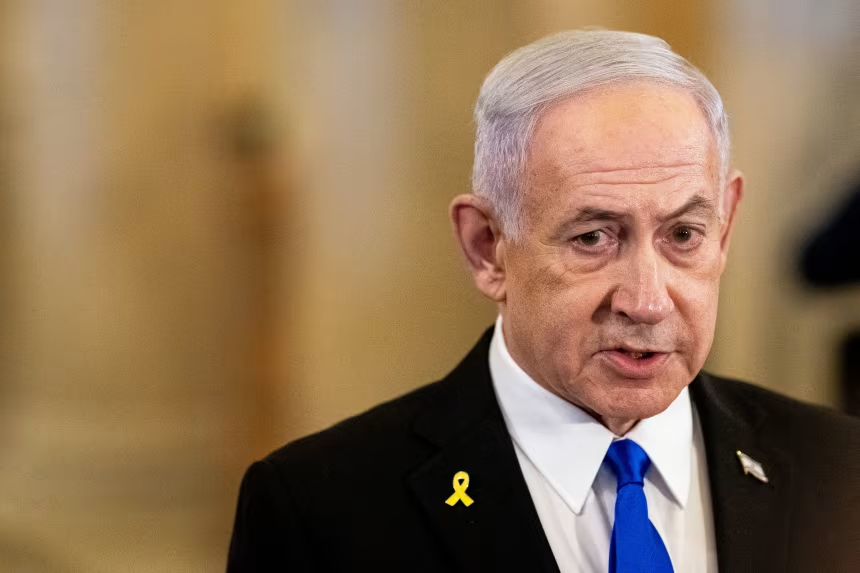
Pro-Israel Democrats try breaking with Netanyahu to stop party’s shift amid Gaza crisis
Entities mentioned:
- Benjamin Netanyahu: Power, Control, Self-preservation
- Democratic Party: Unity, Influence, Self-preservation
- AIPAC: Influence, Loyalty, Power
- Brian Schatz: Justice, Moral outrage, Professional pride
- Mikie Sherrill: Duty, Justice, Self-preservation
- Tim Walz: Ambition, Influence, Professional pride
- Cory Booker: Ambition, Loyalty, Self-preservation
- John Fetterman: Loyalty, Determination, Moral outrage
- Bernie Sanders: Justice, Moral outrage, Influence
- Rahm Emanuel: Ambition, Influence, Self-preservation
Article Assessment:
Credibility Score: 75/100
Bias Rating: 45/100 (Center)
Sentiment Score: 35/100
Bias Analysis:
The article presents multiple perspectives within the Democratic Party, including both pro-Israel and critical voices. While it leans slightly towards highlighting critical views of Netanyahu, it also includes counterpoints and context, maintaining a relatively balanced approach.
Key metric: Democratic Party Unity and Voter Support
As a social scientist, I analyze that this article highlights a significant shift in the Democratic Party's stance towards Israel, particularly in relation to Prime Minister Netanyahu's policies. This shift is driven by moral outrage over the humanitarian crisis in Gaza and a strategic calculation about future voter support, especially among younger Democrats. The party is attempting to balance its traditional pro-Israel stance with criticism of Netanyahu's government, hoping to maintain unity while adapting to changing voter sentiments. This balancing act could have significant implications for party cohesion, future elections, and U.S.-Israel relations. The article suggests that this issue may become a litmus test in upcoming elections, potentially reshaping the Democratic Party's foreign policy platform and its relationship with pro-Israel lobbying groups like AIPAC.
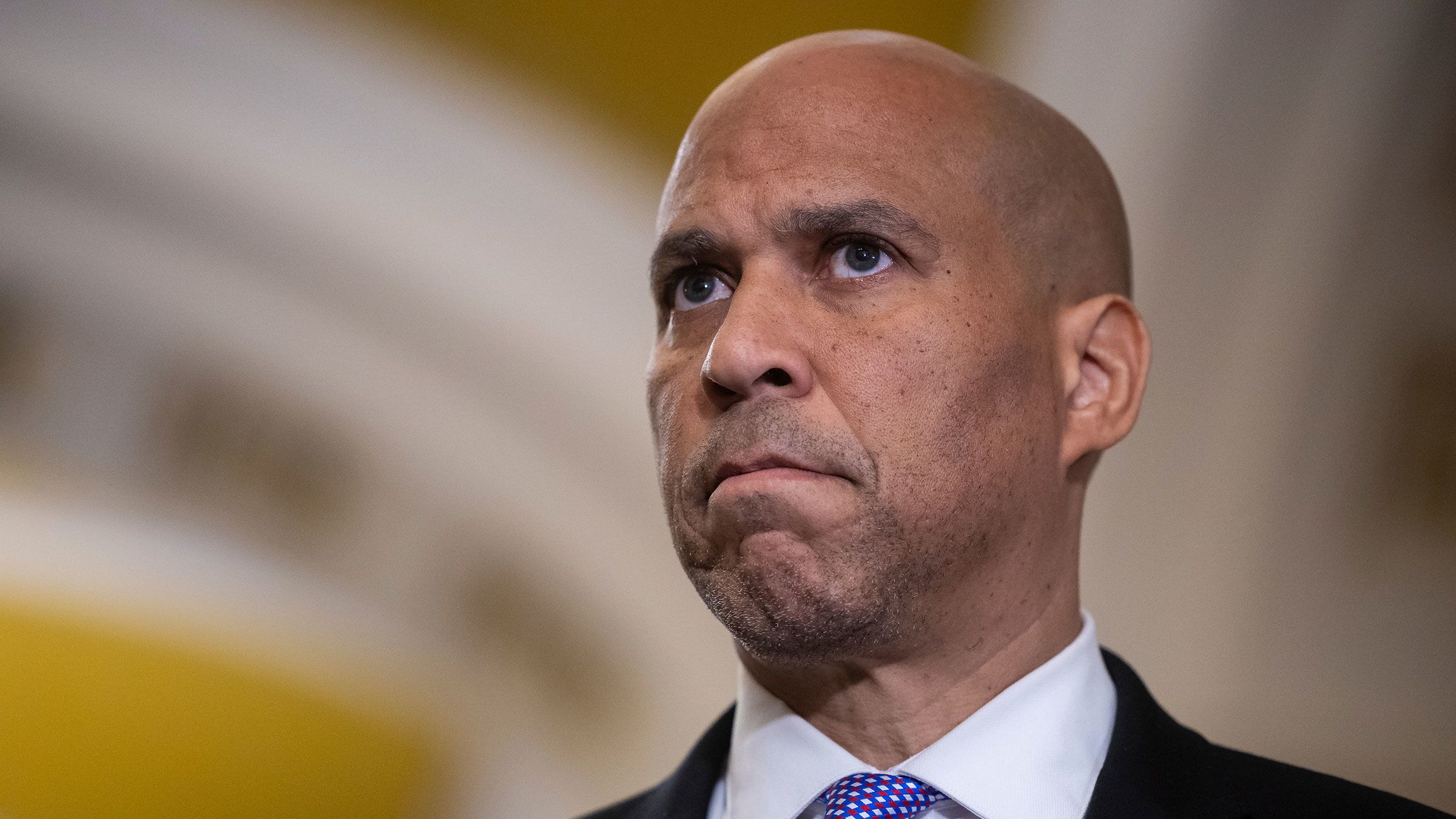
Cory Booker’s message to the Democratic Party: Don’t bend the knee to Trump
Entities mentioned:
- Cory Booker: Righteousness, Moral outrage, Determination
- Donald Trump: Power, Control, Influence
- Democratic Party: Unity, Self-preservation, Power
- Republican Party: Power, Control, Competitive spirit
Article Assessment:
Credibility Score: 75/100
Bias Rating: 40/100 (Lean Left)
Sentiment Score: 35/100
Bias Analysis:
The article leans slightly left, primarily due to its focus on a Democratic senator's perspective and criticism of Trump. While it includes some counterpoints, the overall framing favors Democratic viewpoints and concerns.
Key metric: Political Polarization Index
As a social scientist, I analyze that this article highlights the growing polarization in American politics, with Senator Booker calling for a more aggressive stance against President Trump. This approach could potentially increase political divisions and affect governance. Booker's rhetoric about 'bending the knee' and fighting against 'authoritarianism' suggests a deepening of party lines and a possible escalation of political conflict. His call for Democrats to engage in partisan redistricting, despite previous stances on nonpartisan approaches, indicates a shift towards more aggressive political tactics. This could further erode trust in democratic institutions and processes, potentially leading to increased voter cynicism and decreased faith in the political system.

Crisis in Gaza seems hopeless. Here’s a potential pathway for a 90-day solution
Entities mentioned:
- Brett McGurk: Professional pride, Duty, Influence
- Hamas: Power, Control, Revenge
- Israel: Security, Self-preservation, Justice
- United States: Influence, Security, Duty
- Qatar: Influence, Power, Recognition
- Egypt: Influence, Security, Stability
- France: Influence, Moral outrage, Justice
- United Kingdom: Influence, Moral outrage, Justice
- Benjamin Netanyahu: Power, Self-preservation, Security
- Joe Biden: Influence, Duty, Legacy
Article Assessment:
Credibility Score: 75/100
Bias Rating: 55/100 (Center)
Sentiment Score: 45/100
Bias Analysis:
The article presents a relatively balanced view, considering multiple perspectives and options. However, it leans slightly towards a US-centric perspective, given the author's background and focus on US involvement in the solution.
Key metric: US Global Influence and Diplomatic Effectiveness
As a social scientist, I analyze that this article presents a complex geopolitical situation with multiple stakeholders and competing interests. The proposed 'Option 6' solution seeks to balance humanitarian concerns, hostage release, and long-term stability in Gaza. This approach could potentially enhance US diplomatic effectiveness by positioning it as a problem-solver in a seemingly intractable conflict. However, the success of this strategy depends on the willingness of all parties to cooperate, particularly Hamas, which has shown resistance to previous proposals. The article highlights the challenges of international diplomacy and the need for creative solutions in conflict resolution. The impact on US global influence will depend on the outcome of this proposed strategy and how it is perceived by the international community.