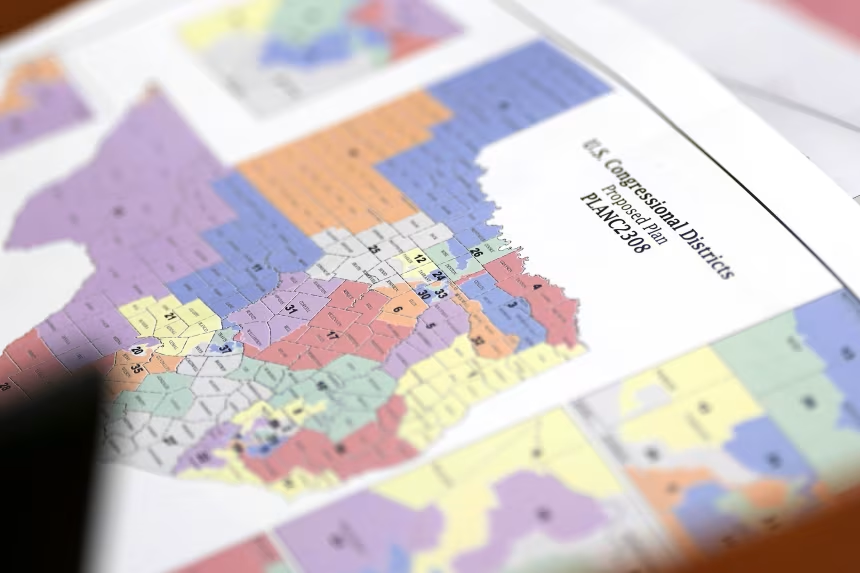
What happens next in Texas redistricting and for Democrats facing civil arrest warrants
Entities mentioned:
- Texas Republicans: Power, Control, Determination
- Texas Democrats: Righteousness, Moral outrage, Justice
- Greg Abbott: Power, Control, Ambition
- Dustin Burrows: Duty, Control, Determination
- Ken Paxton: Power, Control, Moral outrage
- Sarah Chen: Justice, Professional pride, Duty
- Jolanda Jones: Righteousness, Defiance, Justice
- Andrew Cates: Professional pride, Curiosity, Duty
- James Talarico: Duty, Righteousness, Moral outrage
Article Assessment:
Credibility Score: 75/100
Bias Rating: 55/100 (Center)
Sentiment Score: 35/100
Bias Analysis:
The article presents views from both Republican and Democratic sides, including quotes from various officials and legal experts. While it gives slightly more space to explaining the Democrats' position, it maintains a generally balanced tone in reporting the facts of the situation.
Key metric: Political Polarization Index
As a social scientist, I analyze that this article highlights the increasing polarization in American politics, particularly at the state level. The extreme measures taken by both parties - Republicans issuing civil arrest warrants and Democrats fleeing the state - demonstrate a breakdown in normal legislative processes. This escalation of tactics could further erode public trust in democratic institutions and increase partisan animosity. The redistricting effort at the center of this conflict has potential long-term implications for political representation and power balance, both in Texas and at the national level. The use of law enforcement in a political dispute also raises questions about the separation of powers and the limits of executive authority in compelling legislative action.
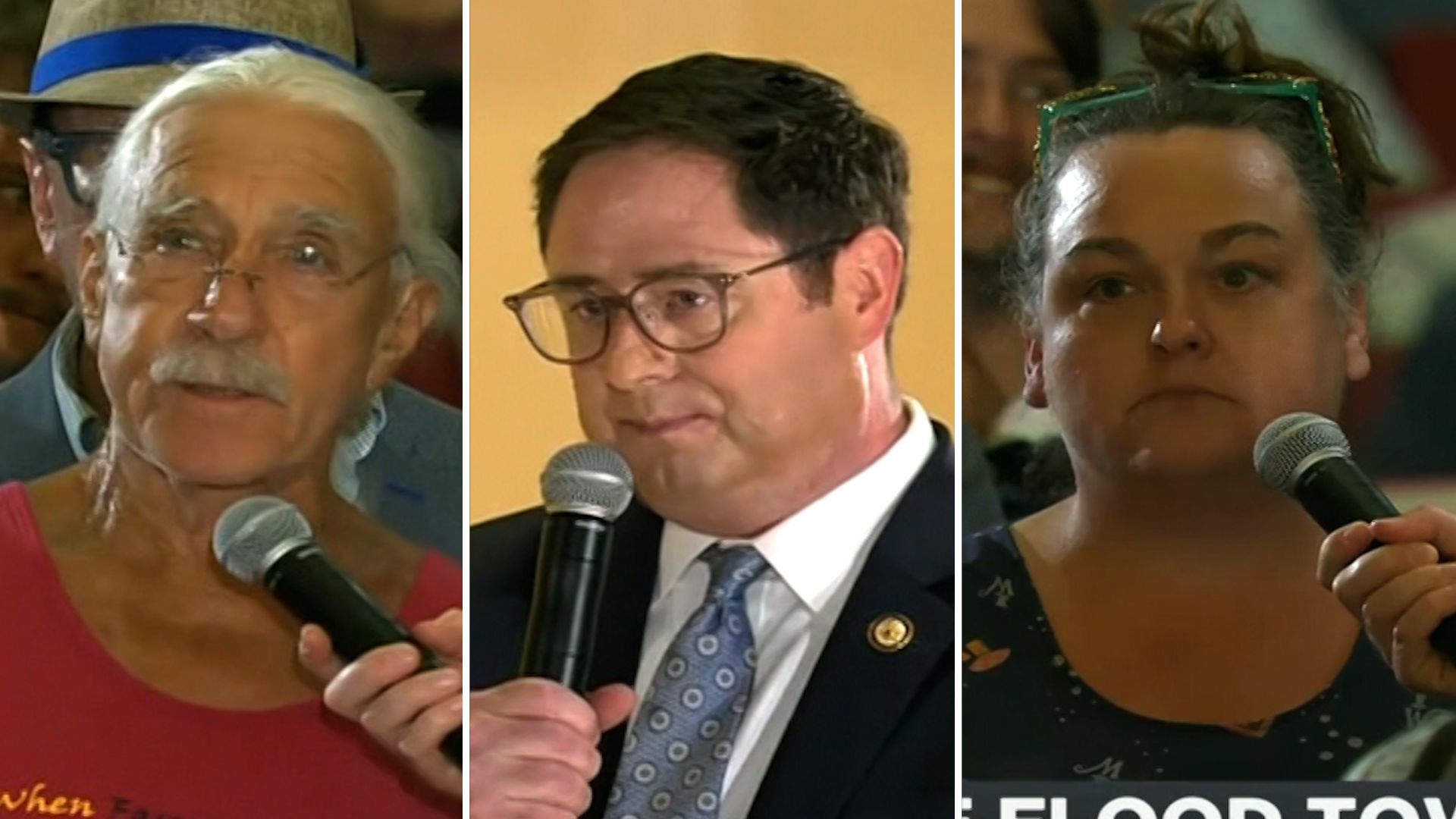
‘How much does it cost for fascism?’: Tensions erupt at Nebraska GOP congressman’s town hall
Entities mentioned:
- Rep. Mike Flood: Duty, Loyalty, Self-preservation
- President Donald Trump: Power, Control, Legacy
- National Republican Congressional Committee: Influence, Control, Unity
- Sen. Elissa Slotkin: Justice, Moral outrage, Duty
- Rep. Adam Smith: Duty, Self-preservation, Professional pride
Article Assessment:
Credibility Score: 75/100
Bias Rating: 45/100 (Center)
Sentiment Score: 35/100
Bias Analysis:
The article presents multiple viewpoints and includes perspectives from both Republican and Democratic politicians. While it gives more space to criticism of Republican policies, it also includes counterarguments and attempts to balance the narrative.
Key metric: Public Trust in Government
As a social scientist, I analyze that this article highlights the growing tension between elected officials and their constituents, particularly regarding controversial policies and perceived threats to democracy. The contentious town halls, especially Rep. Flood's, demonstrate a significant divide between Republican representatives supporting Trump's agenda and a vocal portion of their constituents. This disconnect, coupled with concerns over authoritarianism and government spending, suggests a potential decline in public trust in government. The article also touches on bipartisan concerns regarding presidential pardon powers, further indicating a broader issue of faith in governmental systems and checks and balances.
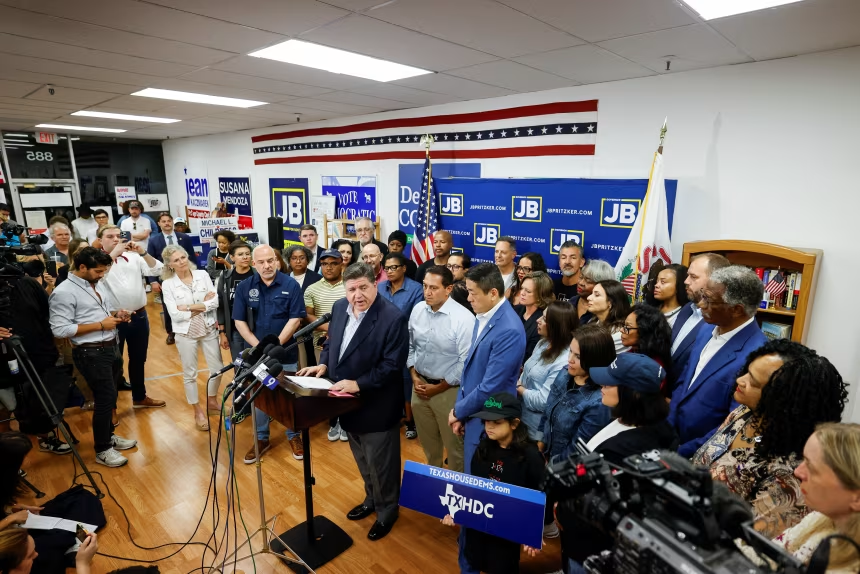
Texas Democrats leave the state to prevent vote on GOP-drawn congressional map
Entities mentioned:
- Texas House Democrats: Justice, Self-preservation, Moral outrage
- Texas Republicans: Power, Control, Ambition
- Donald Trump: Power, Influence, Control
- Greg Abbott: Control, Power, Determination
- Gene Wu: Justice, Duty, Moral outrage
- JB Pritzker: Unity, Justice, Moral outrage
- Ken Paxton: Ambition, Power, Control
- Eric Holder: Justice, Righteousness, Determination
Article Assessment:
Credibility Score: 75/100
Bias Rating: 45/100 (Center)
Sentiment Score: 35/100
Bias Analysis:
The article presents perspectives from both Democrats and Republicans, quoting multiple sources from each side. While it gives slightly more space to Democratic arguments, it also includes Republican justifications and counterarguments, maintaining a relatively balanced approach.
Key metric: Electoral Integrity
As a social scientist, I analyze that this article highlights a significant political conflict in Texas over redistricting, which has broader implications for national electoral dynamics. The Democrats' drastic action of leaving the state to prevent a quorum reflects the high stakes of this redistricting effort, which could potentially eliminate five Democratic U.S. House seats. This conflict exemplifies the intensifying partisan struggle over electoral maps, with both sides accusing the other of unfair practices. The involvement of national figures and the threat of similar actions in other states suggests this could be a preview of widespread redistricting battles, potentially destabilizing the electoral landscape and eroding public trust in the democratic process. The extreme measures taken by both parties indicate a deepening political polarization and a willingness to push constitutional and procedural boundaries, which could have long-term effects on American democracy and governance.