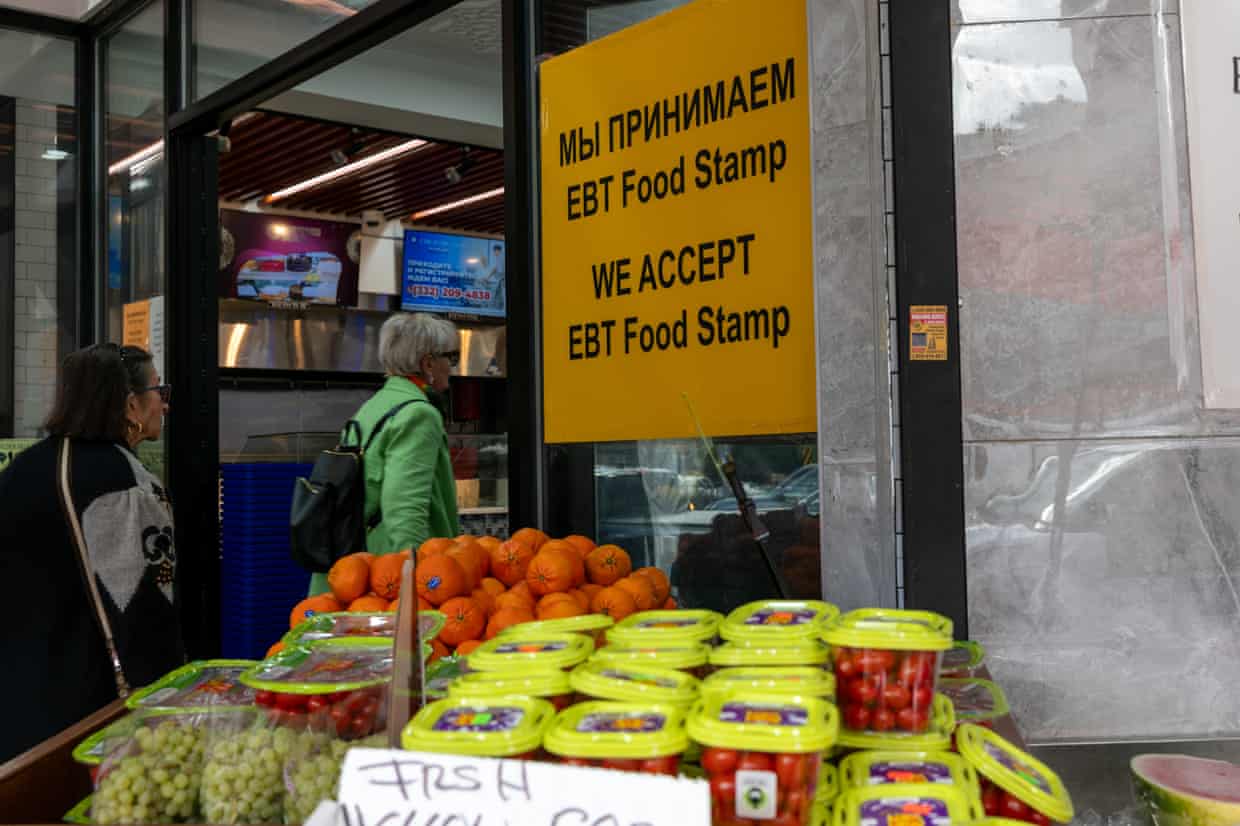
Trump law will cut food stamps for 2.4 million people as work rules widen
Entities mentioned:
- Donald Trump: Power, Control, Influence
- Republican lawmakers: Righteousness, Fiscal responsibility, Control
- Congressional Budget Office (CBO): Duty, Professional pride, Objectivity
- Food Research & Action Center: Justice, Moral outrage, Advocacy
- Robert F Kennedy Jr: Righteousness, Public health, Control
Article Assessment:
Credibility Score: 75/100
Bias Rating: 40/100 (Lean Left)
Sentiment Score: 30/100
Authoritarianism Risk: 45/100 (Mixed/Neutral)
Bias Analysis:
The article leans slightly left in its framing, emphasizing the negative impacts of the policy on vulnerable populations. While it includes data from the non-partisan CBO, the selection of quotes and perspectives tends to be critical of the policy changes.
Key metric: Poverty Rate
As a social scientist, I analyze that this policy change will likely increase the poverty rate in the United States. The expansion of work requirements for SNAP benefits to include parents, older adults, and veterans will result in 2.4 million fewer Americans receiving food assistance. This reduction in benefits disproportionately affects lower-income households, potentially pushing more families into food insecurity and poverty. The CBO's estimate that resources will decrease for households at the bottom of the income distribution while increasing for middle and higher-income households suggests a widening of income inequality. This policy shift may lead to increased strain on local food banks and other social services, potentially offsetting any federal savings with increased costs at the state and local levels. The long-term consequences could include negative impacts on public health, child development, and economic mobility for affected families.
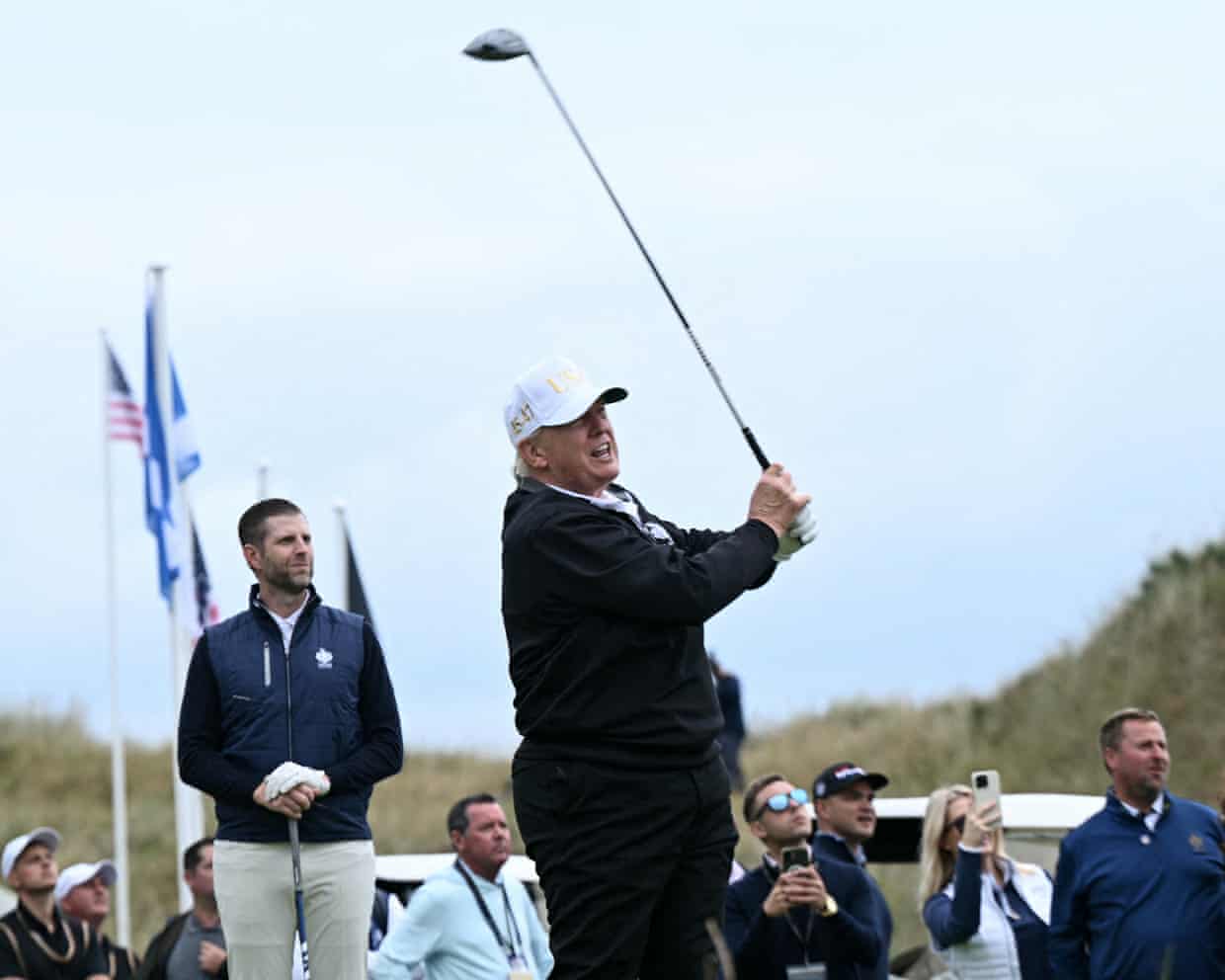
Golf for them, grind for us: Trump, Vance and the hellish US holiday divide
Entities mentioned:
- Donald Trump: Power, Recognition, Self-preservation
- JD Vance: Ambition, Recognition, Influence
- Barack Obama: Legacy, Influence
- Microsoft: Competitive spirit, Influence, Greed
- Mercedes-Benz: Competitive spirit, Innovation, Greed
Article Assessment:
Credibility Score: 65/100
Bias Rating: 30/100 (Lean Left)
Sentiment Score: 25/100
Authoritarianism Risk: 20/100 (Strongly Democratic)
Bias Analysis:
The article leans left, criticizing conservative politicians and policies while advocating for more worker-friendly practices. The author's tone and selective use of examples demonstrate a clear ideological stance, though some factual information is included.
Key metric: Labor Force Participation Rate
As a social scientist, I analyze that this article highlights a growing disparity between the work-life balance of political elites and average American workers. The frequent vacations and leisure activities of politicians like Trump and Vance are contrasted with the lack of mandated paid time off for most US workers. This dichotomy may impact the Labor Force Participation Rate by contributing to worker burnout and dissatisfaction, potentially leading some to exit the workforce. The article's focus on 'infinite workdays' and technological encroachment on personal time further emphasizes the strain on the American workforce, which could discourage labor market participation and affect overall economic productivity.