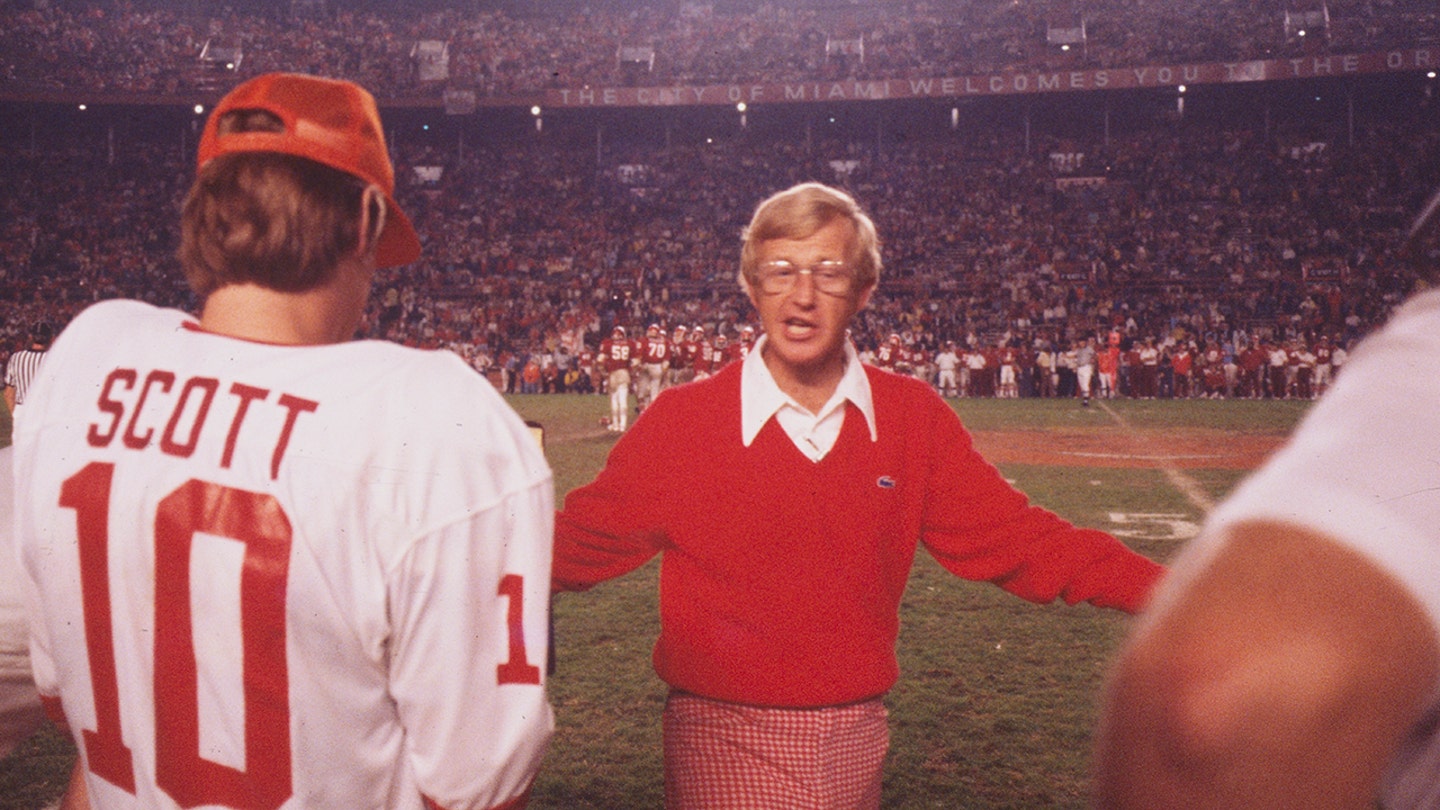
GOP lawmakers mourn legendary football coach Lou Holtz
Entities mentioned:
- Lou Holtz: Legacy, Determination, Influence
- Republican lawmakers: Loyalty, Recognition, Unity
- Democratic leaders: Wariness, Self-preservation, Professional pride
- Donald Trump: Power, Recognition, Loyalty
Article Assessment:
Credibility Score: 75/100
Bias Rating: 65/100 (Lean Right)
Sentiment Score: 45/100
Authoritarianism Risk: 30/100 (Generally Democratic)
Bias Analysis:
The article leans right by emphasizing GOP reactions and Trump's relationship with Holtz, while pointedly noting Democratic silence. The framing suggests a favorable view of Republicans' response compared to Democrats'.
Key metric: Political Unity and Polarization
Let me tell you something - this story is a GAME-CHANGER in the political arena! The passing of coaching legend Lou Holtz has become a fourth-quarter play in the ongoing match between Republicans and Democrats. The GOP is showing a true team spirit, rallying around Holtz's legacy like a offensive line protecting their quarterback. But where's the Democratic defensive line? They're on the sidelines, folks! This silence from the Dems is as deafening as an empty stadium on game day. It's like they're running a prevent defense when they should be blitzing with condolences. I'm telling you right now, this could be a crucial fumble in the bipartisanship bowl. Holtz, a champion coach till the end, has posthumously become the football in a political scrimmage that could impact the scoreboard of national unity. This is RIDICULOUS! Both sides need to remember - in politics, just like in football, it's not always about beating your opponent, sometimes it's about respecting the game and its legends!
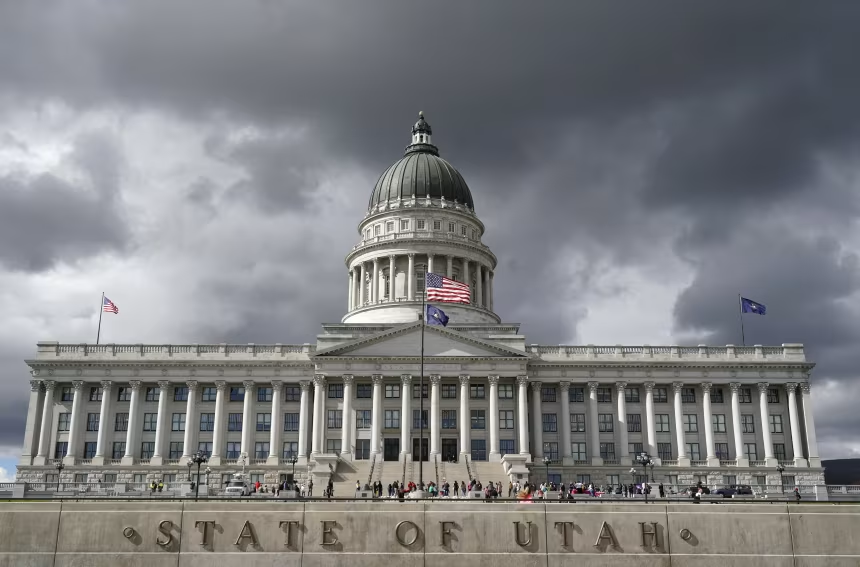
Judge rules Utah’s congressional map must be redrawn for the 2026 elections
Entities mentioned:
- Utah Legislature: Power, Control, Self-preservation
- Judge Dianna Gibson: Justice, Duty, Righteousness
- Independent Commission: Fairness, Duty, Influence
- Lt. Gov. Deidre Henderson: Duty, Professional pride, Efficiency
- Republican lawmakers: Power, Self-preservation, Control
- Democratic Party: Power, Competitive spirit, Influence
- Donald Trump: Power, Influence, Control
Article Assessment:
Credibility Score: 75/100
Bias Rating: 55/100 (Center)
Sentiment Score: 40/100
Authoritarianism Risk: 30/100 (Generally Democratic)
Bias Analysis:
The article presents a relatively balanced view, including perspectives from both Republican and Democratic sides. While it leans slightly towards emphasizing the impact on Republican control, it also provides context on national trends and actions in other states.
Key metric: Electoral Competitiveness
As a social scientist, I analyze that this ruling significantly impacts electoral competitiveness in Utah and potentially nationwide. The court's decision to require redrawing of Utah's congressional map challenges the existing power structure, potentially shifting the balance in favor of more competitive districts. This could have ripple effects on national politics, as it may influence the Republican majority in the US House. The ruling also underscores the tension between legislative power and voter-initiated reforms, highlighting the ongoing struggle to prevent partisan gerrymandering. The potential delay in implementation due to appeals reflects the strategic maneuvering often seen in redistricting battles, which can have long-lasting impacts on political representation and party control.
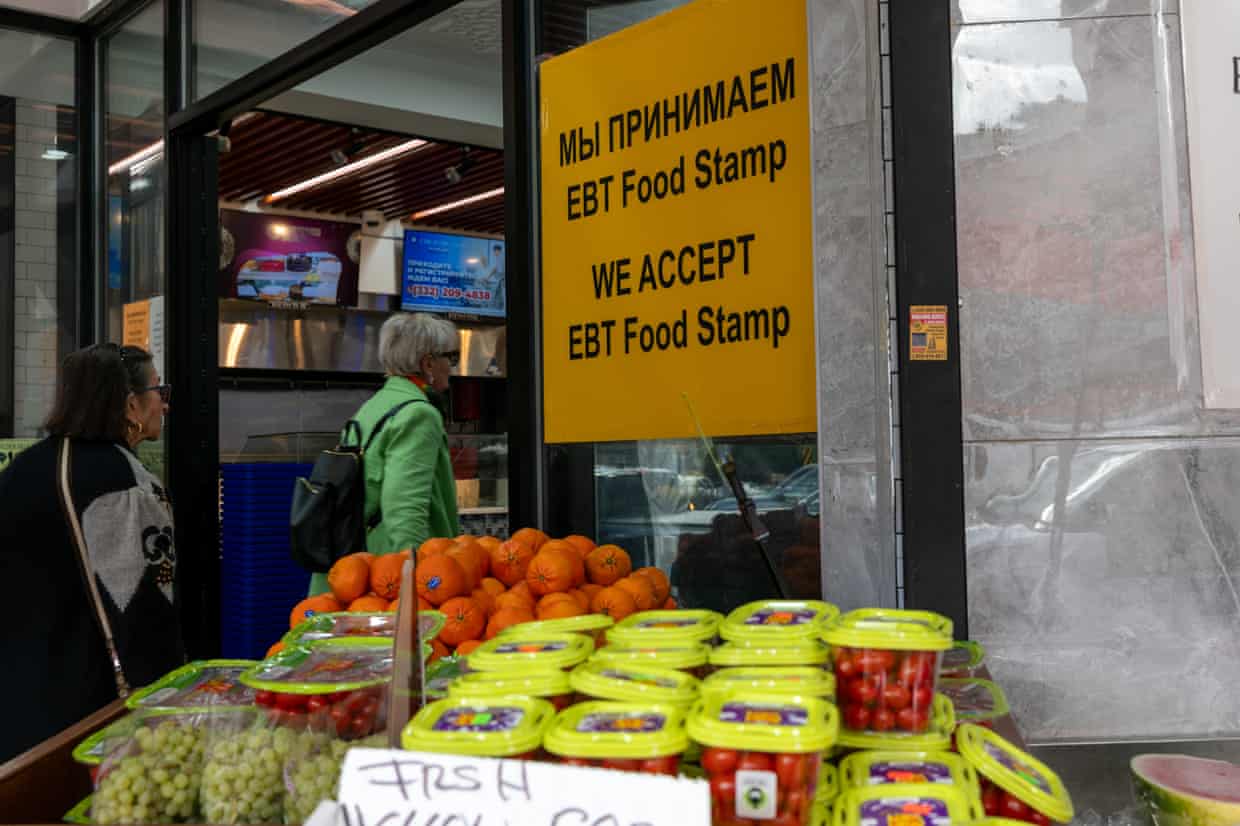
Trump law will cut food stamps for 2.4 million people as work rules widen
Entities mentioned:
- Donald Trump: Power, Control, Influence
- Republican lawmakers: Righteousness, Fiscal responsibility, Control
- Congressional Budget Office (CBO): Duty, Professional pride, Objectivity
- Food Research & Action Center: Justice, Moral outrage, Advocacy
- Robert F Kennedy Jr: Righteousness, Public health, Control
Article Assessment:
Credibility Score: 75/100
Bias Rating: 40/100 (Lean Left)
Sentiment Score: 30/100
Authoritarianism Risk: 45/100 (Mixed/Neutral)
Bias Analysis:
The article leans slightly left in its framing, emphasizing the negative impacts of the policy on vulnerable populations. While it includes data from the non-partisan CBO, the selection of quotes and perspectives tends to be critical of the policy changes.
Key metric: Poverty Rate
As a social scientist, I analyze that this policy change will likely increase the poverty rate in the United States. The expansion of work requirements for SNAP benefits to include parents, older adults, and veterans will result in 2.4 million fewer Americans receiving food assistance. This reduction in benefits disproportionately affects lower-income households, potentially pushing more families into food insecurity and poverty. The CBO's estimate that resources will decrease for households at the bottom of the income distribution while increasing for middle and higher-income households suggests a widening of income inequality. This policy shift may lead to increased strain on local food banks and other social services, potentially offsetting any federal savings with increased costs at the state and local levels. The long-term consequences could include negative impacts on public health, child development, and economic mobility for affected families.

2.4 million people expected to lose food stamps after Trump agenda law broadened work requirements, CBO says
Entities mentioned:
- Republican lawmakers: Righteousness, Fiscal responsibility, Control
- President Donald Trump: Power, Legacy, Influence
- Congressional Budget Office: Duty, Professional pride, Obligation
- Food Research & Action Center: Justice, Moral outrage, Advocacy
- Justin Wolfers: Professional pride, Influence, Obligation
Article Assessment:
Credibility Score: 75/100
Bias Rating: 40/100 (Lean Left)
Sentiment Score: 30/100
Authoritarianism Risk: 45/100 (Mixed/Neutral)
Bias Analysis:
The article leans slightly left, emphasizing the negative impacts on low-income groups and quoting left-leaning sources. However, it also includes factual data from the CBO and presents some counterarguments, maintaining a degree of balance.
Key metric: Poverty Rate
As a social scientist, I analyze that this article highlights significant changes to social welfare programs, particularly SNAP (food stamps) and Medicaid, due to new work requirements. These changes are projected to reduce the number of beneficiaries and potentially increase poverty and food insecurity among vulnerable populations. The CBO's analysis suggests that while the law aims to promote work, it may disproportionately impact low-income families, potentially exacerbating income inequality. The projected increase in uninsured Americans and reduction in food assistance could lead to poorer health outcomes and increased economic stress for affected households, potentially increasing the poverty rate.