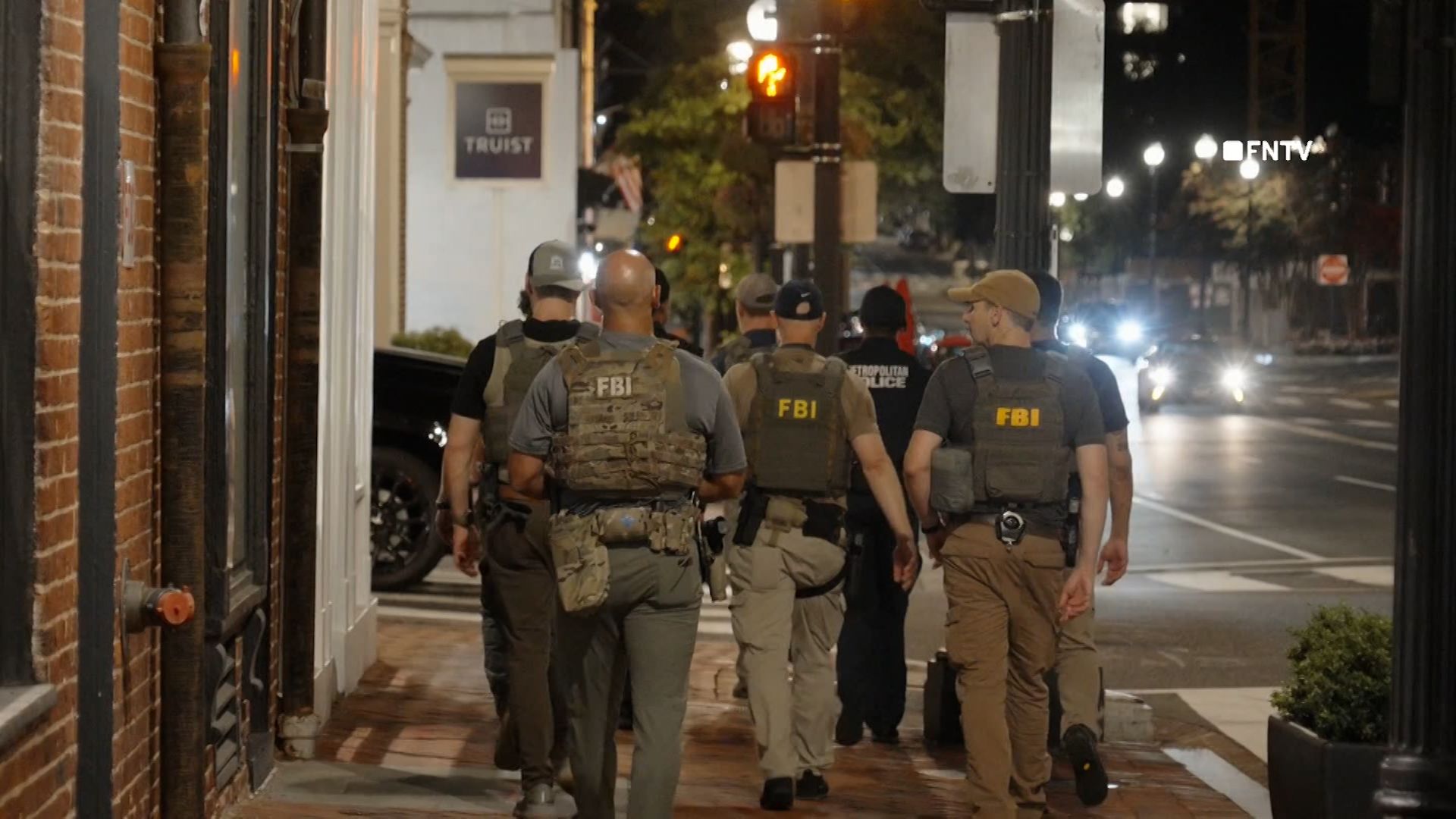
Crowd in DC outraged by federal law enforcement presence as cars stopped on busy street
Entities mentioned:
- Washington, DC police: Duty, Control, Security
- Federal agents: Control, Security, Duty
- President Donald Trump: Power, Control, Security
- Local community members: Moral outrage, Indignation, Freedom
- National Guard: Duty, Security, Control
- White House official: Loyalty, Duty, Control
- Homeland Security Investigations: Security, Control, Duty
- Enforcement and Removal Operations (ICE): Control, Security, Duty
- Mara Lasko (local resident): Moral outrage, Indignation, Freedom
- Mayor Muriel Bowser: Security, Unity, Duty
Article Assessment:
Credibility Score: 75/100
Bias Rating: 45/100 (Center)
Sentiment Score: 35/100
Authoritarianism Risk: 65/100 (Authoritarian Tendencies)
Bias Analysis:
The article presents multiple perspectives, including those of protesters, local residents, and officials. While it leans slightly towards portraying community concerns, it also includes statements from White House and law enforcement sources.
Key metric: Civil Liberties and Rule of Law
As a social scientist, I analyze that this article highlights a significant tension between federal law enforcement actions and local community reactions in Washington, DC. The increased presence of federal agents and checkpoints in residential areas represents a potential infringement on civil liberties and local autonomy. This situation risks eroding trust between law enforcement and communities, potentially leading to increased social unrest. The federal takeover of local policing, justified by claims of high crime rates (which the article notes have actually decreased), raises concerns about the balance of power between federal and local authorities. This could have long-term implications for democratic governance and the rule of law in the United States.
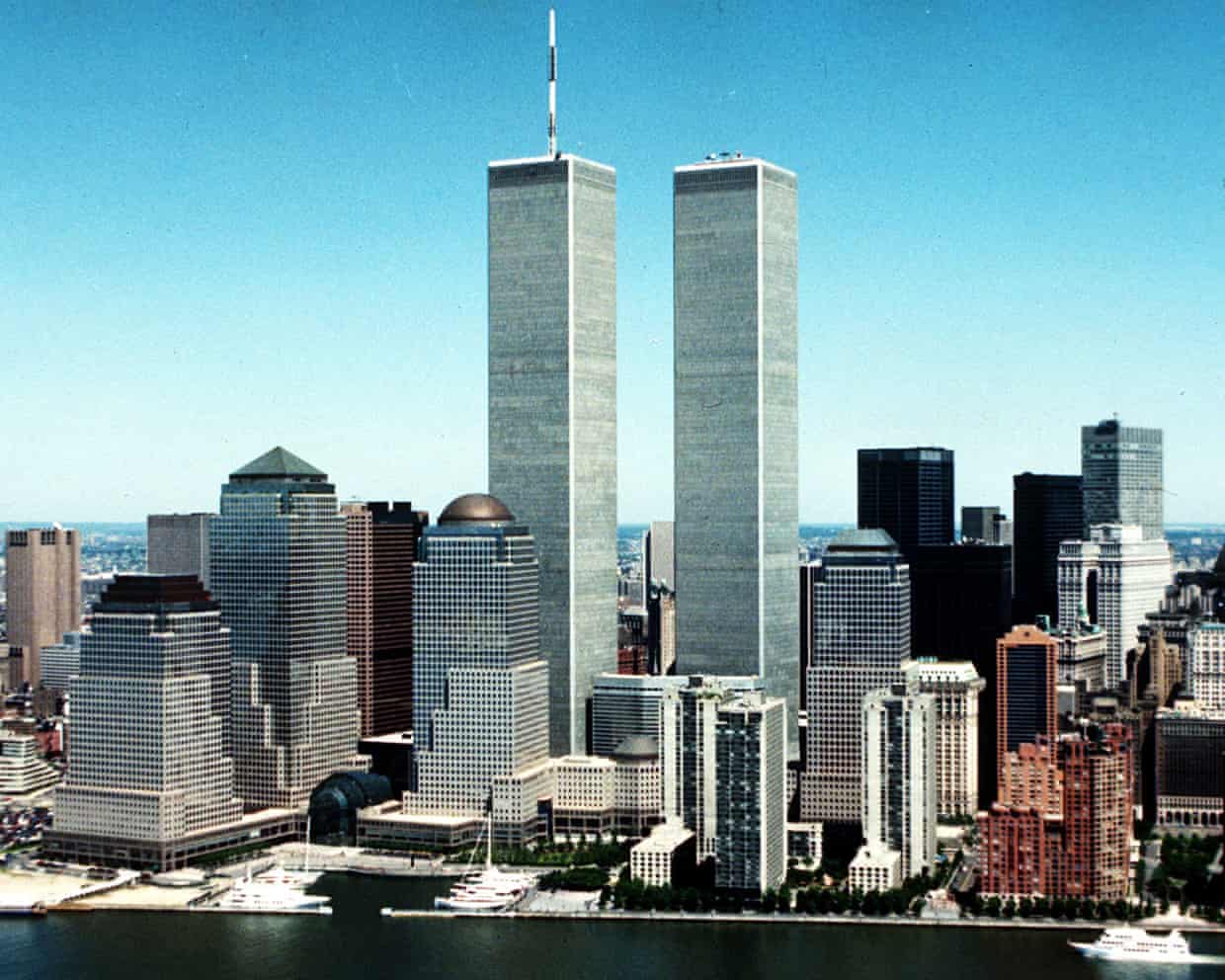
‘Looming over the city like gods’: the men who changed New York for better and worse
Entities mentioned:
- Jonathan Mahler: Curiosity, Professional pride, Legacy
- Ed Koch: Ambition, Pride, Legacy
- Rudy Giuliani: Ambition, Power, Control
- David Dinkins: Justice, Unity, Legacy
- Donald Trump: Power, Recognition, Greed
- Al Sharpton: Justice, Influence, Recognition
- Larry Kramer: Moral outrage, Justice, Determination
- Linda Fairstein: Justice, Professional pride, Revenge
Article Assessment:
Credibility Score: 75/100
Bias Rating: 45/100 (Center)
Sentiment Score: 50/100
Authoritarianism Risk: 25/100 (Generally Democratic)
Bias Analysis:
The article presents a balanced view of historical events and figures, offering both positive and negative aspects of key personalities. While it leans slightly left in its framing of social issues, it maintains a generally neutral tone in its historical analysis.
Key metric: Urban Social Cohesion
As a social scientist, I analyze that this article provides a comprehensive historical overview of New York City's political and social landscape from 1986 to 1990, drawing parallels to current issues. The narrative highlights the cyclical nature of urban challenges, particularly focusing on political power dynamics, racial tensions, and economic disparities. The author's examination of key figures like Ed Koch, Rudy Giuliani, and Donald Trump illustrates how personal ambitions and the pursuit of attention can shape a city's trajectory. The article underscores the complexities of urban governance, showing how leaders' decisions can have long-lasting impacts on social cohesion and economic development. This historical perspective offers valuable insights into the ongoing challenges of maintaining social unity and equitable progress in large, diverse urban centers.