
What questions do you have about Trump’s summit with Putin in Alaska?
Entities mentioned:
- Donald Trump: Power, Recognition, Self-preservation
- Vladimir Putin: Power, Influence, Control
- CNN: Professional pride, Curiosity, Influence
Article Assessment:
Credibility Score: 70/100
Bias Rating: 40/100 (Lean Left)
Sentiment Score: 50/100
Authoritarianism Risk: 30/100 (Generally Democratic)
Bias Analysis:
The article leans slightly left due to CNN's generally left-leaning reputation. The framing of 'questions' about the summit subtly implies scrutiny of Trump's actions, rather than neutral reporting of the event.
Key metric: International Diplomacy Effectiveness
As a social scientist, I analyze that this article impacts the US's international diplomacy effectiveness by highlighting a high-stakes meeting between the US and Russian presidents. The framing of the article as a Q&A format suggests public interest and concern about the summit's implications. The involvement of CNN, a major news network, in addressing public questions indicates the meeting's significance in shaping public opinion on US-Russia relations. The choice of Alaska as the meeting location adds a geopolitical dimension, potentially signaling Arctic interests or neutral ground diplomacy.
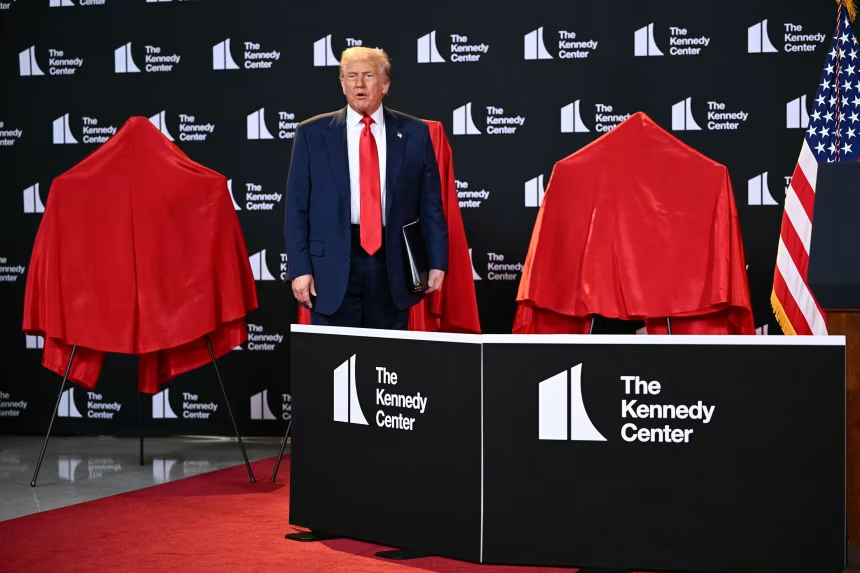
Trump announces Kennedy Center honorees as he tries to put his stamp on DC
Entities mentioned:
- Donald Trump: Power, Control, Legacy
- Kennedy Center: Professional pride, Influence, Recognition
- Republican Party: Loyalty, Power, Control
- Democratic Party: Righteousness, Moral outrage, Resistance
- Washington, DC: Self-preservation, Freedom, Unity
Article Assessment:
Credibility Score: 70/100
Bias Rating: 45/100 (Center)
Sentiment Score: 35/100
Authoritarianism Risk: 65/100 (Authoritarian Tendencies)
Bias Analysis:
The article presents a balanced view of events, including both Trump's actions and criticisms from opponents. While it leans slightly towards emphasizing concerns about Trump's interventions, it also includes his justifications and supporters' viewpoints.
Key metric: Government Control Over Cultural Institutions
As a social scientist, I analyze that this article highlights a significant shift in the relationship between the federal government and cultural institutions in Washington, DC. Trump's aggressive moves to exert control over the Kennedy Center and other DC institutions represent an unprecedented level of federal intervention in traditionally independent cultural spaces. This could have far-reaching implications for artistic freedom, cultural expression, and the separation of politics from the arts. The article suggests a potential politicization of cultural institutions, which may lead to changes in programming, funding, and leadership that align more closely with the current administration's ideology. This shift could impact the diversity of artistic voices and perspectives represented in these institutions, potentially altering the cultural landscape of the nation's capital and, by extension, the country.