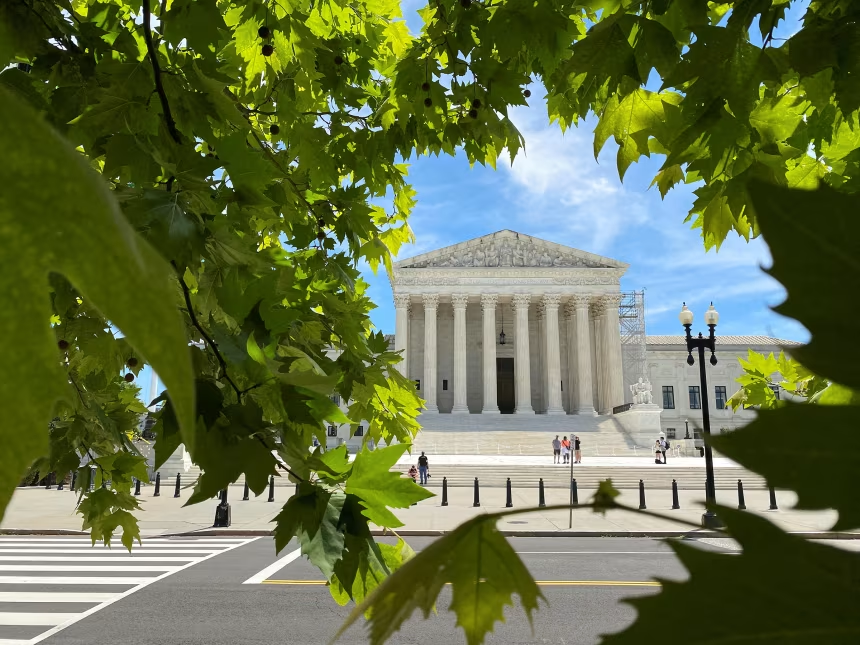
Mississippi may require age verification, parental consent for social media, Supreme Court says
Entities mentioned:
- Supreme Court: Justice, Duty, Influence
- Mississippi: Protection, Control, Moral outrage
- Social Media Companies: Self-preservation, Freedom, Influence
- Justice Brett Kavanaugh: Duty, Wariness, Professional pride
- Electronic Frontier Foundation: Freedom, Justice, Protection
- LGBTQ advocacy groups: Protection, Freedom, Justice
Article Assessment:
Credibility Score: 75/100
Bias Rating: 45/100 (Center)
Sentiment Score: 40/100
Authoritarianism Risk: 55/100 (Mixed/Neutral)
Bias Analysis:
The article presents multiple viewpoints, including those of the state, tech companies, and advocacy groups. It provides context and background, showing a relatively balanced approach to reporting the issue.
Key metric: Online Privacy and Child Safety
As a social scientist, I analyze that this case represents a significant clash between state efforts to protect minors online and concerns over First Amendment rights and internet freedom. The Supreme Court's decision to allow Mississippi to enforce its age verification law for social media platforms marks a potential shift in how online spaces are regulated, particularly concerning minors. This could have far-reaching implications for internet usage, privacy, and the autonomy of young people online. The case highlights the ongoing struggle to balance child safety with free speech and access to information, especially for vulnerable groups like LGBTQ youth. The court's decision, while temporary, may encourage other states to pursue similar legislation, potentially leading to a patchwork of regulations across the country and challenges for both users and tech companies in compliance.
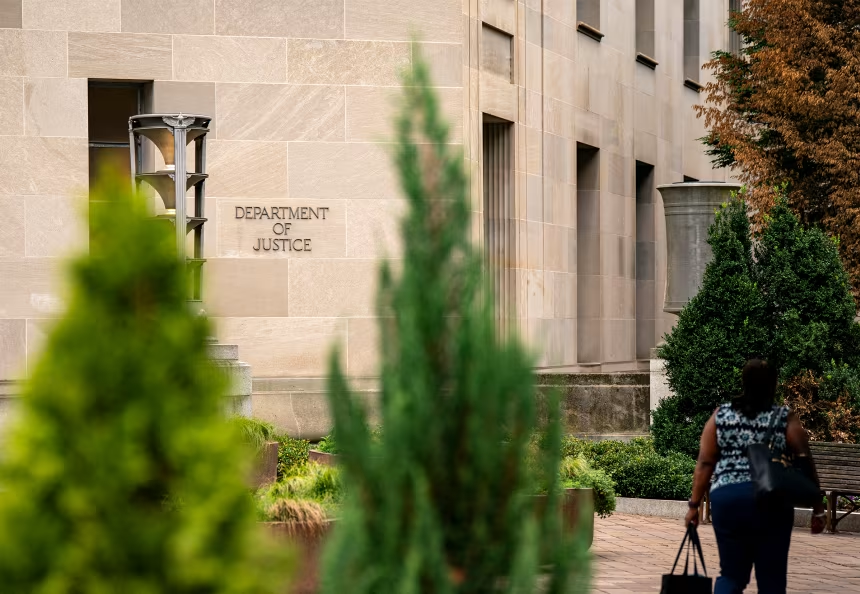
A car accident in small-town Tennessee leads to US charges against a major Mexican drug operation
Entities mentioned:
- United Cartels: Power, Control, Greed
- Jalisco New Generation Cartel: Competitive spirit, Power, Control
- Juan José Farías Álvarez (El Abuelo): Power, Control, Self-preservation
- Matthew Galeotti: Justice, Duty, Professional pride
- Eladio Mendoza: Greed, Power, Self-preservation
- US Justice Department: Justice, Security, Duty
- Trump administration: Security, Control, Legacy
- Mexican government: Cooperation, Security, Obligation
Article Assessment:
Credibility Score: 75/100
Bias Rating: 55/100 (Center)
Sentiment Score: 40/100
Authoritarianism Risk: 35/100 (Generally Democratic)
Bias Analysis:
The article presents a balanced view of the drug investigation and international cooperation. While it highlights the Trump administration's actions, it does not overly praise or criticize any political stance, maintaining a relatively neutral tone.
Key metric: Drug-related Crime Rate
As a social scientist, I analyze that this article highlights the complex international efforts to combat drug trafficking and its impact on US communities. The investigation's progression from a local car accident to international cartel indictments demonstrates the interconnectedness of global drug trade and local crime. The cooperation between US and Mexican authorities in targeting cartel leaders suggests a potential reduction in drug supply chains, which could impact the drug-related crime rate in the US. However, the adaptability of cartels and the ongoing demand for drugs may limit the long-term effectiveness of these actions. The article also underscores the violence associated with drug trafficking, both within cartels and in confrontations with law enforcement, which contributes to the overall crime rate and public safety concerns.