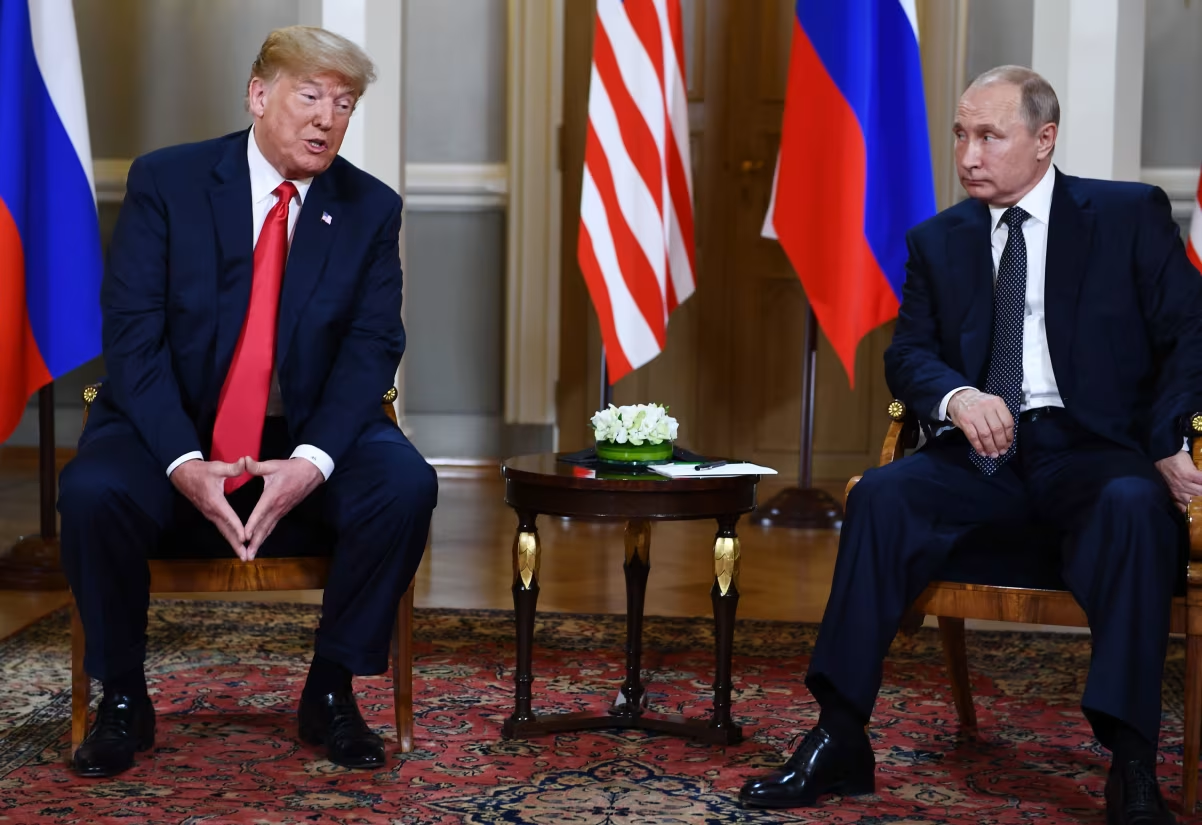
Fooled by Putin again? Trump’s rhetoric suggests he could be
Entities mentioned:
- Donald Trump: Power, Recognition, Legacy
- Vladimir Putin: Control, Power, Influence
- Karoline Leavitt: Duty, Loyalty, Professional pride
- Marco Rubio: Duty, Professional pride, Influence
- Volodymyr Zelensky: Self-preservation, Unity, Justice
- Melania Trump: Loyalty, Self-preservation, Wariness
Article Assessment:
Credibility Score: 75/100
Bias Rating: 35/100 (Lean Left)
Sentiment Score: 30/100
Authoritarianism Risk: 25/100 (Generally Democratic)
Bias Analysis:
The article leans slightly left, evidenced by its critical tone towards Trump's handling of Putin and Russia. While it presents factual information, the framing and language choices suggest a skeptical view of Trump's diplomatic abilities.
Key metric: International Relations and Diplomacy
As a social scientist, I analyze that this article highlights the complex dynamics of US-Russia relations, particularly focusing on President Trump's approach to diplomacy with Vladimir Putin. The article suggests that Trump's rhetoric and actions regarding Putin have been inconsistent and potentially naive, raising concerns about his ability to negotiate effectively. The frequent shifts in Trump's stance on Putin, from warm praise to criticism, indicate a lack of a coherent strategy in dealing with Russia. This inconsistency could potentially weaken the US position in international diplomacy and affect its relationships with allies. The article also points to a disconnect between Trump's public statements and the realities of the situation in Ukraine, which could undermine US credibility on the global stage. The low public confidence in Trump's ability to make wise decisions about the Ukraine war further compounds these concerns, potentially affecting the US's soft power and diplomatic influence.
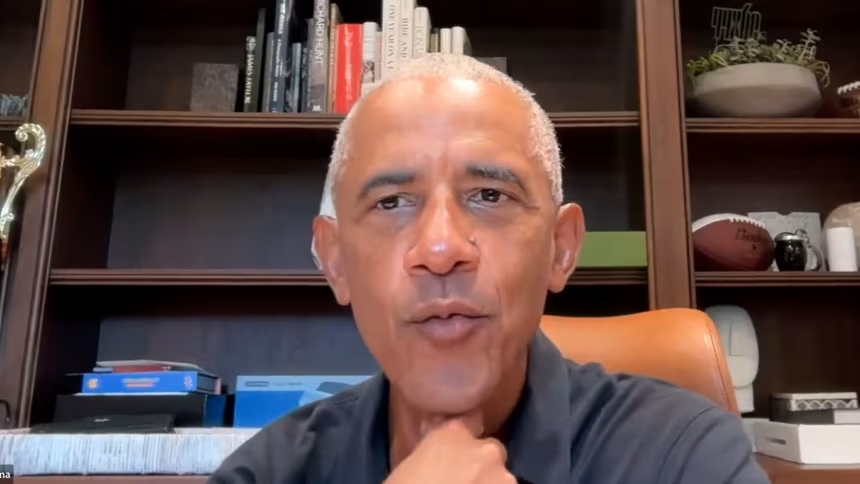
Obama praises Texas Democrats and calls state redistricting effort ‘a systematic assault on democracy’
Entities mentioned:
- Barack Obama: Justice, Democracy, Influence
- Texas House Democrats: Righteousness, Justice, Determination
- Republican Party: Power, Control, Self-preservation
- California: Justice, Competitive spirit, Influence
- Gavin Newsom: Justice, Competitive spirit, Influence
- Eric Holder: Justice, Democracy, Influence
- Donald Trump: Power, Control, Self-preservation
Article Assessment:
Credibility Score: 75/100
Bias Rating: 35/100 (Lean Left)
Sentiment Score: 35/100
Authoritarianism Risk: 25/100 (Generally Democratic)
Bias Analysis:
The article leans left in its framing, giving more voice and positive portrayal to Democratic figures and their motivations. While it includes some Republican perspective, it predominantly presents the Democratic view of the redistricting issue.
Key metric: Electoral Integrity
As a social scientist, I analyze that this article highlights a significant debate over redistricting efforts in Texas, with implications for broader democratic processes in the United States. The involvement of former President Obama lends weight to the Democrats' stance against what they perceive as unfair gerrymandering by Republicans. The article frames the issue as a struggle for democratic integrity, with Republicans portrayed as attempting to manipulate the system for political gain. This conflict reflects deeper tensions in American politics regarding representation, electoral fairness, and the balance of power between parties. The mention of other states like California responding to these actions suggests a potential escalation of partisan map-drawing across the country, which could have long-term effects on electoral outcomes and political polarization. The article also touches on broader concerns about democratic erosion, linking redistricting to other issues such as voter suppression and executive overreach, indicating a complex interplay of factors affecting the key metric of Electoral Integrity.