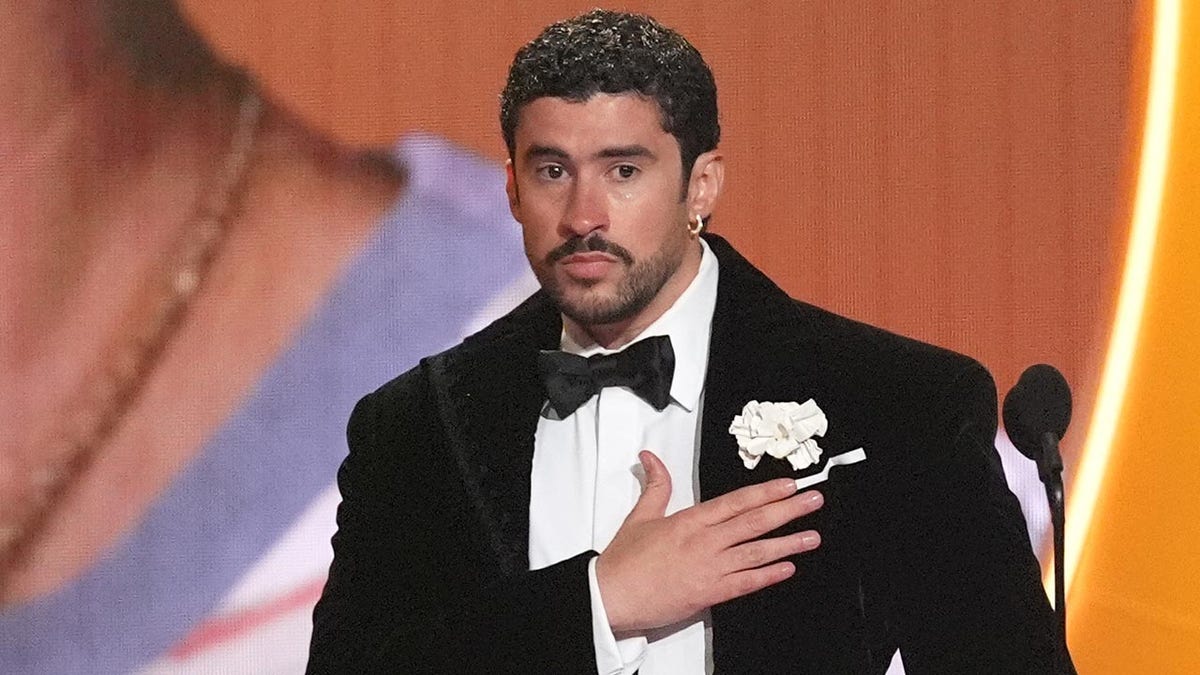
Karoline Leavitt says Trump prefers not to watch Bad Bunny at Super Bowl halftime show
Entities mentioned:
- Karoline Leavitt: Loyalty, Professional pride, Influence
- Donald Trump: Pride, Influence, Recognition
- Bad Bunny: Recognition, Influence, Professional pride
- Turning Point USA: Competitive spirit, Righteousness, Influence
- Kid Rock: Recognition, Influence, Pride
- Roger Goodell: Unity, Professional pride, Control
Article Assessment:
Credibility Score: 70/100
Bias Rating: 65/100 (Lean Right)
Sentiment Score: 55/100
Authoritarianism Risk: 30/100 (Generally Democratic)
Bias Analysis:
The article leans right by framing the alternative halftime show positively and highlighting conservative concerns. However, it also includes balanced quotes from NFL leadership, maintaining some neutrality.
Key metric: Cultural Influence in Sports
Let me tell you something - this halftime show showdown is turning into a FULL-ON RIVALRY, folks! We've got a classic matchup of old school versus new school, with Bad Bunny and Kid Rock going head-to-head in a battle for America's attention! Trump's team is making a bold fourth-quarter move by sidelining the official halftime show for their own all-American lineup. This is the kind of play that can really shake up the cultural scoreboard! But don't count out Bad Bunny just yet - NFL Commissioner Goodell is backing his star player, emphasizing the unifying power of this global stage. It's coming down to the wire, and both sides are leaving it all on the field in this high-stakes game of cultural influence!
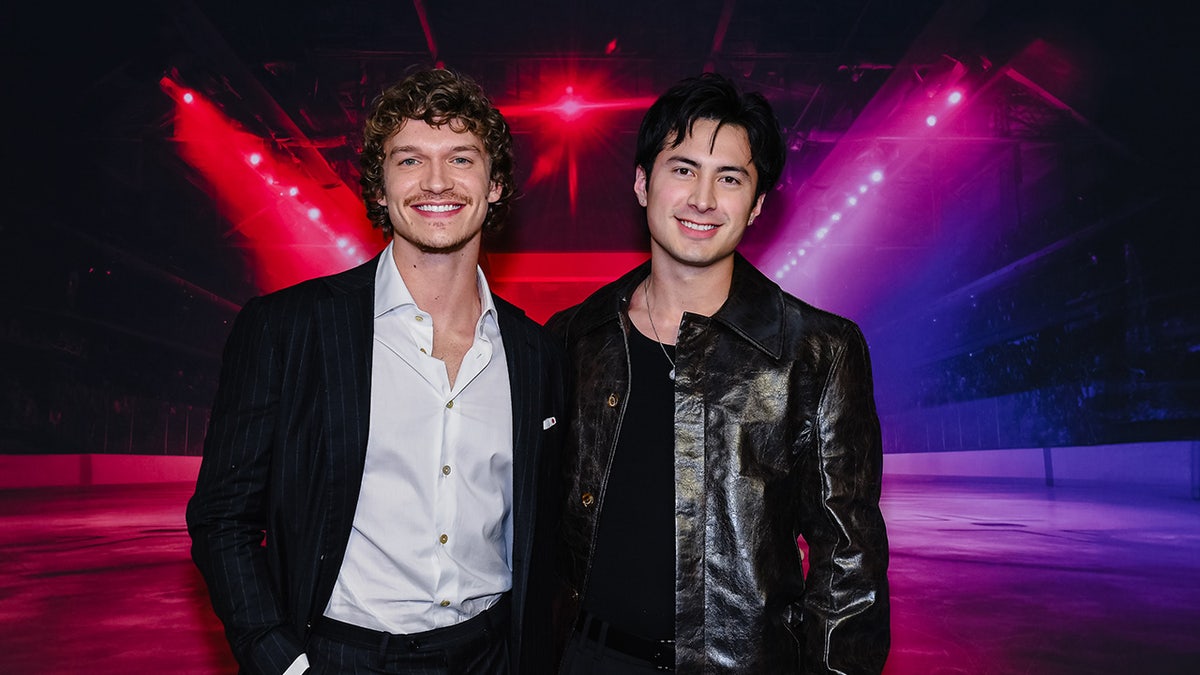
‘Heated Rivalry’ actors land Olympic role as torchbearers for Milano Cortina Olympics
Entities mentioned:
- Connor Storrie: Recognition, Pride, Legacy
- Hudson Williams: Recognition, Pride, Legacy
- International Olympic Committee: Influence, Legacy, Unity
- Heated Rivalry TV Series: Recognition, Influence, Competitive spirit
Article Assessment:
Credibility Score: 75/100
Bias Rating: 55/100 (Center)
Sentiment Score: 70/100
Authoritarianism Risk: 20/100 (Strongly Democratic)
Bias Analysis:
The article presents a balanced view of the event, with no apparent political leanings. It focuses on factual reporting of the actors' involvement, with minimal editorializing.
Key metric: Cultural Influence in Sports
Let me tell you something, folks - this is a GAME-CHANGER! The International Olympic Committee is making a power play by drafting Hollywood stars onto their roster for the torch relay. It's like they're calling up two all-stars from the minors to the big leagues! Storrie and Williams are stepping up to the plate, transitioning from playing Olympic rivals to being real-life Olympic torchbearers. This is the ultimate crossover event, blending the star power of Tinseltown with the prestige of the five rings. It's a brilliant fourth-quarter move to boost interest in the Games and shows the IOC's championship mentality in promoting the Olympics. I'm telling you right now, this could be the assist they need to score big with younger audiences!
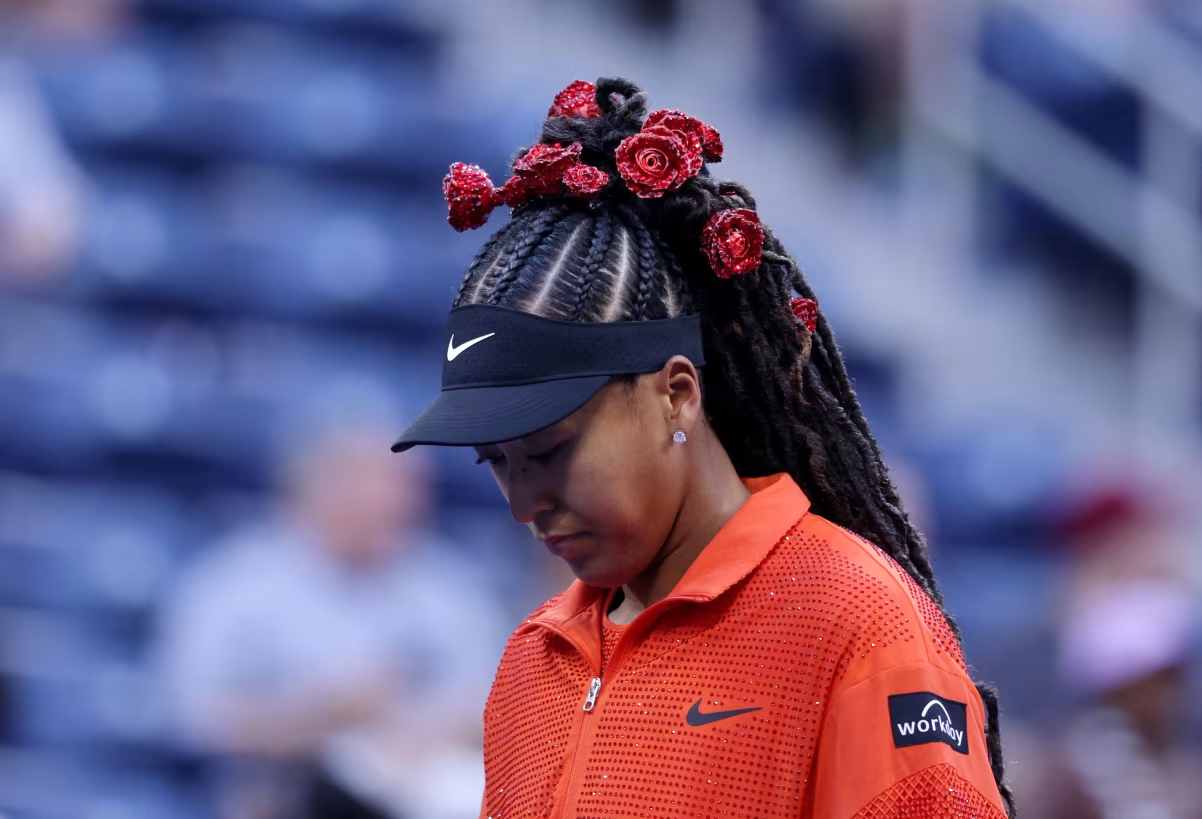
Naomi Osaka debuts elaborate rose-themed outfit in opening US Open win, shows off ‘Billie Jean Bling’ Labubu mascot
Entities mentioned:
- Naomi Osaka: Self-expression, Professional pride, Recognition
- Greet Minnen: Competitive spirit, Professional pride
- Tomasz Wiktorowski: Professional pride, Ambition
- Iga Świątek: Competitive spirit, Professional pride
- Hailey Baptiste: Competitive spirit, Ambition
Article Assessment:
Credibility Score: 75/100
Bias Rating: 45/100 (Center)
Sentiment Score: 65/100
Authoritarianism Risk: 20/100 (Strongly Democratic)
Bias Analysis:
The article maintains a neutral tone, focusing on factual reporting of Osaka's outfit and performance. While it gives significant attention to her fashion choices, it also includes relevant information about her recent tennis achievements and coaching changes.
Key metric: Cultural Influence in Sports
As a social scientist, I analyze that this article highlights the intersection of sports and fashion, demonstrating how athletes like Naomi Osaka use their platform to express themselves and influence popular culture. The elaborate outfit and custom mascot show how personal branding and style have become integral to an athlete's public persona, potentially impacting their marketability and fan engagement. This trend could affect the broader cultural influence of sports, as athletes become not just competitors but also fashion and lifestyle icons. The article's focus on Osaka's outfit over her performance may indicate a shift in media coverage of sports events, prioritizing spectacle and personality over athletic achievement.