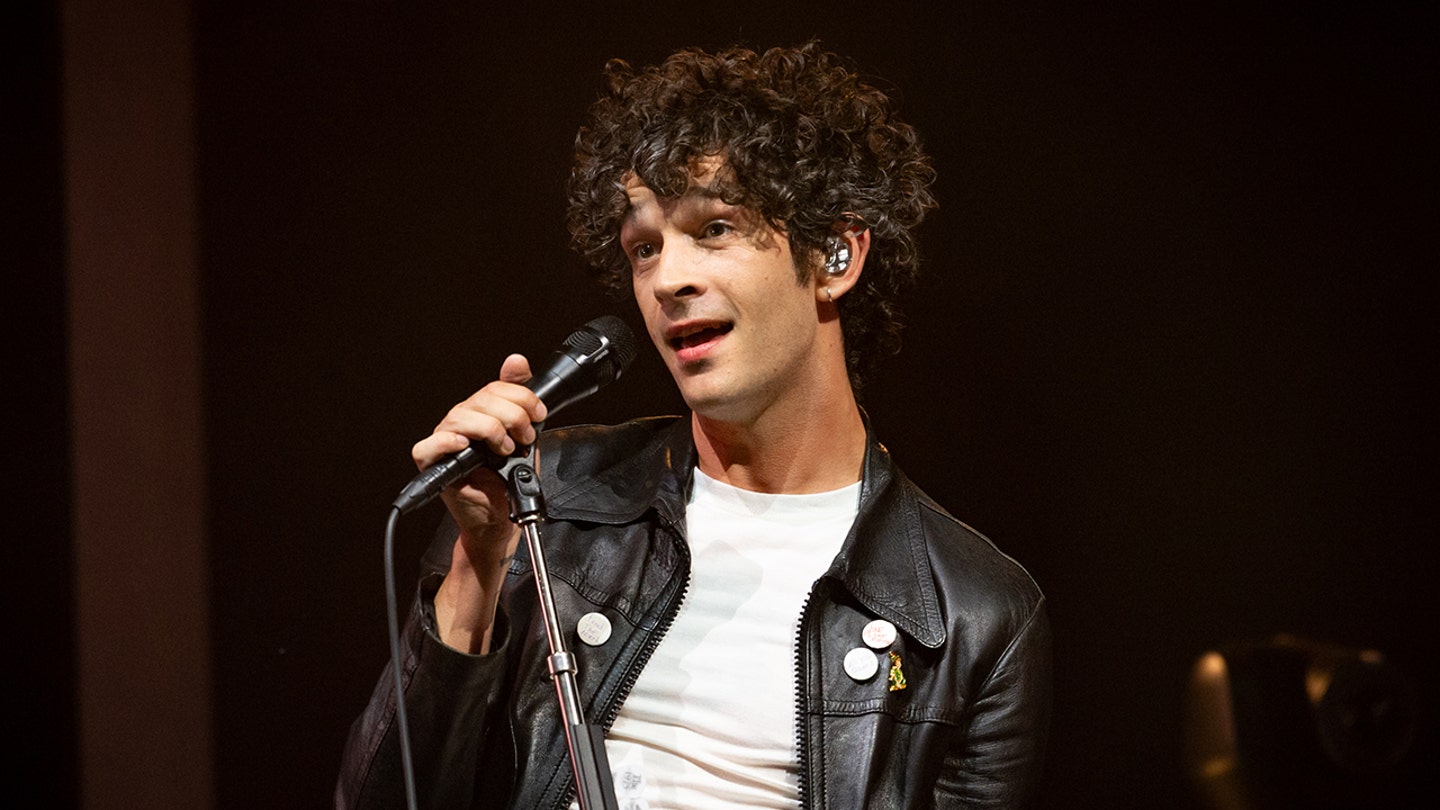
Singer rips 'very privileged' Matty Healy for wanting to stay away from politics as he is 'White and straight'
Entities mentioned:
- Jade Thirlwall: Moral outrage, Righteousness, Influence
- Matty Healy: Self-preservation, Influence, Legacy
- The 1975: Legacy, Influence, Professional pride
Article Assessment:
Credibility Score: 70/100
Bias Rating: 55/100 (Center)
Sentiment Score: 40/100
Authoritarianism Risk: 25/100 (Generally Democratic)
Bias Analysis:
The article presents both perspectives fairly, quoting both artists directly. However, the inclusion of Healy's past political actions slightly undermines his current stance, suggesting a subtle lean towards Thirlwall's position.
Key metric: Social Cohesion
As a social scientist, I analyze that this article highlights a growing tension between artists who view political engagement as a responsibility and those who prefer to focus on entertainment. Thirlwall's criticism of Healy reflects a broader societal expectation for public figures to use their platforms for social commentary. Healy's stance, emphasizing love and friendship over politics, may be seen as an attempt to maintain broader appeal but also risks being perceived as privileged indifference. This disagreement among artists could impact social cohesion by influencing public discourse on the role of entertainers in political and social issues.

Trump claims 'we're against crime. Democrats like crime'
Entities mentioned:
- Donald Trump: Power, Control, Influence
- Republicans: Righteousness, Security, Control
- Democrats: Wariness, Self-preservation, Justice
- D.C. National Guard: Duty, Security, Control
Article Assessment:
Credibility Score: 65/100
Bias Rating: 55/100 (Center)
Sentiment Score: 35/100
Authoritarianism Risk: 75/100 (Authoritarian Tendencies)
Bias Analysis:
The article presents Trump's statements with some context and counterpoints, suggesting a relatively balanced approach. However, it doesn't deeply challenge Trump's claims or provide extensive opposing viewpoints, leaning slightly towards a center-right perspective.
Key metric: Public Safety and Crime Rate
As a social scientist, I analyze that this article highlights President Trump's attempt to frame the 2026 midterm elections around the issue of crime, positioning Republicans as tough on crime and Democrats as permissive. Trump's push to 'federalize' Washington D.C. and his suggestion to extend this approach to other Democrat-led cities represents a significant shift in federal-local power dynamics. This framing and policy approach could have substantial impacts on public perception of crime, actual crime rates, and the balance of power between federal and local governments. The lack of specificity in Trump's claims and the potential legal challenges to his proposed actions suggest this is more of a political strategy than a well-developed policy initiative. The article also touches on other wedge issues such as border security and transgender rights, indicating an attempt to consolidate a base of support through multiple controversial topics.

SkyWater pitches itself as all-American firm as Trump mulls more equity deals following Intel deal
Entities mentioned:
- Donald Trump: Power, Control, Influence
- Intel: Self-preservation, Competitive spirit, Security
- SkyWater Technology: Competitive spirit, Patriotism, Security
- Ross Miller: Professional pride, Influence, Patriotism
- GlobalFoundries: Self-preservation, Competitive spirit, Security
- Micron Technology: Competitive spirit, Security, Influence
- Jai Kedia: Professional pride, Wariness, Justice
Article Assessment:
Credibility Score: 70/100
Bias Rating: 65/100 (Lean Right)
Sentiment Score: 55/100
Authoritarianism Risk: 60/100 (Mixed/Neutral)
Bias Analysis:
The article leans slightly right, focusing on Trump's policy and giving more space to supportive voices. While it includes criticism, the overall framing appears to favor the administration's approach.
Key metric: U.S. Domestic Semiconductor Production Capacity
As a social scientist, I analyze that this article highlights a significant shift in U.S. economic policy towards government ownership in private companies, particularly in the semiconductor industry. This approach, spearheaded by President Trump, aims to strengthen domestic production and national security. The government's equity stake in Intel sets a precedent that could extend to other semiconductor companies. This policy change could potentially increase U.S. semiconductor production capacity by incentivizing domestic investment and ensuring accountability for federal funds. However, it also raises concerns about market distortion, favoritism, and a move towards more government intervention in the economy. The long-term impact on the industry's competitiveness and innovation remains uncertain, as does the potential for international repercussions in trade and diplomacy.
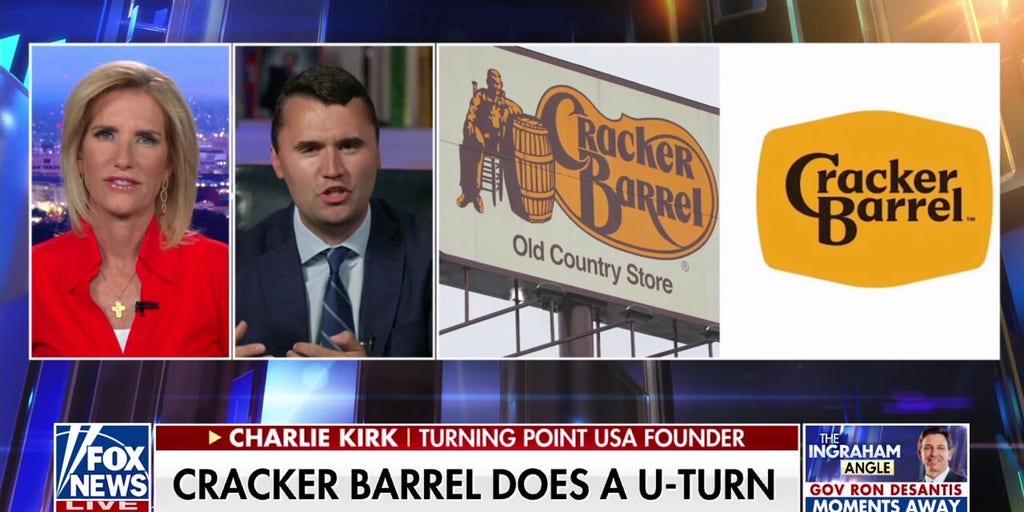
'HOT AS A PISTOL': Charlie Kirk touts state of GOP after Cracker Barrel 'cracks'
Entities mentioned:
- Charlie Kirk: Influence, Recognition, Competitive spirit
- Turning Point USA: Influence, Righteousness, Unity
- Cracker Barrel: Self-preservation, Recognition, Anxiety
- Democrats: Power, Control, Unity
- Republican Party (GOP): Power, Competitive spirit, Unity
Article Assessment:
Credibility Score: 45/100
Bias Rating: 75/100 (Lean Right)
Sentiment Score: 70/100
Authoritarianism Risk: 55/100 (Mixed/Neutral)
Bias Analysis:
The article leans right due to its framing of a corporate decision as a political victory for conservatives. The use of provocative language ('HOT AS A PISTOL') and the platform given to a known conservative figure without balancing perspectives indicate a right-leaning bias.
Key metric: Political Polarization Index
As a social scientist, I analyze that this article potentially impacts the Political Polarization Index by framing a business decision (Cracker Barrel's logo change) as a political issue. By drawing parallels between a restaurant chain and a political party, the commentary may contribute to increased polarization by encouraging viewers to see everyday corporate decisions through a partisan lens. This approach could further entrench political identities into consumer behaviors, potentially widening the divide between different political groups in various aspects of daily life.
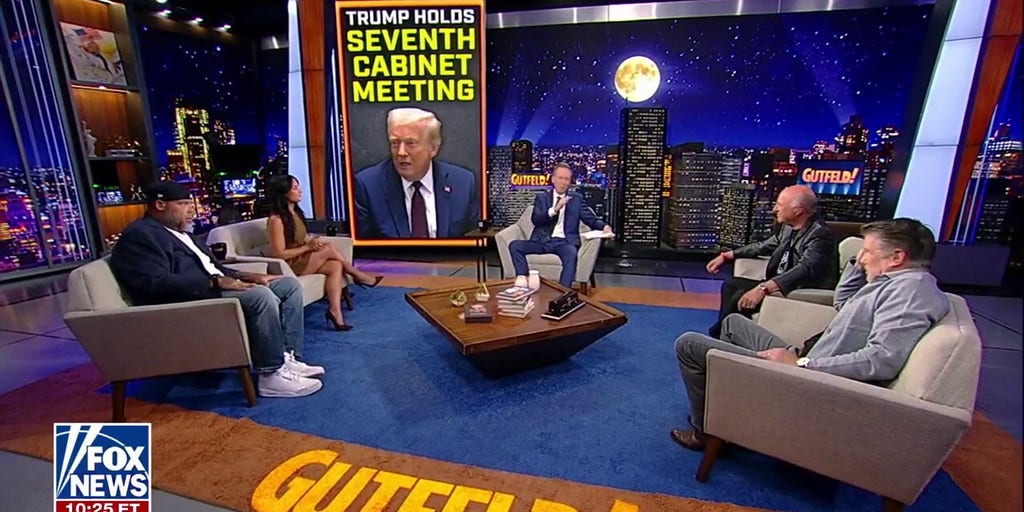
Tyrus: Trump is running the country his way
Entities mentioned:
- Donald Trump: Power, Control, Legacy
- Tom Shillue: Professional pride, Influence
- Fox News: Influence, Recognition
- Intel: Competitive spirit, Ambition
Article Assessment:
Credibility Score: 55/100
Bias Rating: 75/100 (Lean Right)
Sentiment Score: 65/100
Authoritarianism Risk: 55/100 (Mixed/Neutral)
Bias Analysis:
The article leans right due to its positive framing of Trump's actions and its sourcing from Fox News, a known conservative outlet. The language used, such as 'running the country his way,' implies approval of Trump's leadership style without presenting alternative viewpoints.
Key metric: Presidential Approval Rating
As a social scientist, I analyze that this article likely impacts the Presidential Approval Rating by presenting Trump's leadership style and decision-making process in a positive light. The framing of Trump 'running the country his way' and making deals with major corporations like Intel suggests a strong, decisive leadership image. This portrayal, especially when discussed on a popular conservative news outlet like Fox News, has the potential to reinforce support among Trump's base and possibly sway undecided voters, thereby potentially affecting his approval ratings.
- Read more about Tyrus: Trump is running the country his way
- Log in to post comments
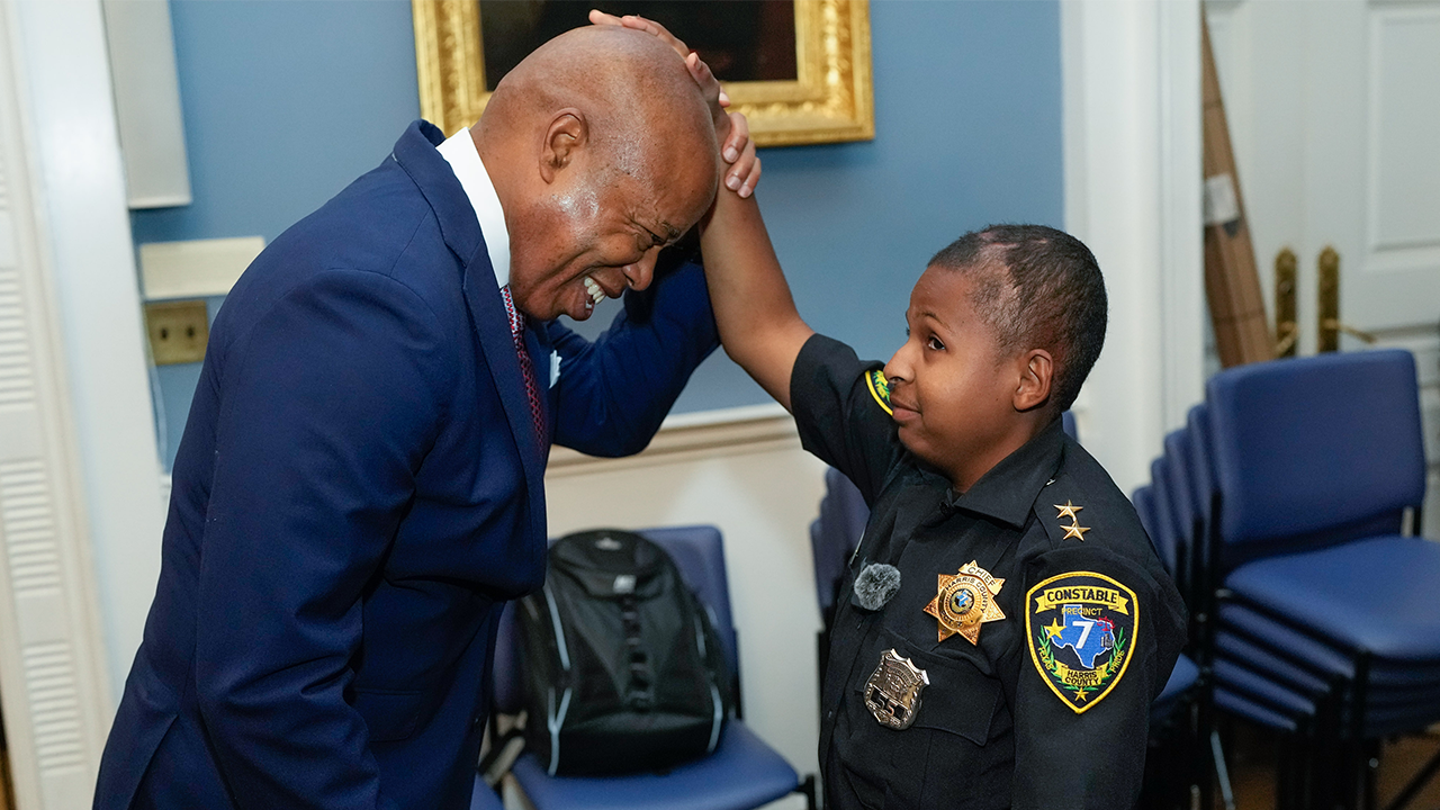
Child cancer survivor hailed by Trump sworn in as NYC honorary deputy mayor
Entities mentioned:
- Devarjaye 'DJ' Daniel: Determination, Recognition, Enthusiasm
- Eric Adams: Professional pride, Duty, Recognition
- Kaz Daughtry: Duty, Professional pride
- Theodis Daniel: Loyalty, Ambition, Pride
- Donald Trump: Recognition, Influence, Legacy
Article Assessment:
Credibility Score: 75/100
Bias Rating: 55/100 (Center)
Sentiment Score: 70/100
Authoritarianism Risk: 30/100 (Generally Democratic)
Bias Analysis:
The article presents a mostly balanced view, focusing on the positive story while briefly mentioning potential controversies. It leans slightly right by highlighting Trump's involvement, but overall maintains a centrist approach.
Key metric: Public Trust in Government Institutions
As a social scientist, I analyze that this article positively impacts public trust in government institutions by showcasing a heartwarming story of a young cancer survivor being honored with ceremonial positions in law enforcement. The recognition of DJ Daniel by various levels of government, from local to federal, demonstrates a human side to bureaucracy and may increase public goodwill towards these institutions. However, the brief mention of indictments against Mayor Adams' associates suggests ongoing challenges in maintaining public trust, which could partially offset the positive impact of Daniel's story.
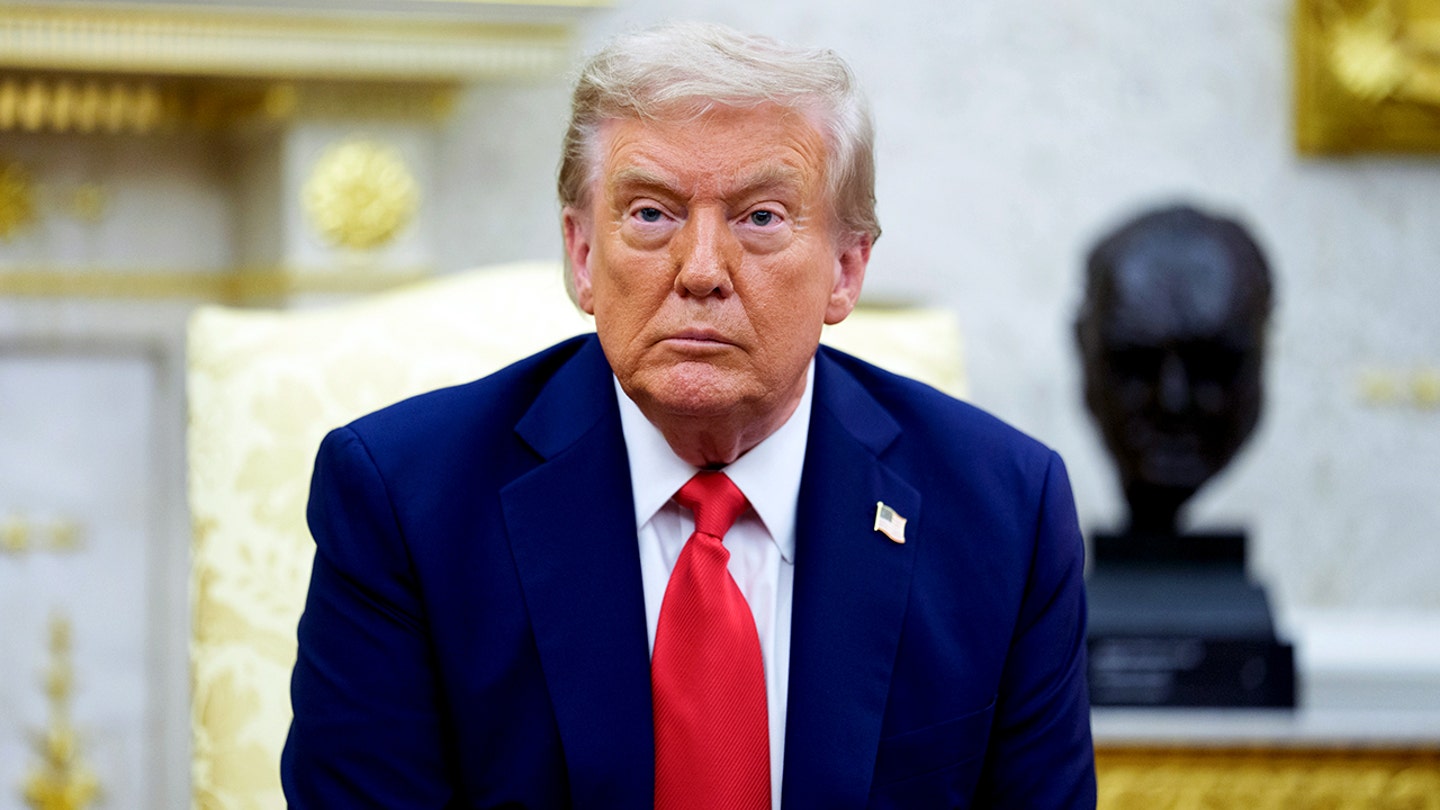
Fight over policing DC moves to Congress as parties split on control
Entities mentioned:
- U.S. Congress: Power, Control, Influence
- Washington D.C.: Self-preservation, Freedom, Security
- President Trump: Power, Control, Influence
- Republican Party: Control, Power, Righteousness
- Democratic Party: Justice, Freedom, Unity
- Rep. Andy Biggs: Control, Righteousness, Ambition
- Rep. Anna Paulina Luna: Control, Power, Loyalty
- Rep. Andy Ogles: Control, Power, Loyalty
- Sen. Mike Lee: Control, Power, Righteousness
- Rep. James Comer: Control, Righteousness, Professional pride
Article Assessment:
Credibility Score: 75/100
Bias Rating: 55/100 (Center)
Sentiment Score: 40/100
Authoritarianism Risk: 65/100 (Authoritarian Tendencies)
Bias Analysis:
The article presents multiple viewpoints and provides context for both Republican and Democratic positions. While it leans slightly towards emphasizing Republican actions, it also acknowledges potential drawbacks and Democratic counter-arguments.
Key metric: Federal-Local Government Relations
As a social scientist, I analyze that this article highlights a significant power struggle between federal and local government, specifically focusing on Washington D.C.'s home rule. The debate over policing in D.C. serves as a microcosm for broader issues of federalism and local autonomy in the United States. The Republican efforts to increase federal control over D.C. reflect a trend towards centralization of power, while Democratic resistance aims to maintain local governance. This conflict has implications for the balance of power between federal and local authorities, potentially setting precedents that could affect other cities. The article also underscores the political nature of crime and policing issues, with both parties attempting to leverage these topics for electoral advantage. The complexity of D.C.'s unique status as a federal district further complicates the issue, highlighting the ongoing challenges in American federalism.
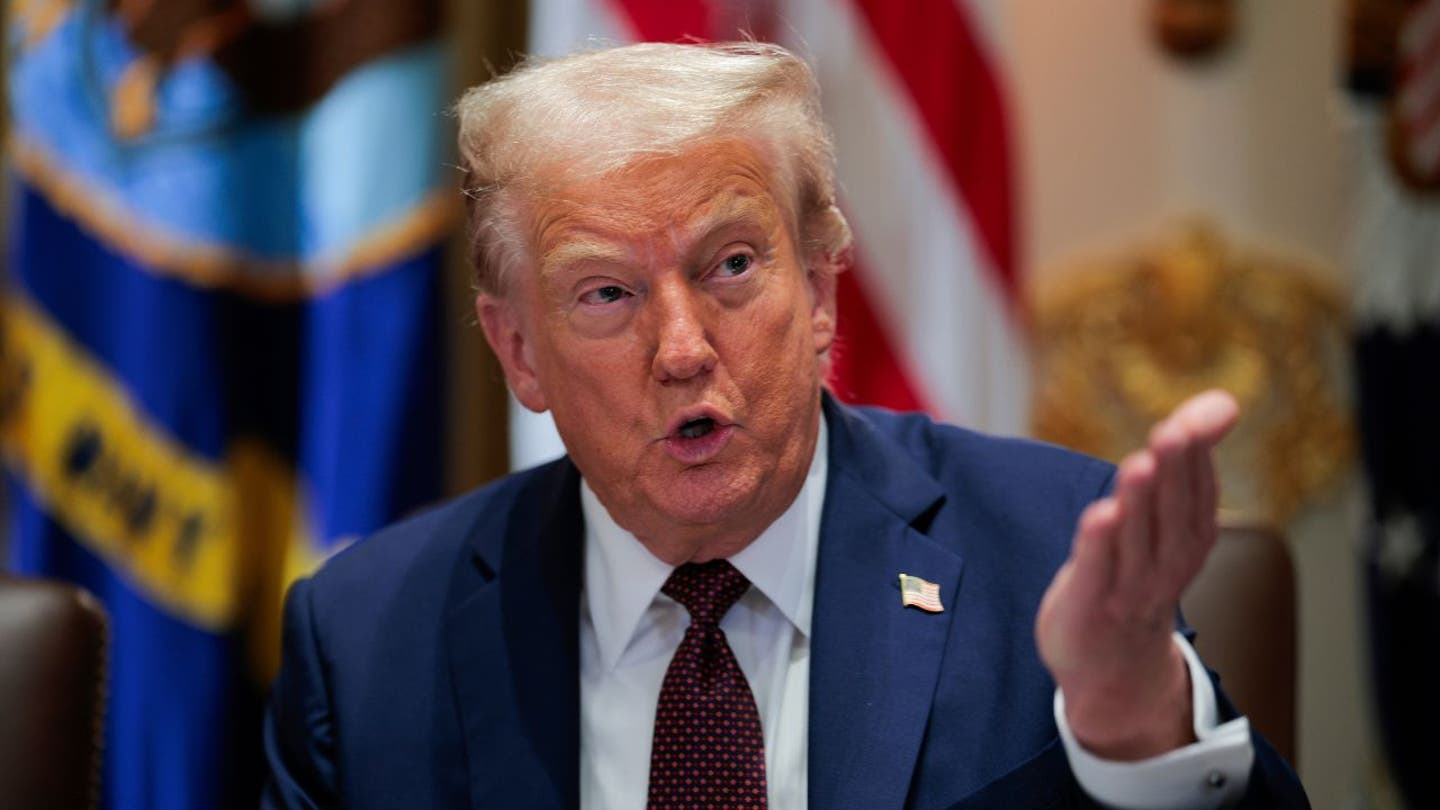
Death penalty could return in nation's capital under Trump’s DC crime crackdown
Entities mentioned:
- Donald Trump: Control, Power, Righteousness
- U.S. Supreme Court: Justice, Duty, Influence
- D.C. Council: Justice, Duty, Unity
- Death Penalty Information Center: Justice, Duty, Curiosity
- U.S. Attorney Jeanine Pirro: Justice, Duty, Professional pride
- Metropolitan Police Department: Duty, Security, Professional pride
- D.C. National Guard: Duty, Security, Loyalty
Article Assessment:
Credibility Score: 70/100
Bias Rating: 65/100 (Lean Right)
Sentiment Score: 35/100
Authoritarianism Risk: 75/100 (Authoritarian Tendencies)
Bias Analysis:
The article leans right, primarily due to its focus on Trump's perspective and actions without significant counterbalancing viewpoints. It presents the administration's claims about crime reduction uncritically, without exploring alternative explanations or critiques.
Key metric: Crime Rate in Washington D.C.
As a social scientist, I analyze that this article presents a significant shift in criminal justice policy for Washington D.C., with potential far-reaching implications. The proposed reintroduction of the death penalty, coupled with increased military and federal law enforcement presence, represents a dramatic escalation in the approach to crime prevention and punishment. This policy shift could potentially impact the crime rate in several ways: it may serve as a deterrent for serious crimes, but it could also escalate tensions between law enforcement and communities, potentially leading to increased unrest. The use of military forces for domestic law enforcement raises questions about the balance between security and civil liberties. The effectiveness of such measures on long-term crime reduction is debatable, as research on the deterrent effect of the death penalty is inconclusive. This approach also diverges from recent trends in criminal justice reform focusing on rehabilitation and addressing root causes of crime.

Trump Negotiates With Zelensky Exclusively Through Pointing
Entities mentioned:
- Donald Trump: Power, Control, Influence
- Volodymyr Zelensky: Duty, Self-preservation, Unity
Article Assessment:
Credibility Score: 30/100
Bias Rating: 35/100 (Lean Left)
Sentiment Score: 45/100
Authoritarianism Risk: 40/100 (Generally Democratic)
Bias Analysis:
The article leans left, mocking Trump's communication skills and implying an unbalanced power dynamic. The satirical nature and focus on Trump's perceived shortcomings suggest a left-leaning bias in the portrayal of political figures.
Key metric: International Relations
As a social scientist, I analyze that this satirical article portrays a fictional negotiation scenario between former U.S. President Donald Trump and Ukrainian President Volodymyr Zelensky. The absurd notion of communicating solely through pointing highlights potential communication barriers and power dynamics in international diplomacy. While humorous, it subtly critiques Trump's negotiation style and the complex relationship between the U.S. and Ukraine. This could impact perceptions of U.S. diplomatic capabilities and international standing.
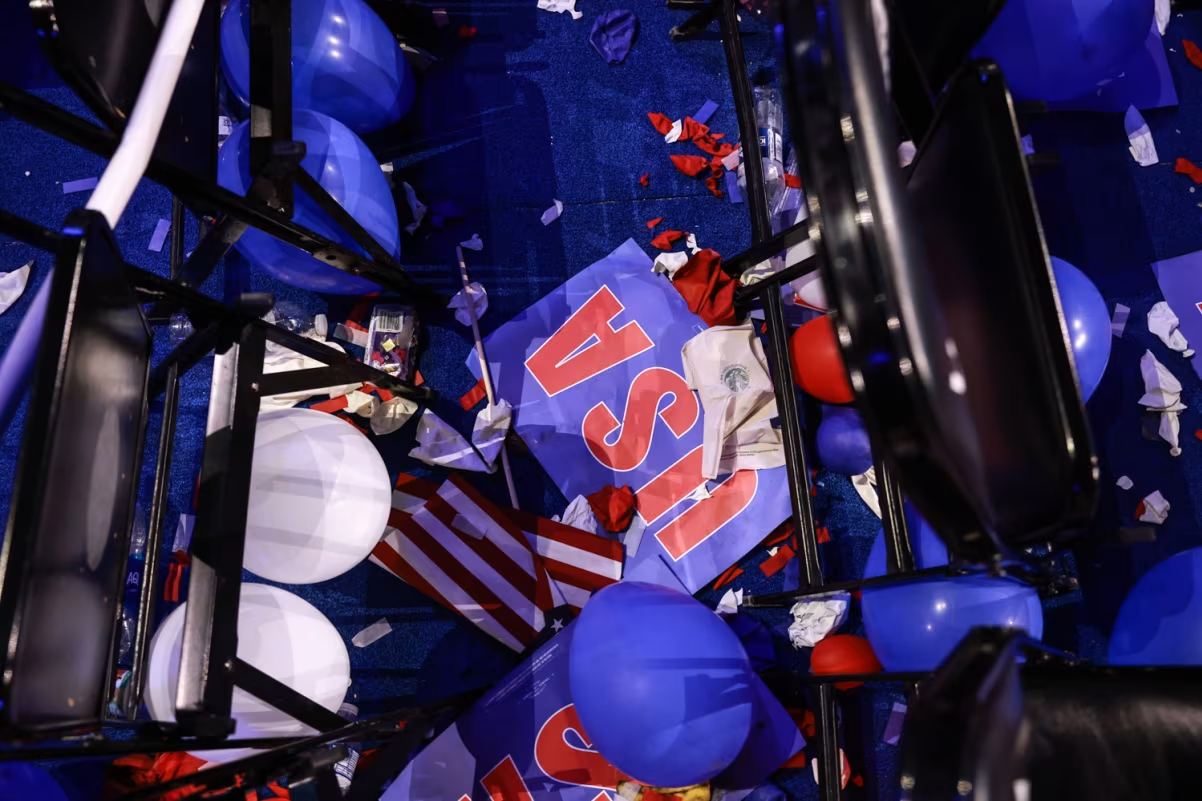
The DNC’s chair inherited a crisis. His critics say he’s part of it
Entities mentioned:
- Ken Martin: Ambition, Determination, Professional pride
- Democratic National Committee (DNC): Unity, Influence, Control
- Joe Biden: Legacy, Self-preservation, Duty
- Kamala Harris: Ambition, Power, Self-preservation
- Republican National Committee (RNC): Competitive spirit, Power, Control
- Donald Trump: Power, Influence, Revenge
Article Assessment:
Credibility Score: 75/100
Bias Rating: 45/100 (Center)
Sentiment Score: 35/100
Authoritarianism Risk: 25/100 (Generally Democratic)
Bias Analysis:
The article presents a balanced view, including perspectives from both Martin's supporters and critics. It relies on multiple sources and provides context for the DNC's challenges, indicating a relatively neutral stance.
Key metric: Democratic Party Fundraising and Unity
As a social scientist, I analyze that this article highlights significant challenges facing the Democratic National Committee (DNC) under the leadership of Ken Martin. The DNC is struggling with financial issues, internal conflicts, and a perceived lack of relevance in the broader political landscape. Martin's ambitious promises to state parties and his management style have created tension within the organization. The article suggests that the DNC's financial struggles, coupled with the Republican National Committee's superior fundraising, could impact the Democratic Party's ability to compete effectively in upcoming elections. The internal discord and lack of coordination with key party leaders indicate a fragmented party structure, which could hinder unified messaging and strategy. This situation may have long-term implications for the Democratic Party's ability to mobilize voters and win elections at various levels of government.