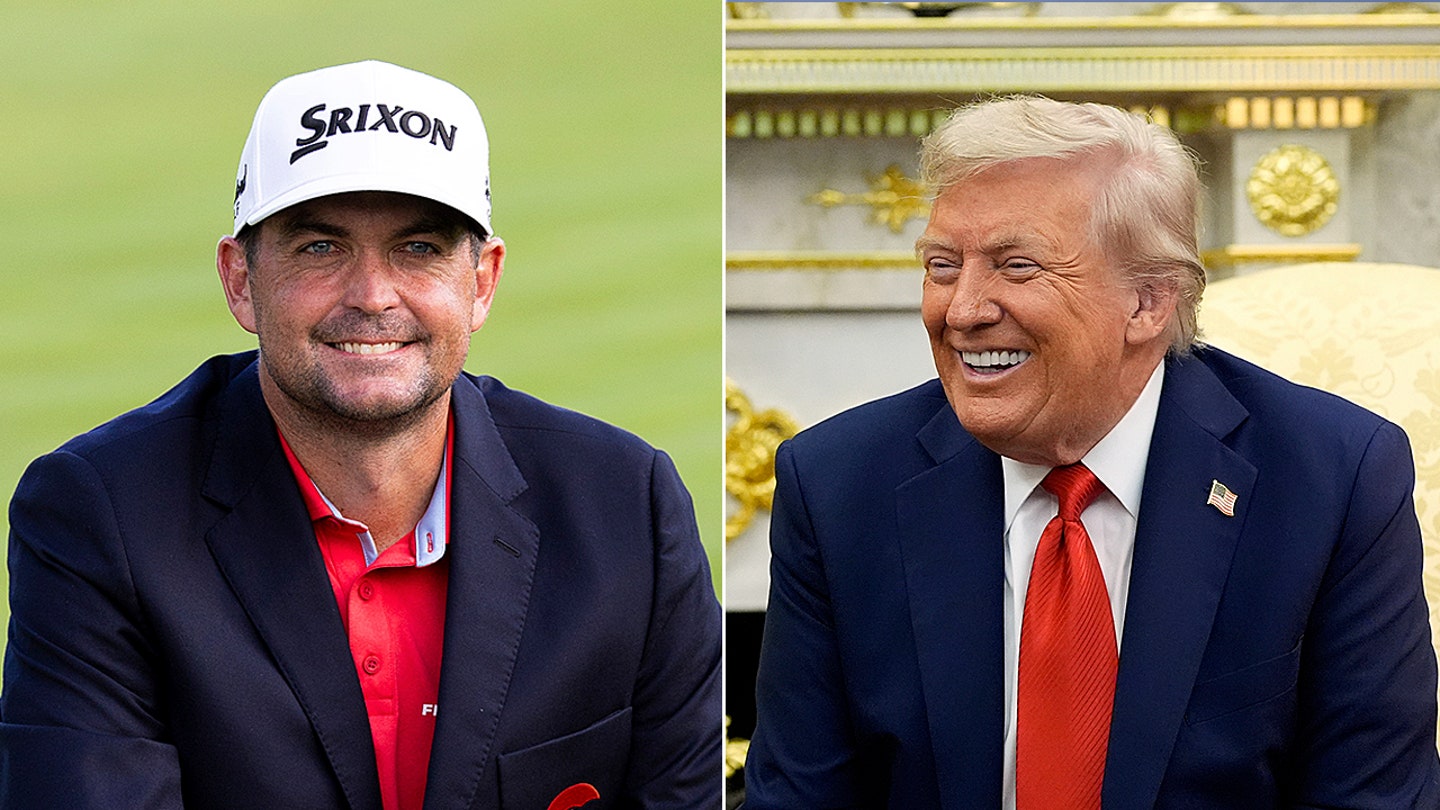
Keegan Bradley 'deeply honored' Trump wanted him to play in Ryder Cup; hits back at Rory McIlroy's comments
Entities mentioned:
- Keegan Bradley: Professional pride, Duty, Loyalty
- Donald Trump: Influence, Recognition, Power
- Rory McIlroy: Competitive spirit, Professional pride, Skepticism
- Team USA: Competitive spirit, Pride, Unity
Article Assessment:
Credibility Score: 75/100
Bias Rating: 55/100 (Center)
Sentiment Score: 60/100
Authoritarianism Risk: 30/100 (Generally Democratic)
Bias Analysis:
The article presents multiple viewpoints and quotes directly from the involved parties, maintaining a relatively balanced approach. However, the inclusion of Trump's involvement and the focus on U.S. perspectives slightly tilts the narrative, though not significantly enough to be considered partisan.
Key metric: International Sports Diplomacy
As a social scientist, I analyze that this article highlights the intersection of sports and politics, particularly in the context of international competition. The involvement of a former U.S. President in team selection discussions for the Ryder Cup demonstrates the high-profile nature of this event and its potential impact on national pride and international relations. Bradley's decision to prioritize team performance over personal ambition, despite high-level encouragement, reflects a commitment to professional integrity and team dynamics. The disagreement between Bradley and McIlroy on the feasibility of a playing captain role underscores the evolving nature of sports leadership and the tensions that can arise in international competitions. This situation may influence perceptions of U.S. sports diplomacy and team cohesion on the global stage.
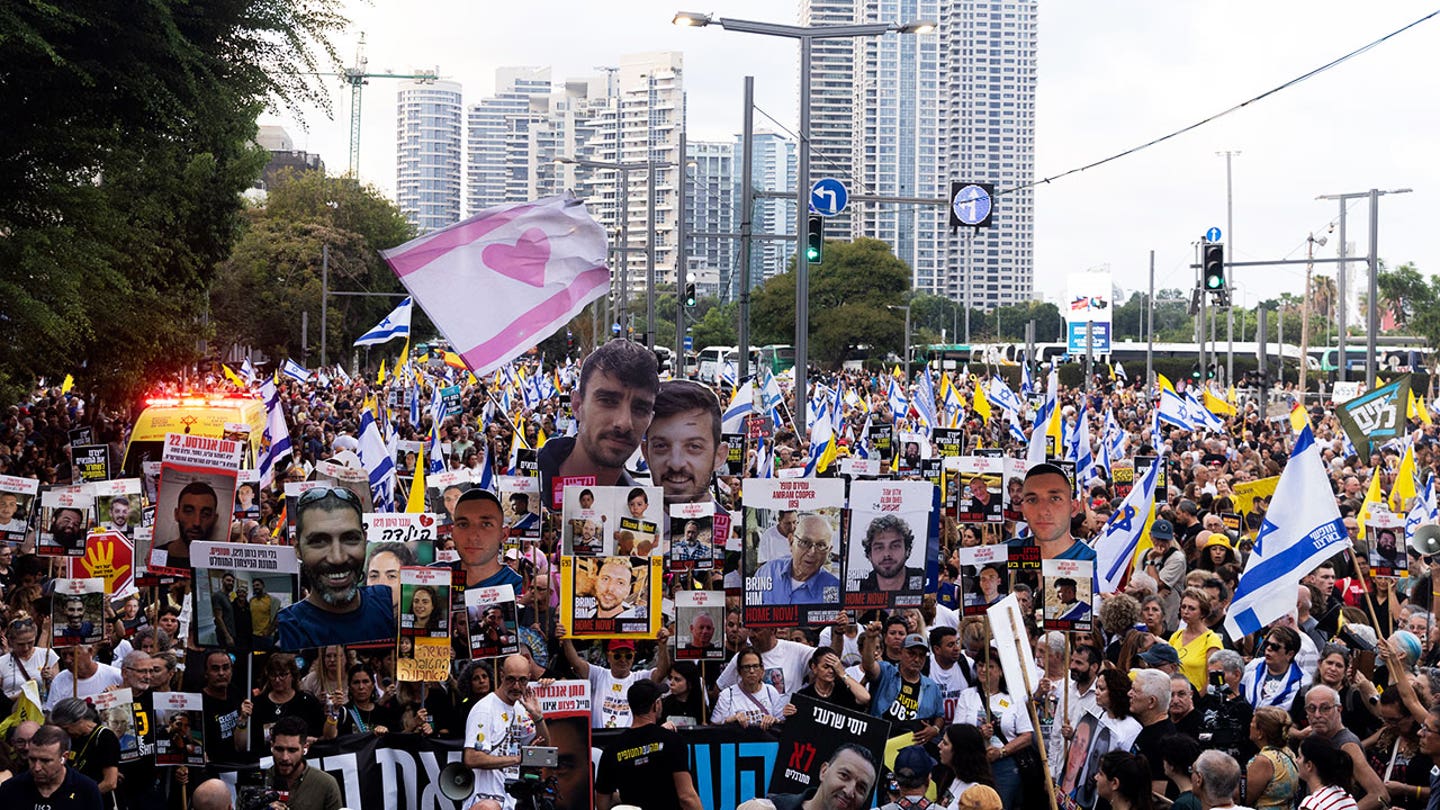
White House demands all Gaza hostages return home 'this week' amid stalled talks
Entities mentioned:
- Steve Witkoff: Duty, Determination, Influence
- Hamas: Power, Control, Self-preservation
- Israel: Security, Justice, Self-preservation
- Hostages and Missing Families Forum: Determination, Justice, Anxiety
- Benjamin Netanyahu: Power, Security, Self-preservation
- Donald Trump: Influence, Recognition, Ambition
Article Assessment:
Credibility Score: 75/100
Bias Rating: 55/100 (Center)
Sentiment Score: 35/100
Authoritarianism Risk: 40/100 (Generally Democratic)
Bias Analysis:
The article presents multiple viewpoints, including US, Israeli, and Hamas perspectives, as well as those of hostage families. While it leans slightly towards the US and Israeli positions, it also includes critical views of the Israeli government's approach.
Key metric: International Conflict Resolution Index
As a social scientist, I analyze that this article highlights the complex negotiations and tensions surrounding the hostage situation in Gaza. The involvement of multiple parties with diverging interests complicates the resolution process. The US, represented by Witkoff, is pushing for an immediate release of all hostages, while Hamas appears to be using the hostages as leverage. Israel's stance on complete destruction of Hamas creates an additional obstacle. The large-scale protests in Israel indicate growing public pressure on the government to prioritize hostage return over military objectives. This situation impacts the International Conflict Resolution Index by showcasing the challenges in balancing security concerns, humanitarian issues, and diplomatic negotiations in a long-standing conflict zone.
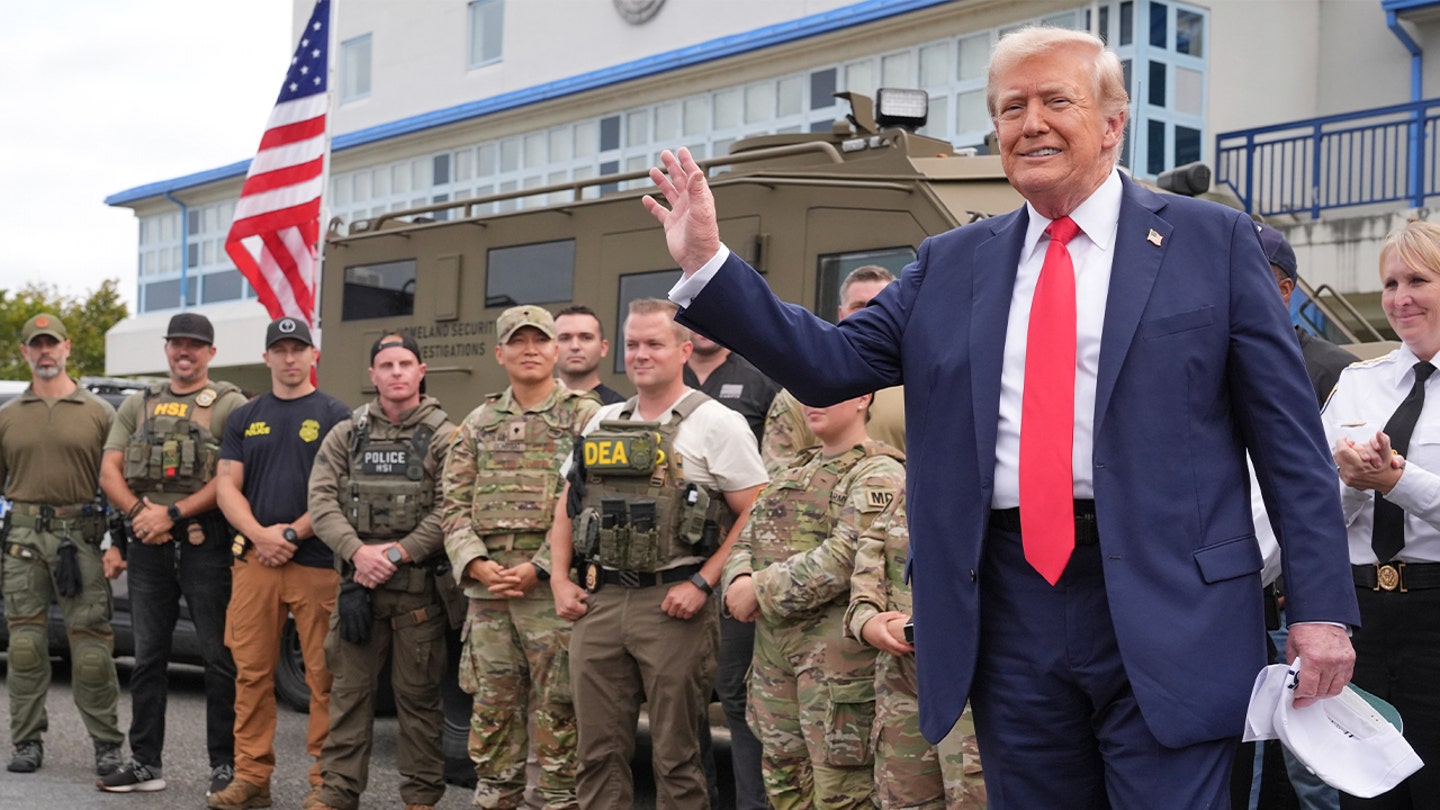
Trump, House GOP allies eye pathways to extend White House crime crackdown in DC
Entities mentioned:
- Donald Trump: Power, Control, Legacy
- House Republicans: Loyalty, Control, Security
- White House: Power, Control, Influence
- Rep. Andy Ogles: Security, Duty, Influence
- Rep. Anna Paulina Luna: Security, Control, Duty
- Rep. Andy Biggs: Security, Control, Influence
- Democrats: Righteousness, Freedom, Moral outrage
Article Assessment:
Credibility Score: 65/100
Bias Rating: 70/100 (Lean Right)
Sentiment Score: 55/100
Authoritarianism Risk: 75/100 (Authoritarian Tendencies)
Bias Analysis:
The article leans right, primarily quoting Republican sources and framing the issue from their perspective. While it mentions Democratic opposition, it doesn't provide equal space or depth to counter-arguments.
Key metric: Crime Rate in Washington D.C.
As a social scientist, I analyze that this article highlights a significant shift in the balance of power between federal and local government in Washington D.C. The proposed legislation aims to extend the President's authority over D.C.'s police force, potentially undermining local autonomy. This move could have far-reaching implications for federalism and urban governance in the U.S. The article suggests a decrease in homicides since federal intervention, but this claim requires further verification. The broader impact on crime rates, community-police relations, and local governance structures needs comprehensive study. This situation raises important questions about the limits of federal power, the rights of D.C. residents, and the potential precedent for federal intervention in other cities.
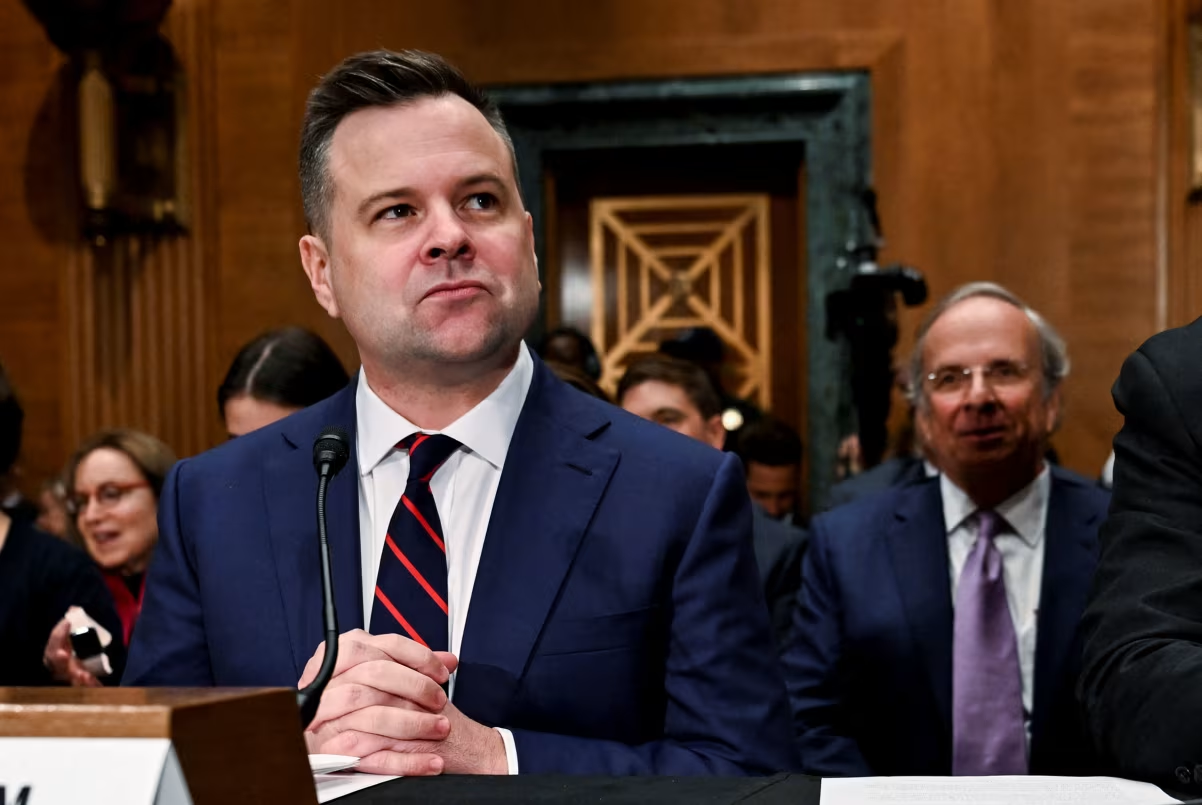
How an obscure housing director launched Trump’s firing of Fed governor Lisa Cook
Entities mentioned:
- Bill Pulte: Ambition, Power, Influence
- Donald Trump: Power, Control, Revenge
- Jerome Powell: Professional pride, Duty, Self-preservation
- Lisa Cook: Self-preservation, Professional pride, Indignation
- Justice Department: Duty, Obligation, Control
- Federal Reserve: Professional pride, Duty, Independence
Article Assessment:
Credibility Score: 75/100
Bias Rating: 45/100 (Center)
Sentiment Score: 35/100
Authoritarianism Risk: 65/100 (Authoritarian Tendencies)
Bias Analysis:
The article presents multiple viewpoints and includes critiques from both sides of the political spectrum. While it details Trump and Pulte's actions more extensively, it also includes their justifications and counterarguments from other parties.
Key metric: Federal Reserve Independence
As a social scientist, I analyze that this article highlights a significant challenge to the independence of the Federal Reserve, a crucial institution for U.S. economic stability. Bill Pulte's actions, seemingly endorsed by President Trump, represent an unprecedented level of political interference in Fed operations. The attempt to remove Governor Lisa Cook based on allegations from a housing official outside the Fed's purview suggests a breakdown in the traditional separation between political and monetary policy. This situation could potentially undermine public trust in the Fed's ability to make objective economic decisions, free from political pressure. The use of social media and public accusations to influence Fed personnel decisions also represents a departure from established norms, potentially setting a dangerous precedent for future administrations. The involvement of the Justice Department in investigating Fed officials based on referrals from a politically appointed housing director further blurs the lines between independent institutions and political agendas. This erosion of institutional boundaries could have long-term implications for the stability and credibility of U.S. economic policy-making.
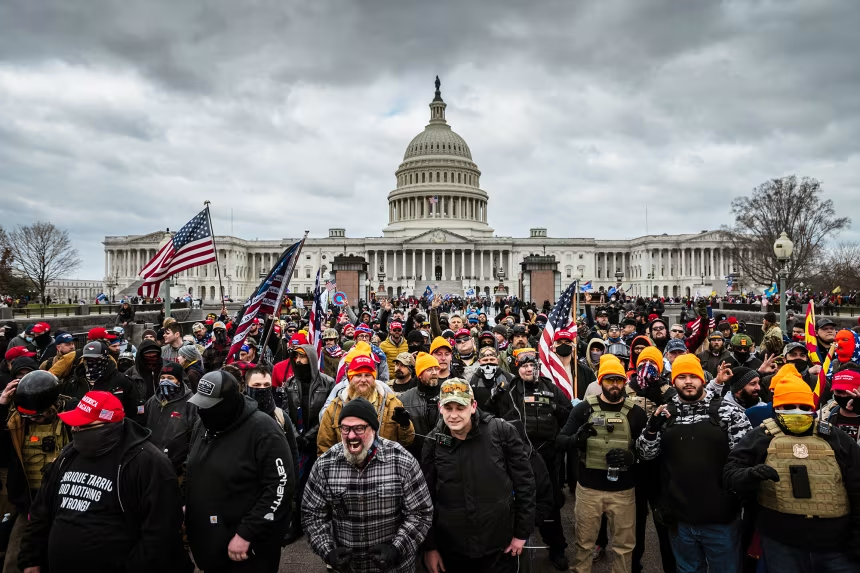
Justice Department seeks to dismiss lawsuit filed by Proud Boys over January 6 prosecutions
Entities mentioned:
- Justice Department: Justice, Duty, Professional pride
- Proud Boys: Revenge, Self-preservation, Indignation
- Donald Trump: Loyalty, Power, Influence
- Joe Biden: Justice, Duty, Control
- Enrique Tarrio: Self-preservation, Recognition, Indignation
Article Assessment:
Credibility Score: 75/100
Bias Rating: 45/100 (Center)
Sentiment Score: 35/100
Authoritarianism Risk: 25/100 (Generally Democratic)
Bias Analysis:
The article presents multiple viewpoints, including those of the Justice Department, the Proud Boys, and Trump's perspective. While it leans slightly towards emphasizing the Justice Department's stance, it also provides context for the opposing arguments.
Key metric: Rule of Law Index
As a social scientist, I analyze that this article highlights the ongoing tension between political interests and the justice system in the aftermath of the January 6 Capitol attack. The Justice Department's move to dismiss the Proud Boys' lawsuit reinforces its commitment to upholding the rule of law, despite political pressure. This case underscores the challenges in maintaining an impartial justice system in a polarized political climate. The pardons issued by Trump and the subsequent lawsuit by the Proud Boys reveal the complex interplay between executive power, judicial processes, and far-right groups' attempts to reframe their actions. This situation may impact public perception of the justice system's integrity and the balance of powers in the U.S. government.
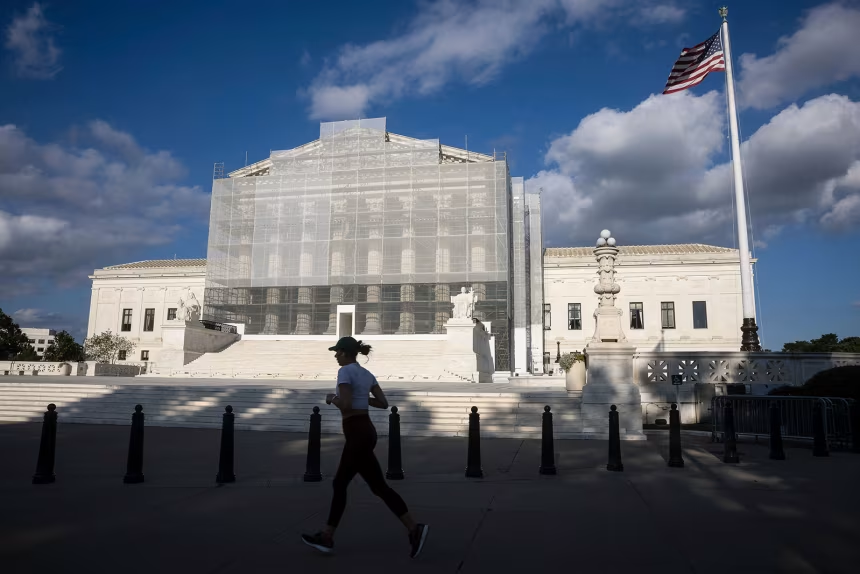
Trump asks Supreme Court to step in and block billions in foreign aid spending
Entities mentioned:
- Trump administration: Control, Power, Influence
- Supreme Court: Justice, Duty, Influence
- Department of Justice: Duty, Loyalty, Control
- US Court of Appeals for the DC Circuit: Justice, Duty, Influence
- Congress: Power, Control, Duty
- State Department: Duty, Influence, Control
- USAID: Duty, Influence, Unity
Article Assessment:
Credibility Score: 75/100
Bias Rating: 55/100 (Center)
Sentiment Score: 40/100
Authoritarianism Risk: 35/100 (Generally Democratic)
Bias Analysis:
The article presents a balanced view of the legal dispute, including perspectives from both the Trump administration and the lower courts. While it quotes more extensively from the administration's filing, it also provides context about previous court decisions and the ongoing nature of the dispute.
Key metric: US Foreign Aid Spending
As a social scientist, I analyze that this article highlights a complex legal battle between the executive and legislative branches over control of foreign aid spending. The Trump administration's attempt to block billions in foreign aid reflects a shift in US foreign policy priorities and could significantly impact America's global influence and diplomatic relationships. The case raises questions about the balance of power between different branches of government and the role of the judiciary in settling such disputes. The potential rapid obligation of $12 billion in foreign aid funds, if the Supreme Court doesn't intervene, could have far-reaching consequences for US foreign policy implementation and international commitments.
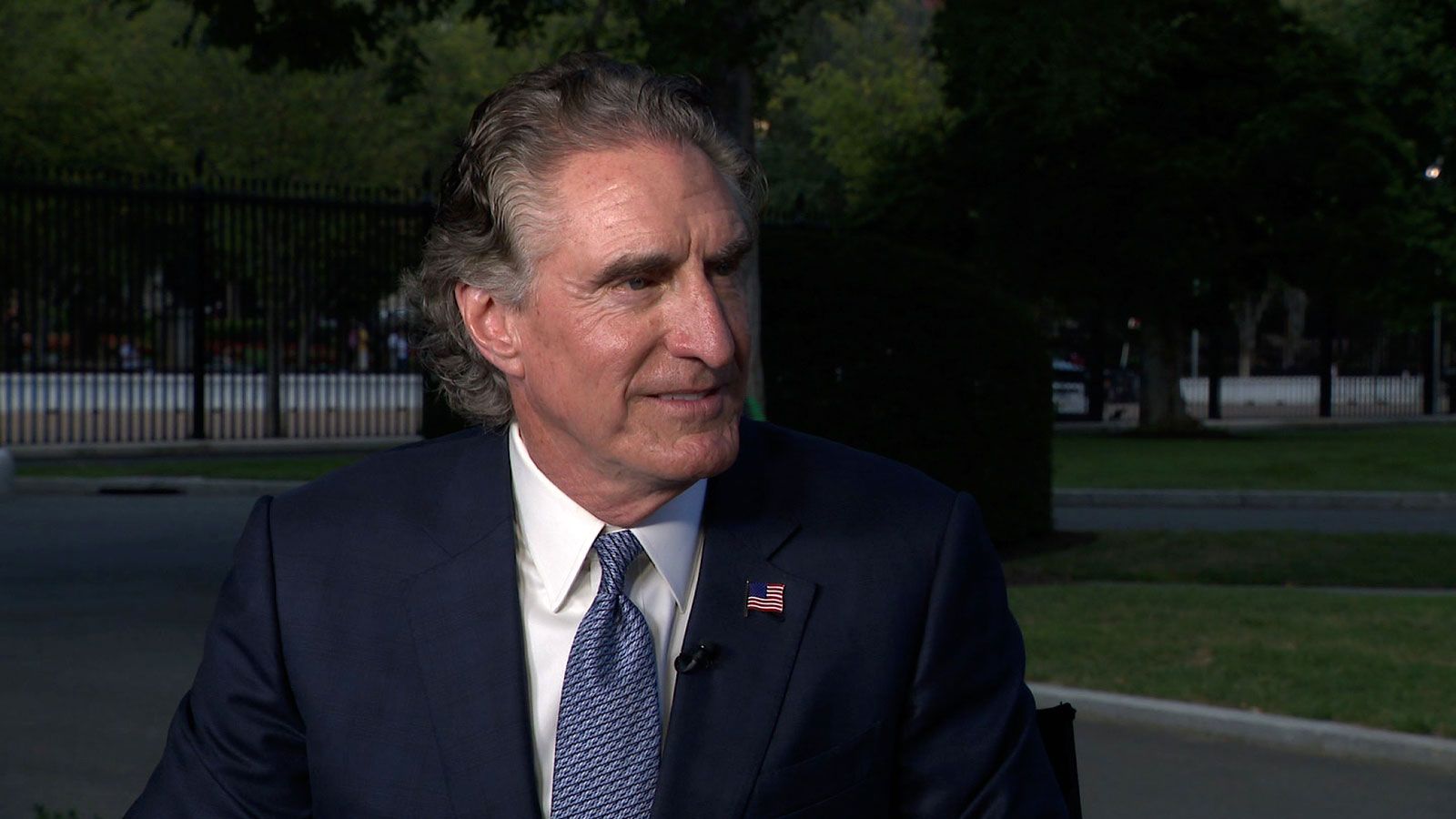
Burgum says Trump deploying National Guard to Democratic-led cities is not political: ‘He’s not targeting anything’
Entities mentioned:
- Doug Burgum: Loyalty, Duty, Professional pride
- Donald Trump: Control, Power, Influence
- Democratic Party: Self-preservation, Indignation, Justice
- Republican Party: Law and order, Control, Power
- JB Pritzker: Indignation, Self-preservation, Autonomy
- National Guard: Duty, Security, Control
Article Assessment:
Credibility Score: 65/100
Bias Rating: 55/100 (Center)
Sentiment Score: 35/100
Authoritarianism Risk: 65/100 (Authoritarian Tendencies)
Bias Analysis:
The article presents both Republican and Democratic viewpoints, but gives slightly more space to the administration's perspective. It includes some fact-checking of claims, indicating an attempt at balanced reporting.
Key metric: Violent Crime Rate
As a social scientist, I analyze that this article highlights the increasing politicization of law enforcement and public safety measures in the United States. The deployment of the National Guard to Democratic-led cities by a Republican president is framed as a non-partisan move to combat crime, but the underlying political tensions are evident. This action could potentially impact the violent crime rate, but the effectiveness is questionable given the complex nature of urban crime and the potential for increased tensions between federal and local authorities. The article also reveals a growing divide in perceptions of crime and appropriate responses between the two major political parties, which could have long-term implications for national unity and governance.

Hegseth fires top US general after Iran assessment that angered Trump
Entities mentioned:
- Mark Milley: Professional pride, Duty, Loyalty
- Donald Trump: Power, Control, Revenge
- Pete Hegseth: Loyalty, Ambition, Influence
- US Military: Security, Duty, Professional pride
- Iran: Self-preservation, Security, Power
Article Assessment:
Credibility Score: 55/100
Bias Rating: 60/100 (Center)
Sentiment Score: 30/100
Authoritarianism Risk: 65/100 (Authoritarian Tendencies)
Bias Analysis:
The article appears to lean slightly right, presenting the firing as a decisive action without much context. However, it doesn't overtly praise or criticize the decision, maintaining a relatively neutral tone.
Key metric: Military Readiness and Leadership Stability
As a social scientist, I analyze that this event signifies a significant disruption in the chain of command and civilian-military relations in the US. The firing of a top general over a disagreement with the President's views on Iran suggests potential politicization of military leadership. This could impact military readiness and strategic decision-making, as well as potentially erode trust between civilian leadership and military professionals. The abrupt change in high-level military personnel may lead to instability in military strategy and operations, particularly concerning Middle East policy. Furthermore, this action might be perceived as an attempt to align military leadership more closely with political objectives, potentially compromising the military's traditional role as an apolitical institution.
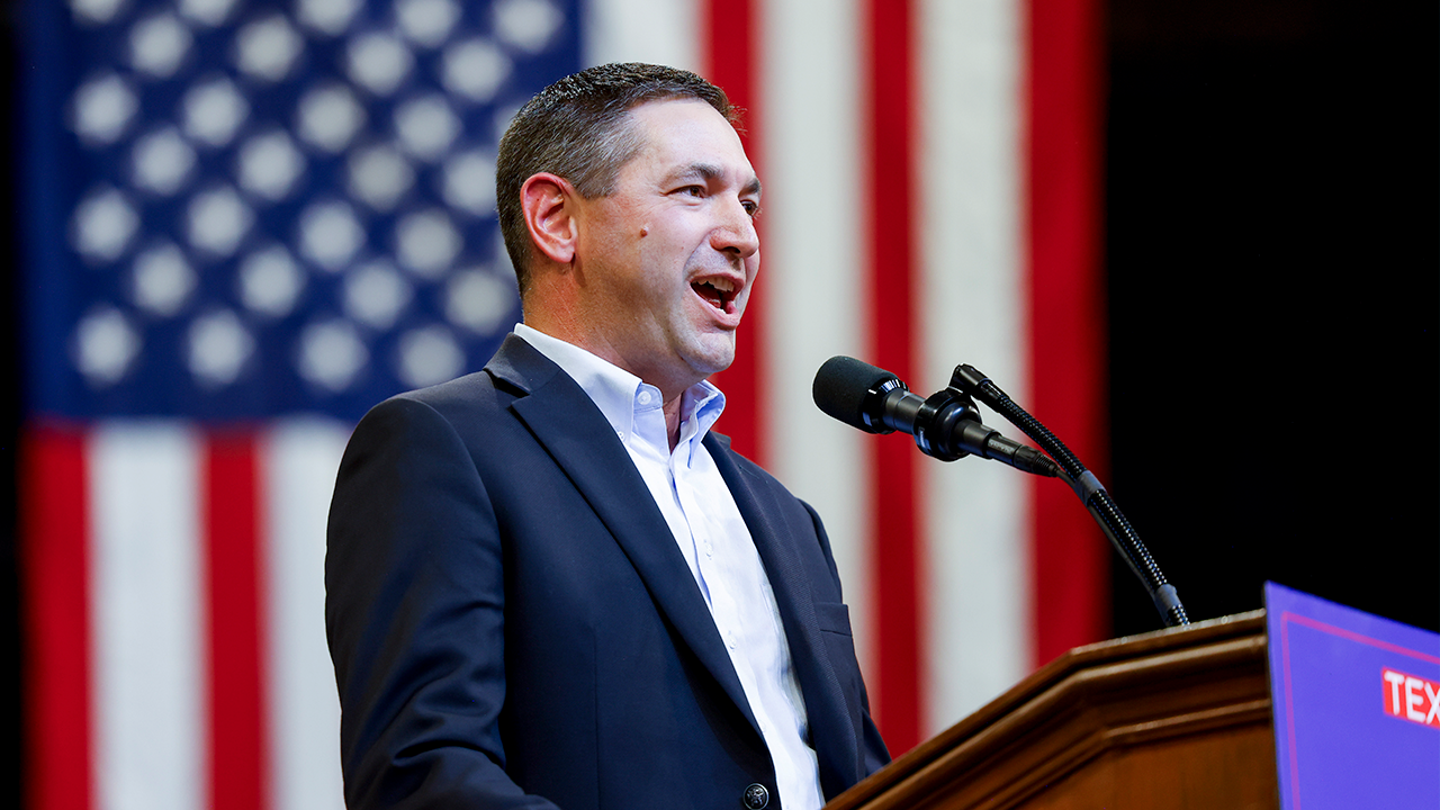
EPA urged by state AGs to axe funds for 'radical' climate project accused of training judges
Entities mentioned:
- Environmental Protection Agency (EPA): Control, Power, Duty
- Republican state attorneys general: Righteousness, Moral outrage, Justice
- Lee Zeldin: Control, Duty, Ambition
- Environmental Law Institute (ELI): Influence, Legacy, Recognition
- Climate Judiciary Project (CJP): Influence, Legacy, Professional pride
- Austin Knudsen: Righteousness, Moral outrage, Justice
- Donald Trump: Power, Control, Legacy
- American Energy Institute: Competitive spirit, Self-preservation, Influence
- Alliance for Consumers: Justice, Self-preservation, Influence
- Ted Cruz: Righteousness, Moral outrage, Competitive spirit
Article Assessment:
Credibility Score: 65/100
Bias Rating: 75/100 (Lean Right)
Sentiment Score: 30/100
Authoritarianism Risk: 45/100 (Mixed/Neutral)
Bias Analysis:
The article leans right, evidenced by its exclusive reliance on Republican sources and framing of environmental education as 'woke climate propaganda'. It presents the conservative perspective prominently while offering minimal counterbalance from the criticized organizations.
Key metric: Environmental Policy Effectiveness
As a social scientist, I analyze that this article highlights a significant conflict between conservative state officials and environmental organizations over the use of federal funds for climate education programs targeting judges. This controversy impacts environmental policy effectiveness by potentially influencing judicial decisions on climate-related cases. The dispute centers on allegations that the Climate Judiciary Project, funded partially by EPA grants to the Environmental Law Institute, is attempting to sway judges' opinions on climate issues under the guise of education. This situation reflects broader political tensions surrounding climate policy and the role of the judiciary in environmental decision-making. The involvement of multiple state attorneys general and the EPA's recent actions to cut funding for various environmental and social programs under the Trump administration indicate a shift in environmental policy priorities and implementation strategies.
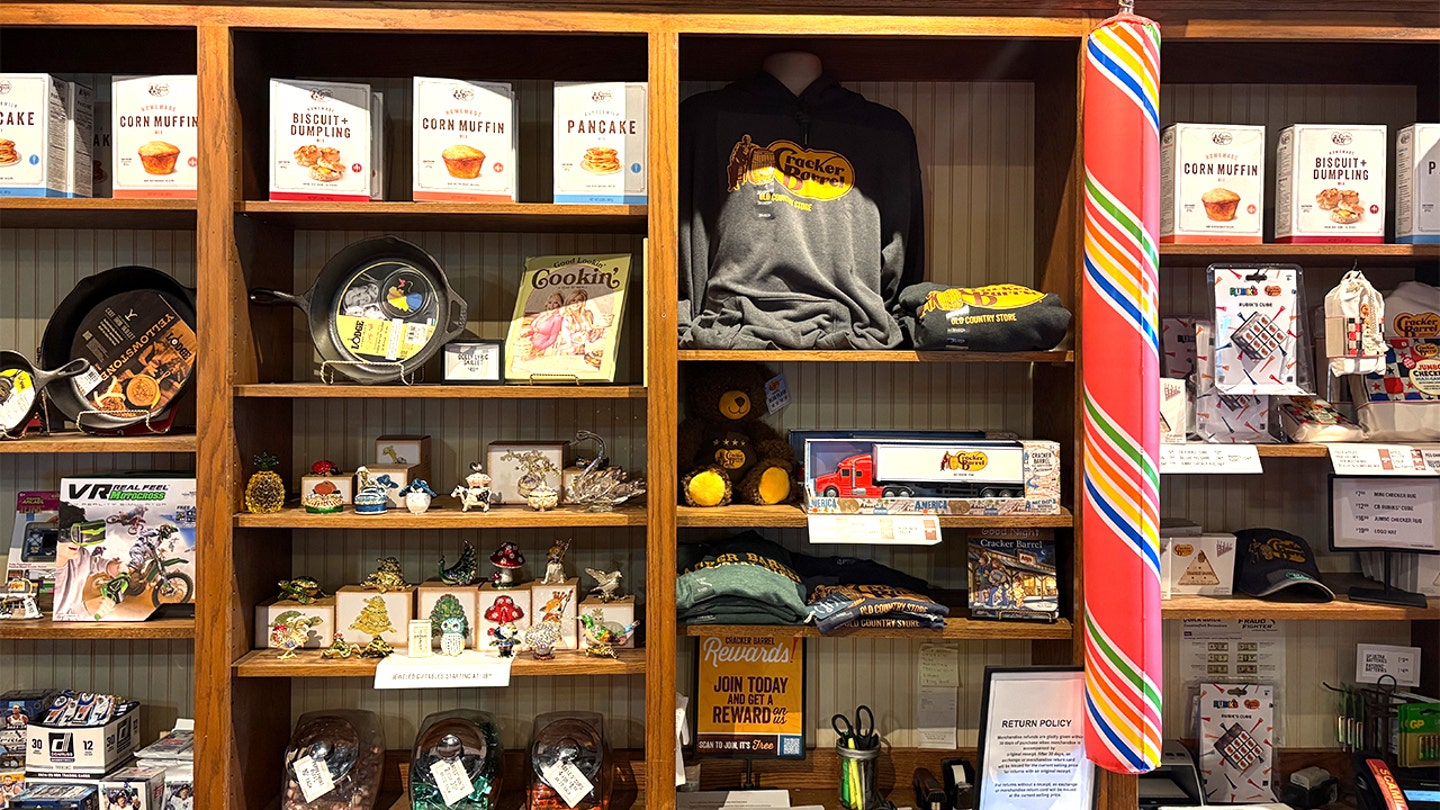
CNN data guru claims Democrats are as unpopular as the Cracker Barrel rebrand
Entities mentioned:
- CNN: Recognition, Influence, Professional pride
- Harry Enten: Professional pride, Influence, Recognition
- Democratic Party: Power, Influence, Self-preservation
- Cracker Barrel: Recognition, Legacy, Self-preservation
- Donald Trump: Influence, Power, Recognition
Article Assessment:
Credibility Score: 65/100
Bias Rating: 55/100 (Center)
Sentiment Score: 30/100
Authoritarianism Risk: 35/100 (Generally Democratic)
Bias Analysis:
The article presents multiple perspectives, including criticism of Democrats and Cracker Barrel's rebrand, as well as supportive views. While it leans slightly right by prominently featuring Trump's comment, it also includes counterarguments and Cracker Barrel's response.
Key metric: Political Party Favorability
As a social scientist, I analyze that this article highlights a significant perception issue for the Democratic Party, comparing their current public appeal to the controversial rebranding of Cracker Barrel. The use of this analogy by a prominent CNN analyst suggests a growing concern about the Democrats' image among voters. The mention of party registration issues in key states further underscores potential electoral challenges. The parallel drawn between political branding and corporate rebranding emphasizes the importance of public perception in both spheres. The article also touches on the cultural divide in America, with the Cracker Barrel rebrand serving as a proxy for broader discussions about tradition versus modernization. This could have implications for how political parties position themselves and communicate with voters, especially in relation to cultural issues and change.