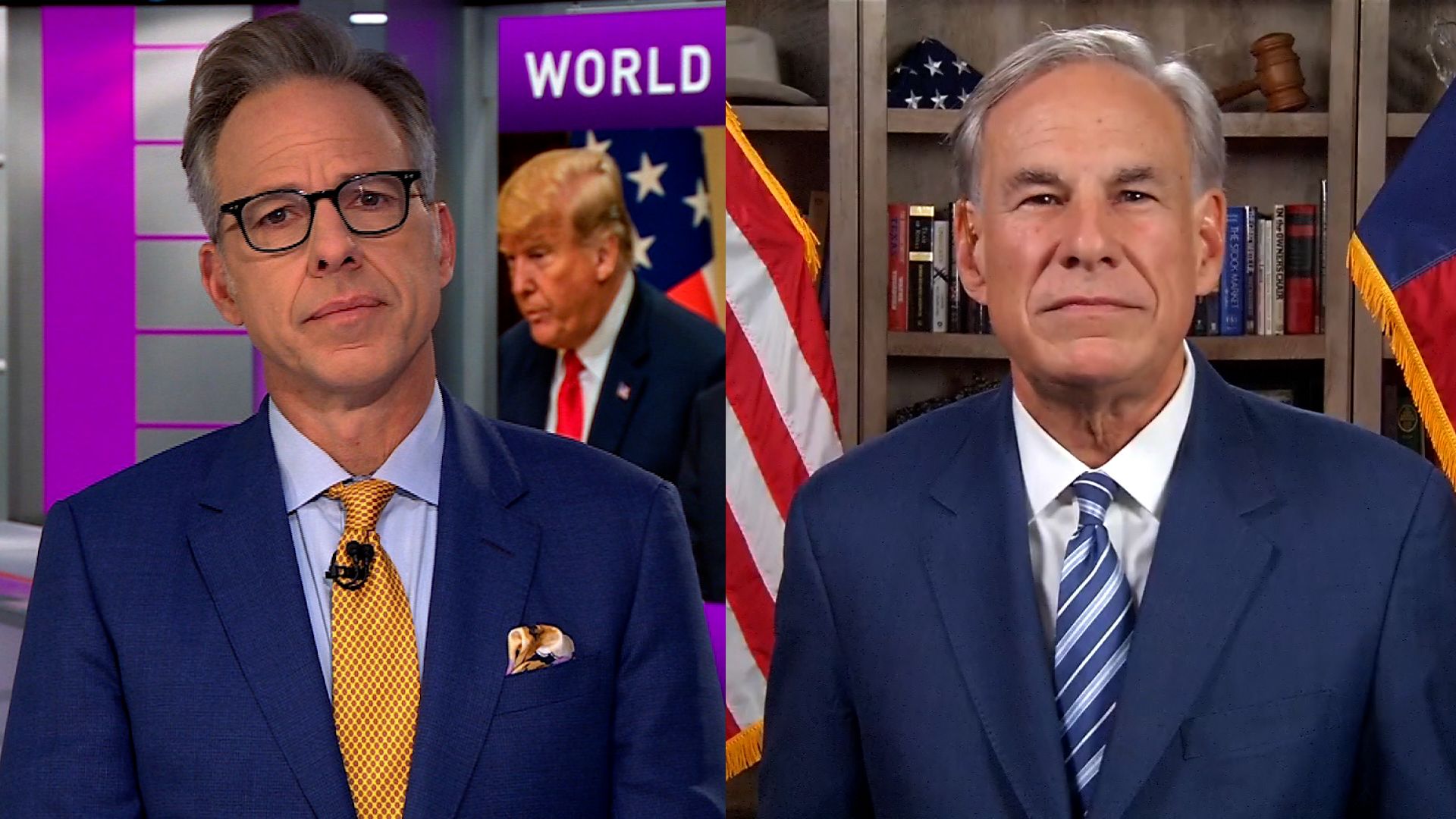
Texas Gov. Abbott decries ‘runaway Democrats’ as redistricting standoff enters its second week
Entities mentioned:
- Texas House Democrats: Justice, Righteousness, Determination
- Texas Republicans: Power, Control, Ambition
- Greg Abbott: Power, Control, Indignation
- Dustin Burrows: Duty, Determination, Control
- Gene Wu: Justice, Righteousness, Determination
- John Cornyn: Power, Control, Loyalty
- Beto O'Rourke: Justice, Influence, Unity
- Gavin Newsom: Power, Competitive spirit, Justice
- Dick Durbin: Justice, Unity, Righteousness
- Mihaela Plesa: Determination, Justice, Righteousness
- Rhetta Bowers: Determination, Justice, Self-preservation
Article Assessment:
Credibility Score: 75/100
Bias Rating: 55/100 (Center)
Sentiment Score: 30/100
Authoritarianism Risk: 65/100 (Authoritarian Tendencies)
Bias Analysis:
The article presents perspectives from both Democratic and Republican sides, giving voice to multiple viewpoints. However, there's slightly more space given to Democratic justifications and concerns, which nudges it just past center.
Key metric: Political Polarization Index
As a social scientist, I analyze that this article highlights a significant escalation in political polarization and partisan tactics in Texas, with potential national implications. The redistricting conflict demonstrates a growing willingness to use extreme measures to gain political advantage, including Democrats fleeing the state and Republicans considering unprecedented legal actions. This standoff not only affects Texas's legislative process but also has broader implications for national political representation and the balance of power in the U.S. House of Representatives. The involvement of other states and national figures suggests a widening of the conflict beyond Texas borders, potentially exacerbating national political divisions. The tactics employed by both sides, including attempts to track down lawmakers and potential retaliatory redistricting in other states, indicate a deterioration of political norms and an increase in confrontational strategies. This situation is likely to further erode public trust in democratic institutions and processes, contributing to a more polarized and contentious political environment nationwide.
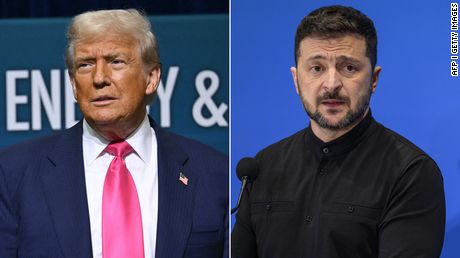
White House hasn’t ruled out Zelensky being in Alaska during Trump-Putin meeting on Friday
Entities mentioned:
- Donald Trump: Power, Legacy, Recognition
- Vladimir Putin: Power, Control, Influence
- JD Vance: Duty, Loyalty, Influence
- Volodymyr Zelensky: Self-preservation, Determination, Unity
- European leaders: Security, Influence, Unity
- Steve Witkoff: Duty, Influence, Professional pride
- Friedrich Merz: Unity, Influence, Security
- Marco Rubio: Duty, Influence, Professional pride
Article Assessment:
Credibility Score: 75/100
Bias Rating: 45/100 (Center)
Sentiment Score: 35/100
Authoritarianism Risk: 40/100 (Generally Democratic)
Bias Analysis:
The article presents multiple perspectives, including those of US, European, and Ukrainian officials, providing a balanced view. While it highlights concerns about Trump's approach, it also includes the administration's stance, maintaining a relatively neutral tone.
Key metric: International Diplomacy Effectiveness
As a social scientist, I analyze that this article highlights a significant shift in diplomatic dynamics surrounding the Russia-Ukraine conflict. The sudden announcement of a Trump-Putin meeting without clear inclusion of Ukraine or European allies raises concerns about the US's approach to resolving the conflict. This development could potentially impact the effectiveness of international diplomacy by sidelining key stakeholders and altering established negotiation frameworks. The rushed nature of the summit and the lack of transparency about its contents have prompted a flurry of diplomatic activity from European leaders, indicating a potential weakening of transatlantic cooperation. The exclusion of Zelensky from initial plans could undermine Ukraine's position and sovereignty in peace negotiations. This situation tests the cohesion of Western allies and their ability to present a united front in dealing with Russia, which could have long-term implications for global geopolitical balance and conflict resolution strategies.

Trump zeroes in on federal takeover of DC as FBI patrols streets
Entities mentioned:
- Donald Trump: Control, Power, Influence
- Muriel Bowser: Self-preservation, Obligation, Unity
- FBI: Duty, Security, Professional pride
- DC National Guard: Duty, Security, Obligation
- DC Council: Self-preservation, Wariness, Obligation
- Jeanine Pirro: Loyalty, Recognition, Influence
Article Assessment:
Credibility Score: 75/100
Bias Rating: 45/100 (Center)
Sentiment Score: 35/100
Authoritarianism Risk: 65/100 (Authoritarian Tendencies)
Bias Analysis:
The article presents multiple perspectives and sources, including both Trump administration and local DC officials. While it highlights Trump's actions and statements prominently, it also provides context and counterpoints, maintaining a relatively balanced approach.
Key metric: Federal-Local Government Relations
As a social scientist, I analyze that this article highlights a significant shift in the power dynamics between federal and local government in Washington, DC. President Trump's threats to take over the city and deploy federal forces represent a potential erosion of local autonomy. Mayor Bowser's deferential approach, contrasting with her previous resistance, suggests a strategic adaptation to preserve some level of local control and cooperation. This situation could set a precedent for increased federal intervention in local affairs, particularly in politically sensitive areas. The lack of strong opposition from local officials may indicate a fear of retaliation or a calculated decision to maintain access to federal resources. This evolving relationship between federal and local authorities in DC could have broader implications for federalism and local governance across the United States.

Federal judge rejects Trump DOJ’s bid to unseal grand jury materials in Ghislaine Maxwell case
Entities mentioned:
- Judge Paul Engelmayer: Justice, Duty, Professional pride
- Trump administration: Control, Influence, Self-preservation
- Department of Justice: Transparency, Duty, Influence
- Ghislaine Maxwell: Self-preservation, Control, Greed
- Jeffrey Epstein: Power, Control, Greed
- Victims: Justice, Self-respect, Security
- Attorney General Pam Bondi: Duty, Loyalty, Influence
- Judge Richard Berman: Justice, Duty, Professional pride
Article Assessment:
Credibility Score: 75/100
Bias Rating: 45/100 (Center)
Sentiment Score: 35/100
Authoritarianism Risk: 25/100 (Generally Democratic)
Bias Analysis:
The article presents a balanced view of the situation, quoting extensively from the judge's ruling. While it mentions the Trump administration's involvement, it doesn't appear to take a partisan stance.
Key metric: Public Trust in Government Institutions
As a social scientist, I analyze that this article highlights a significant tension between the judiciary and the executive branch, specifically the Department of Justice under the Trump administration. The judge's scathing rejection of the DOJ's request to unseal grand jury materials in the Maxwell case reveals a deep skepticism of the government's motives. This conflict could potentially erode public trust in government institutions, particularly the DOJ. The judge's emphasis on the lack of new information in the requested materials and the suggestion that the government's motion might be aimed at 'diversion' rather than transparency raises questions about the administration's true intentions. Furthermore, the mention of victims being used for 'political warfare' underscores the complex interplay between justice, politics, and media attention in high-profile cases. This incident may contribute to a growing perception of government institutions being used for political purposes rather than serving justice, potentially leading to decreased public confidence in the justice system and federal agencies.
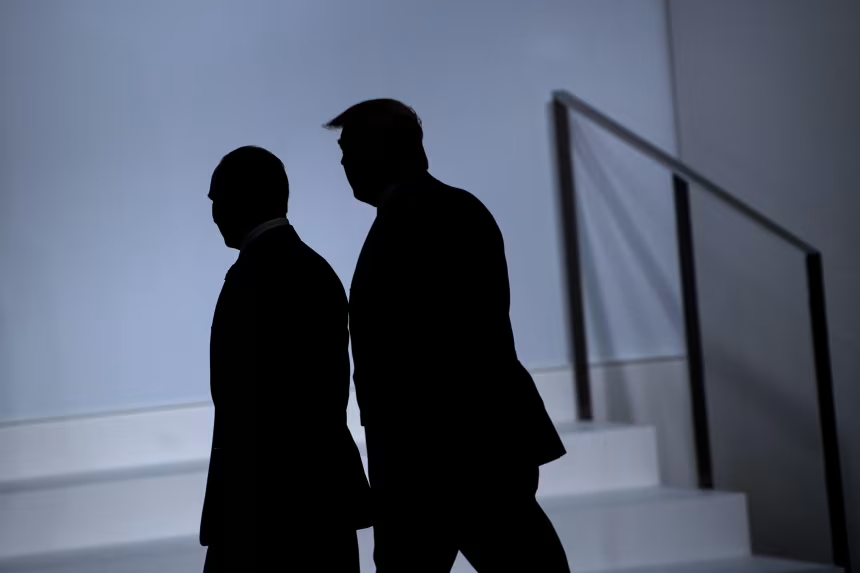
Trump says he’ll be feeling out Putin as US officials rush to finalize details of Alaska summit
Entities mentioned:
- Donald Trump: Ambition, Legacy, Power
- Vladimir Putin: Power, Control, Influence
- Volodymyr Zelensky: Self-preservation, Justice, Determination
- Mark Rutte: Unity, Duty, Security
- Oksana Markarova: Duty, Loyalty, Unity
- Steve Witkoff: Duty, Influence, Ambition
- JD Vance: Duty, Influence, Ambition
- Lindsey Graham: Influence, Loyalty, Duty
- Friedrich Merz: Unity, Influence, Security
Article Assessment:
Credibility Score: 75/100
Bias Rating: 45/100 (Center)
Sentiment Score: 35/100
Authoritarianism Risk: 35/100 (Generally Democratic)
Bias Analysis:
The article presents multiple viewpoints and sources, including Trump, European leaders, and Ukrainian officials. While it leans slightly towards skepticism of Trump's approach, it generally maintains a balanced tone, providing context and varied perspectives.
Key metric: International Diplomacy Effectiveness
As a social scientist, I analyze that this article highlights the complex dynamics of international diplomacy surrounding the Russia-Ukraine conflict. Trump's approach to the summit with Putin demonstrates a high-stakes gamble in personal diplomacy, potentially bypassing traditional diplomatic channels. The exclusion of Zelensky from direct talks raises concerns about Ukraine's agency in its own future. European leaders' insistence on Ukraine's involvement and specific conditions for peace talks indicates a potential rift between US and European approaches. The rush to organize the summit and the lack of clear objectives suggest a potentially risky diplomatic strategy. The article also reveals the delicate balance of power and influence among world leaders, with each actor motivated by a mix of national interests, personal legacy, and geopolitical considerations.

Pam Bondi has a new probe into the handling of 2016 Russian meddling. John Durham already spent four years investigating it
Entities mentioned:
- Pam Bondi: Power, Loyalty, Ambition
- John Durham: Justice, Professional pride, Duty
- Donald Trump: Power, Revenge, Self-preservation
- Tulsi Gabbard: Influence, Ambition, Recognition
- Barack Obama: Legacy, Self-preservation, Righteousness
- FBI: Professional pride, Duty, Security
- CIA: Security, Professional pride, Duty
Article Assessment:
Credibility Score: 75/100
Bias Rating: 45/100 (Center)
Sentiment Score: 35/100
Authoritarianism Risk: 55/100 (Mixed/Neutral)
Bias Analysis:
The article presents multiple viewpoints and cites various sources, including critics of the new investigation. While it leans slightly towards skepticism of the new probe, it provides context from both sides, maintaining a relatively balanced perspective.
Key metric: Political Polarization Index
As a social scientist, I analyze that this article highlights the ongoing political polarization in the United States, particularly surrounding the 2016 election and Russian interference. The initiation of a new investigation by Attorney General Pam Bondi, despite previous extensive probes, suggests a continued effort to challenge established narratives. This action may further deepen the divide between political factions, potentially eroding public trust in institutions and the electoral process. The repeated investigations into the same matter, despite previous findings, indicate a pattern of using government resources for political purposes, which could have long-term implications for democratic norms and institutional integrity.
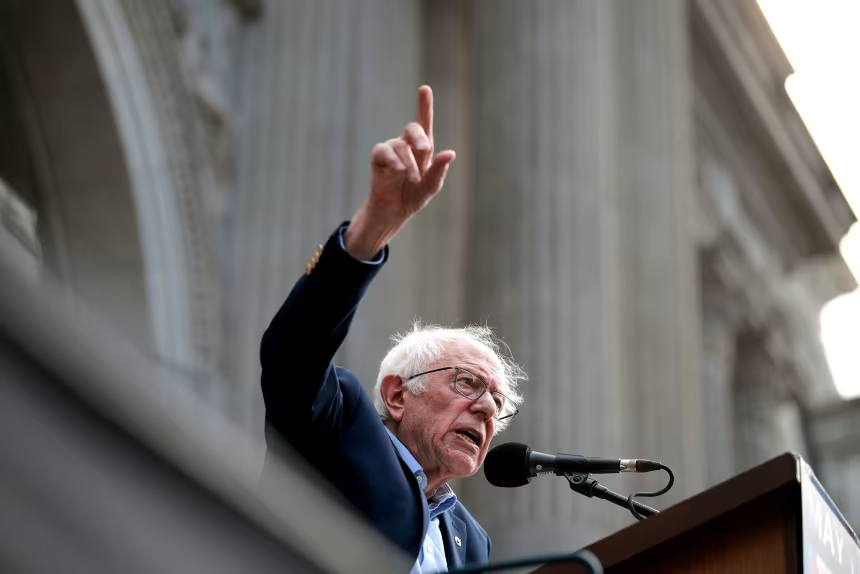
Bernie Sanders thinks Democrats have turned on their base. Now it’s time to fight back
Entities mentioned:
- Bernie Sanders: Justice, Moral outrage, Influence
- Democratic Party: Power, Control, Self-preservation
- Republican Party: Power, Control, Competitive spirit
- Donald Trump: Power, Control, Ambition
- Kamala Harris: Ambition, Power, Influence
- Israel: Self-preservation, Security, Control
- Vladimir Putin: Power, Control, Greed
Article Assessment:
Credibility Score: 75/100
Bias Rating: 40/100 (Lean Left)
Sentiment Score: 35/100
Authoritarianism Risk: 45/100 (Mixed/Neutral)
Bias Analysis:
The article leans slightly left, giving more prominence to Sanders' progressive views and critiques of both parties. While it includes some opposing viewpoints, the framing tends to emphasize Sanders' perspective on various issues.
Key metric: Political Polarization Index
As a social scientist, I analyze that this article highlights the increasing political polarization in the United States, particularly in relation to redistricting efforts and party strategies. Bernie Sanders' criticism of both Republican tactics and Democratic responses indicates a deepening divide between parties and within the Democratic Party itself. The discussion of gerrymandering and retaliatory redistricting suggests a deterioration of democratic norms, which could further erode public trust in the electoral system. Sanders' comments on the Democratic Party's perceived abandonment of its working-class base reflect growing tensions within the party and could impact voter alignment. The article also touches on international issues, including the Israel-Gaza conflict and US-Russia relations, which may influence domestic political discourse and foreign policy positions. Overall, the content suggests an intensification of ideological rifts and a potential shift in political alliances, which could significantly affect the Political Polarization Index in the coming years.
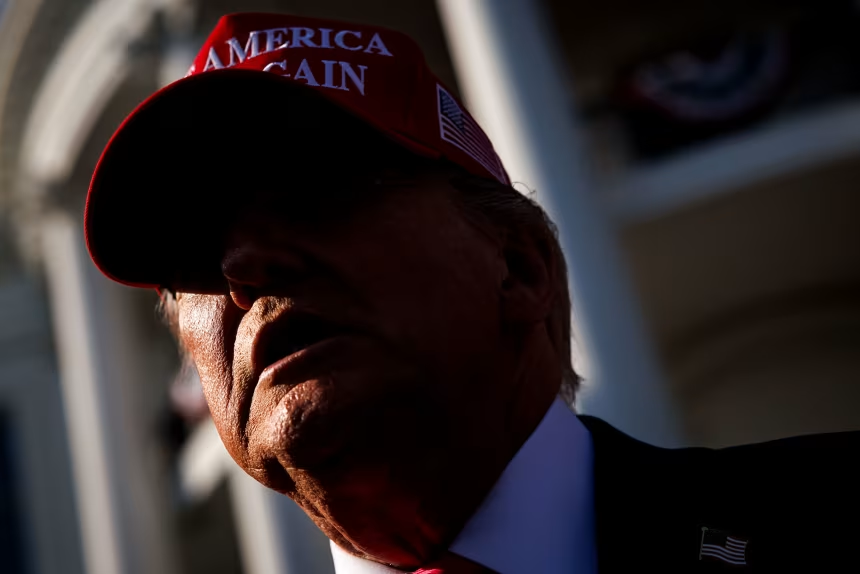
‘The courts are helpless’: Inside the Trump administration’s steady erosion of judicial power
Entities mentioned:
- Donald Trump: Power, Control, Revenge
- Trump administration: Control, Power, Self-preservation
- Federal judiciary: Justice, Duty, Self-preservation
- James Boasberg: Duty, Justice, Professional pride
- John Roberts: Duty, Influence, Obligation
- Emil Bove: Loyalty, Ambition, Power
Article Assessment:
Credibility Score: 75/100
Bias Rating: 35/100 (Lean Left)
Sentiment Score: 25/100
Authoritarianism Risk: 65/100 (Authoritarian Tendencies)
Bias Analysis:
The article leans slightly left, presenting a critical view of the Trump administration's actions. While it includes some opposing viewpoints, the overall framing and choice of quotes suggest a concern for judicial independence under threat.
Key metric: Judicial Independence
As a social scientist, I analyze that this article highlights a growing tension between the executive branch and the judiciary, with potential long-term implications for the balance of power in the US government. The Trump administration's actions, including suing judges and filing misconduct complaints, appear to be eroding judicial authority and independence. This could lead to a weakening of checks and balances, potentially shifting more power to the executive branch. The reluctance of some judges to quickly levy sanctions against the administration, coupled with the slow pace of legal proceedings, may be inadvertently enabling this erosion of judicial power. The appointment of Trump-friendly judges to key positions further complicates the situation, potentially creating a more compliant judiciary in the long term. This trend, if continued, could significantly alter the US system of governance and the ability of courts to effectively check executive power.
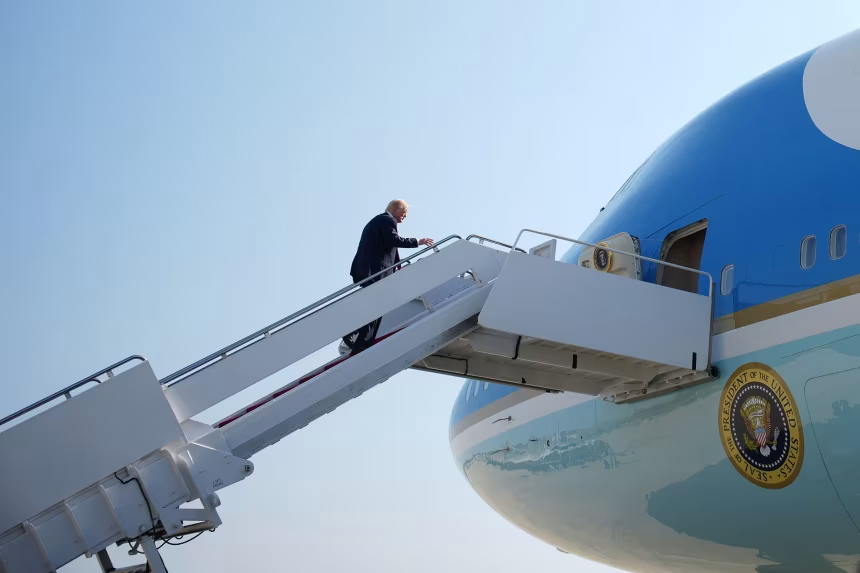
Trump says Qatari jet could be ready for use as Air Force One in 6 months. Experts are deeply skeptical
Entities mentioned:
- Donald Trump: Ambition, Power, Recognition
- Andrew Hunter: Professional pride, Duty, Wariness
- Richard Aboulafia: Professional pride, Wariness, Duty
- Frank Kendall: Professional pride, Duty, Security
- Pete Hegseth: Duty, Security, Obligation
- Boeing: Professional pride, Competitive spirit, Obligation
- Qatar: Influence, Recognition, Power
Article Assessment:
Credibility Score: 75/100
Bias Rating: 45/100 (Center)
Sentiment Score: 35/100
Authoritarianism Risk: 25/100 (Generally Democratic)
Bias Analysis:
The article presents multiple viewpoints, including Trump's perspective and various expert opinions, indicating an attempt at balanced reporting. However, there's a slight lean towards expert skepticism, which may reflect the complexity of the issue rather than overt bias.
Key metric: National Security Readiness
As a social scientist, I analyze that this article highlights significant concerns about the proposed accelerated timeline for preparing a donated Qatari jet as Air Force One. The skepticism from various experts regarding the feasibility, security, and ethical implications of this plan suggests potential risks to national security readiness. The contrast between Trump's optimism and the experts' caution indicates a disconnect between political ambition and practical security considerations. This situation may impact the US's ability to maintain a secure and fully functional presidential aircraft, which is crucial for national security operations and international diplomacy.
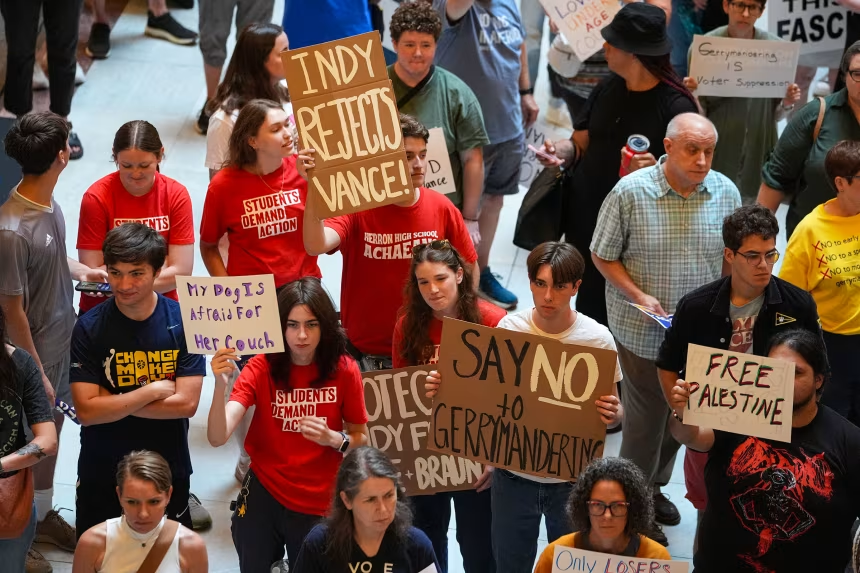
Republicans are going outside of Texas to try to redraw more US House seats
Entities mentioned:
- National Republicans: Power, Control, Competitive spirit
- Donald Trump: Power, Influence, Revenge
- JD Vance: Influence, Loyalty, Ambition
- GOP state lawmakers: Self-preservation, Wariness, Loyalty
- Democrats: Self-preservation, Justice, Competitive spirit
- Mike Braun: Wariness, Self-preservation, Loyalty
- Ralph Norman: Ambition, Competitive spirit, Power
- Nancy Mace: Self-preservation, Wariness, Professional pride
- Jim Clyburn: Self-preservation, Justice, Loyalty
- Mike Kehoe: Loyalty, Power, Competitive spirit
- Emanuel Cleaver: Self-preservation, Justice, Determination
- Daniel Perez: Power, Influence, Loyalty
- Ron DeSantis: Power, Ambition, Control
Article Assessment:
Credibility Score: 75/100
Bias Rating: 45/100 (Center)
Sentiment Score: 45/100
Authoritarianism Risk: 65/100 (Authoritarian Tendencies)
Bias Analysis:
The article presents a relatively balanced view, including perspectives from both Republicans and Democrats. While it focuses more on Republican strategies, it also mentions potential drawbacks and opposition, indicating an attempt at neutrality.
Key metric: Congressional Seat Distribution
As a social scientist, I analyze that this article highlights a concerted effort by Republican leadership to redraw congressional districts in multiple states to gain more GOP-friendly seats ahead of the 2026 midterm elections. This strategy, seemingly driven by Trump and his allies, aims to consolidate Republican power in the House of Representatives. The approach faces several challenges, including potential legal issues, resistance from some GOP state lawmakers, and the risk of spreading Republican votes too thin. The article showcases the tension between national party goals and local political realities, as well as the ongoing debate over the fairness and legality of redistricting practices. This redistricting push could significantly impact the balance of power in Congress and potentially alter the representation of minority communities, raising important questions about democratic representation and the long-term implications of partisan gerrymandering.