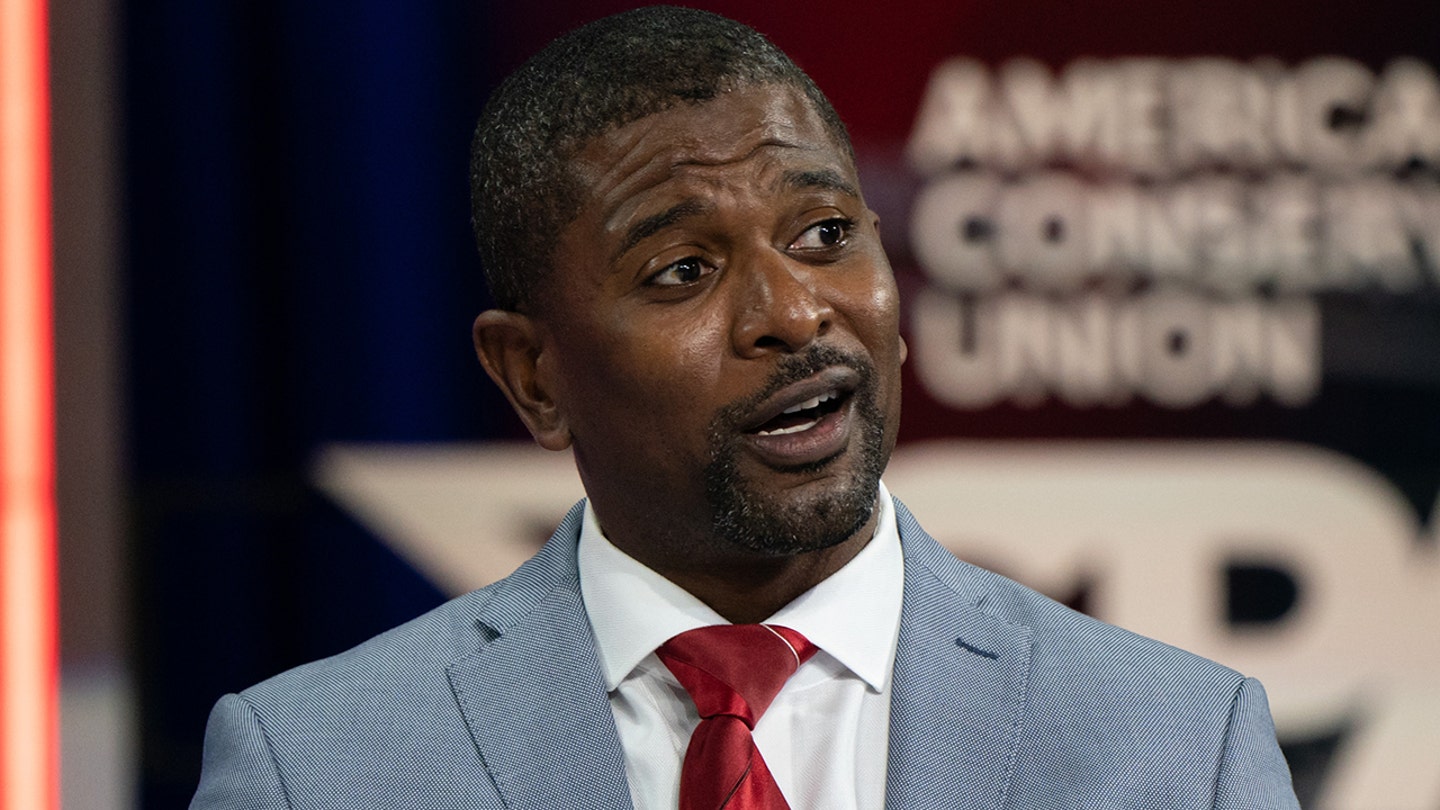
Former Vikings captain speaks out after Minnesota misses Trump admin's deadline to protect girls' sports
Entities mentioned:
- Jack Brewer: Righteousness, Moral outrage, Justice
- Keith Ellison: Pride, Influence, Control
- Donald Trump: Determination, Competitive spirit, Power
- Tim Walz: Control, Influence, Self-preservation
Article Assessment:
Credibility Score: 65/100
Bias Rating: 75/100 (Lean Right)
Sentiment Score: 25/100
Authoritarianism Risk: 45/100 (Mixed/Neutral)
Bias Analysis:
The article leans right, heavily featuring conservative viewpoints and religious arguments. It gives more space to critics of transgender inclusion in sports, while minimizing opposing perspectives.
Key metric: Gender Equality in Sports
Let me tell you something, folks - this is a FULL COURT PRESS situation! We've got a real championship battle brewing in Minnesota, with former Vikings captain Jack Brewer coming off the bench to challenge the home team's game plan. Brewer's bringing that linebacker intensity, blitzing the state's policies with a defensive strategy straight out of the playbook of righteousness. On the other side of the field, we've got Attorney General Ellison running interference, trying to keep transgender athletes in the game. The Trump administration is throwing the challenge flag, but Ellison's calling an audible, citing the government shutdown to buy more time on the play clock. This is a high-stakes match-up, folks, with federal funding on the line and the very nature of girls' sports hanging in the balance. It's fourth and long for Minnesota, and they're gonna have to dig deep if they want to avoid a major penalty from the refs in Washington!
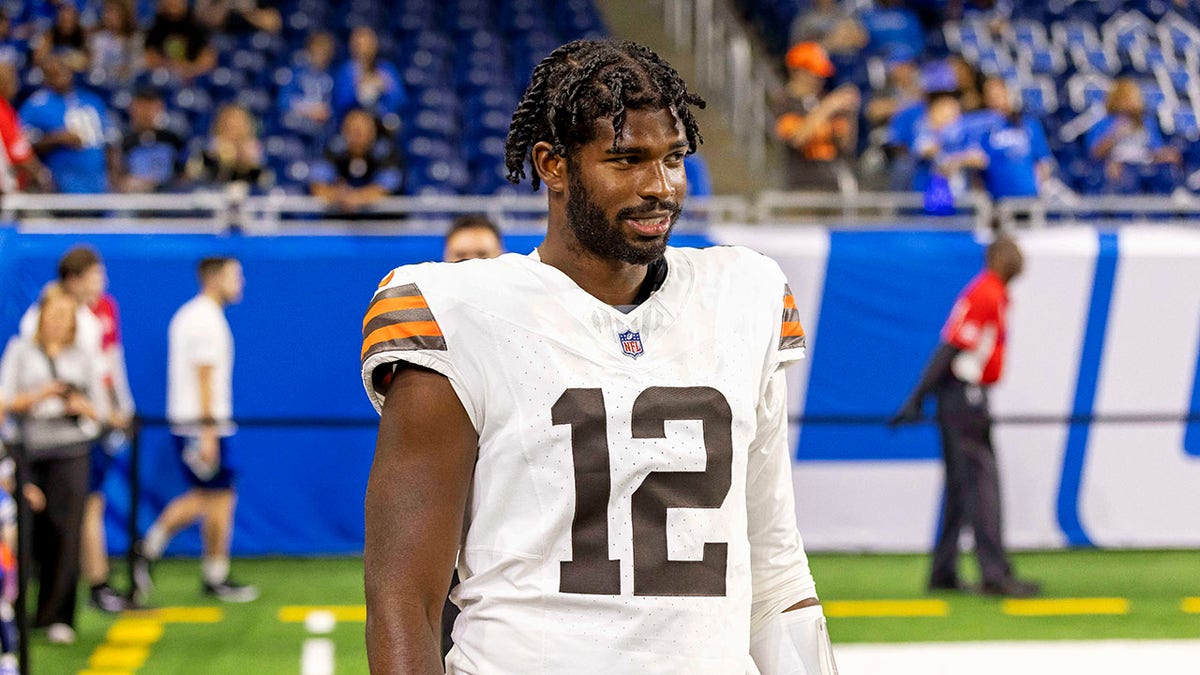
Shedeur Sanders' mom sends cryptic message amid son's promotion for Browns
Entities mentioned:
- Shedeur Sanders: Ambition, Determination, Recognition
- Pilar Sanders: Loyalty, Pride, Self-respect
- Cleveland Browns: Competitive spirit, Professional pride, Ambition
- NFL: Control, Power, Influence
- Donald Trump: Indignation, Influence, Recognition
Article Assessment:
Credibility Score: 65/100
Bias Rating: 55/100 (Center)
Sentiment Score: 45/100
Authoritarianism Risk: 35/100 (Generally Democratic)
Bias Analysis:
The article presents multiple viewpoints, including critical and supportive perspectives on Sanders. However, it leans slightly towards sympathizing with Sanders' situation, potentially influencing reader perception.
Key metric: NFL Draft Equity
Let me tell you something - this story is RIDICULOUS! We're witnessing a fourth-quarter POWER PLAY in the NFL draft game that's got everyone on the edge of their seats! Shedeur Sanders, the young quarterback phenom, has been relegated to the BENCH for most of the season, but now he's STEPPING UP TO THE PLATE as QB2 for the Browns. This kid's got CHAMPIONSHIP DNA, folks, but the league seems to be playing DEFENSE against his rise! The NFL draft looked like a FUMBLED PLAY, with Sanders sliding from potential first-round pick to a fifth-round HAIL MARY. But now, we're seeing a potential COMEBACK STORY in the making! This is the kind of UNDERDOG TALE that sports legends are made of! The Browns are making a BOLD MOVE putting Sanders in as backup, and you can bet your bottom dollar that all eyes will be on this rookie if he gets his shot on the field. It's CRUNCH TIME for Sanders to prove the doubters wrong and show he's got what it takes to be a FRANCHISE PLAYER in this league!
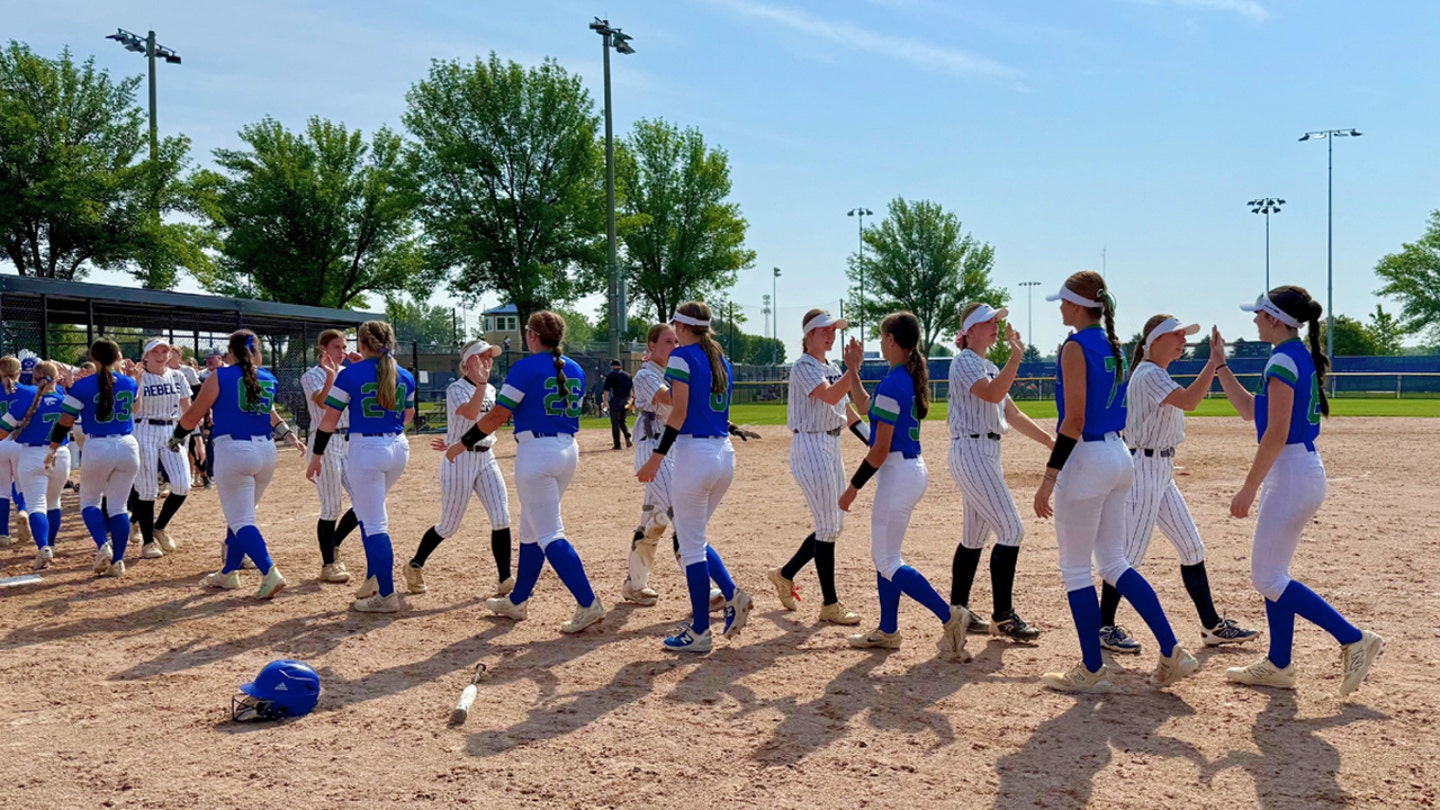
Minnesota attorney general says trans athletes in girls sports 'doesn't harm anyone' despite complaints
Entities mentioned:
- Keith Ellison: Righteousness, Justice, Influence
- School Board Members: Moral outrage, Duty, Protection
- Minnesota High School Girls: Competitive spirit, Fairness, Self-respect
- Donald Trump: Control, Power, Legacy
- U.S. Department of Education: Duty, Control, Influence
Article Assessment:
Credibility Score: 70/100
Bias Rating: 65/100 (Lean Right)
Sentiment Score: 30/100
Authoritarianism Risk: 35/100 (Generally Democratic)
Bias Analysis:
The article leans right, giving more voice to those opposing transgender athletes in girls' sports. While it includes Ellison's statements, it emphasizes opposing viewpoints and personal anecdotes from affected athletes.
Key metric: Gender Equality in Sports
Let me tell you something, folks - this is a FULL COURT PRESS situation! We've got a real clash of titans here, with Attorney General Ellison going head-to-head against a team of fired-up school board members. It's like watching a championship game where the rules are being rewritten mid-play! The transgender athlete issue is the ultimate power play, with Ellison acting like a veteran coach, trying to keep his team on the field despite challenges from the opposing bench. But make no mistake, the high school girls are the real MVPs here, stepping up to the plate and speaking out against what they see as an unfair advantage. They're showing true athletic spirit, refusing to back down even when faced with a seemingly unstoppable force. This is a classic David vs. Goliath matchup, folks, with the girls taking on the full might of the state's legal team. And let's not forget the federal government coming in with a buzzer-beater executive order, trying to change the game in the final quarter! I'm telling you right now, this is going to be a nail-biter right up to the final whistle!
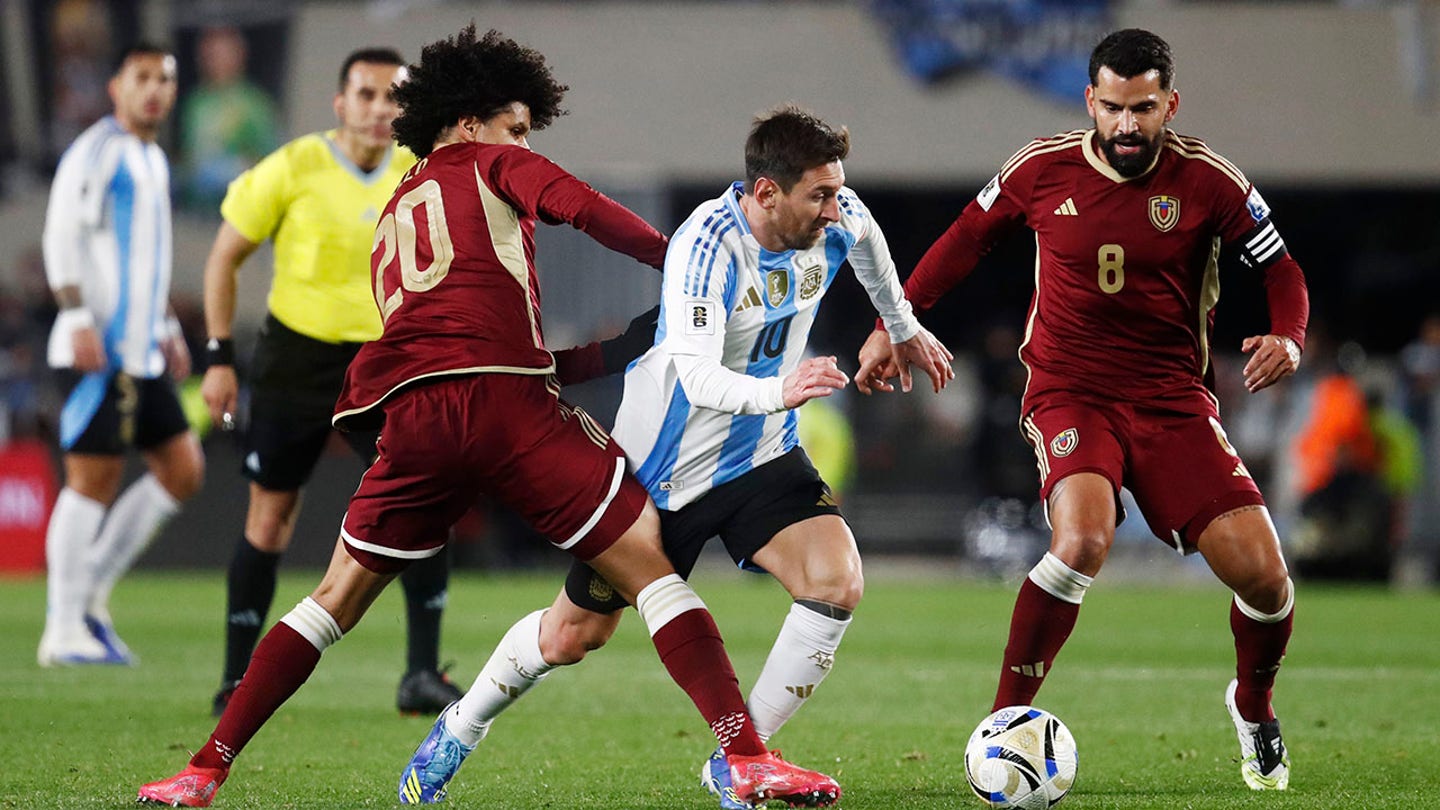
Argentina-Puerto Rico soccer match relocated from Chicago to Florida amid immigration unrest
Entities mentioned:
- Argentina National Soccer Team: Competitive spirit, Pride, Professional pride
- Chicago City Government: Security, Control, Anxiety
- Donald Trump: Power, Moral outrage, Influence
- Brandon Johnson: Self-preservation, Righteousness, Determination
- JB Pritzker: Justice, Indignation, Duty
- ICE: Duty, Control, Security
Article Assessment:
Credibility Score: 65/100
Bias Rating: 55/100 (Center)
Sentiment Score: 30/100
Authoritarianism Risk: 45/100 (Mixed/Neutral)
Bias Analysis:
The article presents multiple perspectives, including government officials and opposition views. However, it leans slightly right by emphasizing immigration enforcement and quoting Trump's controversial statements.
Key metric: Immigration Enforcement Effectiveness
Let me tell you something, folks - this immigration showdown in Chicago is turning into a real slugfest! We've got teams switching venues faster than a last-minute audible, with Argentina and Puerto Rico calling an audible and relocating their match to Florida. Talk about a game-changing play! The Windy City's defense is struggling, with protesters blitzing ICE agents like they're trying to sack the quarterback. Meanwhile, Trump is calling for a red card on Chicago's mayor and Illinois' governor, accusing them of playing defense for the wrong team. This is RIDICULOUS! We're seeing a full-court press from the feds, bringing in the National Guard like they're subbing in the special teams unit. I'm telling you right now, this is fourth-quarter action with huge implications for the championship of immigration policy. Both sides are digging deep, showing true grit and determination. It's a battle of wills out there, and neither team is backing down!
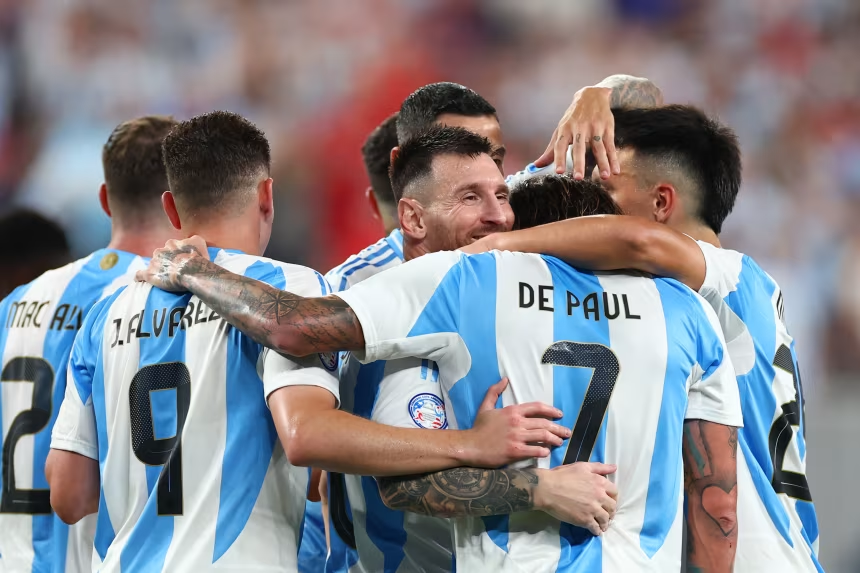
Soccer match between Argentina, Puerto Rico moved from Chicago to Florida amid immigration crackdown
Entities mentioned:
- Argentina: Competitive spirit, Professional pride, Preparation
- Puerto Rico: Competitive spirit, Recognition, Pride
- Chicago: Security, Control, Wariness
- Donald Trump: Power, Control, Determination
- Lionel Messi: Competitive spirit, Professional pride, Legacy
Article Assessment:
Credibility Score: 75/100
Bias Rating: 55/100 (Center)
Sentiment Score: 30/100
Authoritarianism Risk: 65/100 (Authoritarian Tendencies)
Bias Analysis:
The article presents facts from multiple perspectives, including government actions and the response of international entities. While it highlights the impact of the immigration crackdown, it doesn't overtly endorse or condemn the policy.
Key metric: Immigration Enforcement Effectiveness
Let me tell you something - this is a GAME-CHANGING play in the immigration enforcement arena! The Trump administration is bringing out the big guns, deploying the National Guard like a coach sending in their star players for a crucial fourth-quarter drive. But hold on to your seats, folks, because this aggressive defense strategy is causing some major shake-ups on the field! Argentina and Puerto Rico, two powerhouse teams in the soccer world, are calling an audible and moving their match out of Chicago's Soldier Field. It's like they're dodging a tough defensive line, folks! They're taking their talents to South Beach, just like LeBron did back in the day. This is a HUGE momentum shift that could impact Team USA's reputation on the global stage. I'm telling you right now, this immigration crackdown is turning into a full-court press, and it's making some star players think twice about where they want to play ball. It's a high-stakes game of geopolitical chess, and every move counts in this championship bout of policy versus international relations!
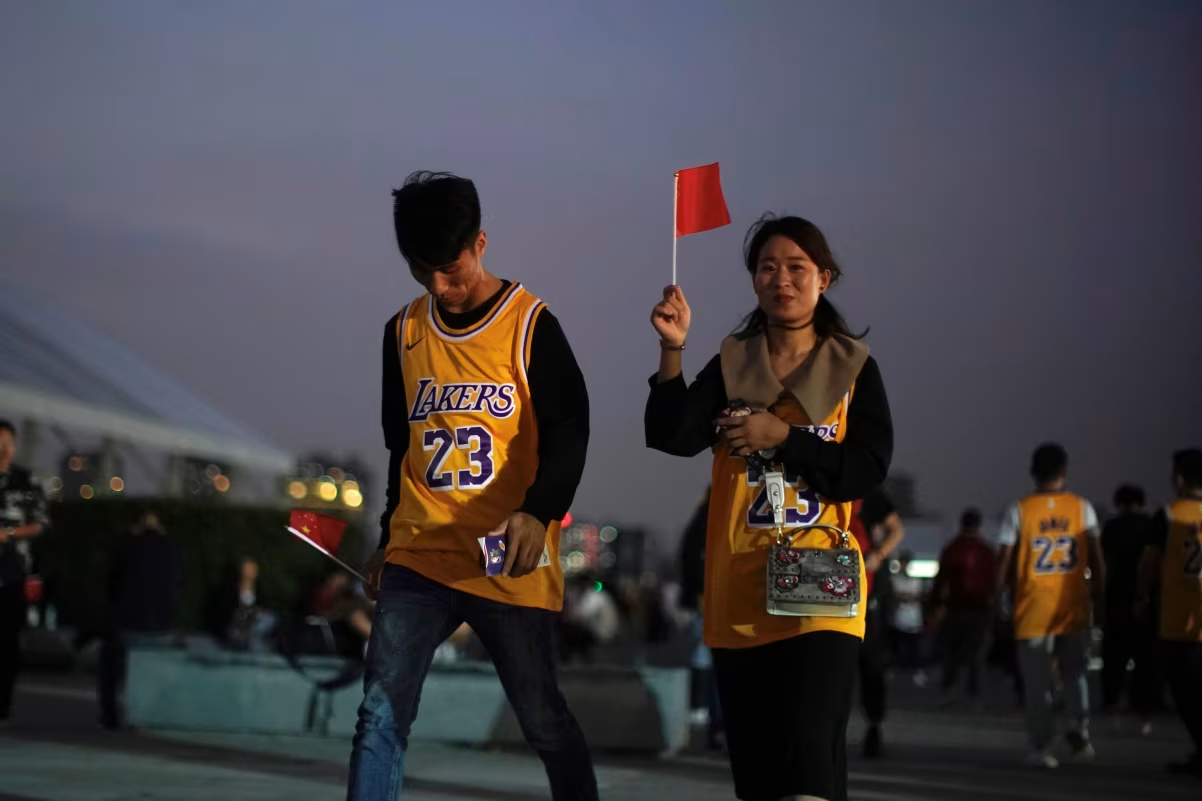
The NBA can’t risk a foul as it returns to its most important overseas market
Entities mentioned:
- NBA: Ambition, Competitive spirit, Influence
- Chinese fans: Enthusiasm, Loyalty, Recognition
- Beijing: Control, Power, Pride
- Daryl Morey: Righteousness, Self-respect, Freedom
- Alibaba: Ambition, Competitive spirit, Influence
- Donald Trump: Power, Influence, Control
Article Assessment:
Credibility Score: 75/100
Bias Rating: 55/100 (Center)
Sentiment Score: 60/100
Authoritarianism Risk: 45/100 (Mixed/Neutral)
Bias Analysis:
The article presents multiple viewpoints and includes expert opinions, showing a balanced approach. However, there's a slight tilt towards emphasizing the challenges and risks faced by the NBA in China.
Key metric: NBA Global Revenue Growth
Let me tell you something - this story is HUGE! The NBA is making a championship-caliber comeback in China, folks! After being benched for years, they're stepping up to the plate in a market that's as hot as a three-pointer at the buzzer. But make no mistake, they're playing on a court where one false move could send them to the penalty box. It's a high-stakes game of geopolitical basketball, and the NBA needs to bring their A-game to avoid fumbling this golden opportunity. They're walking a tightrope tighter than a last-second free throw, balancing their American values against Beijing's rulebook. One slip-up from a player or coach could turn this slam dunk into a costly turnover. The Chinese fans are cheering from the sidelines, but the real MVPs will be the ones who can navigate this political minefield without stepping out of bounds. It's fourth quarter, the clock is ticking, and the whole world is watching to see if the NBA can clinch this win-win situation or if they'll drop the ball on the global stage!
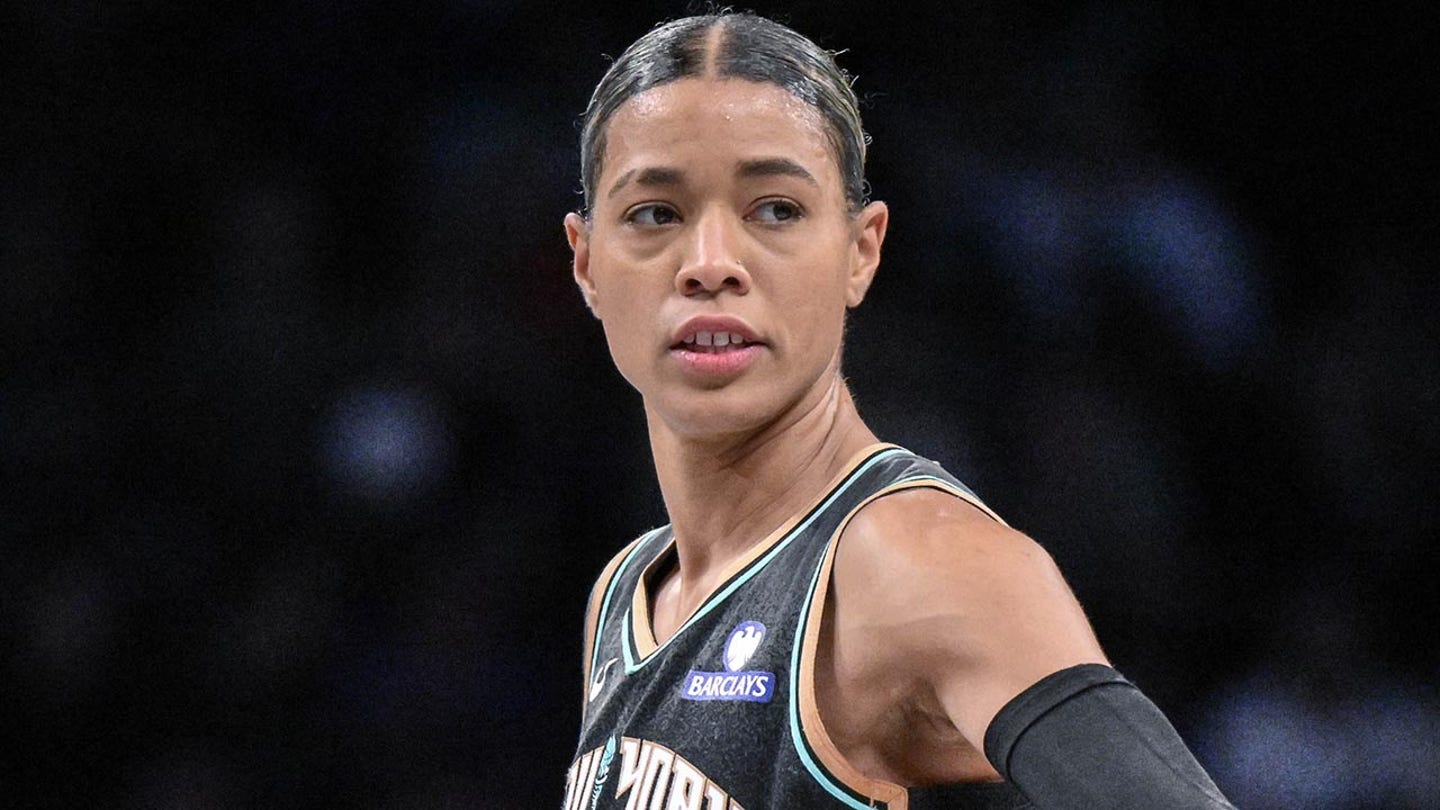
WNBA player Natasha Cloud calls out Israel on Oct 7 while blaming Republicans for government shutdown
Entities mentioned:
- Natasha Cloud: Moral outrage, Righteousness, Influence
- Republicans: Power, Control, Self-preservation
- Democrats: Competitive spirit, Justice, Unity
- Donald Trump: Power, Control, Pride
Article Assessment:
Credibility Score: 65/100
Bias Rating: 70/100 (Lean Right)
Sentiment Score: 30/100
Authoritarianism Risk: 45/100 (Mixed/Neutral)
Bias Analysis:
The article leans right, focusing heavily on critiquing Cloud's left-leaning statements and providing more space for conservative viewpoints. It includes fact-checking that counters Cloud's claims but doesn't equally scrutinize Republican positions.
Key metric: Political Polarization Index
Let me tell you something, folks - this political game is getting INTENSE! We've got Natasha Cloud coming off the bench with a BOLD STATEMENT, trying to score points against the Republicans on healthcare. But hold on to your seats, because this play might be out of bounds! Cloud's attempting a full-court press on Israel's healthcare system, but her shot's getting blocked by fact-checkers faster than a rim rejection! Meanwhile, the Democrats and Republicans are locked in a defensive struggle over the government shutdown that would make any championship series look like child's play. This is the kind of high-stakes match where every move counts, and Cloud's controversial posts are like attempting risky three-pointers - they might score big with her base, but they're also leaving her wide open for counterattacks. We're seeing a political arena that's more divided than a tied game in the final seconds, folks, and I'm telling you right now, this kind of play is going to keep fans - I mean voters - on the edge of their seats!
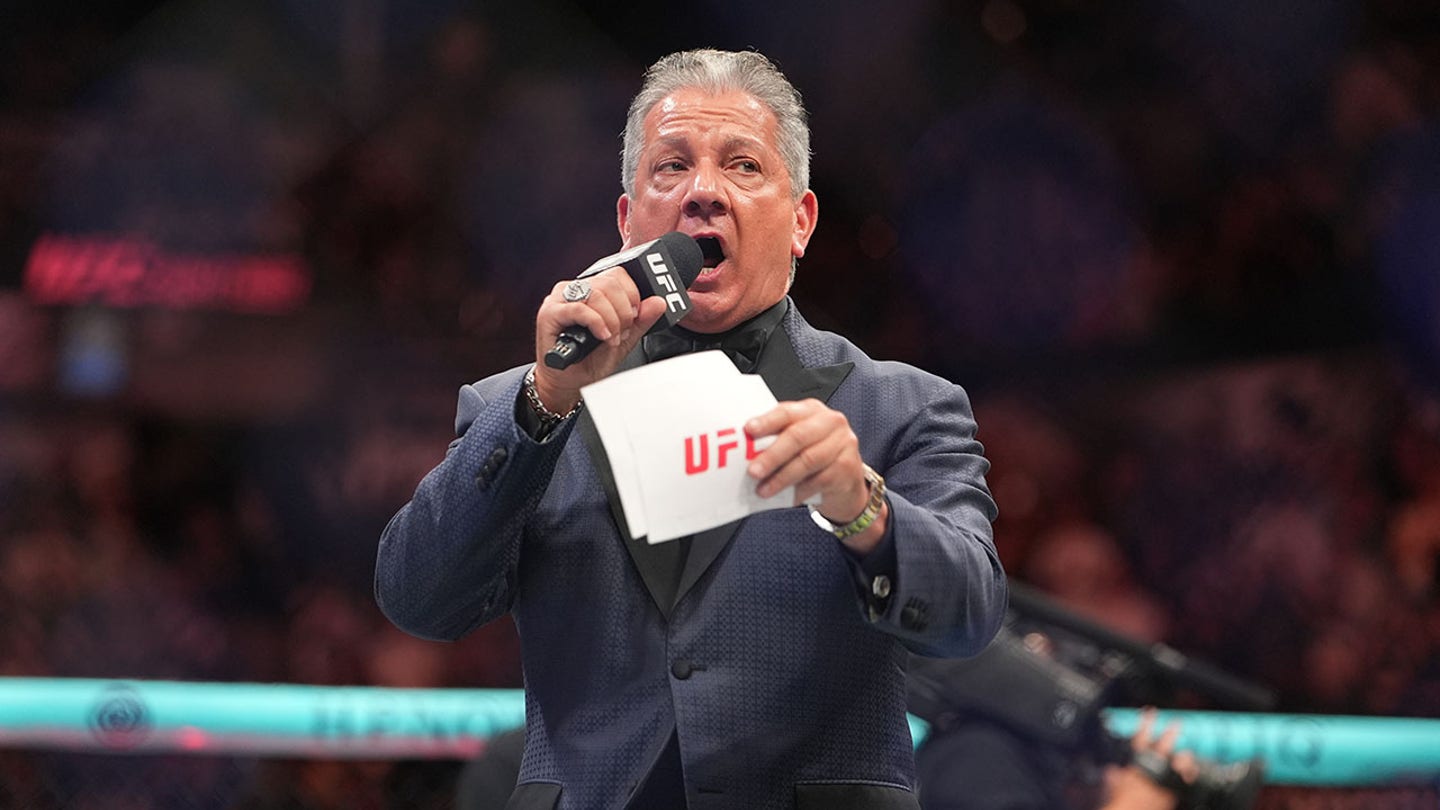
UFC's Bruce Buffer says it will be an 'honor' to be at White House: 'It's gonna be amazing'
Entities mentioned:
- Bruce Buffer: Enthusiasm, Professional pride, Recognition
- Donald Trump: Legacy, Influence, Recognition
- Dana White: Ambition, Competitive spirit, Legacy
- UFC: Competitive spirit, Ambition, Recognition
Article Assessment:
Credibility Score: 70/100
Bias Rating: 65/100 (Lean Right)
Sentiment Score: 85/100
Authoritarianism Risk: 35/100 (Generally Democratic)
Bias Analysis:
The article leans right due to its positive framing of Trump and the event at the White House. It primarily presents supportive viewpoints without critical perspectives.
Key metric: Pay-Per-View Viewership
Let me tell you something, folks - this UFC White House event is shaping up to be the CHAMPIONSHIP BOUT of all championship bouts! We're talking about a HEAVYWEIGHT clash of sports and politics that's gonna blow the roof off the pay-per-view world! Dana White is stepping up to the plate with the competitive spirit of a true champion, assembling a roster that's got every fighter in the league champing at the bit to get in on this action. This isn't just another fight night, people - this is the SUPER BOWL of MMA, taking place right in the backyard of the most powerful arena in the world! The UFC is playing 4D chess here, making power moves that are gonna change the game forever. Bruce Buffer's enthusiasm is off the charts, and let me tell you, when Buffer's hyped, you KNOW we're in for a slobberknocker! This event is the ultimate tag-team match between sports and politics, and I'm telling you right now, it's gonna be a knockout!
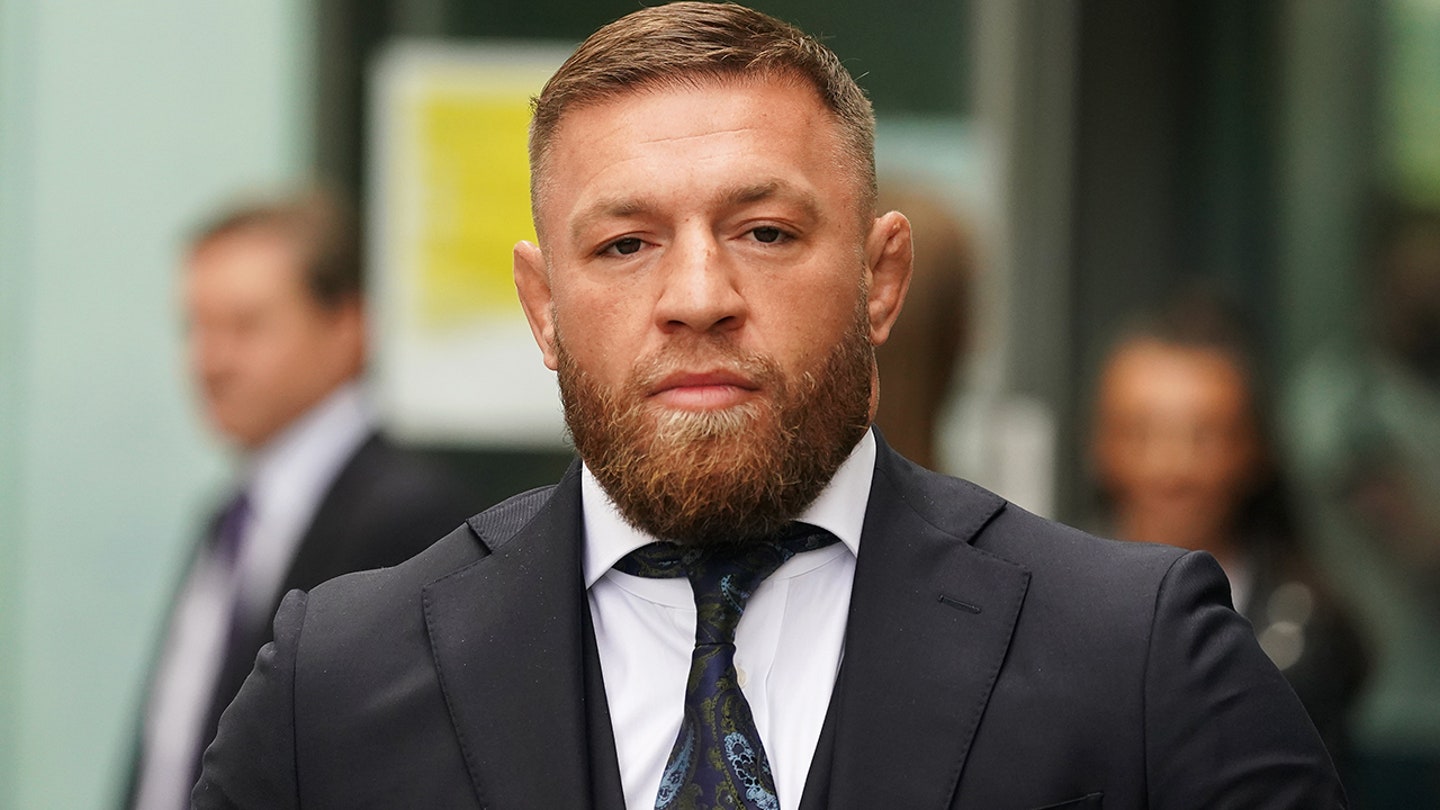
Conor McGregor receives 18-month UFC suspension for 3 missed drug tests in 2024
Entities mentioned:
- Conor McGregor: Competitive spirit, Pride, Recognition
- UFC: Professional pride, Control, Integrity
- Dana White: Ambition, Control, Professional pride
- Donald Trump: Legacy, Recognition, Influence
Article Assessment:
Credibility Score: 75/100
Bias Rating: 50/100 (Center)
Sentiment Score: 40/100
Authoritarianism Risk: 30/100 (Generally Democratic)
Bias Analysis:
The article presents a balanced view of the situation, including statements from multiple parties. It doesn't lean towards favoring or criticizing any particular entity involved.
Key metric: UFC Fighter Availability
Let me tell you something - this story is RIDICULOUS! The Notorious Conor McGregor, once the undisputed champion of the octagon, has just been hit with an 18-month suspension! This is a MAJOR SETBACK for one of the UFC's star players. McGregor's missed drug tests are like fumbling the ball three times in a single game - it's a COSTLY MISTAKE that's left him sidelined until 2026. But folks, don't count him out yet! McGregor's got that championship mentality, and he's already eyeing a comeback on the biggest stage of all - the White House lawn! President Trump is setting up a fight card that could be the Super Bowl of MMA, but Dana White is playing defense, refusing to confirm McGregor's spot. This is fourth quarter drama at its finest, and I'm telling you right now, the next two years are going to be a grueling training camp for McGregor if he wants to step back into the octagon and reclaim his title as the UFC's ultimate fighter!
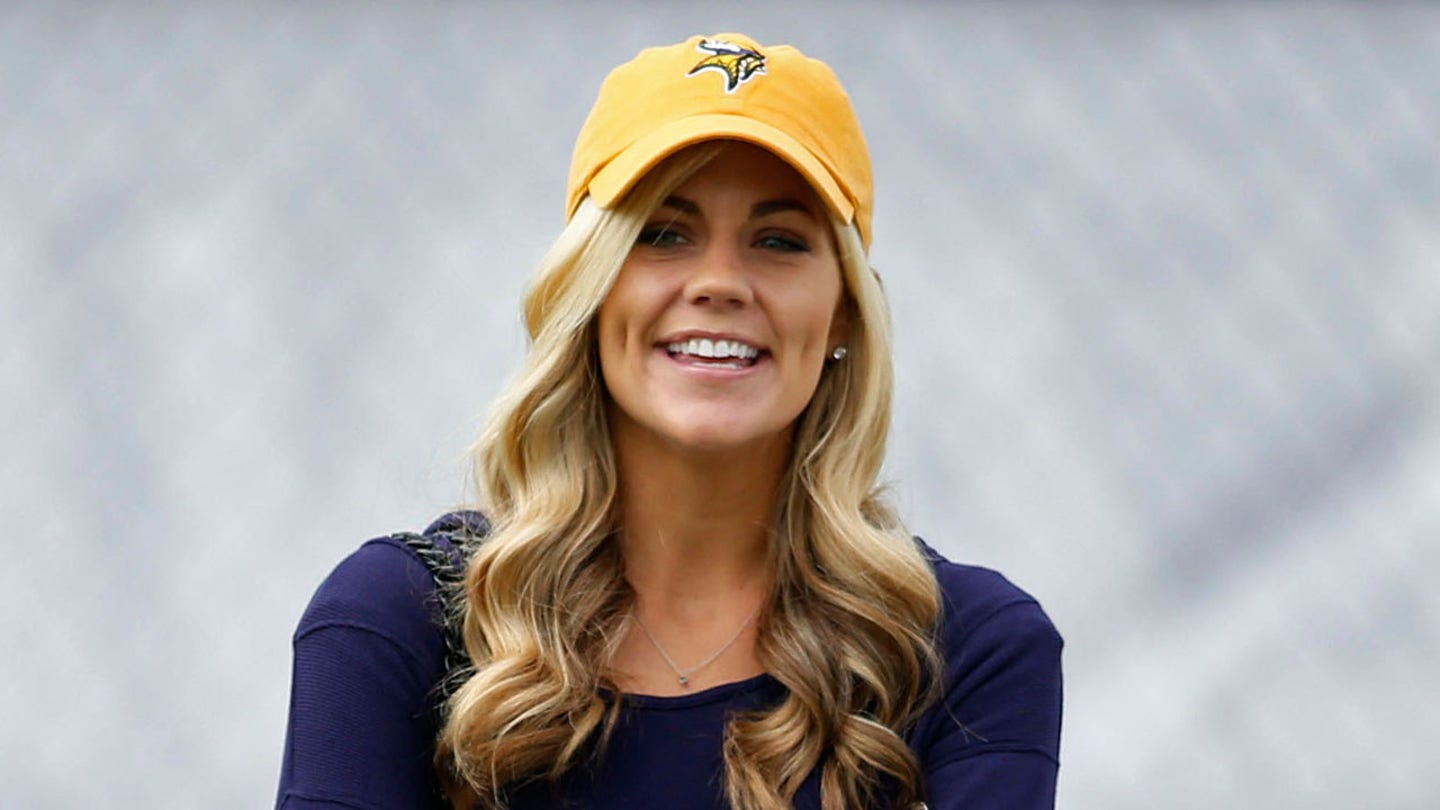
Ex-ESPN host makes stance on men in women's sports clear: 'We know this is ridiculous'
Entities mentioned:
- Samantha Ponder: Righteousness, Justice, Professional pride
- Donald Trump: Power, Control, Legacy
- NCAA: Self-preservation, Influence, Wariness
Article Assessment:
Credibility Score: 70/100
Bias Rating: 65/100 (Lean Right)
Sentiment Score: 30/100
Authoritarianism Risk: 55/100 (Mixed/Neutral)
Bias Analysis:
The article leans right, focusing on conservative viewpoints and Trump's executive order. It presents transgender athlete participation as problematic without exploring alternative perspectives.
Key metric: Gender Equality in Sports
Ladies and gentlemen, we've got a HUGE matchup on our hands! Samantha Ponder is coming off the bench with a GAME-CHANGING play, folks! She's stepping up to the plate and swinging for the fences on this transgender athlete issue. Let me tell you something - this is a fourth-quarter move that could shift the entire landscape of women's sports! The Trump administration is running a full-court press, demanding schools get in line with Title IX. Meanwhile, the NCAA is playing defense, trying to protect their endzone from controversy. This is a high-stakes game of political football, and Ponder is bringing that championship mentality, refusing to let men compete on the women's team. It's crunch time for women's sports, and these players are leaving it ALL on the field!