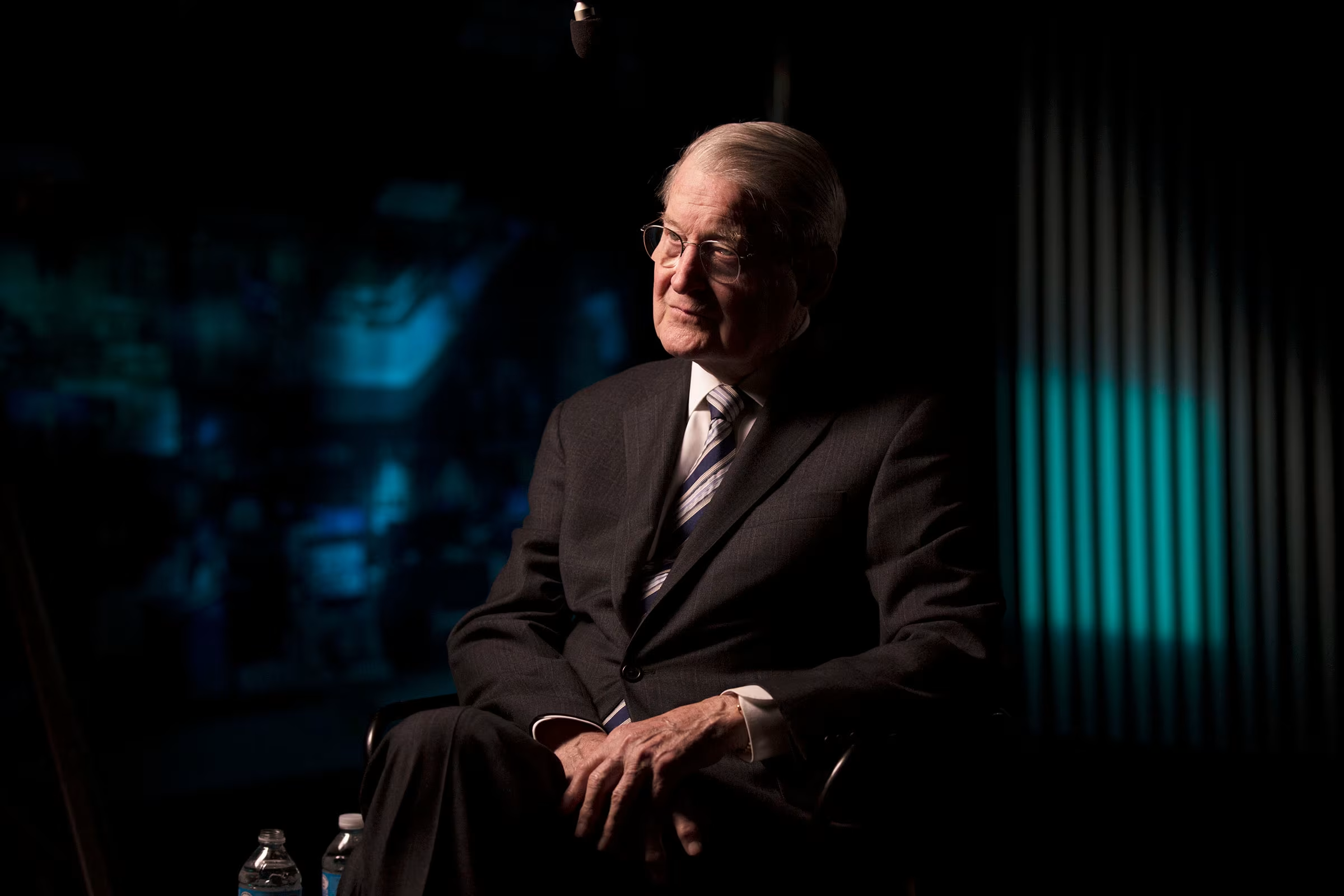
William Webster, former head of FBI and CIA, dies
Entities mentioned:
- William Webster: Duty, Professional pride, Integrity
- FBI: Reputation, Security, Justice
- CIA: Security, Control, Influence
- Jimmy Carter: Leadership, Reform, Legacy
- J. Edgar Hoover: Power, Control, Legacy
- Ronald Reagan: Leadership, Security, Legacy
- Christopher Wray: Professional pride, Duty, Integrity
- Donald Trump: Power, Control, Influence
Article Assessment:
Credibility Score: 85/100
Bias Rating: 45/100 (Center)
Sentiment Score: 65/100
Authoritarianism Risk: 20/100 (Strongly Democratic)
Bias Analysis:
The article presents a balanced view of Webster's career, citing both Republican and Democratic administrations. While largely positive, it includes critical context about the agencies he led, maintaining a centrist perspective.
Key metric: Public Trust in Government Institutions
As a social scientist, I analyze that William Webster's career significantly impacted public trust in key U.S. government institutions, particularly the FBI and CIA. His leadership focused on restoring integrity and public confidence in these agencies after periods of controversy. Webster's emphasis on professionalism, adherence to the rule of law, and transparency helped rebuild the reputation of both the FBI and CIA during critical periods of transition. His long-standing commitment to public service and his ability to lead effectively across multiple administrations underscore the importance of non-partisan, principled leadership in maintaining public trust. The article's portrayal of Webster as a figure respected across political lines suggests that his approach to governance and institutional management could serve as a model for rebuilding trust in government institutions in an era of increasing polarization.
For Subscribers
Entities mentioned:
- Donald Trump: Power, Influence, Recognition
- James Hagedorn: Influence, Greed, Professional pride
- Terrance Cole: Duty, Control, Professional pride
- Joe Biden: Legacy, Influence, Justice
- Susie Wiles: Duty, Loyalty, Influence
- Joe Rogan: Influence, Freedom, Recognition
- Alex Bruesewitz: Influence, Ambition, Recognition
Article Assessment:
Credibility Score: 75/100
Bias Rating: 55/100 (Center)
Sentiment Score: 50/100
Authoritarianism Risk: 35/100 (Generally Democratic)
Bias Analysis:
The article presents multiple perspectives and cites various sources, indicating an attempt at balanced reporting. However, there's a slight focus on Trump's decision-making process and political considerations, which may suggest a slight center-right lean.
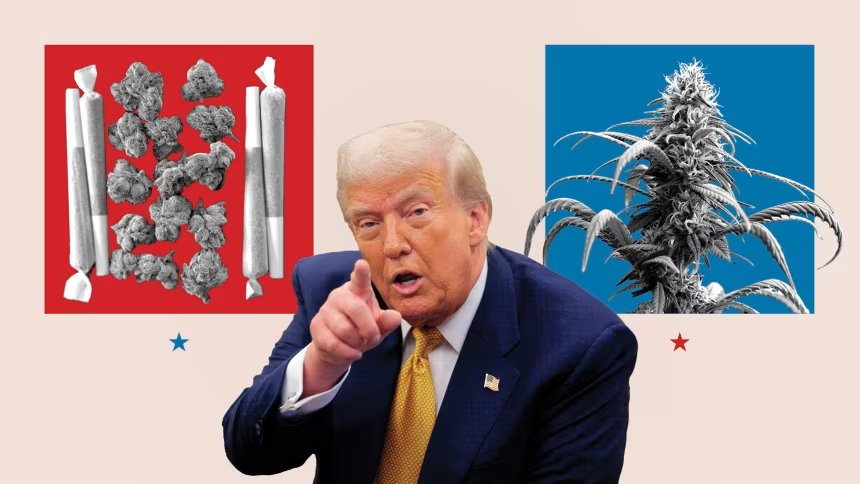
Key metric: Drug Policy and Criminal Justice Reform
As a social scientist, I analyze that this article highlights the complex political and social dynamics surrounding potential marijuana policy reform under the Trump administration. The president's consideration of rescheduling marijuana reflects a shift in Republican attitudes towards drug policy, driven by changing public opinion and potential political benefits. However, the administration's hesitation and internal disagreements underscore the challenges of implementing such a significant policy change. This situation demonstrates the tension between campaign promises, public opinion, and established institutional practices in shaping drug policy. The involvement of various stakeholders, including industry leaders and political advisors, further complicates the decision-making process, illustrating the multifaceted nature of policy reform in a highly politicized environment.
- Read more about For Subscribers
- Log in to post comments