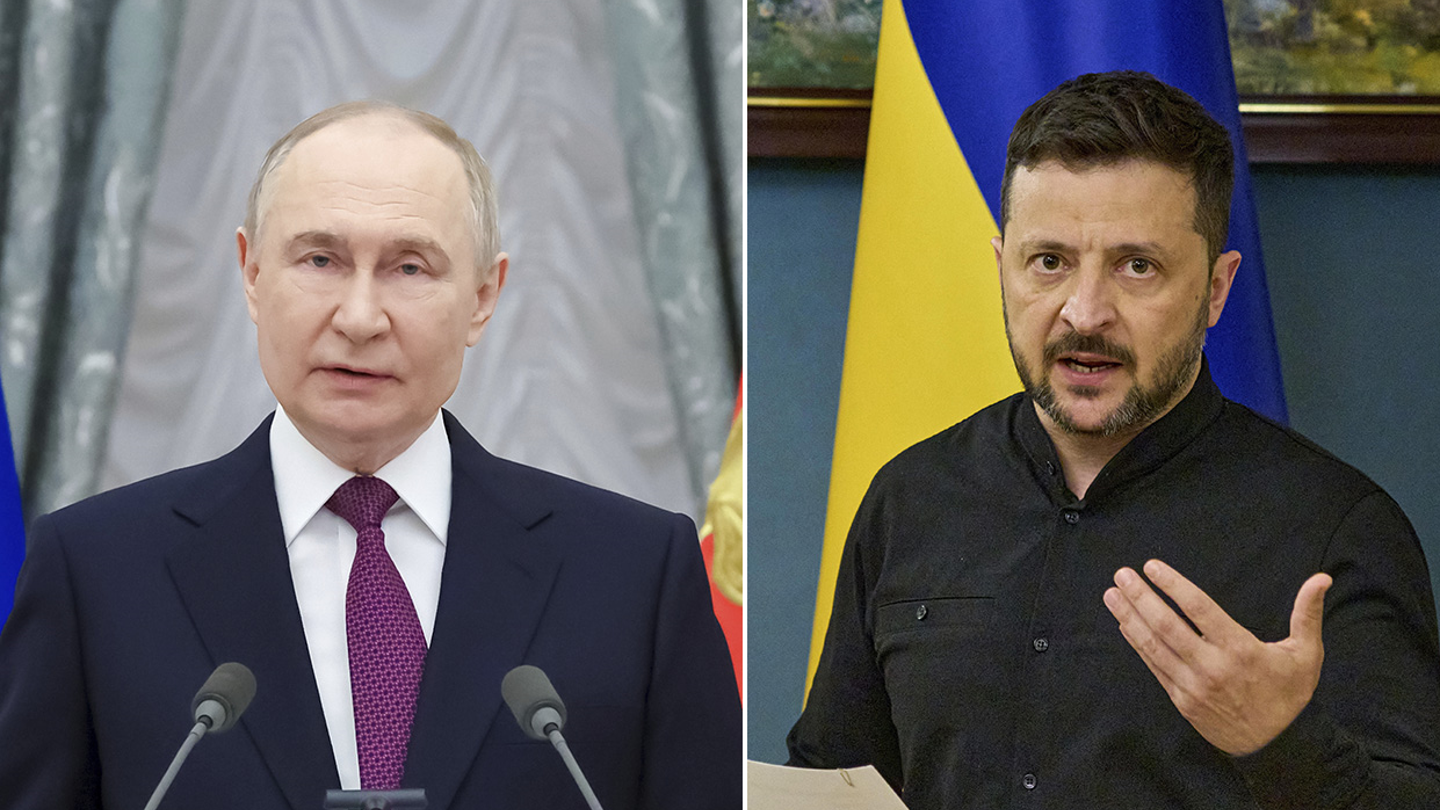
Trump’s push for Putin-Zelenskyy talks hinges on Kremlin's conditions
Entities mentioned:
- Donald Trump: Influence, Legacy, Power
- Vladimir Putin: Power, Control, Pride
- Volodymyr Zelenskyy: Self-preservation, Duty, Unity
- Ivana Stradner: Professional pride, Wariness, Duty
- Kurt Volker: Professional pride, Duty, Wariness
- Karoline Leavitt: Duty, Loyalty, Obligation
- Maria Snegovaya: Professional pride, Curiosity, Wariness
Article Assessment:
Credibility Score: 75/100
Bias Rating: 55/100 (Center)
Sentiment Score: 35/100
Authoritarianism Risk: 45/100 (Mixed/Neutral)
Bias Analysis:
The article presents multiple perspectives, including both US and Russian viewpoints, as well as expert opinions. While it leans slightly towards a Western perspective, it attempts to provide a balanced view of the diplomatic situation.
Key metric: International Diplomatic Influence
As a social scientist, I analyze that this article highlights the complex dynamics of international diplomacy surrounding the Russia-Ukraine conflict. Trump's initiative to arrange talks between Putin and Zelenskyy demonstrates the US's attempt to reassert its global diplomatic influence. However, the reluctance from the Russian side and the skepticism expressed by experts suggest significant challenges in achieving a diplomatic breakthrough. The article underscores the importance of power dynamics, with Putin's motivations centered on projecting Russian strength and equality with the US. The experts' analysis points to a potential stalemate, with Putin unlikely to compromise without significant concessions. This situation impacts the US's diplomatic influence by showcasing both its ability to initiate high-level talks and the limitations of its leverage over Russia. The article also highlights the broader implications for NATO and European security, suggesting that the outcome of this diplomatic effort could have far-reaching consequences for US global leadership and alliance structures.
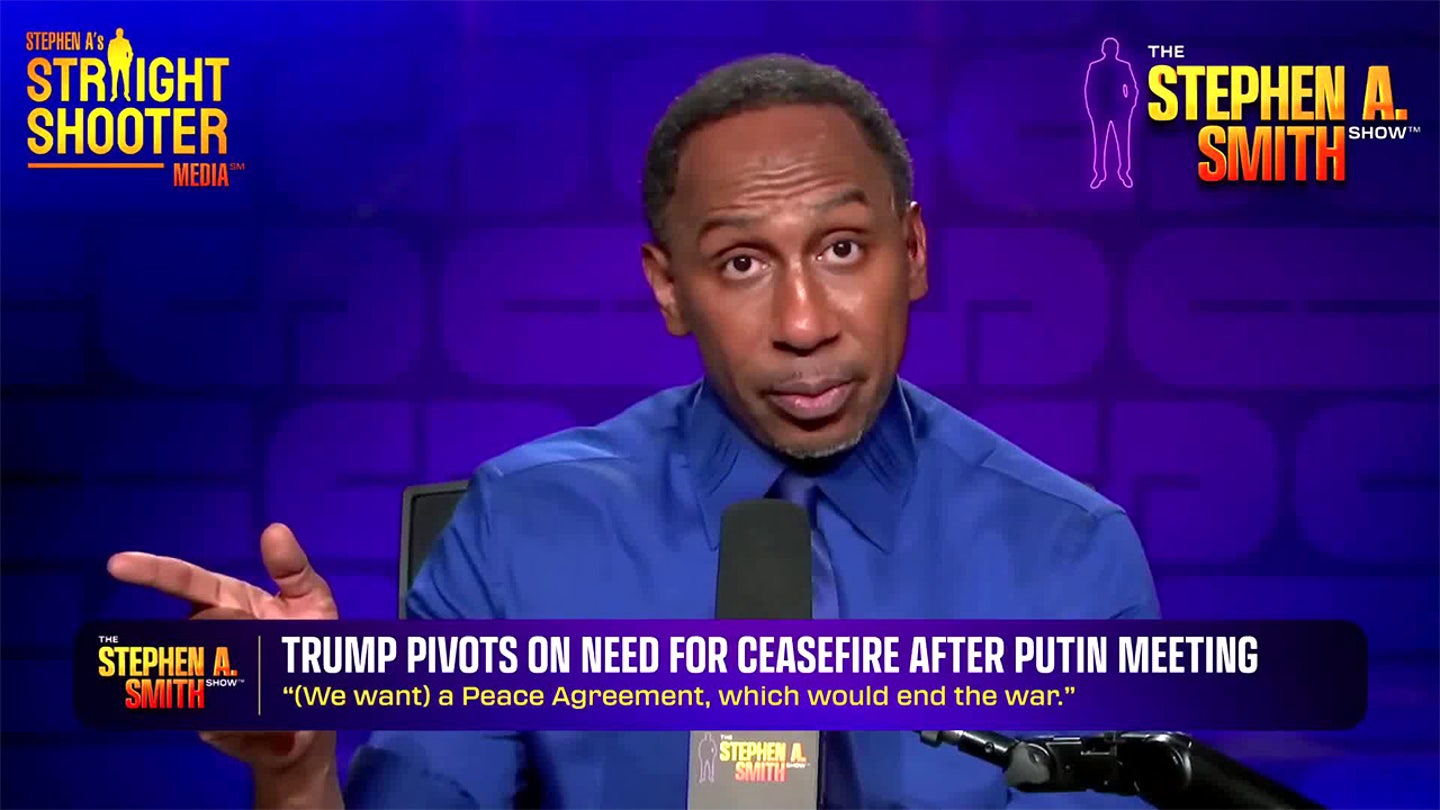
Trump didn’t cause Russia-Ukraine war, Stephen A. Smith says, blaming Biden, Obama and Clinton in fiery rant
Entities mentioned:
- Stephen A. Smith: Indignation, Justice, Duty
- Donald Trump: Self-preservation, Influence, Power
- Joe Biden: Obligation, Security, Legacy
- Barack Obama: Caution, Security, Legacy
- Bill Clinton: Influence, Security, Legacy
- Russia: Power, Control, Influence
- Ukraine: Self-preservation, Freedom, Security
Article Assessment:
Credibility Score: 65/100
Bias Rating: 55/100 (Center)
Sentiment Score: 30/100
Authoritarianism Risk: 35/100 (Generally Democratic)
Bias Analysis:
The article presents multiple viewpoints, including criticism of both Republican and Democratic administrations. However, it relies heavily on Stephen A. Smith's opinions without substantial counterarguments, potentially skewing the perspective.
Key metric: U.S. Foreign Policy Effectiveness
As a social scientist, I analyze that this article presents a complex view of U.S. foreign policy spanning multiple administrations and its impact on the Russia-Ukraine conflict. Smith's argument shifts blame from Trump to previous Democratic administrations, suggesting a long-term policy failure rather than a single administration's fault. This perspective challenges the common narrative and highlights the complexity of international relations and the long-term consequences of policy decisions. The article touches on critical events like the Crimea annexation and Ukraine's nuclear disarmament, which have significantly shaped the current geopolitical landscape. It also raises questions about the U.S.'s commitment to its international promises and the financial burden of these commitments on American taxpayers. This debate could influence public opinion on U.S. foreign policy effectiveness and potentially impact future policy decisions regarding international commitments and interventions.